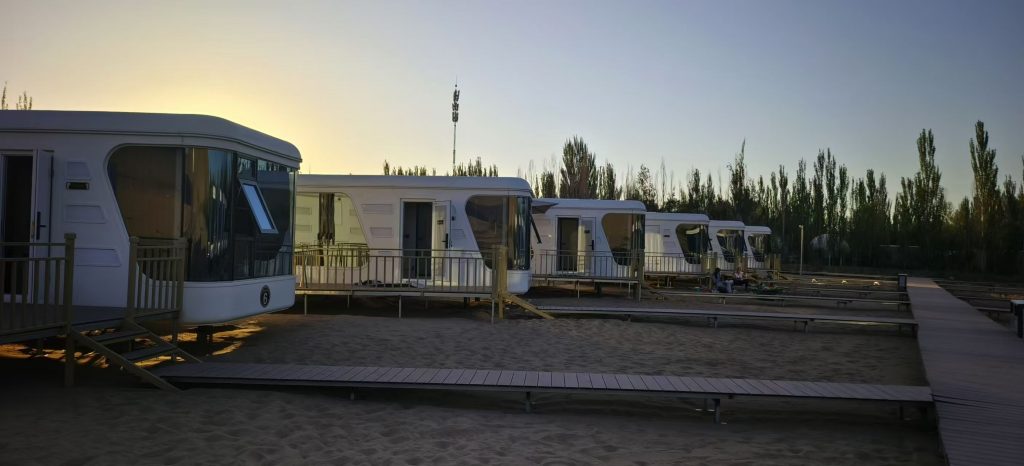
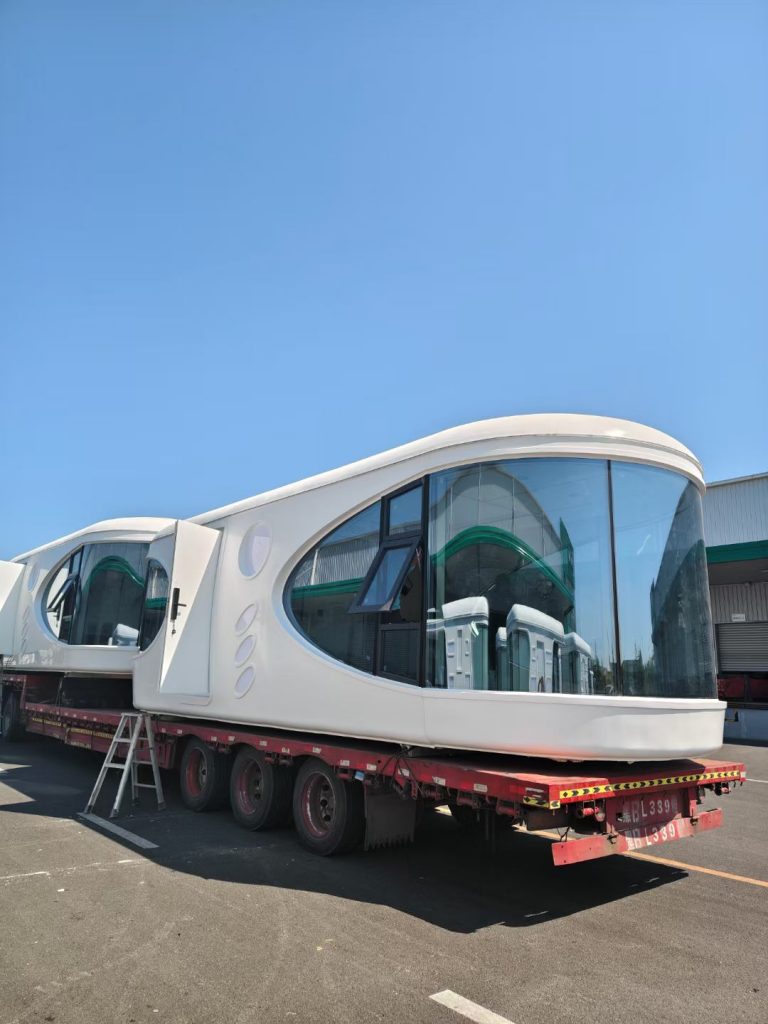
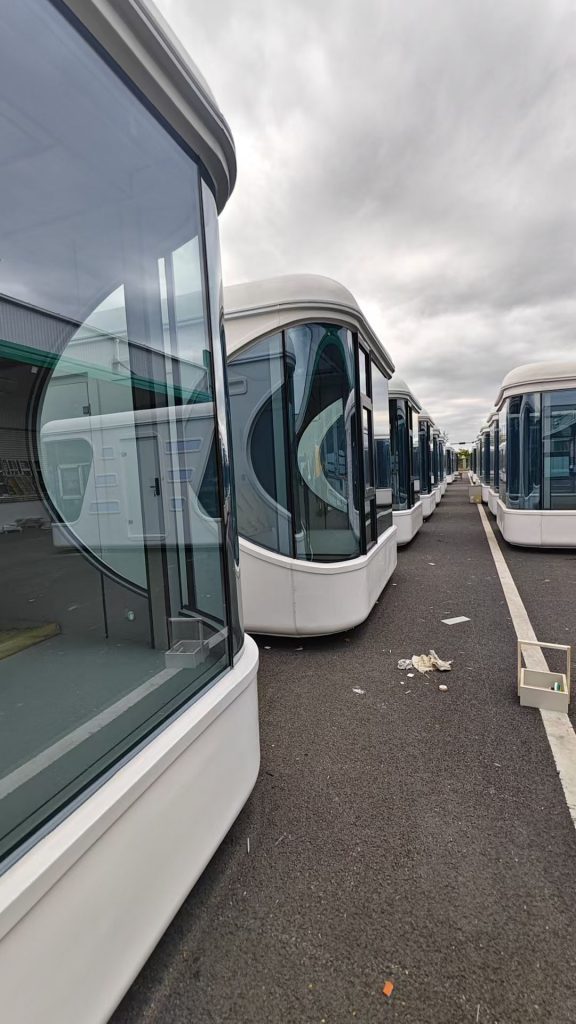
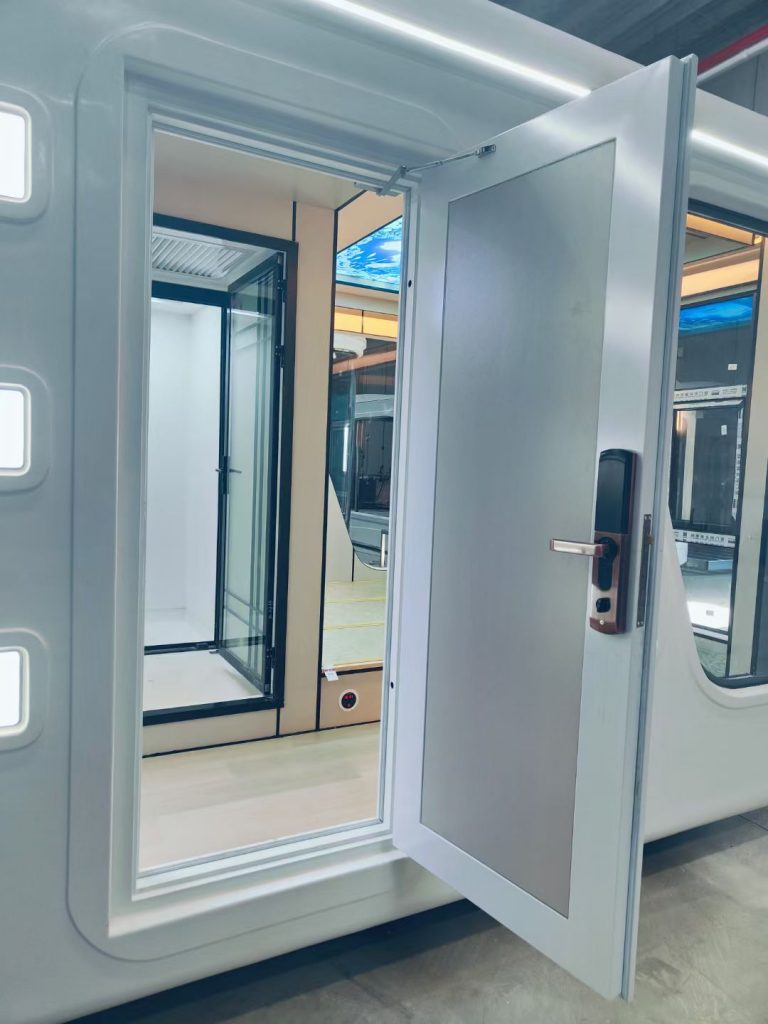
🏠 Flexible and Efficient Mobile Housing for Modern Living and Project Deployment
Mobile houses, also known as prefabricated or modular homes, are innovative housing solutions designed for fast installation, easy transportation, and flexible use. These structures are widely used in residential living, construction sites, remote locations, and temporary accommodation projects.🏠 Quick installation and relocation capability
🚚 Designed for easy transportation
🧱 Durable structure for long-term use
🌍 Suitable for global projects and export
📦 Scalable production for bulk ordersWith increasing demand for affordable housing and flexible infrastructure, mobile house manufacturing continues to expand in global markets.
🏠 What Is a Mobile House?
A mobile house is a prefabricated structure built in sections and designed to be transported and assembled at different locations.
Key characteristics include:
🏠 modular structural design
🚚 transportable construction
⚙️ fast assembly process
🏡 flexible usage options
These features make mobile houses suitable for both temporary and permanent use.
🧱 Types of Mobile Houses
Mobile houses are available in various designs depending on application and environment.
📦 Container Mobile Houses
Container-style houses are built using standardized structural frames.
Features include:
📦 compact and durable structure
🚚 easy transportation
🏗️ quick installation
🏡 Prefabricated Panel Houses
Panel houses are constructed using prefabricated wall and roof panels.
Advantages include:
🧱 lightweight materials
⚙️ flexible design layouts
📐 easy assembly
🧳 Foldable Mobile Houses
Foldable designs allow compact transportation and rapid deployment.
Key benefits include:
🧳 reduced shipping volume
⚡ fast setup
🌍 ideal for emergency or temporary use
🧪 Materials Used in Mobile House Construction
Material selection is critical for durability and safety.
Common materials include:
🧱 steel structural frames
🧪 insulated wall panels
🪵 interior finishing materials
🌧️ weather-resistant coatings
These materials ensure strength, insulation, and long-term performance.
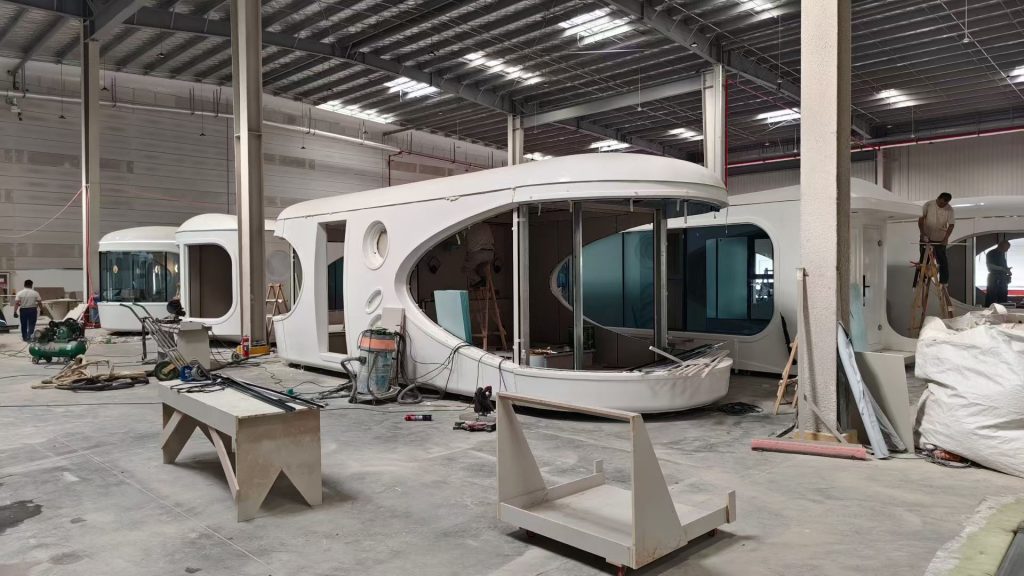
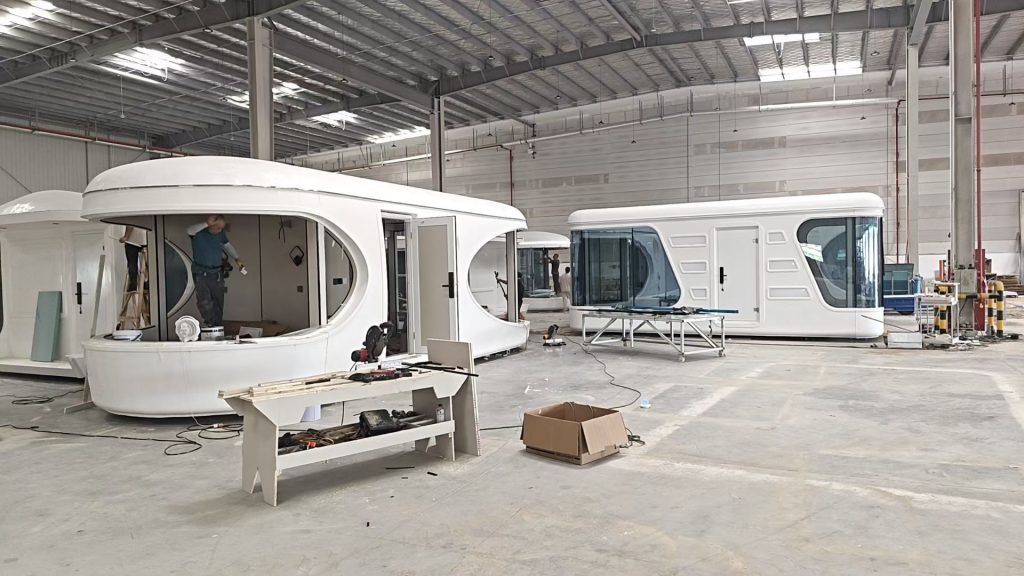
⚙️ Manufacturing Process
Mobile houses are produced using controlled industrial processes.
Typical steps include:
📐 structural design and engineering
🪚 material cutting and preparation
🔩 frame assembly
🧱 panel installation
🔍 quality inspection
📦 packaging for transport
Standardized production ensures consistent quality.
🏗️ Installation and Assembly
Mobile houses are designed for fast and efficient installation.
Installation process includes:
🚚 transportation to site
🧱 foundation preparation
🔩 structure assembly
⚙️ utility connections
🔍 final inspection
This process reduces construction time compared to traditional buildings.
🏡 Applications of Mobile Houses
Mobile houses are widely used in different industries and environments.
Common applications include:
🏗️ construction site accommodation
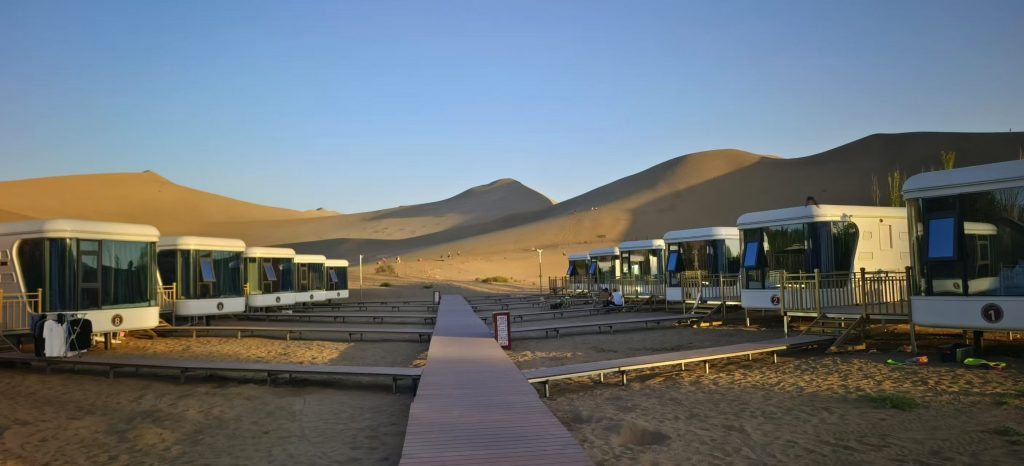
🏕️ remote living and field housing
🏨 temporary project housing
🏡 residential living solutions
Their flexibility makes them suitable for diverse needs.
🌡️ Insulation and Comfort Features
Modern mobile houses are designed for comfort and energy efficiency.
Important features include:
🌡️ thermal insulation panels
💧 moisture resistance
🔇 sound insulation
❄️ climate adaptability
These features improve living conditions in various environments.
📦 Packaging and Transportation
Mobile houses are designed for efficient transportation.
Common methods include:
📦 modular packing
🧳 foldable structure transport
🚚 containerized shipping
🌍 export-ready logistics
Efficient transport reduces costs and delivery time.
🌱 Advantages of Mobile Houses
Mobile houses offer several advantages compared to traditional construction.
Key benefits include:
⚡ fast construction and installation
💰 cost efficiency
🌍 flexible relocation
🏡 scalable housing solutions
These advantages make them ideal for modern housing needs.
📈 Global Demand for Mobile Housing
The demand for mobile houses continues to grow globally.
Key drivers include:
🏗️ infrastructure development projects
🏡 affordable housing demand
🌍 remote and temporary housing needs
🚚 rapid deployment requirements
These factors support strong market growth.
📊 Benefits of Bulk Mobile House Supply
Bulk supply is essential for large-scale projects.
Key advantages include:
📦 large production capacity
💰 cost savings for bulk orders
⚙️ standardized quality
🌍 global project support
Bulk supply supports contractors and developers.
📩 Choosing a Reliable Mobile House Supplier
Selecting a reliable supplier is critical for project success.
Key considerations include:
🏭 manufacturing experience
🔍 strict quality control
⚙️ customization capability
📦 logistics and delivery support
Reliable suppliers ensure consistent performance and delivery.
🔮 Future Trends in Mobile Housing Industry
The mobile housing industry continues to evolve with innovation.
Future trends may include:
🌱 sustainable building materials
⚙️ smart home integration
📊 improved modular design
🏡 enhanced living comfort
These trends will shape the future of modular housing.
❓ FAQ – Mobile Houses
1. What is a mobile house used for?
Mobile houses are used for residential living, construction site accommodation, and temporary housing.
2. Can mobile houses be customized?
Yes. They can be customized in size, layout, materials, and interior design.
3. How long does it take to install a mobile house?
Installation time depends on the size and type, but it is generally much faster than traditional construction.
4. Are mobile houses suitable for long-term use?
Yes. With proper materials and construction, they can be used for long-term living.
5. Who buys mobile houses in bulk?
Contractors, developers, project managers, and distributors purchase in bulk.
6. What are the advantages of mobile houses?
They offer fast installation, cost efficiency, flexibility, and easy transportation.


No reply content