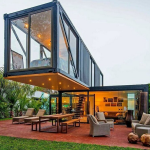


 Container houses from Chinese suppliers offer affordable, durable, and modular housing solutions for residential, commercial, and industrial applications. Buyers benefit from flexible designs, competitive pricing, and scalable solutions, while suppliers ensure quality, customization options, and global shipping capabilities to meet diverse project requirements worldwide.
1. Introduction to Container Houses
Container houses are prefabricated modular structures built from shipping containers or steel frameworks. They are used worldwide for residential units, offices, pop-up shops, and temporary housing. With rising demand for affordable and mobile housing solutions, Chinese suppliers have become a major global source for container houses, offering both standard models and fully customized designs.
Advantages of container houses include:
- Cost Efficiency: Lower construction and labor costs compared to traditional buildings.
- Portability: Easy to transport, assemble, and relocate.
- Durability: Strong steel construction withstands weather, seismic events, and wear.
- Sustainability: Often use recycled materials and generate less waste.
- Scalability: Modular designs allow stacking and expansion for larger projects.
2. Factors Affecting Container House Pricing
Pricing varies depending on multiple factors, including:
- Size and Layout: Standard 20ft or 40ft containers differ in cost; multi-container units cost more.
- Material Quality: High-grade steel, insulation, flooring, and finishes increase the price.
- Customization Level: Windows, doors, partitions, plumbing, and electrical installations influence cost.
- Design Complexity: Multi-story units, staircases, and rooftop decks require additional investment.
- Quantity Ordered: Bulk orders often reduce per-unit cost.
- Shipping and Delivery: International shipping, taxes, and customs duties affect final pricing.
Understanding these factors helps buyers estimate costs and plan budgets effectively.
3. Types of Container Houses
a. Standard Container Houses
- Basic models with steel walls, roof, and floor.
- Minimal interior finishing.
- Suitable for temporary housing, storage, or emergency shelters.
- Cost-effective for small-scale deployment.
b. Fully Customized Container Houses
- Designed to client specifications with partitions, furniture, and integrated utilities.
- Includes insulation, HVAC, plumbing, and electrical systems.
- Ideal for residential, office, or hospitality use.
- Higher cost due to customization and labor.
c. Multi-Container Units
- Multiple containers combined for larger floor space.
- Can be stacked for two or more floors.
- Often used for hotels, offices, or schools.
- Cost varies based on structure complexity and reinforcement needs.
d. Luxury or Eco-Friendly Designs
- Premium finishes, solar panels, energy-efficient appliances.
- Lightweight eco-materials and smart home features.
- Targeted for resorts, boutique offices, or upscale housing.
- Most expensive category due to material and technology integration.
4. Material and Component Cost Breakdown
Understanding material costs helps explain pricing variations:
- Steel Frame & Panels: Core structural component; high-grade steel ensures durability.
- Insulation: Foam, rock wool, or fiberglass to provide thermal comfort.
- Doors & Windows: Aluminum, steel, or PVC options; impact energy efficiency and aesthetics.
- Flooring: Plywood, laminate, or vinyl finishes; contributes to comfort and interior appeal.
- Electrical & Plumbing: Pre-installed wiring, sockets, water supply, and drainage systems.
- Interior Finishing: Painting, partitions, cabinets, and furniture for customized units.
Suppliers may offer tiered pricing packages based on material quality and included components.
5. Cost Estimation Examples
While pricing varies widely, approximate ranges from Chinese suppliers are:
- Basic Single Container House: $1,500 – $3,000 per 20ft container.
- Insulated & Semi-Finished Unit: $3,000 – $5,000 per 20ft container.
- Fully Customized Residential Container: $5,000 – $10,000 per 20ft container.
- Multi-Container Units: $10,000 – $50,000+ depending on design complexity.
- Luxury or Eco-Friendly Models: $15,000 – $60,000+ per unit.
Additional costs include shipping, taxes, site preparation, and assembly labor. Bulk orders and long-term supplier relationships often result in discounts.
6. Advantages of Choosing Chinese Suppliers
Chinese suppliers dominate the global container house market due to:
- Competitive Pricing: Lower labor and manufacturing costs without compromising quality.
- Experience & Expertise: Years of mass production and customization experience.
- Scalability: Ability to produce large orders efficiently.
- Customization: Wide range of options for materials, layouts, and finishes.
- Global Shipping & Compliance: Ability to meet international standards and deliver worldwide.
Working with a reputable Chinese supplier ensures cost-effective and reliable solutions.
7. Design Considerations for Container Houses
Effective design maximizes comfort, usability, and durability:
- Space Optimization: Efficient layout planning for living, working, or storage areas.
- Thermal Insulation & Ventilation: Ensures year-round comfort.
- Structural Reinforcement: Especially important for multi-story units.
- Waterproofing & Weatherproofing: Prevents leaks and corrosion.
- Aesthetic & Functional Features: Roofing, paint, decking, lighting, and furniture.
A well-designed container house balances cost, functionality, and long-term usability.
8. Logistics and Shipping Considerations
Shipping and assembly impact total project costs:
- Domestic vs. International Shipping: Sea freight is cost-effective for overseas orders.
- Customs and Import Duties: Must be factored into the total budget.
- On-Site Assembly: Some suppliers provide complete installation services; others deliver flat-packed containers.
- Packaging & Protection: Proper packaging ensures units arrive undamaged.
- Lead Time: Typically 4–12 weeks depending on customization and order volume.
Planning logistics carefully prevents delays and cost overruns.
9. Trends in Container House Manufacturing
Emerging trends include:
- Eco-Friendly Materials: Recycled steel, low-VOC paints, and sustainable insulation.
- Smart Homes: Integration of IoT, solar panels, and energy-efficient systems.
- Rapid Deployment Housing: Modular units for disaster relief, construction sites, and temporary offices.
- Luxury Modular Solutions: Boutique hotels, resorts, and premium offices using container architecture.
- Global Standardization: Suppliers meeting international safety and environmental standards for wider market access.
Suppliers adapting to these trends maintain competitiveness in a growing market.
10. FAQ – China Container House Supplier Pricing
Q1: What factors determine the cost of a container house from China?
A1: Size, materials, customization, design complexity, shipping, and assembly all influence pricing.
Q2: How long does it take to produce and ship a container house?
A2: Lead times typically range from 4–12 weeks, depending on design, quantity, and shipping method.
Q3: Can I customize a container house for residential or commercial use?
A3: Yes, suppliers offer customization for layout, insulation, finishes, furniture, and utilities.
Q4: Are Chinese container houses durable for long-term use?
A4: Yes, high-grade steel frames, reinforced walls, and quality finishes ensure longevity.
Q5: Do suppliers offer bulk order discounts?
A5: Most suppliers provide tiered pricing and discounts for large orders or long-term partnerships.
Q6: Can container houses be stacked or expanded?
A6: Yes, modular design allows stacking, multi-story configurations, and additional units for expansion.
Q7: Are the units compliant with international safety standards?
A7: Reputable suppliers ensure compliance with electrical, structural, and environmental regulations for export markets.


No reply content