
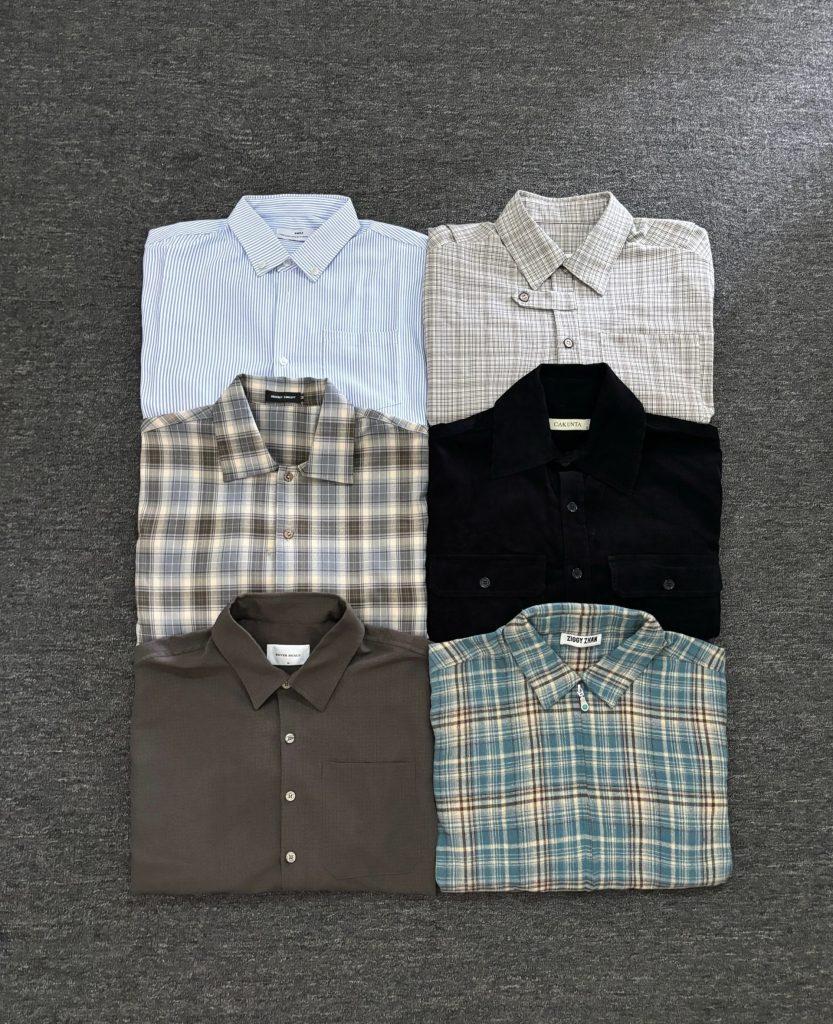
▌Quick Overview
Looking for a reliable clothing supplier to grow your fashion business? This complete guide is designed for wholesalers, retailers, and brand owners who need high-quality apparel manufacturing, flexible customization, and stable supply. Learn how to choose the right partner, reduce costs, and scale your clothing business with confidence.
👕 Introduction: Why Choosing the Right Clothing Supplier Is Critical
The global apparel industry is highly competitive, and success depends heavily on your supply chain. Whether you are launching a fashion brand, running an eCommerce store, or managing wholesale distribution, your supplier directly impacts:
- Product quality and consistency
- Delivery speed
- Brand image
- Profit margins
A professional clothing supplier is not just a manufacturer—it is a long-term growth partner.
🏭 What Defines a Professional Clothing Supplier?
1. 🧵 Fabric Quality & Material Expertise
Top clothing manufacturers offer a wide range of materials:
- Cotton (breathable and soft)
- Polyester (durable and wrinkle-resistant)
- Blended fabrics (balanced performance)
- Organic and eco-friendly textiles
High-quality fabrics ensure comfort, durability, and customer satisfaction.
2. ✂️ Advanced Production Capabilities
Reliable suppliers use modern manufacturing techniques:
✔ Precision cutting systems
✔ Automated sewing lines
✔ Digital printing technology
✔ Embroidery and finishing processes
This ensures consistent quality across bulk orders.
3. 🔍 Strict Quality Control
Professional factories implement:
- Fabric inspection before production
- In-line quality checks
- Final product inspection
- Size and measurement verification
This reduces defects and returns.
4. 🎨 Customization & Private Label Services
To build your own brand, customization is essential:
- Logo printing or embroidery
- Custom labels and tags
- Unique designs and patterns
- Packaging solutions
Private label clothing allows you to stand out and increase profit margins.
👗 Types of Clothing You Can Source
🔹 Casual Wear
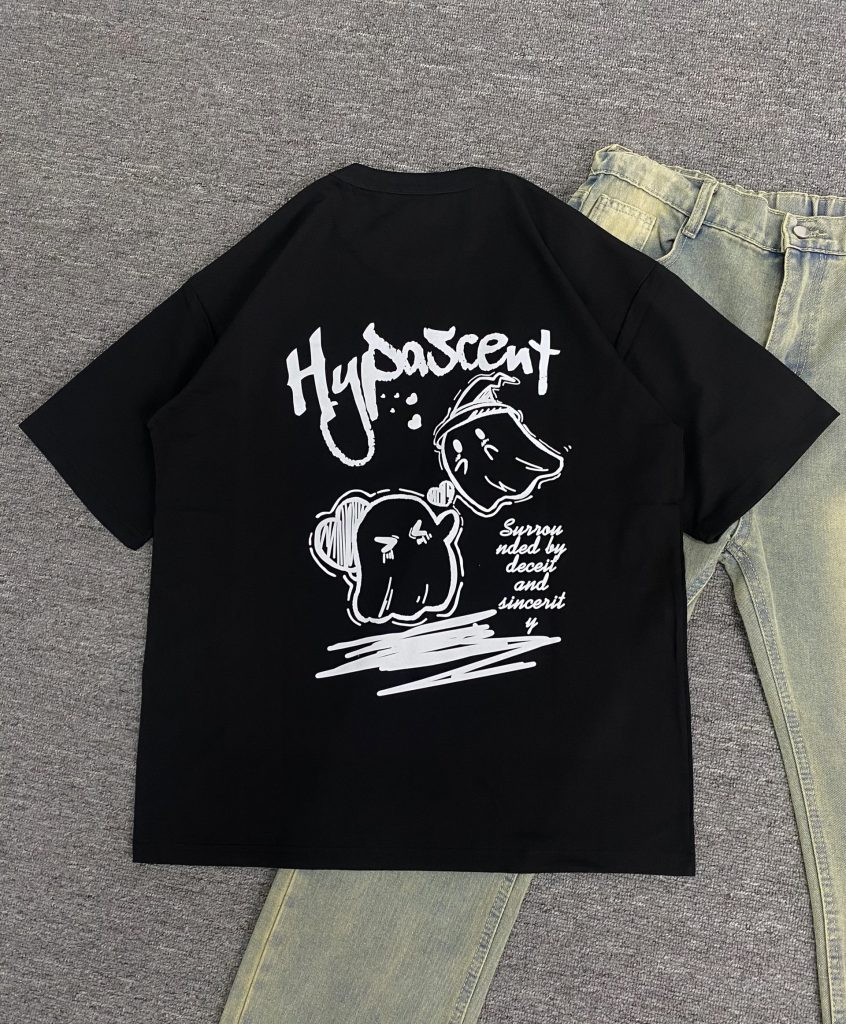
- T-shirts
- Hoodies
- Sweatshirts
- Joggers
🔹 Sportswear & Activewear
- Gym clothing
- Yoga wear
- Performance fabrics
🔹 Fashion Apparel
- Dresses
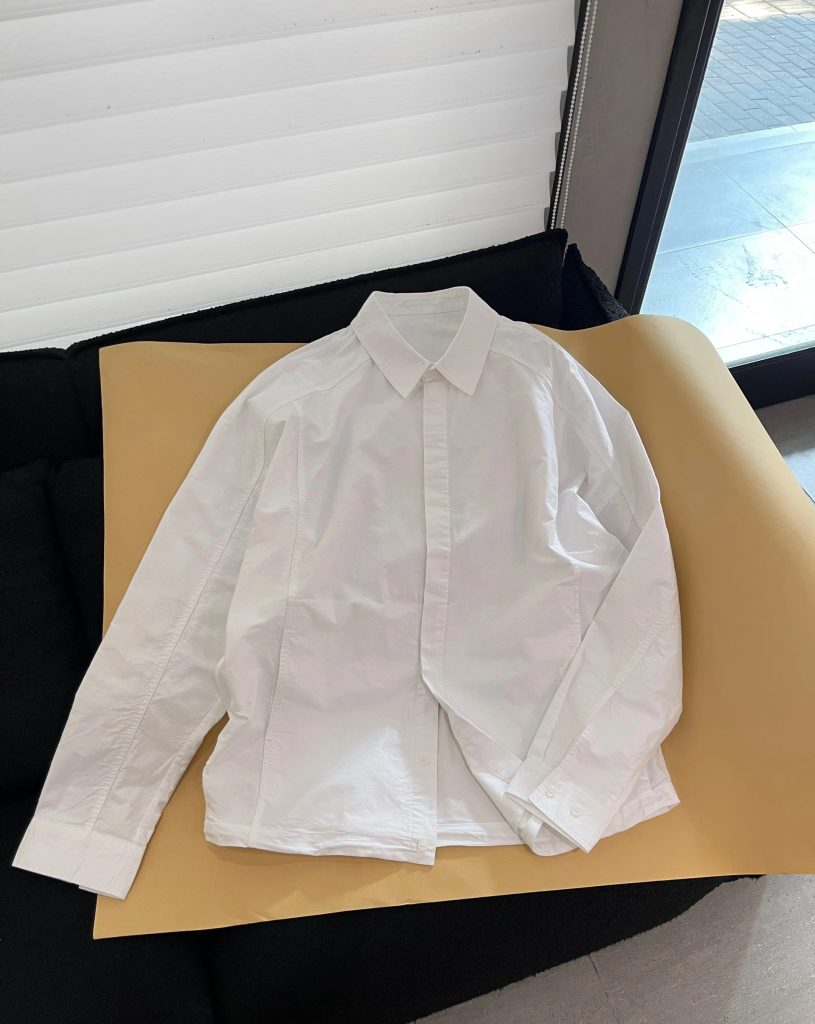
- Jackets
- Trend-based collections
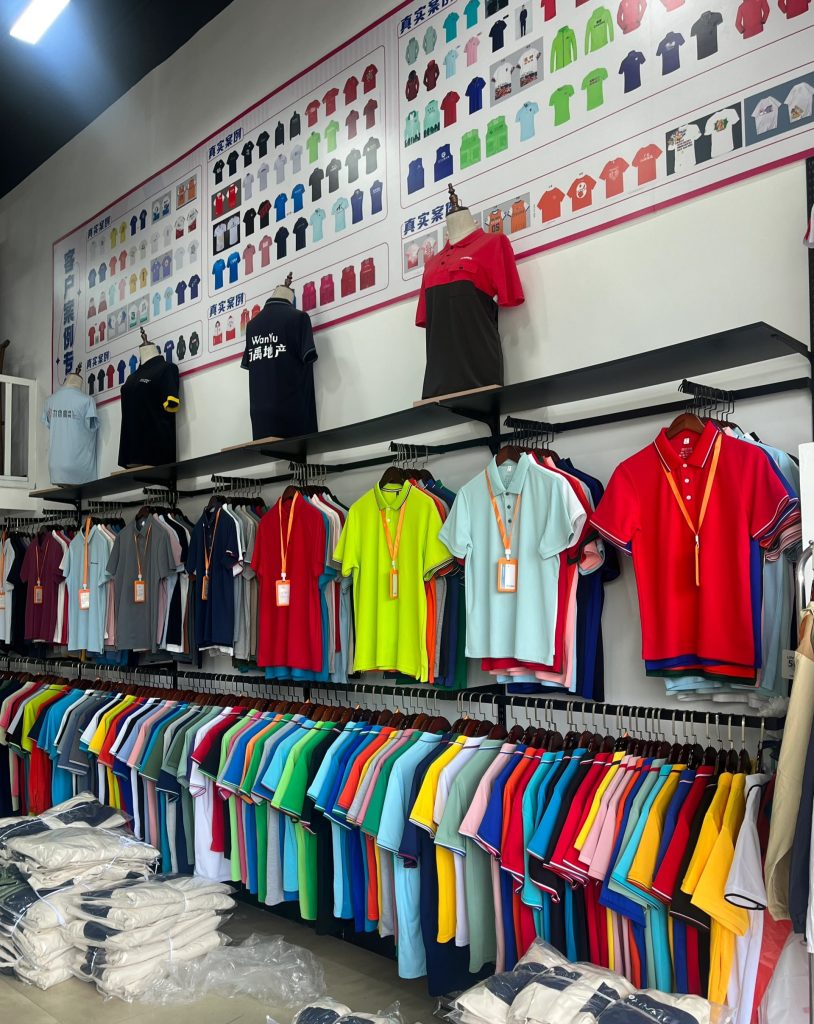
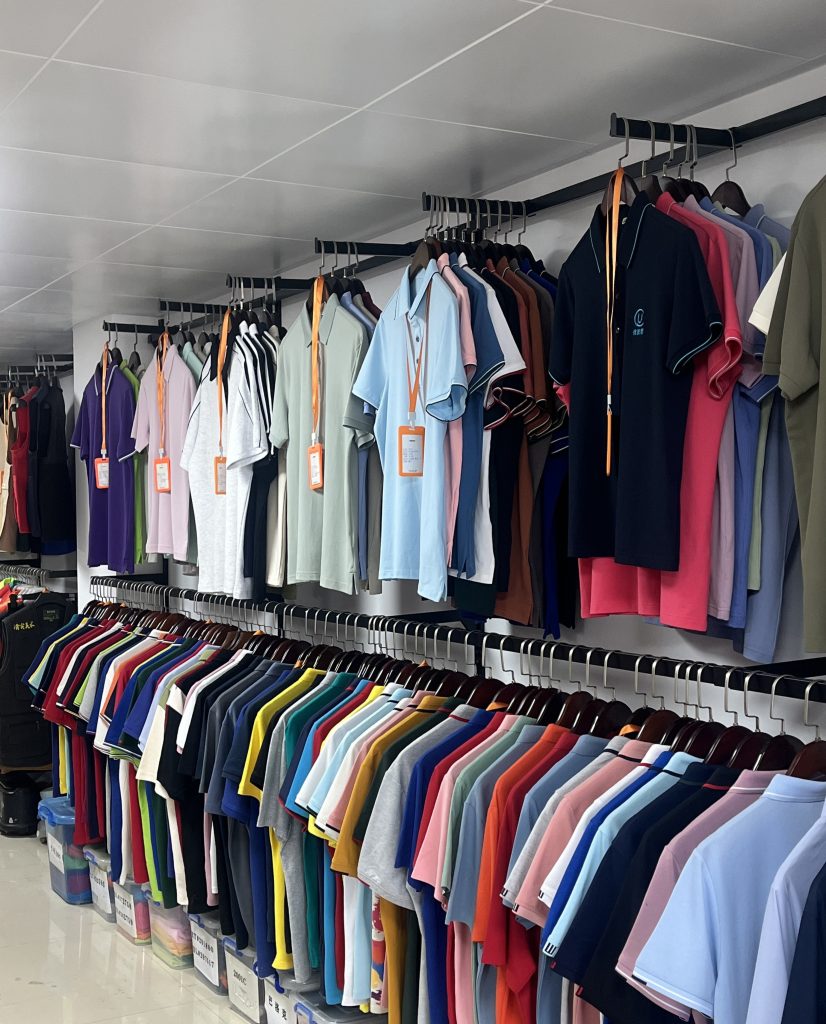
🔹 Workwear & Uniforms
- Corporate uniforms
- Industrial clothing
- Hospitality apparel
🔹 Kidswear
- Safe and soft materials
- Attractive designs
- High demand in retail markets
📈 How to Grow Your Apparel Business with the Right Supplier
1. 💰 Direct Factory Pricing
Working directly with a manufacturer helps you:
- Reduce sourcing costs
- Increase profit margins
- Gain better control over production
2. 📦 Flexible MOQ for Different Buyers
A good supplier supports:
- Low MOQ for startups
- Bulk discounts for large buyers
- Sample development services
3. 🚚 Efficient Logistics Support
Choose the right shipping strategy:
- Air freight for fast delivery
- Sea freight for bulk cost savings
- Consolidated shipments
4. 🛍️ Product Differentiation Strategy
Stand out in the market by:
- Offering unique designs
- Using premium fabrics
- Building strong branding
🧠 Understanding the Clothing Production Process
- Design development
- Fabric sourcing
- Pattern making
- Cutting
- Sewing
- Printing/embroidery
- Quality inspection
- Packaging
A transparent process ensures reliability and trust.
⚠️ Common Mistakes When Choosing a Supplier
❌ Choosing only based on price
❌ Ignoring fabric quality
❌ Skipping sample confirmation
❌ Poor communication
❌ No clear production agreement
Avoiding these mistakes protects your business.
🌍 Market Trends in the Apparel Industry
- Sustainable fashion is growing rapidly 🌱
- Custom branding is becoming standard
- Fast fashion requires quick production cycles
- E-commerce drives global demand
💼 Who Should Work with a Clothing Supplier?
- Fashion brand owners
- eCommerce sellers
- Wholesale distributors
- Retail chains
- Promotional product companies
💡 Pro Tips for First-Time Buyers
✔ Always request samples before bulk orders
✔ Confirm size charts and measurements
✔ Check fabric shrinkage and color fastness
✔ Communicate clearly about timelines
✔ Build long-term relationships
🧾 E-E-A-T: Why This Guide Is Trustworthy
Experience:
Based on real apparel manufacturing and export practices.
Expertise:
Deep knowledge of fabrics, production, and customization.
Authoritativeness:
Focused on B2B sourcing and brand building.
Trustworthiness:
Practical advice with no exaggerated claims.
📞 Strong Call-To-Action (CTA)
If you are searching for a professional clothing supplier for private label and bulk production, now is the perfect time to act.
👉 Send your inquiry today
👉 Get a fast quotation within 24 hours
👉 Request samples for quality testing
👉 Start building your clothing brand
Don’t wait—secure your supply chain and grow your fashion business now.
❓ FAQ – Frequently Asked Questions
Q1: What is the MOQ for clothing orders?
A: It typically ranges from 50–300 pieces depending on the product and customization.
Q2: Can I customize my own clothing designs?
A: Yes, most suppliers support OEM/ODM services including full design customization.
Q3: How long does production take?
A: Usually 10–25 days depending on order size and complexity.
Q4: What fabrics are best for clothing?
A: Cotton for comfort, polyester for durability, and blends for balanced performance.
Q5: Can I add my brand labels and packaging?
A: Yes, private label services are widely available.
🌟 Real Customer Reviews
👤 Username: StyleLaunchPro 🇺🇸
🖼️ Avatar: 👕
📦 Order No.: CL-2026041987
⭐ Rating: ★★★★★
“Excellent quality and fast production. The custom branding looks amazing!”
👤 Username: UrbanTrendEU 🇫🇷
🖼️ Avatar: 🧥
📦 Order No.: CL-2026035521
⭐ Rating: ★★★★☆
“Very professional supplier. Good communication and consistent quality.”
👤 Username: ActiveWearHub 🇦🇪
🖼️ Avatar: 🏋️
📦 Order No.: CL-2026040208
⭐ Rating: ★★★★★
“Great fabrics and perfect fit. Our customers love the products!”
🔚 Final Thoughts
A reliable clothing supplier is the backbone of a successful apparel business. Focus on quality, customization, and long-term cooperation to build a strong brand.
Take action now and create your competitive advantage in the fashion market.


No reply content