
👕 Build Your Own Clothing Brand with Professional Manufacturing
Private label clothing manufacturing allows businesses to create unique apparel products under their own brand name. Many global fashion brands, retailers, and online stores choose Chinese manufacturers because they provide custom garment development, scalable production capacity, strict quality control, and efficient export services.✔ Custom clothing production for private labels
✔ Flexible manufacturing for small and large orders
✔ Professional pattern development and sample production
✔ Reliable international apparel export supportIf you want to create a private label clothing brand, working with an experienced garment manufacturer in China can help you develop high-quality products, control manufacturing costs, and build a competitive fashion business.
👕 Introduction to Private Label Clothing Manufacturing
The modern fashion industry is increasingly driven by brand identity. Instead of selling generic clothing products, businesses now focus on creating private label apparel collections that represent their own style, brand message, and product positioning.
Private label clothing manufacturing allows companies to design garments that are produced exclusively for their brand. This approach is commonly used by:
🛍 Fashion retailers
📱 E-commerce clothing stores
👗 Independent designers
📦 Apparel wholesalers
🌍 International clothing distributors
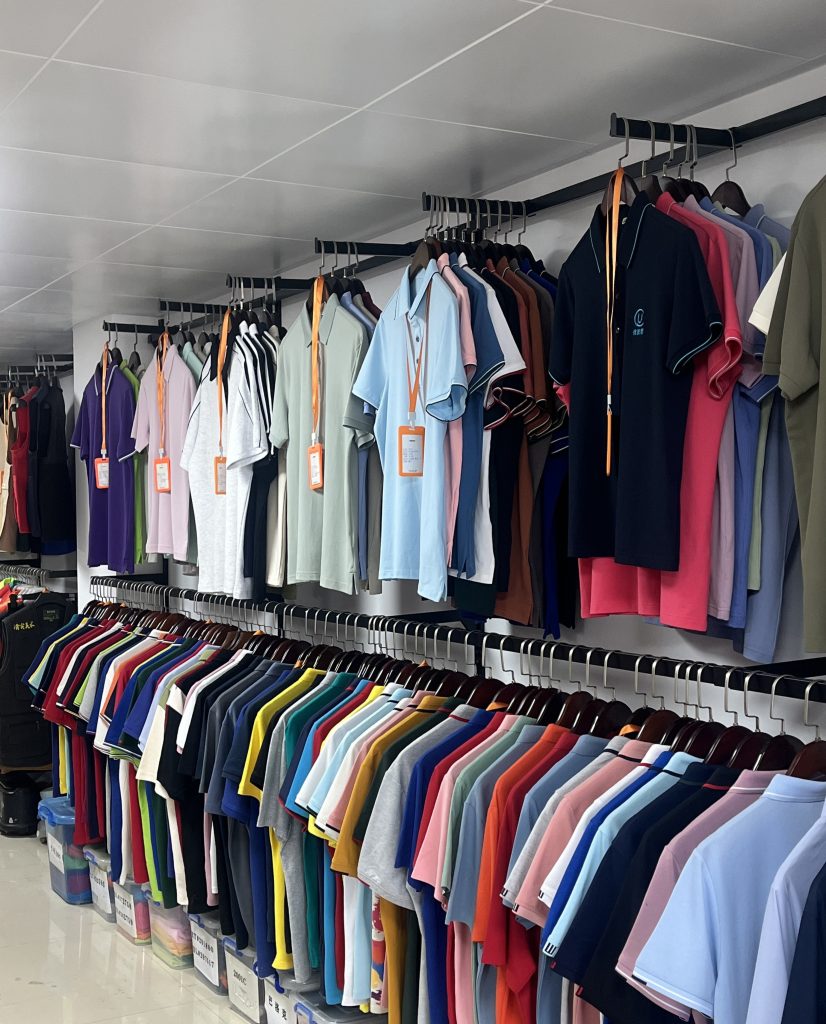
Chinese garment manufacturers play a major role in supporting these businesses by providing professional clothing production services, custom garment development, and flexible manufacturing solutions.
Through private label manufacturing, brands can create distinctive apparel products that stand out in competitive markets.
🌍 Why Many Clothing Brands Choose Manufacturing in China
China has developed one of the most advanced garment manufacturing industries in the world. This makes it an attractive destination for companies seeking private label clothing production.
🏭 Large Manufacturing Infrastructure
China has a vast network of garment factories capable of producing both small and large orders.
These factories can manufacture:
👕 Casual clothing collections
👗 Fashion brand garments
🏃 Sportswear and activewear
👔 Corporate uniforms
This scalability allows businesses to grow their clothing brands without worrying about production limitations.
🧵 Integrated Textile Supply Chain
China’s textile industry includes every stage of garment production.
The manufacturing ecosystem includes:
🧵 Fabric production
🎨 Dyeing and finishing
✂ Fabric cutting
🧵 Garment sewing and assembly
📦 Packaging and export preparation
This integrated supply chain improves production efficiency and reduces delays.
⚙ Advanced Manufacturing Equipment
Professional garment factories invest in modern equipment to maintain production quality.
Examples include:
⚙ Computerized cutting machines
🧵 High-precision sewing equipment
📐 Digital pattern development systems
These technologies help ensure accurate garment construction and consistent product quality.
🚢 Efficient Global Export Logistics
Chinese manufacturers regularly ship clothing products to international markets.
Their export services typically include:
📦 Export packaging preparation
📄 Shipping documentation
🚢 Logistics coordination
This experience ensures that clothing shipments reach buyers safely and efficiently.
🏭 Key Capabilities of Professional Private Label Clothing Manufacturers
Reliable manufacturers usually offer several services that help businesses develop successful clothing brands.
🎨 Garment Design and Development
Many manufacturers support buyers during the product development stage.
Development services may include:
📐 Creating garment patterns
👗 Developing product samples
🧵 Selecting fabrics and trims
These services help transform design concepts into manufacturable garments.
🧵 Flexible Fabric Options
Private label clothing can be produced using a wide range of materials depending on the product type.
Examples include:
🧵 Cotton fabrics
🧵 Polyester fabrics
🧵 Blended materials
🧵 Stretch performance fabrics
Choosing the right fabric helps ensure comfort, durability, and style.
🔍 Professional Quality Control Systems
Quality control is essential for maintaining the reputation of a clothing brand.
Manufacturers often conduct inspections during several production stages:
🔍 Raw material inspection
✂ Fabric cutting verification
🧵 Sewing quality inspection
📦 Final garment inspection
This process helps ensure consistent product quality.
📦 Custom Packaging and Branding
Private label clothing brands often require branded packaging.
Manufacturers may provide services such as:
🏷 Custom clothing labels
🎨 Printed or embroidered logos
📦 Branded garment packaging
These branding elements help build recognition for a clothing brand.
👗 Types of Private Label Clothing That Can Be Manufactured
Professional garment factories produce a wide range of clothing products.
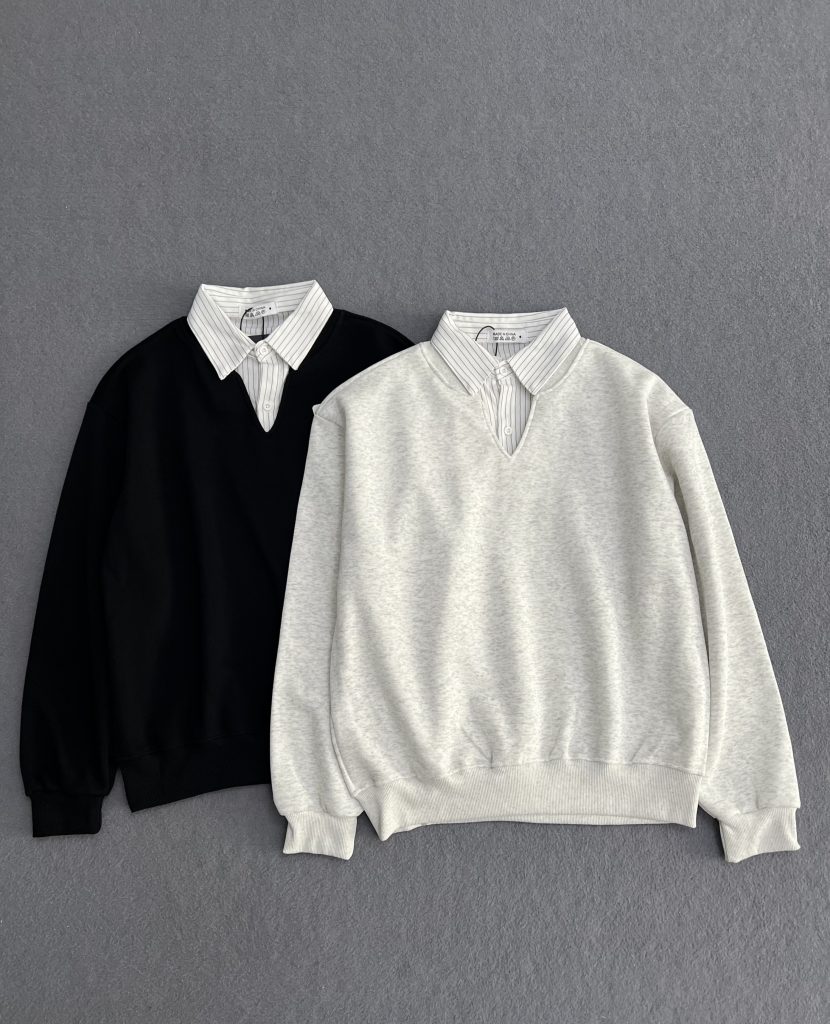
👕 Casual Clothing Collections
Casual apparel is one of the most common product categories for private label brands.
Examples include:
👕 T-shirts
👖 Jeans
🩳 Shorts
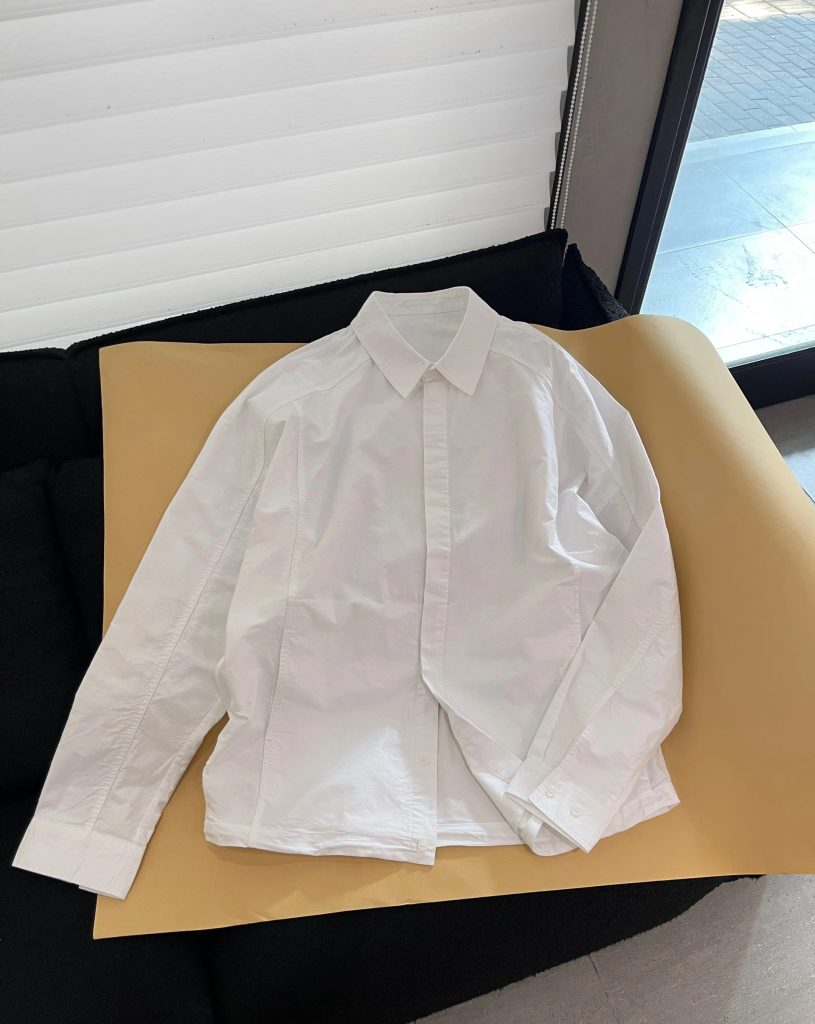
👔 Casual shirts
These products are widely sold by fashion retailers and online clothing stores.
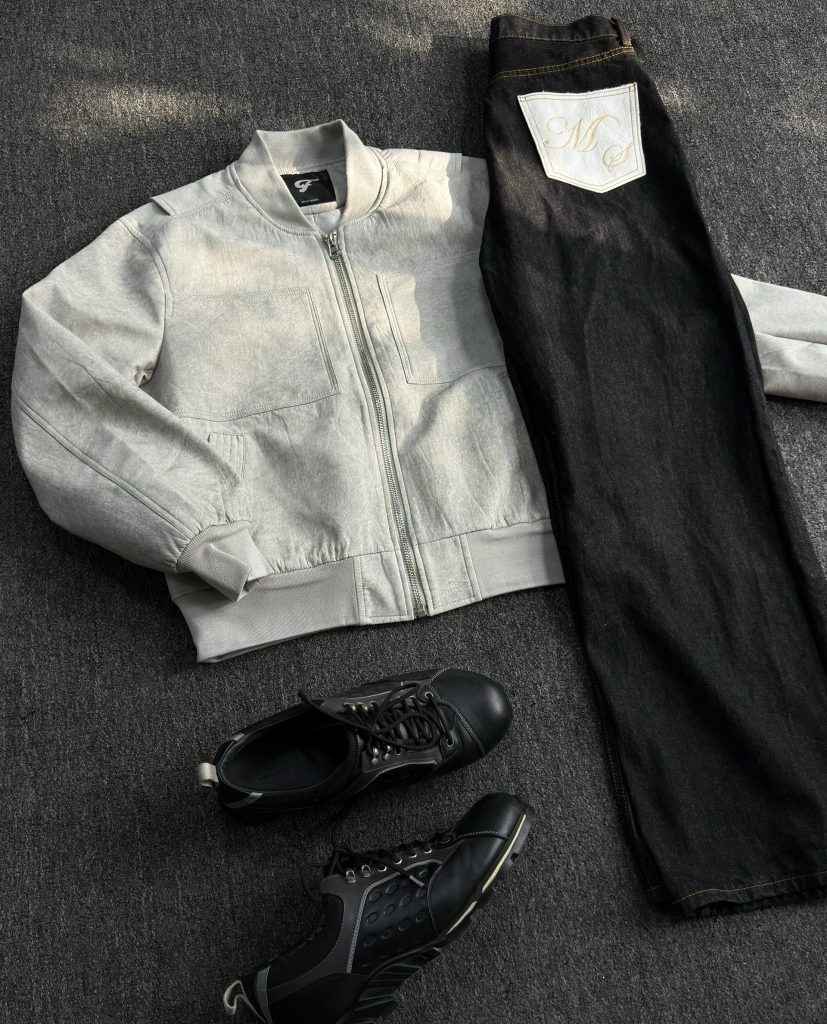
👗 Fashion Apparel Production
Fashion brands frequently develop seasonal clothing collections.
Typical products include:
👗 Dresses
👚 Blouses
🧥 Jackets
👖 Fashion trousers
Fashion garments emphasize creative design and unique styling.
🏃 Activewear and Sportswear
Sportswear has become a rapidly growing clothing category.
Examples include:
🏃 Running apparel
🧘 Yoga clothing
🚴 Cycling wear
🏋 Fitness garments
These garments require flexible fabrics and durable construction.
👶 Children’s Clothing
Children’s garments require special attention to comfort and durability.
Examples include:
👶 Baby clothing
🧒 Kids T-shirts
👗 Children’s dresses
🩳 Kids shorts
Soft fabrics and reinforced stitching are often used for these products.
👔 Uniforms and Corporate Apparel
Many organizations order customized uniforms for employees.
Examples include:
👔 Corporate uniforms
🏥 Medical clothing
🏭 Industrial workwear
🏫 School uniforms
Uniform production focuses on durability and practicality.
🧵 Private Label Customization Options
Private label clothing manufacturing allows businesses to customize multiple aspects of a garment.
Common customization options include:
🏷 Custom brand labels
🎨 Logo printing
🧵 Embroidery branding
📦 Branded packaging
These options allow businesses to create unique clothing products under their own brand identity.
⚙ Step-by-Step Private Label Clothing Production Process
Understanding the production process helps brands manage manufacturing efficiently.
1️⃣ Product Planning and Design
The process begins with defining product specifications.
Important details include:
📐 Clothing design
🧵 Fabric selection
📏 Size charts
📦 Packaging requirements
Clear specifications help ensure accurate production.
2️⃣ Sample Production
Manufacturers create samples before starting bulk production.
Samples allow buyers to verify:
🔍 Fabric quality
📏 Garment measurements
🧵 Stitching quality
Sample approval confirms that the design meets expectations.
3️⃣ Fabric Cutting
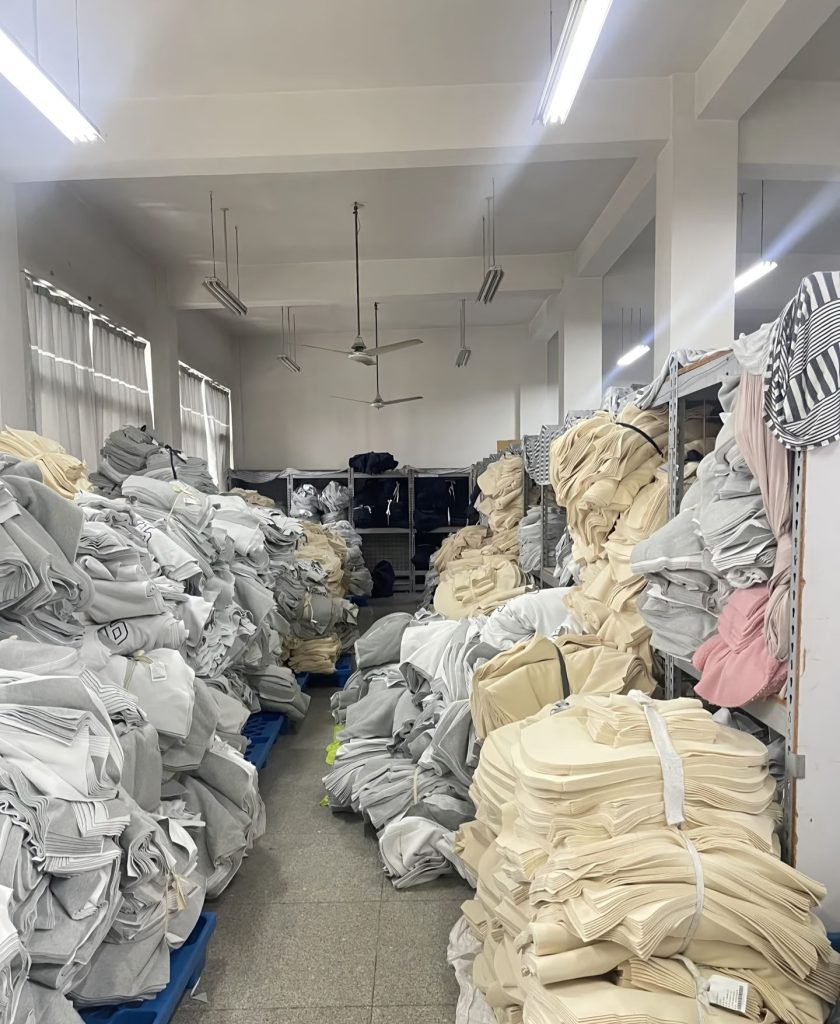
Fabric is cut according to approved garment patterns.
Benefits include:
✂ Accurate sizing
📏 Consistent garment dimensions
⚙ Efficient fabric utilization
4️⃣ Garment Sewing and Assembly
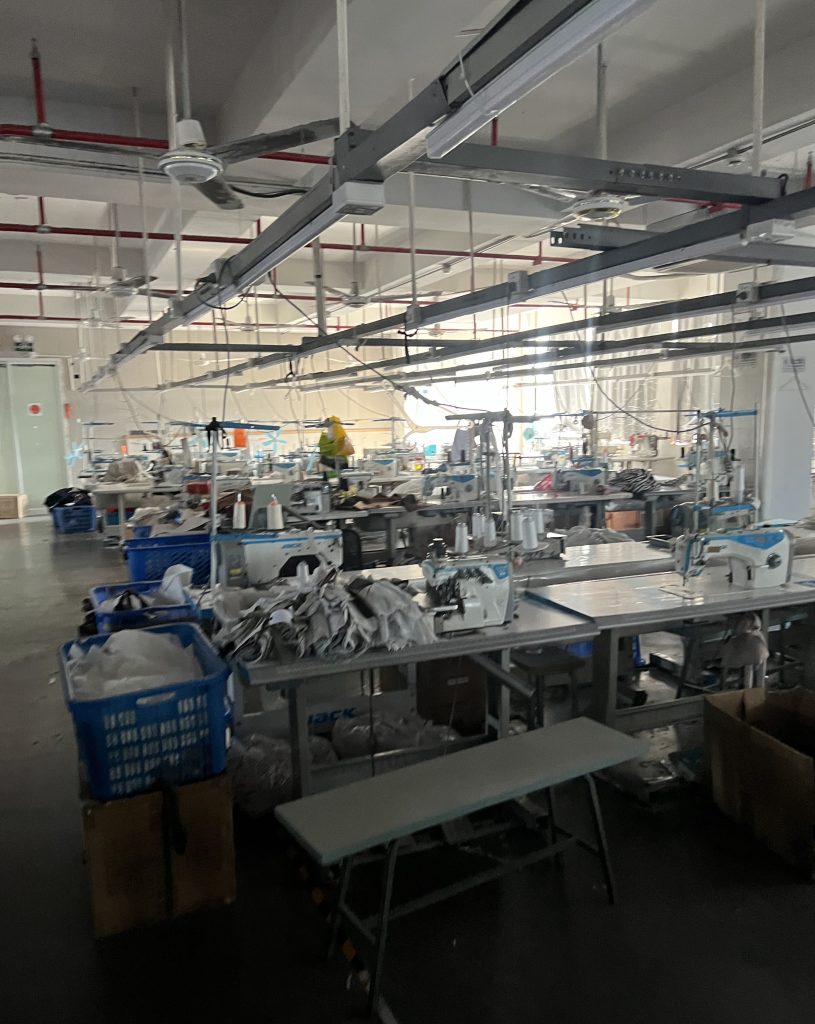
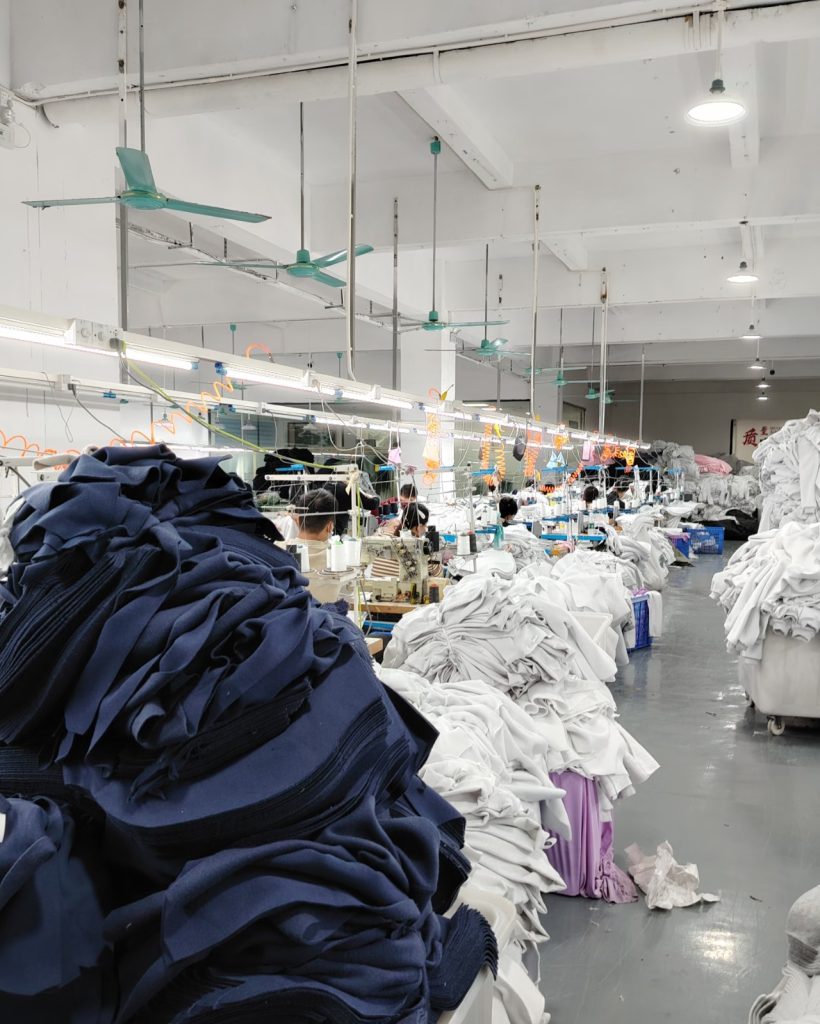
Garment pieces are assembled on sewing production lines.
Production steps may include:
🧵 Sewing
🎨 Printing
🪡 Embroidery
These steps create the finished clothing products.
5️⃣ Quality Inspection
Before packaging, garments undergo inspection.
Inspection procedures include:
🔍 Visual quality checks
📏 Measurement verification
🧵 Stitching durability evaluation
These checks ensure garments meet required standards.
6️⃣ Packaging and Export Preparation
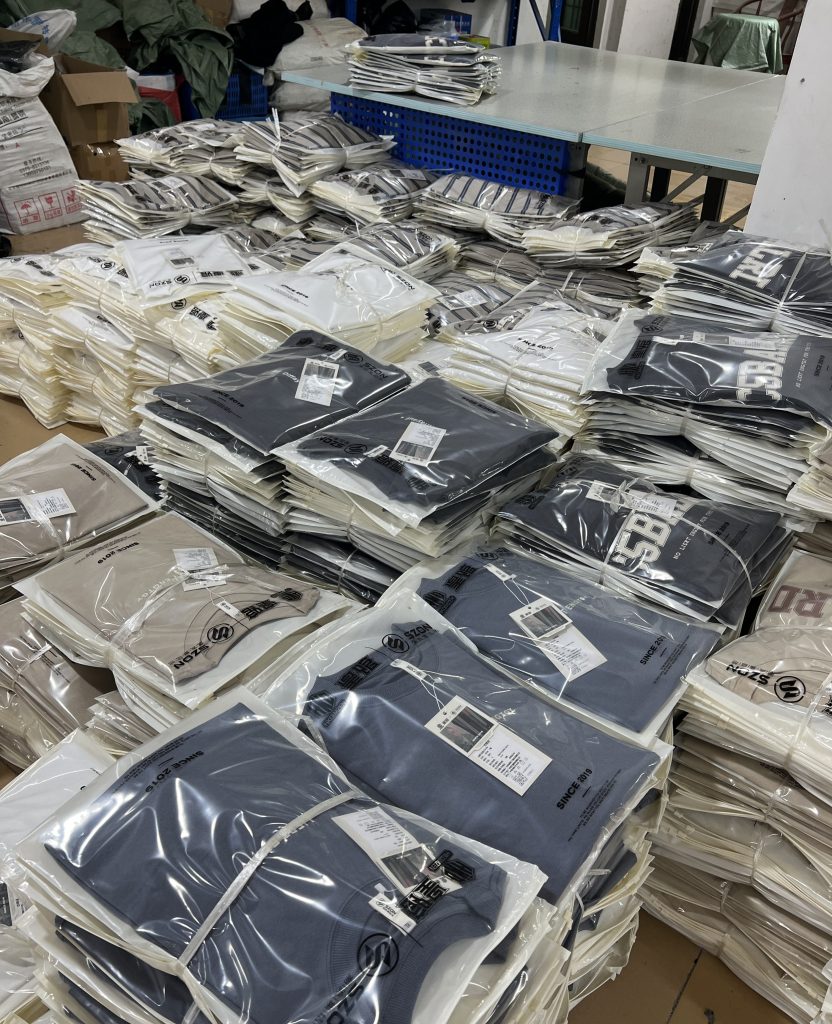
After inspection, garments are prepared for international shipment.
Packaging methods may include:
📦 Poly bags
📦 Branded packaging boxes
📦 Export cartons
Products are then shipped to global buyers.
💼 How to Choose the Right Private Label Clothing Manufacturer
Choosing a reliable manufacturer is critical for long-term business success.
Buyers should evaluate manufacturers based on several factors:
✔ Production experience
✔ Manufacturing capacity
✔ Quality control procedures
✔ Customization capability
✔ Communication and service quality
Reliable partners help ensure stable product quality and timely delivery.
📈 Businesses That Benefit from Private Label Clothing Manufacturing
Private label garment production supports many types of businesses.
Examples include:
🛍 Retail fashion stores
📱 Online clothing brands
👗 Independent fashion designers
📦 Apparel wholesalers
🌍 Global clothing distributors
These businesses use private label manufacturing to create exclusive clothing products and build recognizable brands.
🚀 Advantages of Private Label Clothing Production in China
Partnering with an experienced garment manufacturer provides many advantages.
🏭 Large-scale production capability
🧵 Skilled garment workers
🎨 Flexible customization services
📦 Professional packaging solutions
🌍 Reliable export logistics
These advantages help clothing brands grow efficiently and maintain stable supply chains.
❓ FAQ – Private Label Clothing Manufacturing
1. What is private label clothing manufacturing?
Private label clothing manufacturing allows businesses to produce garments under their own brand name using customized designs and specifications.
2. Can manufacturers produce clothing based on my design?
Yes. Manufacturers can produce garments based on buyer-provided designs, size charts, and material specifications.
3. What types of clothing can be produced?
Factories can manufacture many types of garments including casual apparel, fashion clothing, sportswear, children’s garments, and uniforms.
4. How long does clothing production usually take?
Typical production timelines include:
⏱ Sample production: 7–14 days
⏱ Mass production: 25–45 days depending on order size.
5. Can small clothing brands start private label production?
Yes. Many manufacturers cooperate with startup fashion brands and small clothing businesses.
6. Do manufacturers support international shipping?
Yes. Most clothing manufacturers provide export packaging services and international shipping support.
📩 Start Your Private Label Clothing Manufacturing Project
Private label clothing manufacturing provides businesses with the opportunity to build unique fashion brands and customized apparel collections.
By working with an experienced clothing manufacturer in China, companies can access professional garment development, reliable production capacity, and efficient global export services.
👉 Contact us today to discuss your clothing design ideas, request garment samples, and receive a professional quotation for your private label apparel manufacturing project.


No reply content