
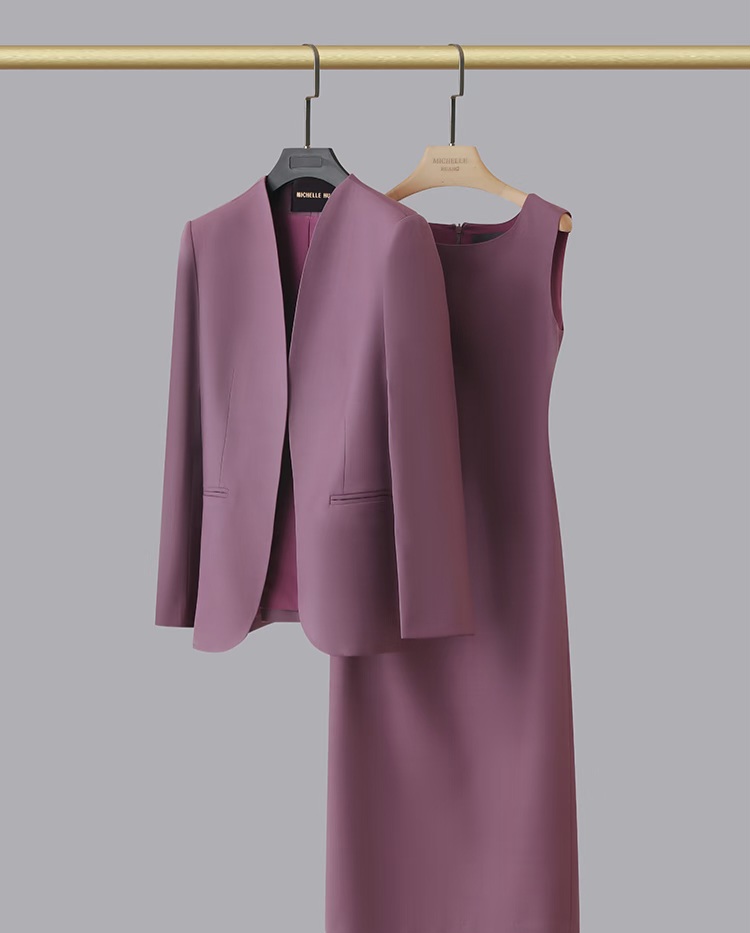
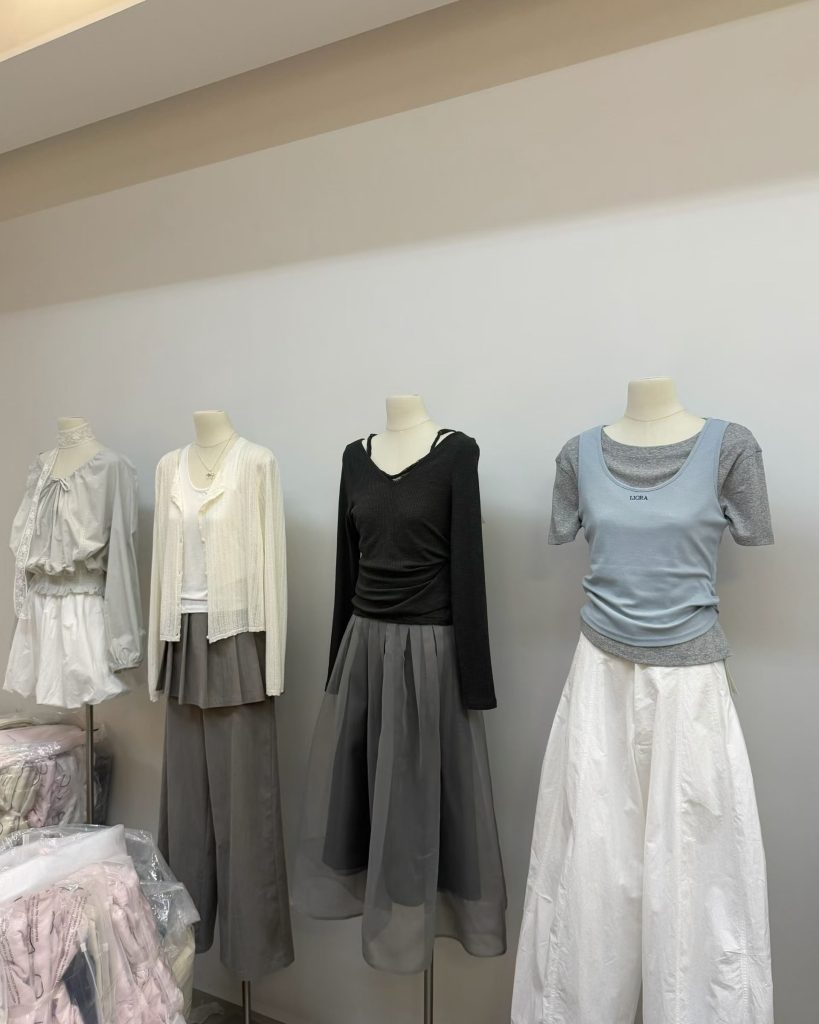
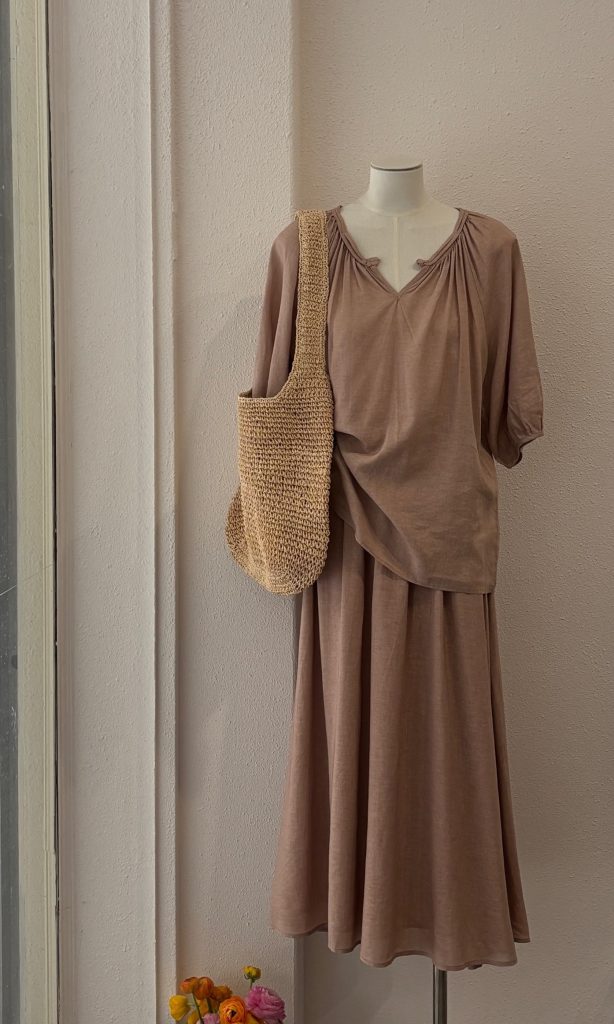
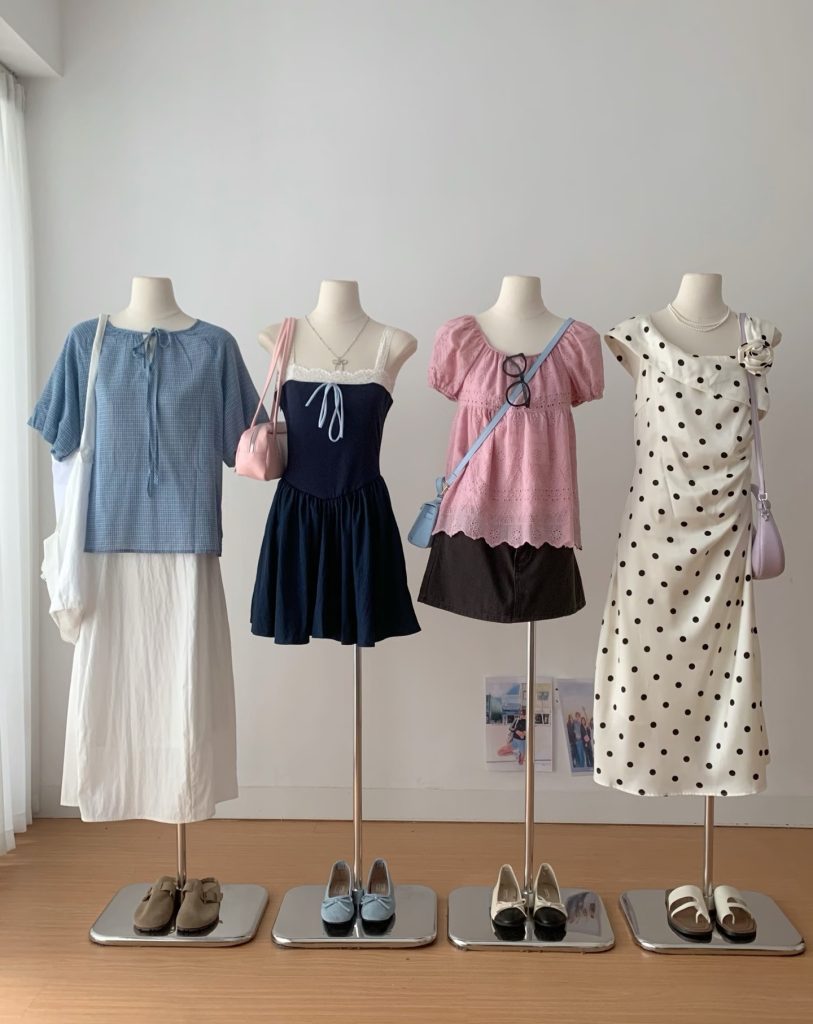
📦 Private Label Clothing Manufacturing for Growing Fashion Businesses
Building a successful clothing brand requires more than attractive designs. Brands need reliable garment manufacturing, flexible customization, and consistent product quality. Private label clothing manufacturing allows businesses to create unique apparel collections with their own labels, styles, and brand identity.👕 Custom apparel design and development
🧵 Bulk garment manufacturing services
🏷 Private label branding and labeling
📦 Wholesale clothing production solutions
🌍 Global apparel production capabilityFor startups, retailers, and clothing distributors, partnering with a professional clothing manufacturer makes it possible to transform design ideas into high-quality apparel products ready for the global market.
👕 Why Private Label Clothing Manufacturing Is Growing Rapidly
In recent years, the global fashion industry has experienced major changes. Instead of selling generic products, many businesses now prefer to launch their own clothing brands.
Private label clothing manufacturing makes this possible.
With this model, companies can develop garments that reflect their own brand image while maintaining control over product quality and pricing.
Key advantages include:
📈 stronger brand identity
🏷 unique product designs
📦 scalable production
👕 custom garment specifications
🌍 global sales opportunities
For online stores, fashion startups, and clothing retailers, private label apparel production provides a practical path to building a recognizable clothing brand.
🧥 What Is Private Label Clothing Production?
Private label clothing production refers to the process of manufacturing garments that carry the buyer’s own brand name rather than the manufacturer’s brand.
This allows businesses to sell clothing products under their own identity.
Private label clothing typically includes:
👕 custom clothing designs
🏷 brand labels and tags
📦 customized packaging
🧵 specific fabric choices
📏 unique garment measurements
Through this approach, clothing brands can maintain full control over product presentation and market positioning.
👚 Popular Apparel Products in Private Label Clothing
Private label clothing manufacturing supports many types of garments. Fashion brands can create complete collections tailored to their target audience.
👕 Custom T-Shirts
T-shirts remain one of the most widely produced clothing products.
They are popular because they are versatile, comfortable, and easy to customize.
Common customization options include:
🎨 printed graphics
🏷 woven labels
🧵 embroidery logos
📏 custom sizing
Custom t-shirts are widely used in fashion collections, promotional clothing, and online apparel stores.
🧥 Hoodies and Sweatshirts
Hoodies and sweatshirts are key items in casual fashion.
These garments are valued for comfort and style, making them popular among modern clothing brands.
Typical hoodie features include:
🧵 thick cotton fabrics
👕 oversized streetwear styles
🏷 embroidered logos
🧥 adjustable hood designs
Because of their popularity, hoodies are frequently included in private label clothing collections.
👖 Casual Pants and Sportswear
Bottom wear is an essential part of apparel manufacturing.
Custom pants and sportswear products often include:
👖 casual trousers
🏃 athletic joggers
🩳 summer shorts
👖 relaxed streetwear pants
Comfort, durability, and style are the primary design considerations for these garments.
👗 Fashion Dresses and Boutique Apparel
Fashion brands often focus on dresses to showcase creative design.
These garments allow designers to experiment with shapes, fabrics, and textures.
Examples include:
👗 summer dresses
👗 casual fashion dresses
👗 boutique clothing styles
👗 statement fashion pieces
Private label manufacturing allows fashion brands to produce unique dress collections tailored to specific markets.
✂ The Complete Clothing Manufacturing Process
Producing garments requires a structured manufacturing workflow. Each stage ensures consistency, quality, and efficient production.
✏ Clothing Design and Product Development
Every garment begins with a design idea.
Design teams usually create:
🎨 clothing sketches
📐 technical drawings
🧵 fabric recommendations
📏 size specifications
These elements guide the manufacturing team during the production process.
🧵 Fabric Selection and Textile Preparation
Fabric selection determines how a garment feels, looks, and performs.
Common fabric considerations include:
🌿 breathability
🧶 softness
🧵 durability
🌱 lightweight structure
Choosing the right materials ensures the garment meets both comfort and style expectations.
📐 Pattern Making and Sample Production
Before large-scale production begins, patterns are created to define the garment’s structure.
Pattern making helps ensure:
📏 accurate sizing
👕 consistent garment fit
🧵 efficient cutting of fabrics
Manufacturers usually produce a sample garment for approval before moving to mass production.
🪡 Garment Sewing and Assembly
After fabric cutting, garment pieces are assembled using professional sewing equipment.
This stage includes:
🧵 stitching panels together
👕 attaching sleeves and collars
🏷 installing labels and tags
🪡 reinforcing seams
Precision sewing ensures the final garment meets durability and appearance standards.
🔍 Quality Inspection and Testing
Quality control plays a critical role in clothing manufacturing.
Inspection teams check:
✔ garment measurements
✔ stitching strength
✔ fabric condition
✔ overall appearance
Consistent quality inspection protects the brand’s reputation and ensures customer satisfaction.
📦 Packaging and Product Preparation
Once garments pass quality inspection, they are prepared for packaging and shipment.
Typical packaging solutions include:
📦 folded garment packaging
🏷 branded labels and tags
📦 protective cartons for shipping
Professional packaging helps clothing products arrive safely and enhances brand presentation.
🏷 Key Advantages of Private Label Clothing Production
Private label clothing manufacturing offers many strategic benefits for apparel businesses.
🎨 Unique Product Identity
Private label clothing allows brands to create garments that stand out in the market.
Unique designs, fabrics, and labels help establish a recognizable brand style.
📈 Scalable Manufacturing
Clothing production can be scaled depending on demand.
Brands can start with small batches and gradually expand production as their market grows.
💰 Competitive Production Costs
Bulk garment manufacturing lowers the cost per unit, allowing brands to maintain healthy profit margins while offering competitive pricing.
🌍 Opportunities in the Global Apparel Market
The growth of online retail has created significant opportunities for clothing brands.
Today, fashion products can reach customers worldwide through digital platforms and distribution networks.
Important opportunities include:
🌍 global online clothing stores
🛍 fashion retail boutiques
📦 wholesale apparel distribution
👕 niche fashion markets
Brands that combine creative design with reliable clothing manufacturing can expand into international markets.
🌱 The Importance of Sustainable Clothing Production
Sustainability has become an important focus in the apparel industry.
Responsible clothing manufacturing often includes:
♻ efficient material usage
🌱 environmentally friendly fabrics
📦 recyclable packaging
🧵 durable garment construction
These practices help reduce environmental impact while maintaining high-quality apparel production.
📩 How to Choose a Reliable Clothing Manufacturer
Choosing the right manufacturing partner is critical for clothing brands.
Important factors include:
🧵 production experience
📦 manufacturing capacity
🔍 quality control standards
🏷 customization capabilities
📈 ability to scale production
A professional clothing manufacturer ensures consistent quality and reliable supply.
👕 Building a Long-Term Apparel Business
Launching a clothing brand requires creativity, strategic planning, and reliable manufacturing.
Companies that focus on high-quality garments and strong brand identity can build successful apparel businesses.
Key elements of long-term success include:
👕 innovative clothing design
🧵 professional manufacturing
🏷 strong brand presentation
🌍 expansion into international markets
With the right production strategy, clothing brands can develop sustainable growth in the competitive fashion industry.
❓ FAQ – Private Label Clothing Manufacturing
1. What is private label clothing manufacturing?
Private label clothing manufacturing is the process of producing garments that carry the buyer’s brand name instead of the manufacturer’s brand.
2. What clothing products can be produced with private labeling?
Private label production can include t-shirts, hoodies, pants, dresses, sportswear, and other fashion garments.
3. Why do fashion brands choose private label clothing production?
Private label manufacturing allows brands to create unique apparel, control product quality, and build a recognizable brand identity.
4. How long does clothing production usually take?
Production time depends on garment complexity, order quantity, and material preparation.
5. Can small fashion brands use private label manufacturing?
Yes. Private label clothing production allows small businesses and startups to launch clothing collections without owning a factory.
6. What should businesses consider when selecting a clothing manufacturer?
Businesses should evaluate manufacturing experience, production capacity, quality control systems, and customization capabilities.


No reply content