
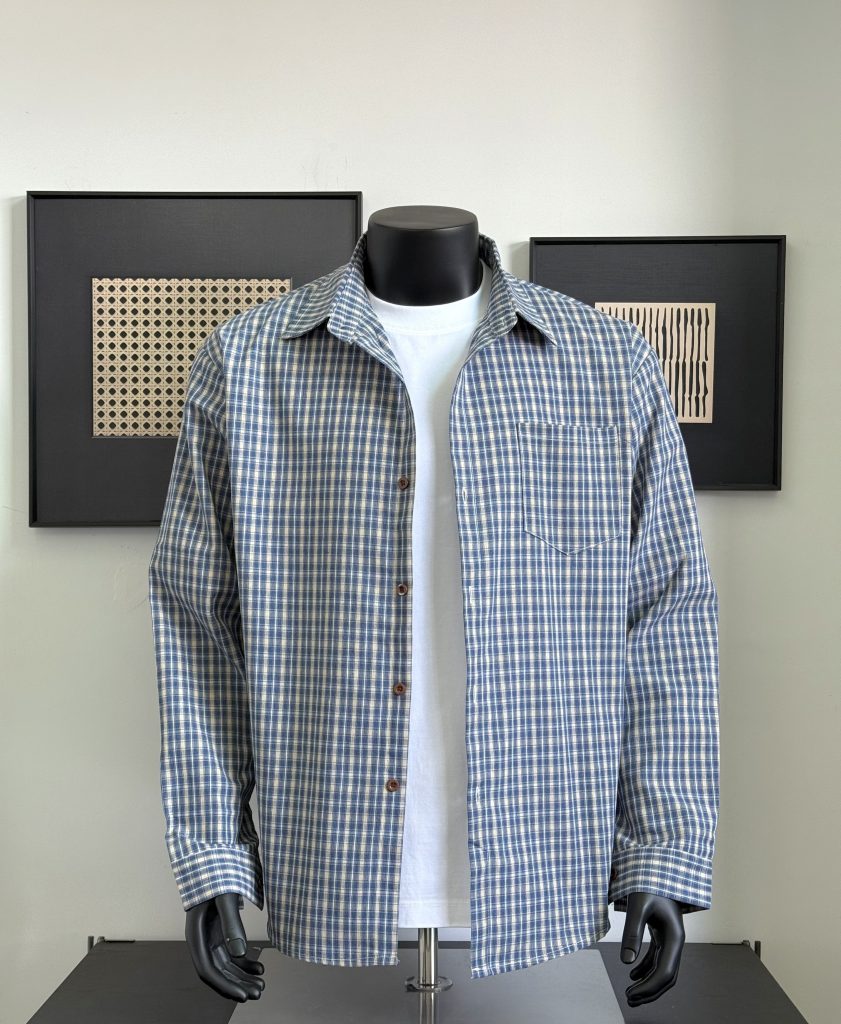
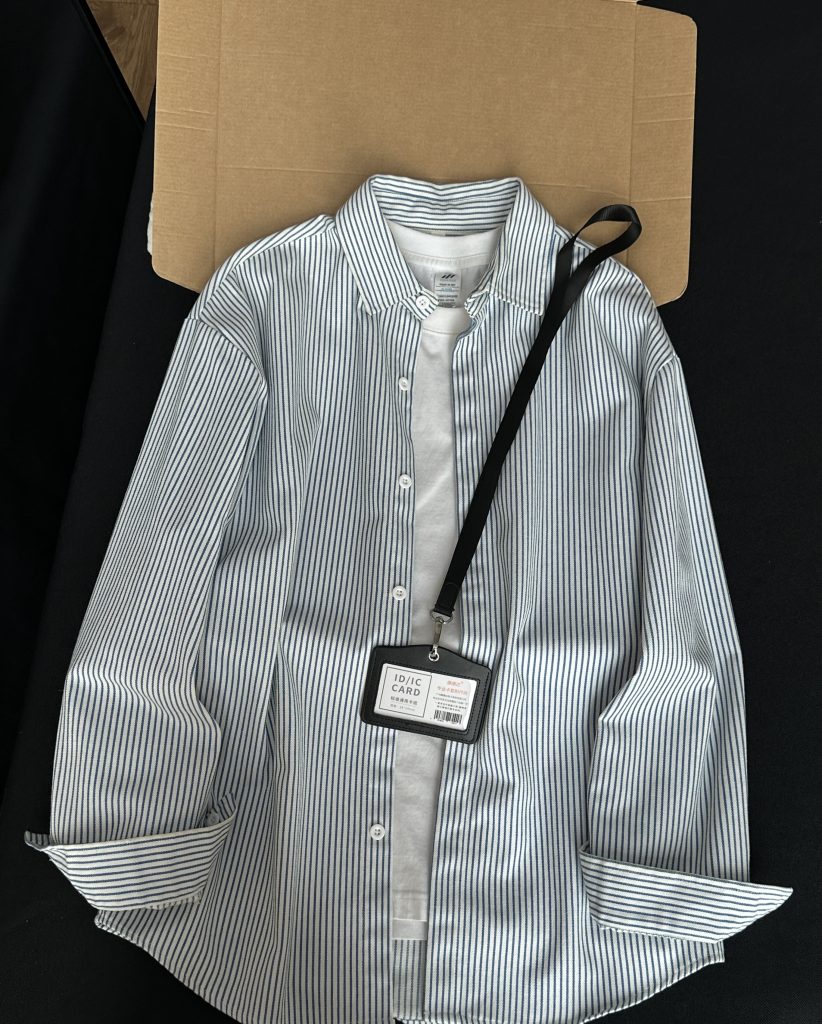
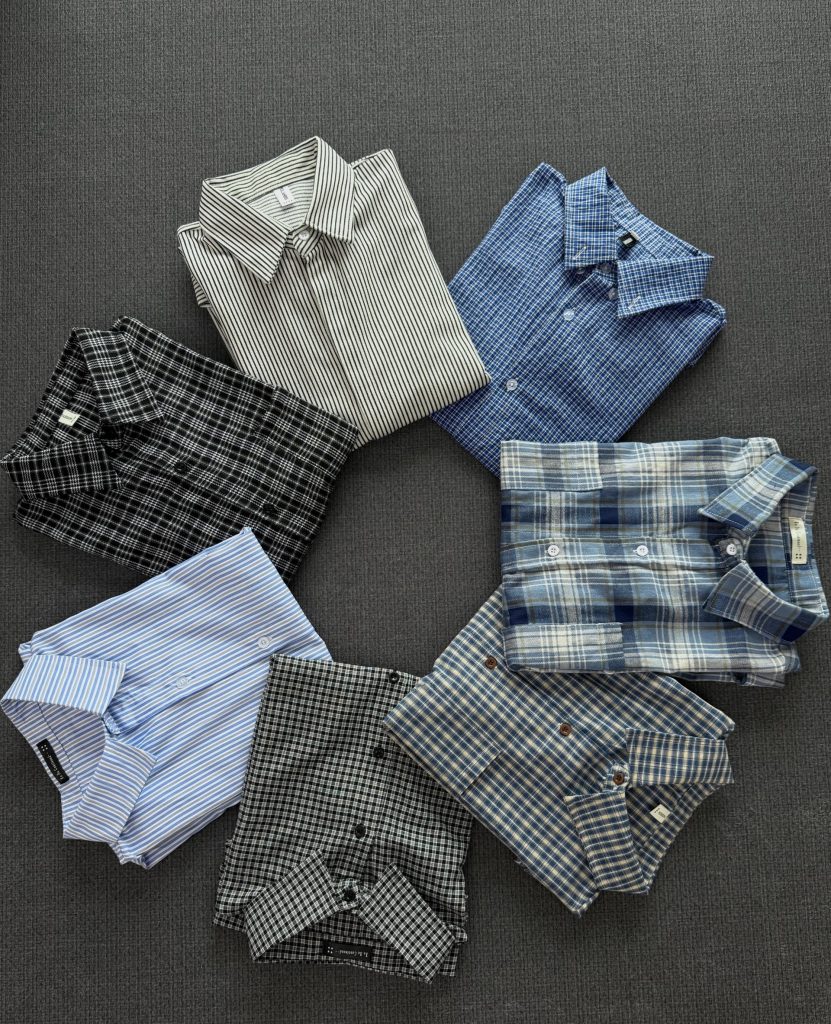
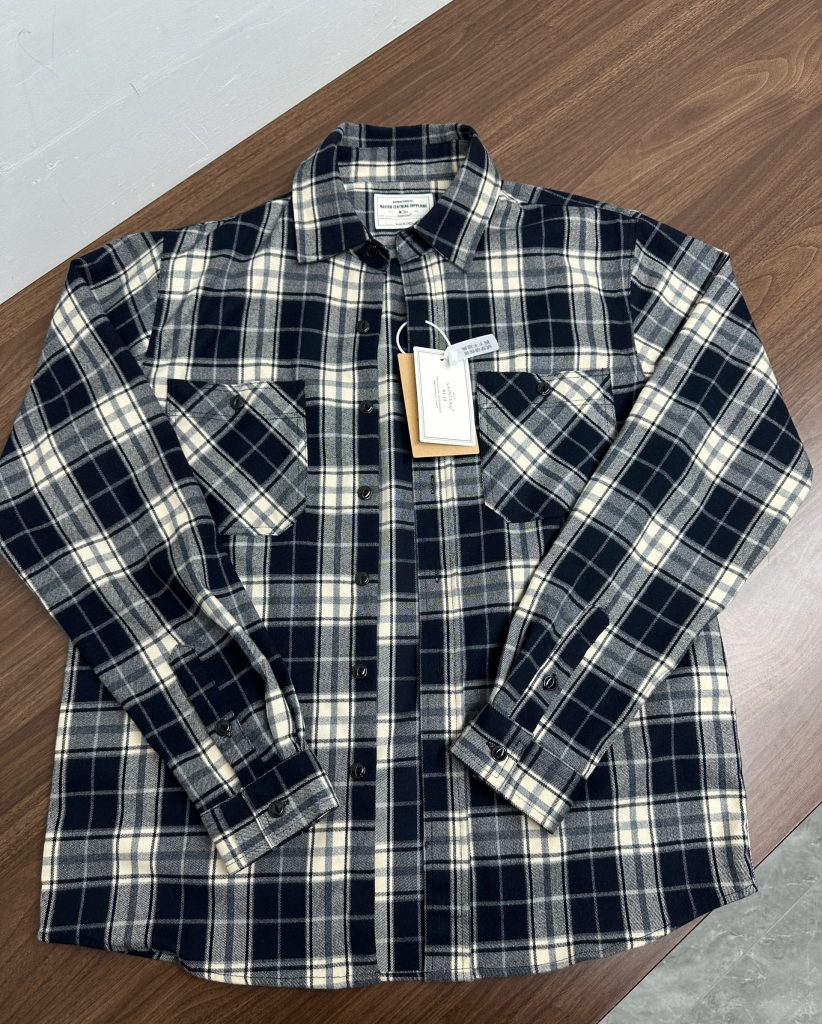
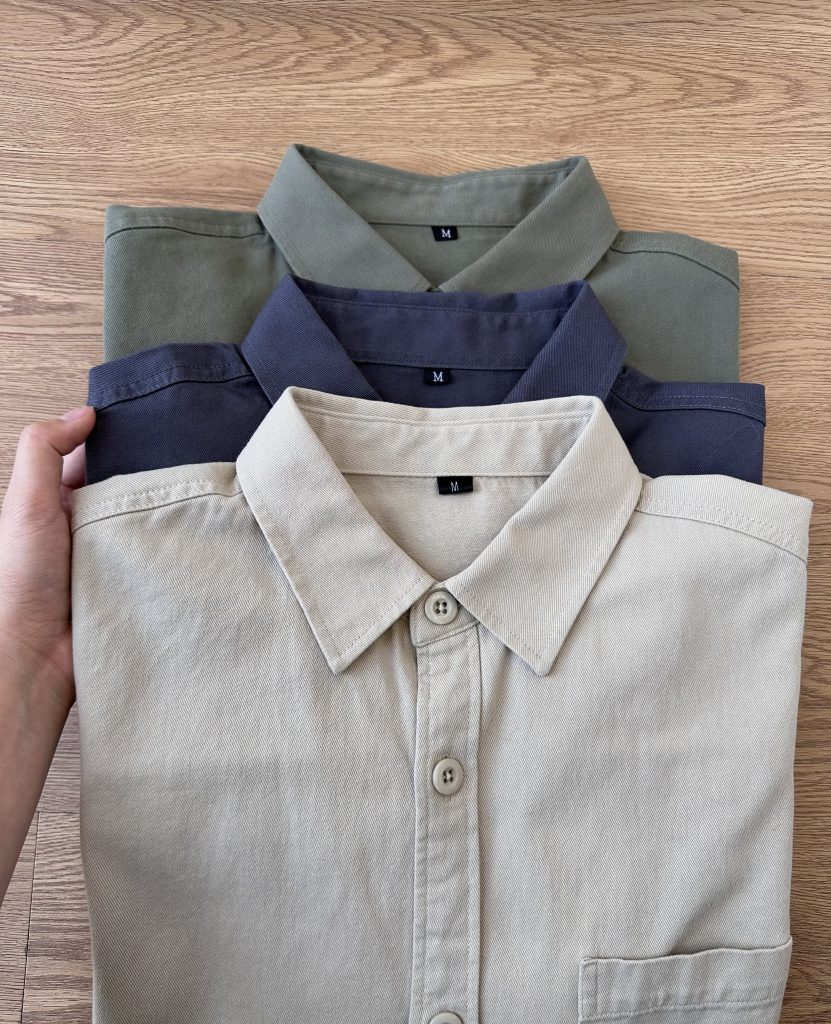
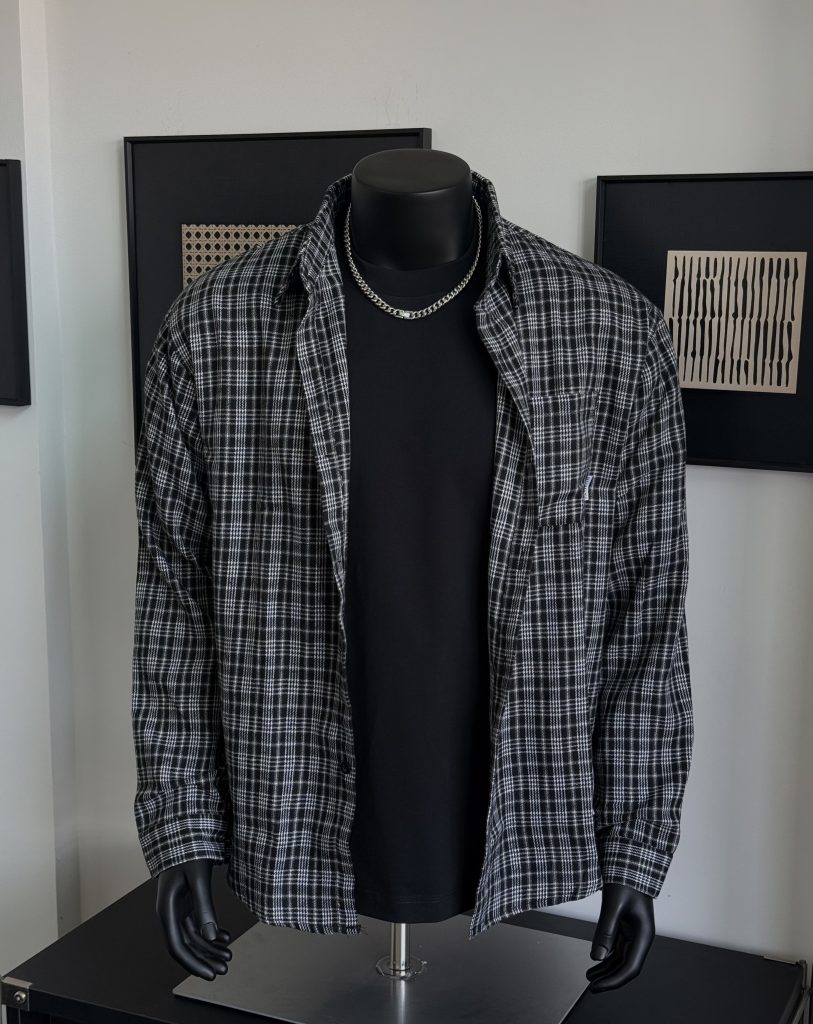
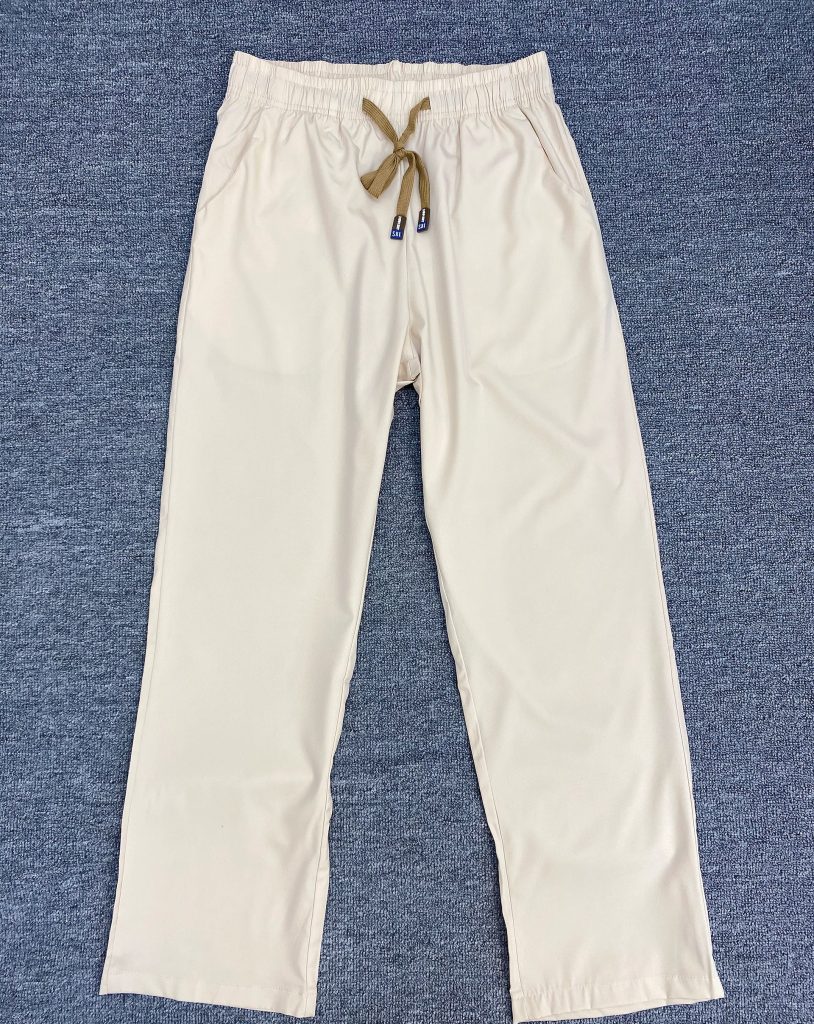
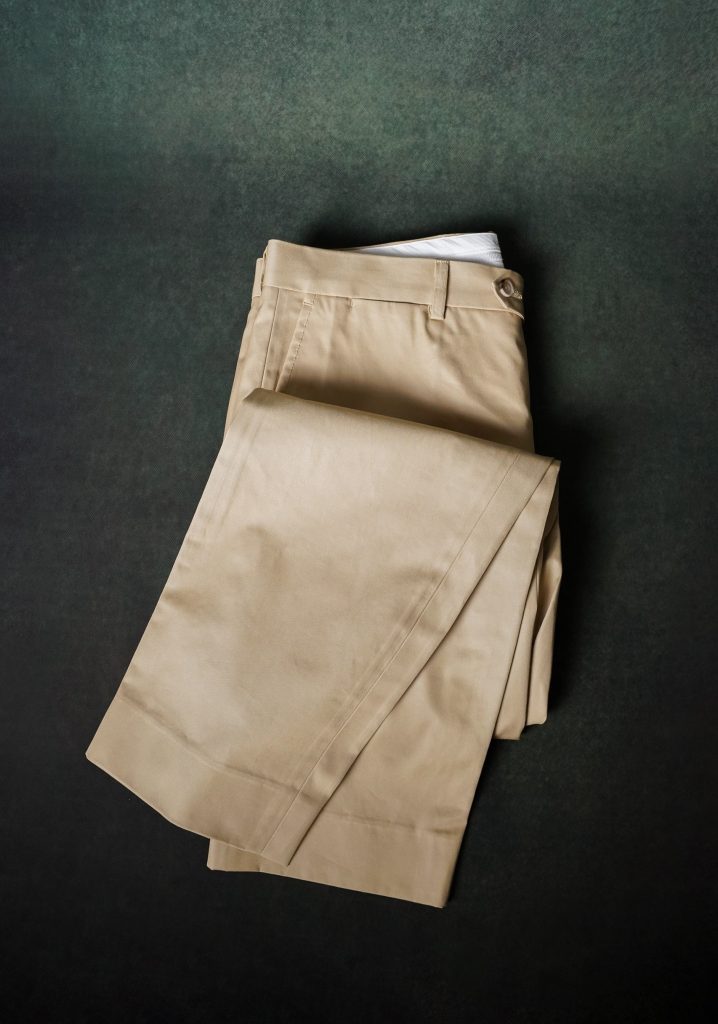
📦 Professional Private Label Apparel Production Solutions
Building a successful clothing brand requires reliable manufacturing, flexible customization, and consistent product quality. Private label clothing manufacturing allows fashion brands, retailers, and distributors to create unique apparel collections under their own brand identity.👕 Custom clothing design and development
🧵 Professional garment manufacturing
🏷 Private label branding solutions
📦 Bulk clothing production for global markets
🌍 Scalable supply for fashion businessesA well-organized clothing manufacturing system helps fashion companies launch products faster, maintain stable quality, and grow in highly competitive apparel markets.
👕 Why Private Label Clothing Is Growing in the Fashion Industry
The global apparel market continues to evolve as fashion brands seek more control over product design, brand identity, and supply chains. Instead of relying on generic clothing products, many businesses choose private label clothing manufacturing to create unique collections.
Private label apparel production offers significant advantages for clothing brands.
📈 stronger brand recognition
🎨 freedom to create original designs
🧵 control over garment materials and quality
📦 scalable production capacity
🌍 ability to expand into international markets
For fashion startups and established clothing companies, private label manufacturing has become an effective strategy for long-term growth.
🧥 What Is Private Label Clothing Production?
Private label clothing refers to garments manufactured by a professional apparel producer but sold under a retailer or brand’s name.
This model allows businesses to build their own clothing brand without owning a factory.
Key elements of private label clothing production include:
🏷 brand logo labels
👕 customized garment designs
📏 brand-specific sizing systems
📦 custom packaging and presentation
With these elements combined, clothing businesses can create unique fashion products that represent their brand identity.
👚 Types of Clothing Suitable for Private Label Manufacturing
Private label clothing production covers a wide range of apparel categories. Brands can design garments based on their target audience and market positioning.
👕 Casual Everyday Clothing
Casual apparel is one of the most popular clothing categories worldwide. These garments focus on comfort, practicality, and modern design.
Typical casual wear includes:
👕 cotton t-shirts
🧥 hoodies and sweatshirts
👖 casual pants
👚 lightweight tops
Casual clothing is widely used by online fashion brands and clothing retailers.
🏋 Sports and Activewear Apparel
Active lifestyle clothing is another rapidly growing segment in the fashion industry.
Sportswear garments are designed to support physical movement while maintaining comfort and durability.
Examples include:
🏃 running shirts
🧘 yoga outfits
🚴 training shorts
🏋 gym apparel
Activewear often uses breathable fabrics and flexible construction to improve performance.
👗 Fashion Collection Garments
Many clothing brands launch seasonal fashion collections to introduce new styles to the market.
These collections often include:
👗 dresses
🧥 fashion jackets
👚 blouses
👖 designer denim
Fashion collections require careful design planning and high-quality garment manufacturing.
👶 Children’s Clothing
Children’s apparel focuses on safety, comfort, and durability.
Common children’s clothing products include:
👶 baby bodysuits
🧸 toddler clothing
👕 kids casual outfits
Soft fabrics and strong stitching are essential for children’s clothing production.
✂ The Complete Clothing Manufacturing Process
Professional apparel production involves several key stages that ensure garments are produced efficiently and meet quality standards.
✏ Clothing Design Development
Every garment begins with a design concept.
Designers create clothing styles based on fashion trends, target markets, and brand identity.
The design stage usually includes:
🎨 clothing sketches
📏 measurement planning
👕 style structure design
Clear design planning helps manufacturing teams produce accurate garments.
🧵 Fabric Selection
Fabric is one of the most important factors influencing garment quality.
Clothing manufacturers may use a variety of textile materials depending on the garment type.
Examples include:
🌿 natural fiber fabrics
🧶 blended textiles
🧵 stretch performance materials
🌱 breathable fabrics
Choosing the right fabric improves comfort, durability, and product appeal.
📐 Pattern Making and Sampling
Pattern development converts garment designs into technical templates used during production.
Benefits of professional pattern making include:
📏 consistent garment sizing
🧵 accurate fabric cutting
👕 improved garment fit
Sample garments are created to test the design before mass production begins.
🪡 Sewing and Garment Assembly
Once fabrics are cut into pieces, they are assembled using professional sewing techniques.
Production steps include:
🧵 stitching fabric panels
👕 attaching sleeves and collars
🏷 installing labels and tags
📦 preparing garments for finishing
Precise sewing ensures the garment is durable and visually appealing.
🔍 Quality Inspection
Quality control plays a critical role in clothing production.
Inspection teams review garments to confirm they meet manufacturing standards.
Quality checks may include:
✔ stitching strength
✔ garment measurements
✔ fabric consistency
✔ overall appearance
Strict inspection ensures consistent product quality.
📦 Packaging and Distribution
After inspection, garments are carefully packaged and prepared for delivery.
Packaging methods may include:
📦 folded garment packaging
🏷 branded labels and tags
📦 bulk shipping cartons
Proper packaging protects garments during storage and transportation.
🏷 Benefits of Private Label Clothing for Fashion Businesses
Private label apparel manufacturing offers many advantages for clothing brands.
🎨 Unique Brand Identity
Private label clothing allows brands to design unique garments that reflect their style and vision.
Brand logos, labels, and custom packaging strengthen brand recognition.
📈 Scalability for Growing Brands
As clothing demand increases, private label manufacturing allows brands to expand production quickly.
This flexibility supports long-term business growth.
💰 Improved Profit Margins
Producing clothing in bulk can reduce manufacturing costs and increase overall profitability.
Lower production costs help clothing brands remain competitive.
🌱 Sustainable Clothing Manufacturing
Sustainability has become an important factor in modern fashion production.
Clothing manufacturers are adopting practices that reduce environmental impact while maintaining product quality.
Examples include:
♻ efficient fabric cutting
🌱 reduced textile waste
📦 eco-friendly packaging materials
🧵 durable garment construction
Sustainable clothing production helps brands meet growing consumer expectations.
🌍 Global Market Opportunities for Clothing Brands
The clothing industry continues to grow as global fashion demand expands.
Online retail platforms and international distribution networks allow brands to reach customers worldwide.
Major opportunities include:
🌍 international clothing sales
🛍 fashion e-commerce stores
📦 global apparel wholesale
👕 niche clothing brands
Companies that combine creative design with reliable clothing manufacturing can build strong global brands.
📩 Choosing the Right Clothing Manufacturing Partner
Selecting the right apparel manufacturing partner is a critical step for clothing businesses.
Important factors to consider include:
🧵 garment production experience
📦 manufacturing capacity
🔍 quality control systems
🏷 customization capabilities
A reliable manufacturing partner ensures consistent garment quality and stable production supply.
👕 Building a Successful Clothing Brand Through Quality Production
Clothing brands succeed when they combine strong design ideas with reliable manufacturing systems.
Professional apparel production helps brands deliver high-quality products while maintaining consistent supply.
Successful clothing businesses focus on:
👕 product quality
📦 efficient production systems
🏷 strong brand identity
🌍 expanding global markets
With the right manufacturing approach, clothing brands can build long-term success in the competitive fashion industry.
❓ FAQ – Private Label Clothing Manufacturing
1. What is private label clothing?
Private label clothing refers to garments produced by a manufacturer but sold under a retailer’s or brand’s name.
2. What types of clothing can be produced through private label manufacturing?
Many apparel categories can be produced, including casual wear, sportswear, fashion garments, and children’s clothing.
3. Why do fashion brands choose private label clothing?
Private label clothing allows brands to create unique designs, control product quality, and build strong brand identity.
4. How does clothing manufacturing ensure garment quality?
Quality is ensured through careful fabric selection, accurate pattern development, professional sewing, and strict product inspection.
5. Can new clothing brands start with private label manufacturing?
Yes. Private label clothing production allows startups to launch their own fashion collections without operating a factory.
6. What factors should be considered when choosing a clothing manufacturer?
Businesses should evaluate production capacity, garment quality standards, customization options, and manufacturing experience.


No reply content