
📦 Private Label Clothing Production for Growing Apparel Businesses
Private label clothing manufacturing allows entrepreneurs to launch unique apparel products under their own brand name. Instead of selling generic garments, businesses can develop exclusive clothing collections designed specifically for their target market.👕 Custom apparel production
🧵 Private label garment manufacturing
🏷 Brand logo and label customization
📦 Bulk clothing production solutions
🌍 International apparel supply capabilityThis model is widely used by fashion startups, clothing retailers, and apparel distributors who want to build a recognizable brand and expand in the competitive global fashion industry.
👕 What Is Private Label Clothing Manufacturing?
Private label clothing manufacturing is the process of producing garments that carry the brand name and identity of the client rather than the manufacturer.
This production model allows fashion businesses to create unique clothing collections while maintaining full control over branding and product design.
Key characteristics include:
🏷 custom brand labels
🎨 exclusive garment designs
📦 bulk manufacturing capability
👕 consistent product quality
🌍 scalable global supply
Private label production allows businesses to focus on brand development, marketing, and customer engagement while professional garment manufacturing handles the production process.
🧥 Why Private Label Apparel Is Growing Rapidly
The demand for private label clothing has increased significantly in recent years.
Consumers today prefer brands that offer distinctive styles, personalized designs, and strong brand identity.
Entrepreneurs entering the fashion industry use private label manufacturing to create original apparel products without investing in their own factories.
Advantages include:
🎨 unique brand identity
📈 flexible production scaling
💰 improved profit margins
🧵 consistent garment quality
🌍 access to international markets
For many fashion startups, private label clothing provides the fastest path to launching a professional apparel brand.
👚 Popular Types of Private Label Clothing Products
Private label manufacturing supports many types of clothing categories across fashion markets.
👕 Custom Printed T-Shirts
T-shirts are one of the most popular garments in the global apparel market.
They are widely used by fashion brands because they are easy to design and suitable for various customer groups.
Common customization features include:
🎨 graphic printing
🏷 custom woven labels
🧵 embroidery logos
📏 personalized sizing
Custom t-shirts are commonly used in casual fashion collections and streetwear brands.
🧥 Branded Hoodies and Sweatshirts
Hoodies and sweatshirts are essential garments in modern fashion collections.
They combine comfort with contemporary style.
Customization options often include:
🧵 thick cotton fabrics
🎨 logo printing
🏷 private label branding
👕 oversized or fitted designs
These garments are particularly popular among young consumers and lifestyle fashion brands.
👖 Casual Fashion Pants
Private label pants allow fashion brands to expand their clothing lines and offer more complete collections.
Popular categories include:
👖 casual trousers
🏃 athletic joggers
🩳 summer shorts
👖 streetwear pants
High-quality stitching and comfortable fabrics are key to ensuring long-term product satisfaction.
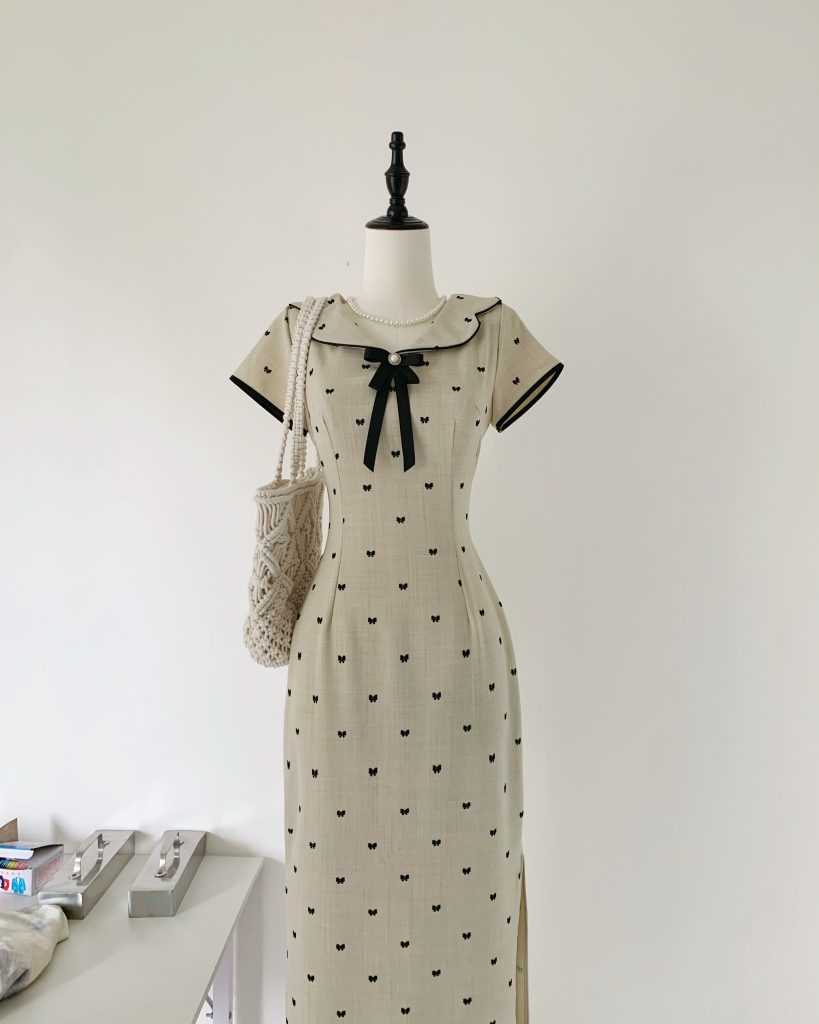
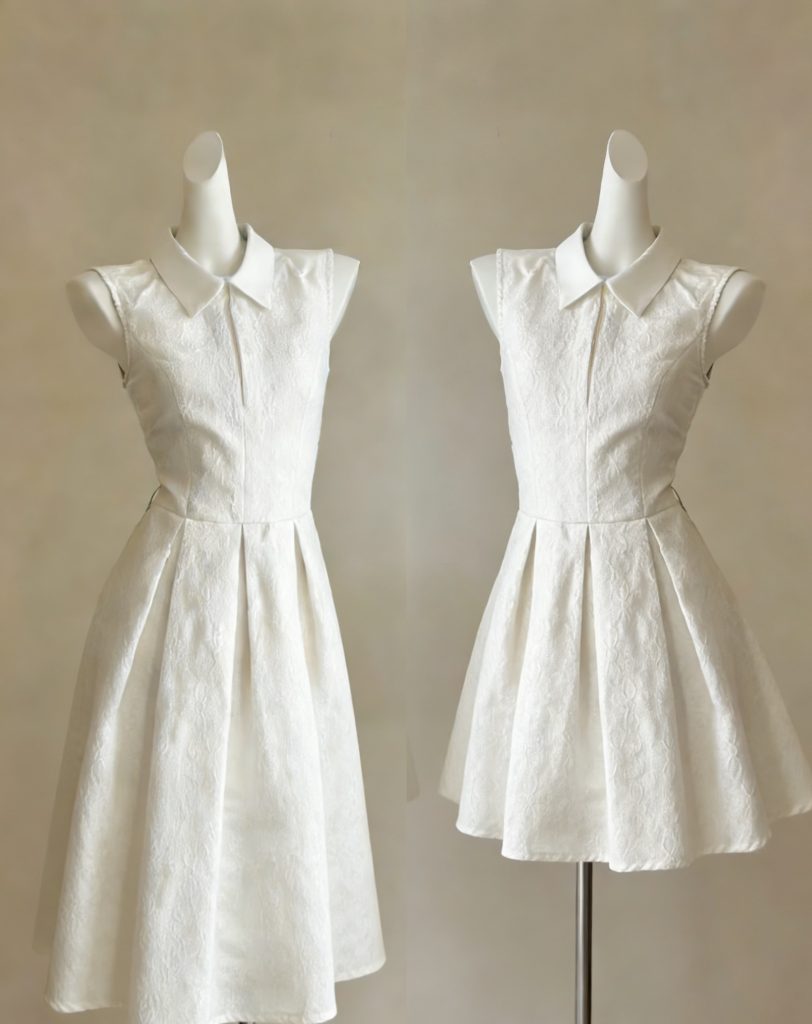
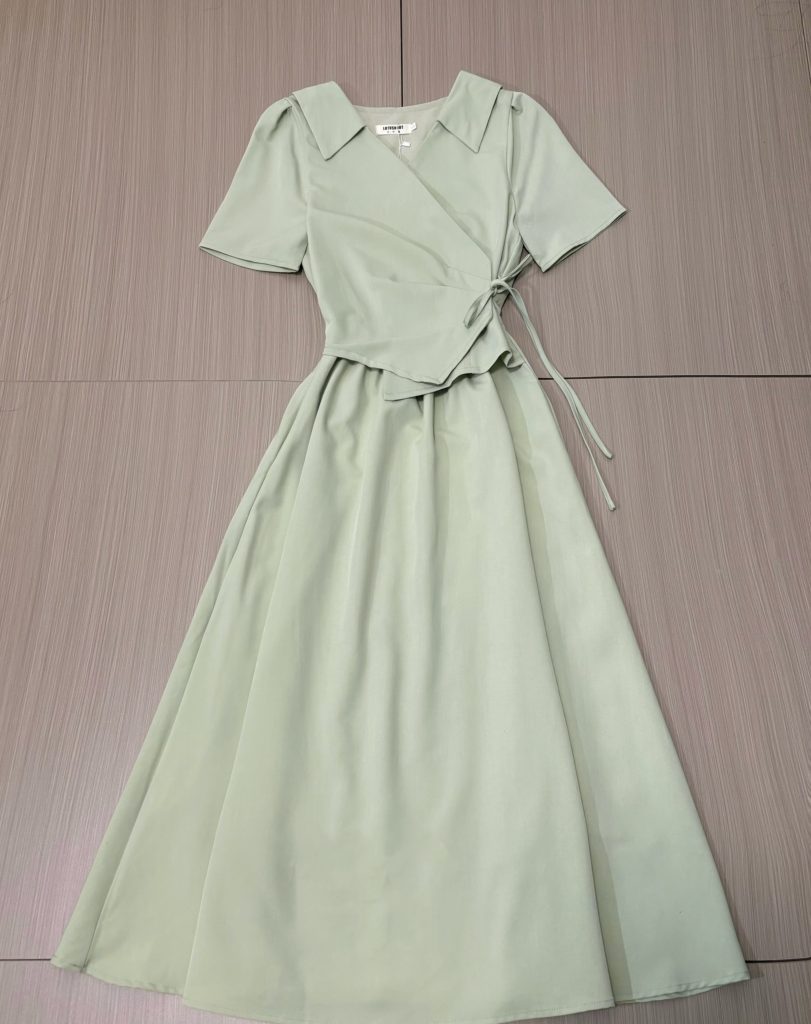
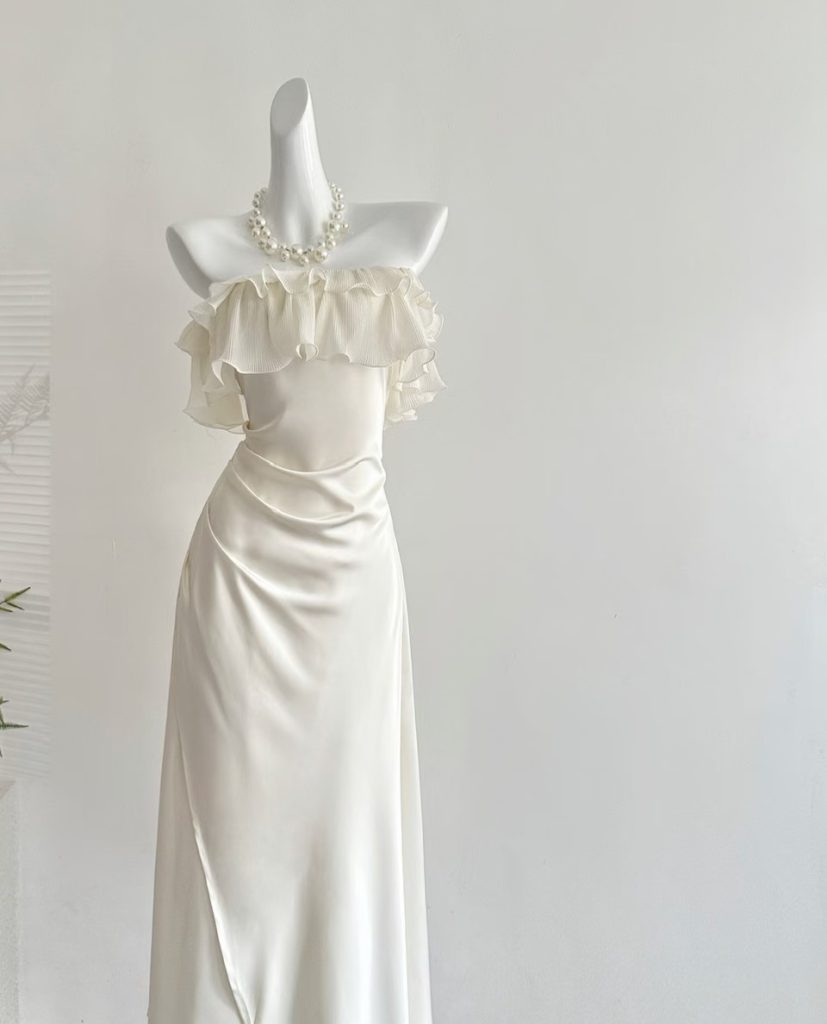
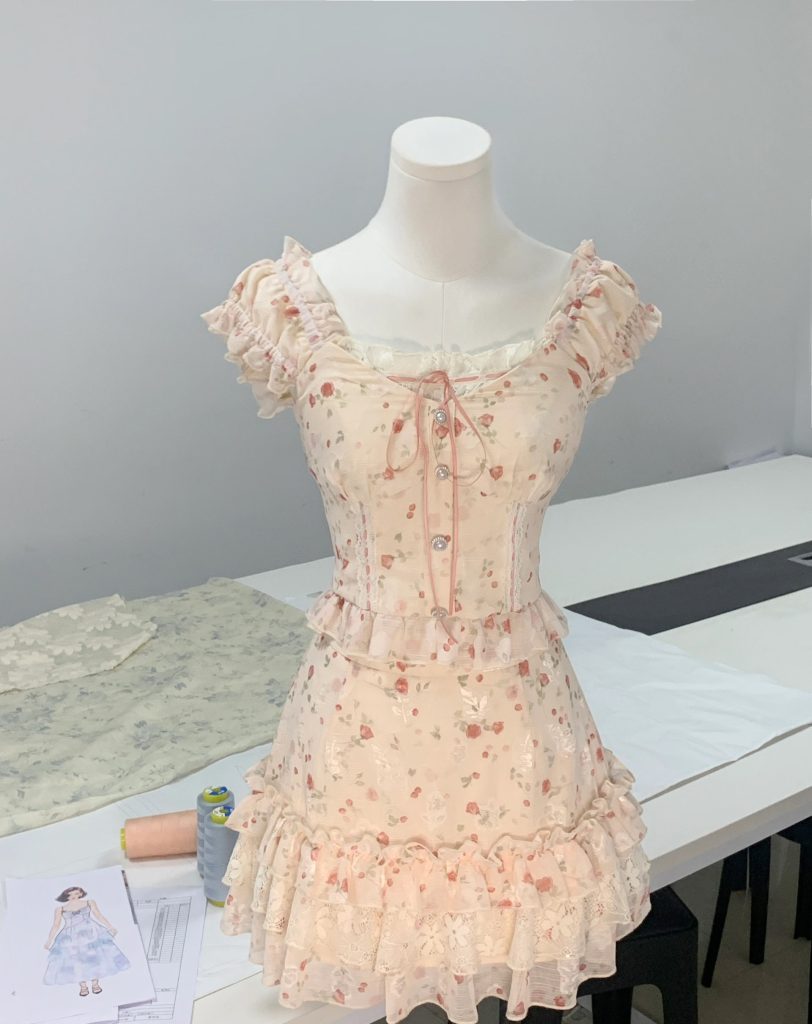
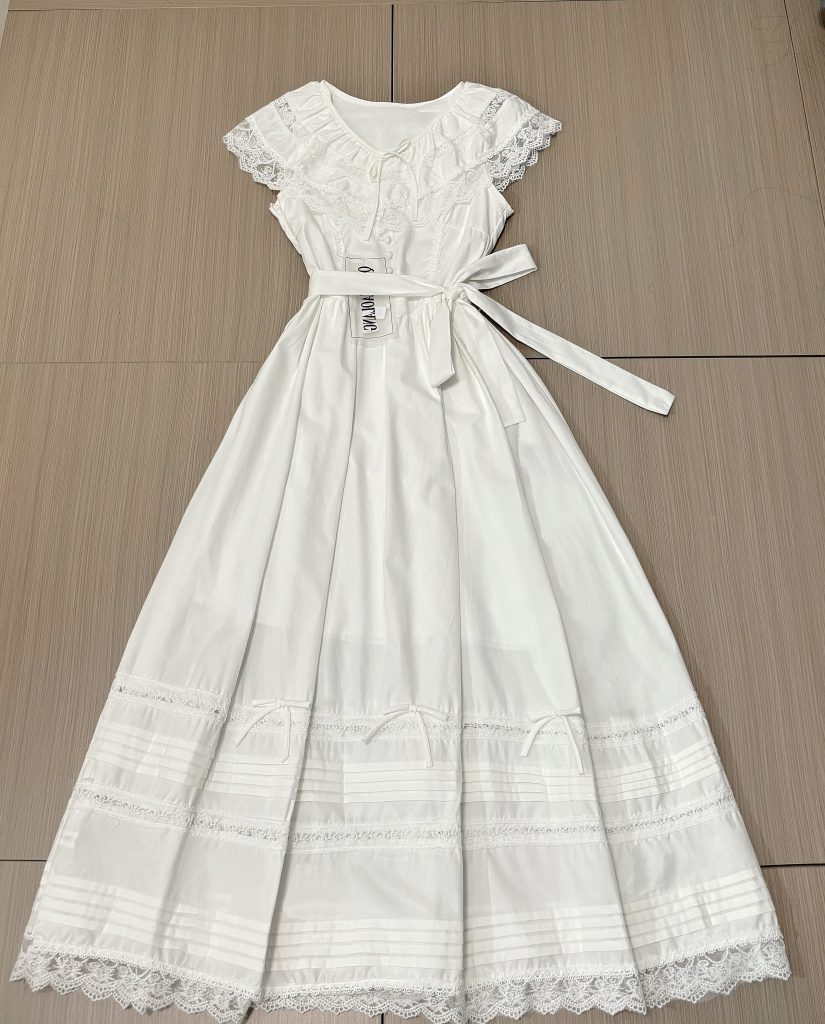
👗 Boutique Style Dresses
Dresses offer clothing brands the opportunity to showcase creativity and unique fashion design.
Many apparel brands develop seasonal dress collections for different markets.
Examples include:
👗 casual daily dresses
👗 elegant boutique dresses
👗 summer fashion dresses
👗 lightweight seasonal garments
Private label manufacturing allows full customization of dress styles and fabric selection.
✂ The Private Label Clothing Production Process
Professional clothing production involves several structured steps to ensure consistent quality and efficiency.
✏ Product Concept and Design Development
Every clothing product begins with an initial design concept.
Designers create visual sketches and technical specifications that guide the manufacturing process.
These specifications typically include:
🎨 design sketches
📐 garment measurements
🧵 fabric requirements
📏 sizing guidelines
A clear product design ensures smooth communication between the brand and the production team.
🧵 Fabric Selection and Material Preparation
Fabric selection is a critical part of apparel manufacturing.
The choice of material affects the comfort, durability, and appearance of the final garment.
Important fabric characteristics include:
🌿 breathability
🧶 softness
🧵 strength
🌱 lightweight construction
Selecting the right materials improves product quality and customer satisfaction.
📐 Pattern Making and Sample Production
Before bulk manufacturing begins, garment patterns must be developed.
Patterns determine how fabric pieces will be cut and assembled.
Manufacturers usually create sample garments so the client can review:
✔ garment fit
✔ design accuracy
✔ fabric behavior
After sample approval, production moves to the next stage.
🪡 Bulk Garment Production
During the production phase, garments are manufactured in larger quantities.
The process includes:
🧵 cutting fabric panels
👕 assembling garment components
🏷 attaching labels and branding
🪡 reinforcing seams
Experienced production teams ensure that every garment meets the design specifications.
🔍 Quality Control and Inspection
Quality inspection is essential in maintaining product consistency.
Each garment is checked carefully before packaging.
Inspection standards usually include:
✔ accurate measurements
✔ durable stitching
✔ clean finishing
✔ correct branding placement
Reliable quality control protects the brand’s reputation and ensures customer satisfaction.
📦 Packaging and Shipping Preparation
After inspection, garments are prepared for delivery.
Packaging plays an important role in brand presentation.
Typical packaging methods include:
📦 folded garment packaging
🏷 branded tags
📦 protective shipping cartons
Good packaging ensures garments arrive in excellent condition.
🏷 Key Advantages of Private Label Clothing Production
Private label manufacturing provides many strategic benefits for clothing businesses.
🎨 Strong Brand Identity
By using custom labels and unique designs, businesses can build a recognizable clothing brand.
📈 Scalable Business Growth
Private label clothing production allows businesses to expand gradually as demand increases.
💰 Improved Profit Potential
Selling branded clothing products often generates higher profit margins compared to generic garments.
🌍 Opportunities in the Global Apparel Market
The fashion industry continues to grow worldwide.
Clothing brands can reach international customers through various distribution channels.
Growth opportunities include:
🌍 online fashion stores
🛍 boutique clothing retailers
📦 wholesale apparel distribution
👕 niche fashion markets
Businesses that focus on quality and unique designs can build successful global clothing brands.
🌱 Sustainable Approaches in Modern Clothing Manufacturing
Sustainability is becoming increasingly important in the apparel industry.
Many clothing manufacturers are adopting environmentally responsible production practices.
Examples include:
♻ efficient fabric usage
🌱 eco-conscious materials
📦 recyclable packaging
🧵 durable garment construction
These practices help reduce environmental impact while maintaining high product standards.
📩 Choosing a Reliable Clothing Production Partner
Selecting the right clothing manufacturing partner is crucial for long-term business success.
Important evaluation factors include:
🧵 production experience
📦 manufacturing capacity
🔍 quality control systems
🏷 customization options
📈 scalability for future growth
A dependable manufacturing partner helps ensure consistent garment quality and reliable supply.
👕 Building a Long-Term Apparel Brand
Launching a clothing brand requires more than just creative designs.
Successful fashion businesses focus on:
👕 innovative clothing collections
🧵 reliable production processes
🏷 consistent brand identity
🌍 expansion into international markets
By combining strong design concepts with professional garment manufacturing, clothing brands can achieve long-term growth in the global fashion industry.
❓ FAQ – Private Label Clothing Manufacturing
1. What is private label clothing production?
Private label clothing production refers to manufacturing garments that are sold under the client’s brand name rather than the manufacturer’s brand.
2. What types of clothing can be produced through private label manufacturing?
Common products include t-shirts, hoodies, pants, dresses, sportswear, and casual fashion garments.
3. Is private label clothing suitable for startup brands?
Yes. Many new fashion brands use private label manufacturing to launch their first clothing collections.
4. How long does clothing production usually take?
Production time depends on order quantity, garment complexity, and fabric preparation.
5. Why is quality control important in clothing manufacturing?
Quality inspection ensures that garments meet design specifications and maintain consistent product standards.
6. How can clothing brands expand internationally?
Clothing brands can grow globally through online sales platforms, wholesale distribution, and fashion retail partnerships.


No reply content