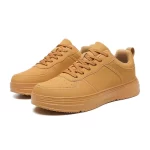

Are you planning to launch your own sneaker brand or expand your existing footwear collection?
Finding the right private label sneakers manufacturer is an important step for footwear brands, wholesalers, retailers, and importers. The right supplier should be able to understand your product requirements, explain available customization options, and provide clear information about samples, minimum order quantities, production schedules, and pricing.
When sourcing custom sneakers from China, buyers should evaluate more than the unit price. Materials, construction, branding, quality requirements, packaging, and shipping arrangements can all affect the final purchasing decision.
This guide explains how to prepare a private label sneaker project, what to discuss with a potential supplier, and how to request a quotation for your business.
1. What Are Private Label Sneakers?
Private label sneakers are footwear products sold under a buyer’s own brand name.
Depending on the supplier’s capabilities, buyers may be able to select an existing sneaker design, customize certain product details, or develop a product based on their own specifications.
Private label sneakers may be suitable for:
- Footwear startups launching their first collection.
- Established brands expanding their product ranges.
- Retailers developing exclusive products.
- Importers supplying local distributors.
- Wholesalers sourcing branded footwear for their markets.
- E-commerce businesses building their own footwear labels.
Before selecting a supplier, determine whether you need a ready-made design with branding, a modified existing style, or a completely new sneaker design.
These options can involve different development requirements, costs, and order quantities.
2. What Can You Customize on Private Label Sneakers?
Customization options depend on the manufacturer’s actual production capabilities and the selected shoe design.
Before placing an order, ask which of the following options are available.
Upper Materials
The upper material affects the appearance, feel, construction, and intended use of the sneaker.
Depending on the product, possible options may include:
- Mesh.
- Canvas.
- Synthetic leather.
- Microfiber.
- Genuine leather.
Different materials may require different construction methods and affect the final price.
Provide your preferred material specifications or reference samples when requesting a quotation.
Outsole Design
The outsole is another important consideration when developing custom sneakers.
Buyers may need to specify the outsole material, tread pattern, color, thickness, and overall design.
If a new outsole mold is required, ask about tooling costs, mold ownership, development time, and minimum production quantities.
Colors and Design Details
Private label buyers may request specific colors, stitching details, laces, trims, and other visual elements.
Prepare reference images or technical drawings to communicate your expectations.
For products with multiple colorways, confirm whether each color requires a separate minimum order quantity.
Custom Logos
Branding options may include logos on the tongue, heel, insole, side panel, labels, or other suitable areas.
The available methods depend on the materials and construction of the selected sneaker.
Before production, confirm the logo dimensions, position, colors, application method, and artwork requirements.
Custom Packaging
Brand presentation may extend beyond the shoes themselves.
Depending on the supplier’s services, buyers may request customized shoe boxes, labels, tissue paper, inserts, or shipping cartons.
Ask for a breakdown of any additional packaging costs and minimum order requirements.
Important: Not every sneaker manufacturer offers all these services. Confirm the available options before advertising a product as fully customizable.
3. OEM vs. ODM: Which Is Better for Your Sneaker Brand?
Understanding the difference between OEM and ODM can help you choose a suitable sourcing approach.
| Item | OEM | ODM |
|---|---|---|
| Product design | Based on buyer-provided specifications | Based on supplier-developed designs |
| Best suited for | Brands with established designs | Buyers who want to adapt existing designs |
| Customization | Depends on the agreed specifications | Depends on the supplier’s available options |
| Development requirements | May require detailed drawings and specifications | May start with an existing product model |
| Main consideration | Manufacturing accuracy and specification control | Design options, exclusivity, and customization limits |
When Should You Choose OEM?
OEM may suit businesses that already have a sneaker design, technical drawings, material specifications, or a defined product concept.
You should provide the supplier with the information needed to manufacture the product according to the agreed requirements.
When Should You Choose ODM?
ODM may suit businesses that want to select an existing product design and make agreed modifications.
This approach may reduce the amount of original design work required, depending on the product and supplier.
Before proceeding, clarify whether the selected design is exclusive, whether other buyers can order the same model, and who owns any new tooling or design elements.
4. How to Develop Your First Private Label Sneaker Sample
A product sample helps you evaluate the design and construction before approving bulk production.
A typical development process may include the following steps.
Step 1: Prepare your design requirements.
Provide reference images, sketches, material preferences, colors, size requirements, and branding instructions.
Step 2: Confirm technical specifications.
Discuss the upper, lining, insole, outsole, stitching, logo placement, and other important product details.
Step 3: Review the quotation.
Confirm sample costs, development charges, tooling expenses if applicable, and the expected sample schedule.
Step 4: Evaluate the sample.
Check appearance, sizing, construction, material quality, comfort, and compliance with your specifications.
Step 5: Request necessary adjustments.
Document any changes and confirm whether another sample is needed.
Step 6: Approve the final specifications.
Before bulk production, make sure the approved sample and written specifications reflect your requirements.
The exact process and schedule depend on the design’s complexity and the supplier’s capabilities.
5. What Is the MOQ for Private Label Sneakers?
MOQ means minimum order quantity.
For private label sneakers, the MOQ may vary depending on whether you select an existing model or request substantial customization.
Factors that can affect MOQ include:
- The selected sneaker model.
- Upper and outsole materials.
- Color combinations.
- Logo customization.
- Packaging requirements.
- New molds or tooling.
- Production arrangements.
For example, a buyer selecting an existing model may face different requirements from a buyer requesting a new outsole design, custom materials, and multiple colors.
There is no single MOQ that applies to every sneaker manufacturer.
When contacting a supplier, ask for the MOQ per style, per color, and per size range. Also confirm whether mixed sizes are permitted and whether sample orders are available.
If you are launching a new brand, explain your expected first order and future purchasing plans. This gives the supplier more context when discussing suitable production options.
6. How Much Do Custom Private Label Sneakers Cost?
The cost of private label sneakers depends on the specifications and commercial terms of the order.
The main factors include:
Materials: Different upper, lining, and outsole materials have different costs.
Construction: Design complexity and manufacturing requirements can affect production costs.
Order quantity: The order quantity may influence unit pricing and production arrangements.
Logo customization: Branding methods and the number of logo locations may affect costs.
Tooling: New molds or other specialized tooling may involve additional expenses.
Packaging: Custom shoe boxes, labels, and printed materials may increase the total cost.
Quality requirements: Testing, inspections, and specific compliance requirements may involve additional charges.
Shipping: Freight, insurance, customs duties, and destination charges depend on the shipment and agreed delivery terms.
To compare suppliers fairly, request quotations based on the same specifications and quantities.
Ask the supplier to separate product costs from sample fees, tooling, packaging, transportation, and other charges where applicable.
Do not rely on a unit price alone when evaluating the total cost of importing sneakers.
7. How to Choose a Private Label Sneaker Manufacturer in China
Before placing an order, evaluate whether the supplier is suitable for your particular project.
Check the Product Range
Confirm that the supplier actually produces or supplies the sneaker styles you need.
Request current product photos, specifications, and available customization options.
Ask About Manufacturing Capabilities
If you require OEM or ODM services, clarify which production and development activities the supplier performs directly and which may be handled by subcontractors.
Request Samples
Samples can help you evaluate the product before making a larger commitment.
Agree on the sample specifications and the criteria used to approve it.
Confirm Quality-Control Procedures
Ask how the supplier checks materials, sizing, construction, appearance, and consistency during production.
For specific performance or regulatory requirements, agree on the applicable testing and documentation before placing an order.
Review Commercial Terms
Confirm MOQ, payment terms, production lead time, packaging costs, shipping arrangements, and procedures for handling quality problems.
Verify Business Information
Where appropriate, request relevant business registration information, company details, and supporting documentation.
Check that the contracting entity, payment beneficiary, and supplier information are consistent before making a payment.
A careful verification process can help buyers make better-informed sourcing decisions.
8. What Information Should You Include in a Sneaker Inquiry?
A clear inquiry makes it easier for a supplier to understand your project and prepare a relevant quotation.
Before contacting a manufacturer, prepare the following details.
| Information | What to provide |
|---|---|
| Product type | Casual sneakers, fashion sneakers, sports sneakers, or another style |
| Reference images | Photos, sketches, or technical drawings |
| Order quantity | Estimated pairs per style and color |
| Size range | Required sizes and quantities per size |
| Upper material | Preferred material, if known |
| Outsole | Preferred material or design, if known |
| Branding | Logo artwork and placement |
| Packaging | Standard or customized packaging |
| Destination | Importing country |
| Target schedule | Expected sample approval and delivery dates |
| Target price | Budget per pair, if available |
If you do not have complete technical specifications, start with reference images and your intended market.
The supplier can then advise which additional details are required.
9. Frequently Asked Questions
Can I create my own sneaker brand with a Chinese manufacturer?
Potentially, yes. The available options depend on the manufacturer’s capabilities, product range, and willingness to support private label projects. Confirm the scope of branding and customization before proceeding.
Can I customize sneaker colors and materials?
This depends on the selected model and available materials. Ask which colors and materials can be offered and whether special requirements affect MOQ or price.
Can I add my own logo to sneakers?
Ask the supplier which logo application methods are available and where the logo can be placed. Provide your artwork and confirm the final design before production.
Is OEM or ODM better for a new footwear brand?
OEM may suit buyers who already have detailed designs. ODM may suit buyers who want to adapt existing designs. The appropriate option depends on your product-development resources and customization requirements.
Can I order samples before bulk production?
Ask whether the supplier provides samples, what the fees are, how long development takes, and whether sample costs can be credited against a bulk order.
How can I obtain a quotation for private label sneakers?
Provide the shoe style, reference images, estimated quantity, materials, branding requirements, packaging preferences, and destination country.
The supplier can use these details to assess your project and provide pricing based on the agreed specifications.
10. Request a Private Label Sneaker Quotation
Are you planning to launch a sneaker brand, expand your footwear collection, or source customized sneakers for wholesale distribution?
Prepare your product requirements and contact the supplier through Vlefooena to discuss available styles, private label options, sample development, MOQ, and bulk pricing.
To help the supplier assess your request, include:
- Your preferred sneaker style.
- Estimated order quantity.
- Reference images or design drawings.
- Material and color preferences.
- Logo and packaging requirements.
- Required size range.
- Destination country.
- Expected delivery schedule.
Providing these details at the beginning can make the quotation process more efficient.
Ready to discuss your private label sneaker project?
Visit the supplier’s profile on Vlefooena and use the available contact options to submit your inquiry.


No reply content