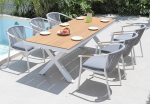
China Foshan custom furniture factory OEM
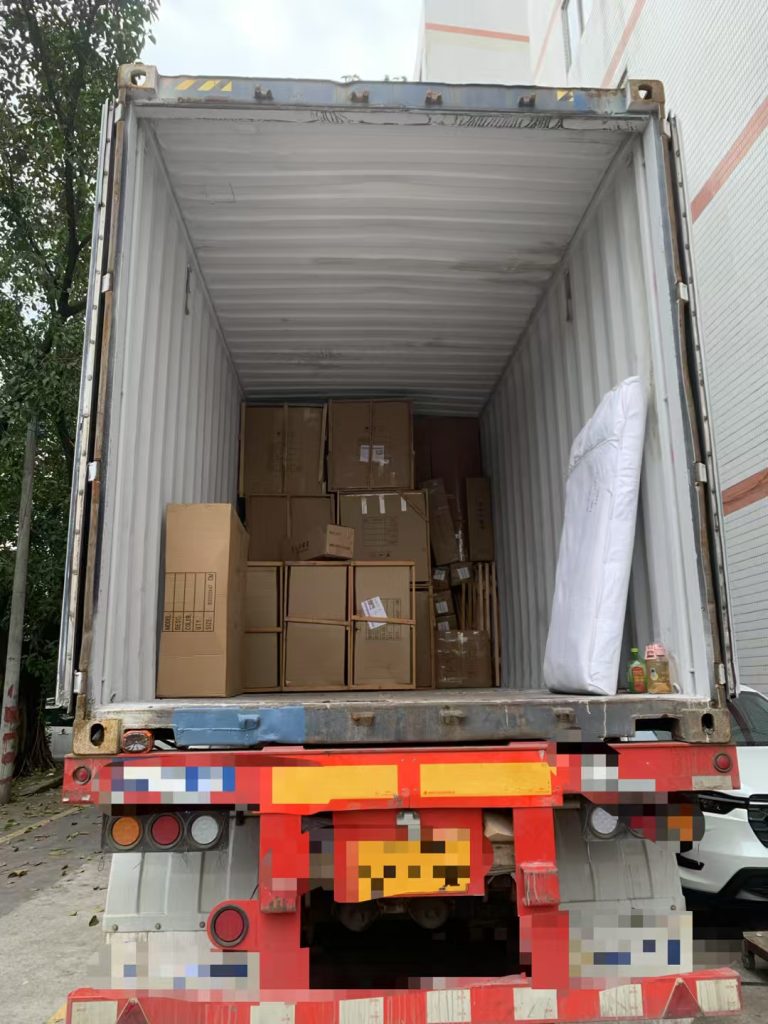
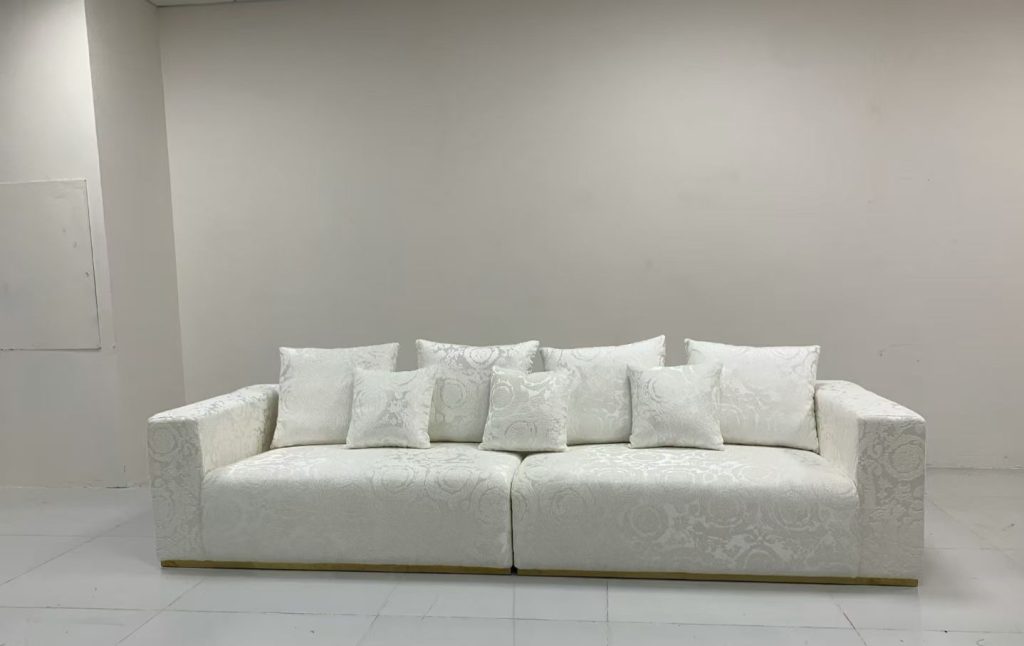
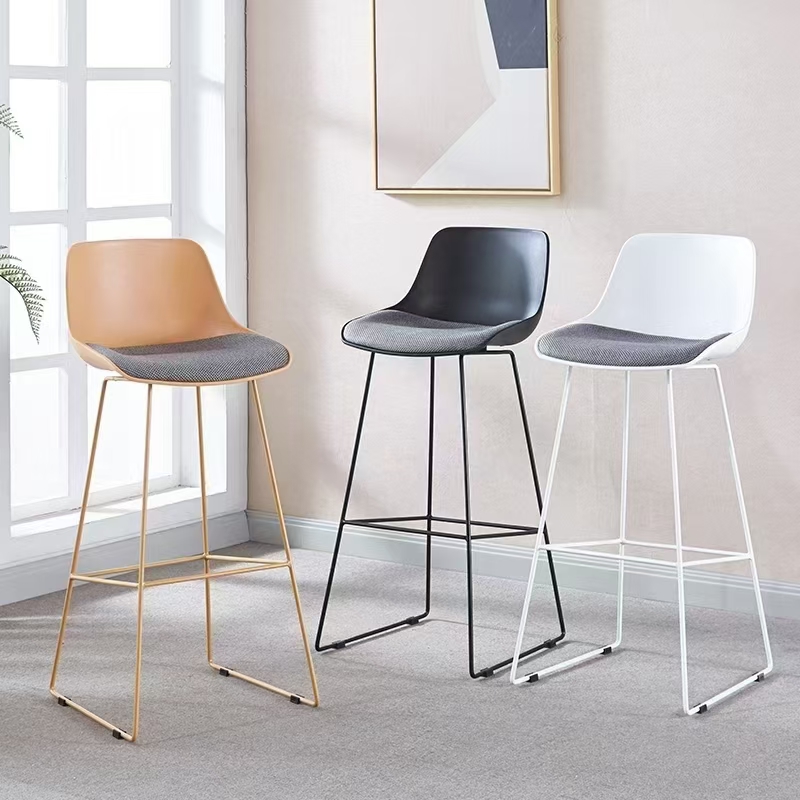
Choosing the right furniture manufacturer is essential for retailers, wholesalers, interior designers, hospitality companies, property developers, and furniture brands. A reliable manufacturing partner should provide consistent quality, accurate production, flexible customization, competitive pricing, and dependable delivery.
Professional furniture manufacturing involves much more than cutting wood and assembling products. Materials, dimensions, joinery, surface treatment, hardware, upholstery, packaging, and quality control all influence the finished product.
For businesses purchasing furniture in bulk, OEM and ODM manufacturing can provide a practical way to develop products that match a specific market, brand identity, and budget.
What Does a Furniture Manufacturer Do?
A professional furniture manufacturer converts product concepts, technical drawings, or existing designs into finished furniture.
Depending on the factory’s capabilities, manufacturing services may include:
-
Living room furniture
-
Bedroom furniture
-
Dining tables and chairs
-
Office furniture
-
Hotel furniture
-
Restaurant furniture
-
Outdoor furniture
-
Solid wood furniture
-
Rattan furniture
-
Metal furniture
-
Upholstered furniture
-
Custom furniture
-
OEM furniture
-
ODM furniture
-
Private-label furniture
The production process may include material preparation, cutting, machining, assembly, sanding, finishing, upholstery, inspection, packaging, and shipment preparation.
OEM Furniture Manufacturing
OEM manufacturing allows a buyer to provide its own specifications and brand requirements.
For example, a furniture brand may provide:
-
Product drawings
-
Dimensions
-
Material specifications
-
Color references
-
Surface finish requirements
-
Hardware specifications
-
Logo requirements
-
Packaging specifications
The manufacturer then produces the furniture according to the approved specifications.
This approach is particularly useful for established brands that already have a defined product range.
ODM Furniture Manufacturing
ODM manufacturing gives the factory a greater role in product development.
A buyer may start with a general concept, target price, or product category, while the manufacturer helps develop the final product.
ODM services may include:
-
Product design
-
Material recommendations
-
Construction recommendations
-
Prototype development
-
Sample production
-
Finish selection
-
Packaging development
ODM can be useful for retailers and new furniture brands that want to launch products without developing every technical detail internally.
Furniture Materials
Material selection has a major influence on furniture quality, appearance, durability, and cost.
Solid Wood
Solid wood can provide a natural appearance and strong structural performance when properly selected, dried, machined, and finished.
Common species used in furniture manufacturing vary by market and product requirements.
Engineered Wood
MDF, plywood, particleboard, and other engineered wood products are widely used in furniture because they can offer dimensional consistency and efficient production.
The appropriate panel depends on the furniture’s structure, expected loading, moisture exposure, and target market.
Metal
Steel and aluminum can be used for frames, legs, bases, cabinets, and structural components.
Welding, grinding, coating, and dimensional control are important during metal furniture production.
Rattan and Woven Materials
Natural and synthetic woven materials can be used for chairs, sofas, cabinets, outdoor furniture, and decorative products.
Upholstery
Sofas, chairs, beds, and other upholstered furniture require appropriate fabrics, leather or synthetic materials, foam, springs, webbing, and internal structures.
For commercial projects, buyers should specify upholstery materials and performance requirements clearly.
Custom Furniture Manufacturing
Custom furniture allows buyers to adapt products to specific applications.
Customization may include:
-
Dimensions
-
Shape
-
Materials
-
Colors
-
Finishes
-
Hardware
-
Upholstery
-
Logo
-
Packaging
-
Product configuration
For example, a hotel project may require furniture designed around specific room dimensions, while a retail brand may need a consistent collection across multiple product categories.
Clear technical specifications are important because vague requirements such as “premium quality” can lead to different interpretations between the buyer and factory. Measurable dimensions, materials, finishes, and inspection requirements provide a much stronger production reference.
The Furniture Manufacturing Process
A professional furniture production workflow commonly includes several stages.
1. Design and Specification
The buyer provides drawings, product references, dimensions, materials, and functional requirements.
2. Material Selection
The factory confirms suitable materials based on the design, performance requirements, availability, and target price.
3. Prototype or Sample
For customized furniture, a sample is produced before mass manufacturing.
The sample allows the buyer to evaluate dimensions, appearance, construction, comfort, finish, and functionality.
4. Sample Approval
Once the sample meets the agreed requirements, it becomes an important reference for bulk production.
5. Mass Production
The factory begins manufacturing according to the approved specifications and production schedule.
6. Quality Inspection
Quality checks are performed during production and on finished products.
7. Packaging
Finished furniture is packed according to its size, construction, shipping method, and destination.
8. Shipment
The finished order is prepared for container loading or other international transportation.
Using an approved sample, drawings, bill of materials, and written inspection criteria helps reduce differences between the buyer’s expectations and mass-produced furniture.
Furniture Quality Control
Quality control should begin before production rather than waiting until the final inspection.
Important inspection areas may include:
-
Material quality
-
Wood moisture condition
-
Dimensions
-
Joinery
-
Welding
-
Structural stability
-
Hardware
-
Surface finish
-
Paint or coating
-
Upholstery
-
Stitching
-
Functionality
-
Packaging
For wood furniture, moisture management is particularly important because changes in environmental conditions can contribute to dimensional movement, cracking, or warping. Appropriate specifications should be determined according to the material, construction, and destination environment.
For large orders, buyers can also arrange third-party inspections before shipment.
Why Sample Approval Is Important
A sample provides a physical reference for both the manufacturer and buyer.
The approved sample can establish:
-
Dimensions
-
Materials
-
Construction
-
Color
-
Surface finish
-
Hardware
-
Upholstery
-
Logo placement
-
Packaging
If changes are required after sample approval, they should be documented and incorporated into the final production specification.
This is especially important for OEM projects because a small change in material, dimensions, or construction can affect hundreds of units in a bulk order.
Furniture for Hospitality Projects
Hotels, restaurants, resorts, offices, and commercial developments often have more demanding furniture requirements than individual consumers.
Commercial furniture may need to consider:
-
Frequent use
-
Structural durability
-
Cleaning requirements
-
Fire-related requirements where applicable
-
Consistent appearance
-
Replacement parts
-
Installation
-
Packaging
-
Project schedules
The exact compliance requirements depend on the product and destination market. Buyers should identify applicable local regulations and testing requirements before production.
Export Packaging
Furniture can be damaged during transportation if packaging does not adequately protect vulnerable surfaces and structural components.
Depending on the product, packaging may include:
-
Protective foam
-
EPE
-
Corner protection
-
Corrugated cartons
-
Honeycomb materials
-
Plastic protection
-
Pallets
-
Export crates
-
Moisture protection
Packaging should be designed around the actual product and transportation route rather than treated as an afterthought. Poor corner protection, unstable stacking, and inadequate moisture protection can contribute to transit damage.
How to Choose a Reliable Furniture Manufacturer
Before placing a large order, buyers should evaluate several areas.
Manufacturing Capability
Confirm that the factory actually manufactures the furniture category you require.
Customization Capability
If you need OEM products, confirm whether the factory can reproduce your drawings, materials, dimensions, and finishes accurately.
Quality Control
Ask how materials and finished products are inspected.
Production Capacity
Make sure the factory can meet your expected order volume and delivery schedule.
Sample Process
A professional manufacturer should have a clear process for prototype development and sample approval.
Export Experience
For international buyers, experience with export packaging and documentation can make the purchasing process easier.
Communication
Furniture projects often involve many technical details. Clear communication is essential for avoiding production mistakes.
What Information Should Be Included in a Furniture RFQ?
A detailed quotation request can include:
Product: Dining table / sofa / chair / bed / cabinet / other
Dimensions: Length × width × height
Material: Solid wood / plywood / MDF / metal / rattan / upholstery
Finish: Required color or finish
Quantity: Estimated order volume
Customization: Logo, dimensions, materials, design
Packaging: Individual carton, pallet, crate, or other
Destination: Country and city or port
Target delivery date: Required production schedule
Providing complete information allows manufacturers to calculate production costs more accurately and reduces the chance of misunderstandings.
MOQ and Bulk Orders
Minimum order quantities vary by factory and product.
Standard products may have lower MOQ requirements than fully customized furniture.
MOQ can depend on:
-
Product type
-
Material
-
Number of models
-
Number of colors
-
Custom packaging
-
Tooling
-
Production setup


No reply content