
China Hair Dryer Manufacturing Co., Ltd.
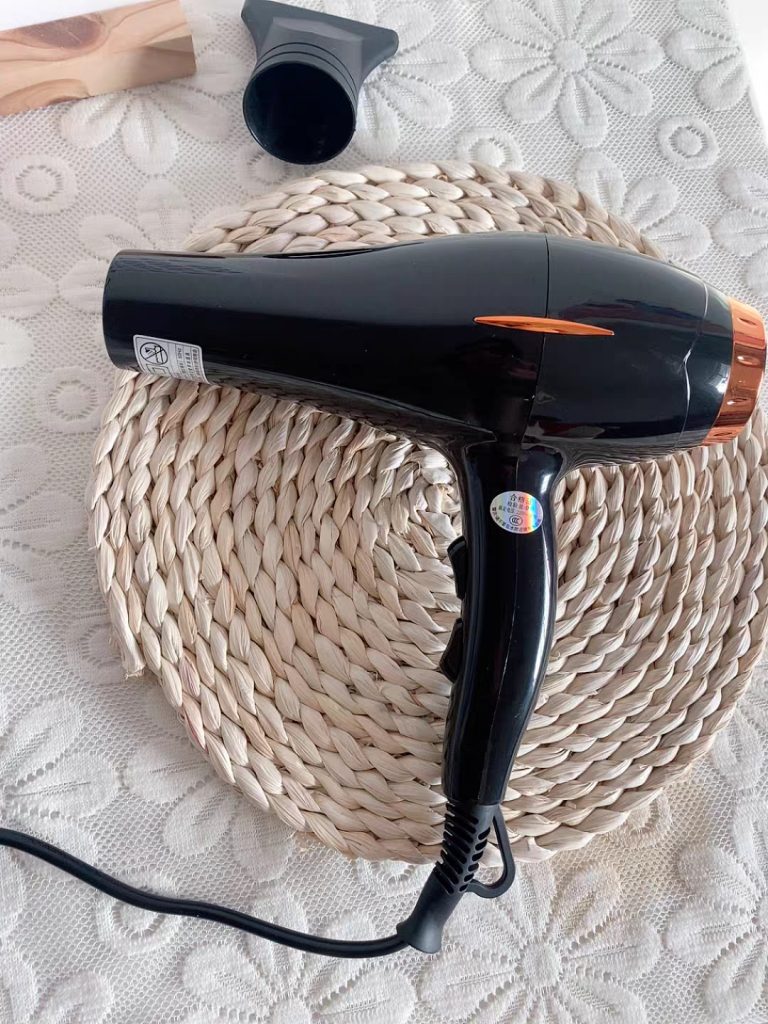
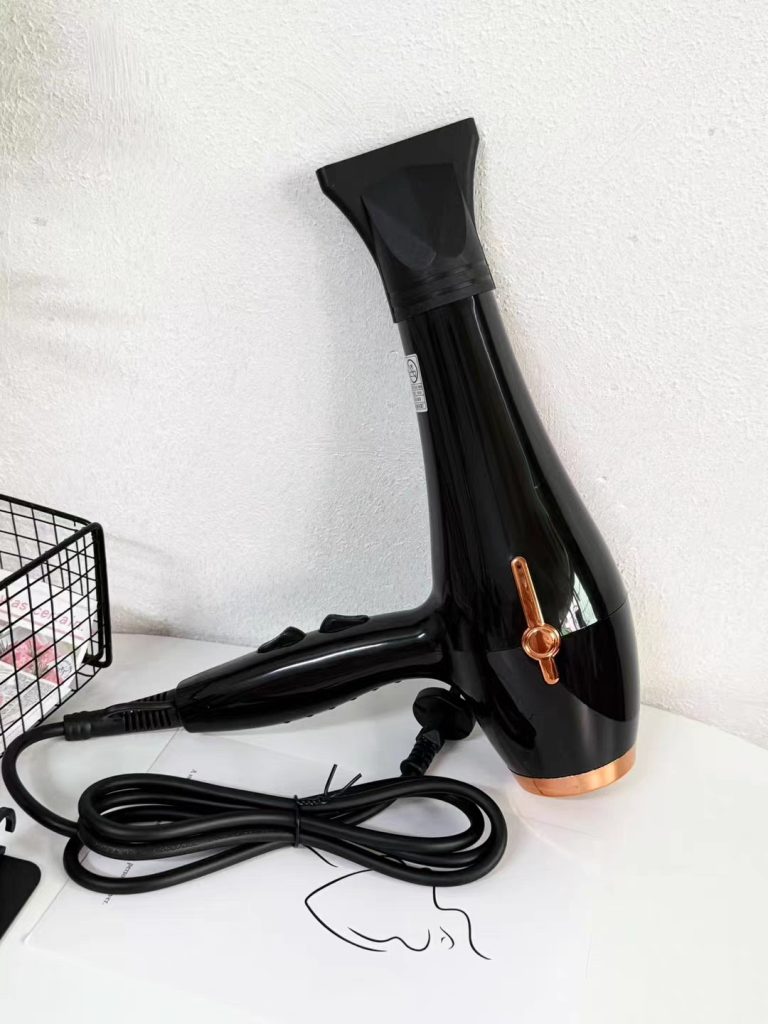
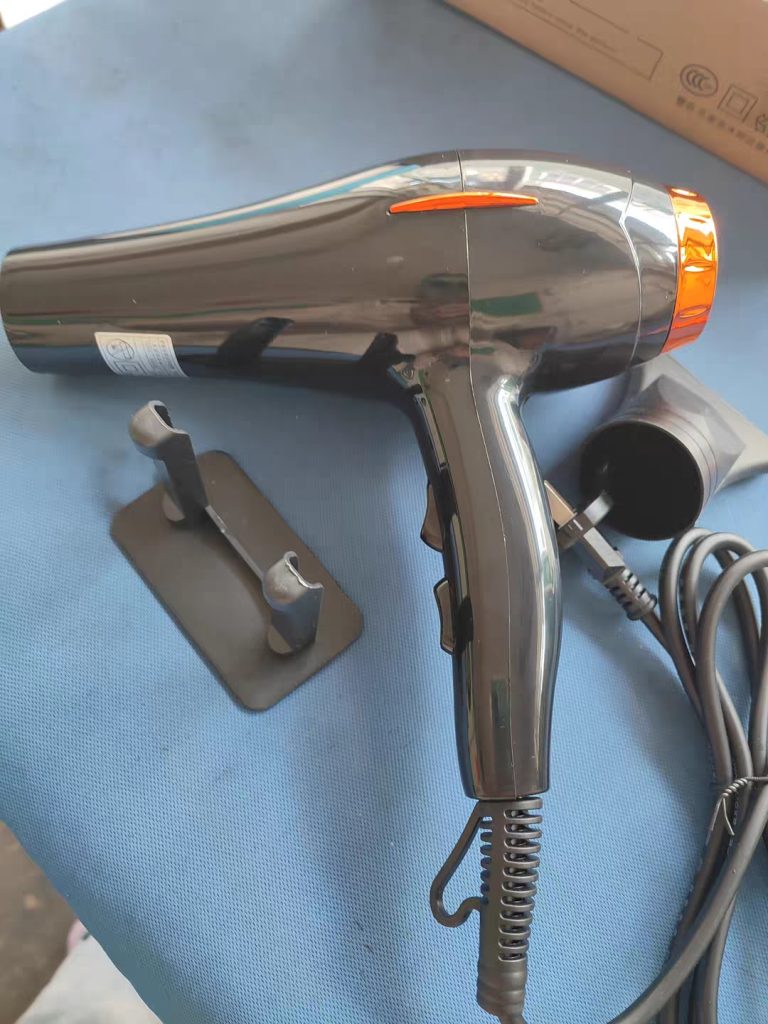
Choosing a professional hair dryer factory is not simply about finding the lowest unit price. For importers, distributors, salon-equipment buyers, retailers, and private-label brands, the real challenge is finding a manufacturer that can turn a product idea into a reliable, market-ready hair dryer while controlling quality, customization, production time, and total purchasing cost.
A capable China hair dryer factory should be able to handle product development, component sourcing, tooling, assembly, testing, packaging, and export preparation. For custom projects, the manufacturer also needs to understand your target market, electrical requirements, branding, packaging, and expected sales volume.
What Does a Professional Hair Dryer Factory Actually Do?
A professional factory normally provides much more than final assembly.
Depending on the project, manufacturing can involve:
-
Product design and engineering
-
Prototype development
-
Plastic housing production
-
Injection molding
-
Motor installation
-
Heating element assembly
-
PCB and control-system integration
-
Fan and airflow system assembly
-
Power cord and plug configuration
-
Product assembly
-
Functional testing
-
Electrical safety testing
-
Noise and temperature checks
-
Aging tests
-
Packaging
-
OEM branding
-
ODM development
-
Bulk production
-
Export preparation
This is important because hair dryers are relatively compact products, but they contain several systems that must work together.
A housing may look attractive, but poor airflow design can reduce drying performance. A powerful motor may increase airflow, but it can also increase noise or power consumption. A high-temperature heating system can dry hair quickly, but temperature control becomes critical.
A professional manufacturer therefore needs to balance performance, safety, durability, cost, and appearance.
Custom Hair Dryer Manufacturing Starts With the Product Requirements
Before production begins, the manufacturer needs to understand what you actually want to sell.
A useful product specification may include:
-
Product type
-
Rated power
-
Voltage
-
Frequency
-
Motor type
-
Number of speed settings
-
Number of heat settings
-
Cool-shot function
-
Temperature control
-
Airflow requirements
-
Noise expectations
-
Product dimensions
-
Product weight
-
Housing material
-
Color
-
Logo
-
Packaging
-
Accessories
-
Plug type
-
Target market
-
Target price
-
Expected order quantity
For example, a buyer looking for a compact travel hair dryer has different requirements from a professional salon buyer.
A salon-oriented product may prioritize motor durability, airflow, heat stability, long operating time, ergonomic design, and easy maintenance.
A consumer retail product may place more emphasis on appearance, packaging, weight, color options, and retail price.
The factory should therefore evaluate the complete product requirement rather than simply quote a price based on wattage.
Product Design and Engineering
Custom hair dryer manufacturing usually begins with product engineering.
If you already have a finished design, the factory may work from your drawings, specifications, samples, or reference product.
If you only have an idea, the manufacturer may help convert that idea into a manufacturable product.
Engineering work can include:
-
Housing structure
-
Internal component layout
-
Airflow channel design
-
Motor positioning
-
Heating element positioning
-
PCB placement
-
Button structure
-
Cable routing
-
Heat insulation
-
Assembly structure
-
Cooling design
-
Material selection
One of the most important considerations is the internal structure.
A hair dryer must move air through the system efficiently while managing heat around electrical components and plastic parts. Poor internal design can create excessive heat, inconsistent temperature, weak airflow, or premature component failure.
For a custom product, engineering should therefore be completed before large-scale production.
Plastic Housing and Injection Molding
The external housing is one of the most visible parts of a hair dryer.
Depending on the design, the housing may require injection molding tools.
The manufacturing process generally involves:
-
Mold design
-
Tool manufacturing
-
Plastic material preparation
-
Injection molding
-
Part inspection
-
Surface finishing
-
Printing or logo application
-
Assembly
The quality of the mold can directly affect the final product.
Problems such as uneven gaps, flashing, deformation, poor button fit, or inconsistent surface texture can make a finished hair dryer look inexpensive even when the internal components are good.
For a private-label project, buyers should therefore pay attention to both functional quality and cosmetic quality.
Motor Selection Is Critical
The motor is one of the key components of a hair dryer.
It affects:
-
Airflow
-
Drying speed
-
Noise
-
Product weight
-
Energy consumption
-
Service life
-
Overall product cost
Different product designs require different motor configurations.
A manufacturer should select the motor according to the intended performance rather than simply choosing the highest available power.
Higher power does not automatically mean a better hair dryer.
The complete airflow system matters. The fan, air inlet, internal air channel, heating system, motor, and outlet need to work together.
For a professional product, the manufacturer should evaluate performance under realistic operating conditions rather than relying only on a motor specification.
Heating System and Temperature Control
The heating system is another major part of the product.
A hair dryer needs to produce sufficient heat while maintaining stable operation.
Important considerations include:
-
Heating element specification
-
Heating distribution
-
Temperature control
-
Thermal protection
-
Airflow balance
-
Insulation
-
Continuous operating conditions
A well-designed system should prevent excessive temperatures that could damage components or create unsafe operating conditions.
For custom products, temperature settings can also be designed around the intended market.
For example, a product may use several heat levels combined with multiple airflow speeds and a separate cool-air function.
The exact configuration should be determined through engineering and testing rather than simply copying a specification sheet.
Electronics and Control Systems
Modern hair dryers can contain more electronic functions than basic models.
Depending on the design, a custom product may include:
-
Speed controls
-
Heat controls
-
Cool-shot control
-
Temperature sensors
-
Protection circuits
-
Display indicators
-
Intelligent temperature control
-
Specialized operating modes
Electronic components need to be compatible with the motor, heater, power supply, and target-market electrical requirements.
This is especially important when selling the same product in multiple countries.
Voltage, frequency, plug configuration, and electrical requirements should be confirmed before production.
Quality Control During Manufacturing
Quality control should not begin when the finished products are already packed.
A better production process checks quality at multiple stages.
Incoming Component Inspection
Important components can be inspected before entering production.
This may include:
-
Motors
-
Heating elements
-
PCBs
-
Power cords
-
Switches
-
Plastic parts
-
Connectors
-
Packaging materials
If defective components enter the assembly line, the problem can become much more expensive to correct later.
Assembly Inspection
During assembly, workers and inspectors can check:
-
Wiring
-
Component positioning
-
Screw fastening
-
Button operation
-
Housing alignment
-
Cable installation
-
Internal connections
Finished Product Testing
Finished hair dryers can be tested for:
-
Power operation
-
Heating performance
-
Airflow
-
Speed settings
-
Temperature settings
-
Switch operation
-
Noise
-
Electrical performance
-
Safety protection
-
Continuous operation
The exact testing program should depend on the product design and the destination market.
Custom Branding for Private-Label Hair Dryers
One of the main reasons buyers work directly with a professional hair dryer factory is private-label production.
Brand customization can include:
-
Logo
-
Product color
-
Housing finish
-
Buttons
-
Packaging
-
User manual
-
Product labels
-
Accessories
-
Retail box
-
Shipping carton
For example, a buyer may start with an existing factory platform and customize the exterior color, logo, packaging, and accessories.
This can be much faster and less expensive than developing an entirely new product from the beginning.
However, buyers should clearly distinguish between appearance customization and full product development.
Changing a logo is relatively simple.
Changing the internal structure, motor, heating system, PCB, housing, or airflow design is a much larger engineering project.
OEM vs. Custom Development
Not every custom project requires a completely new hair dryer.
There are several practical levels of customization.
Level 1: Branding
The existing product remains substantially unchanged while the buyer adds:
-
Logo
-
Packaging
-
Labels
-
Manual
-
Color
This is usually the simplest route.
Level 2: Appearance Customization
The buyer requests changes to:
-
Housing color
-
Surface finish
-
Button appearance
-
Decorative elements
-
Accessories
-
Packaging design
This provides more differentiation while keeping much of the existing engineering.
Level 3: Functional Customization
The buyer may request:
-
Different motor
-
Different heating configuration
-
New controls
-
Different airflow performance
-
Additional protection
-
New operating modes
Engineering requirements become more complicated at this stage.
Level 4: New Product Development
The buyer provides a completely new concept.
The factory may need to develop:
-
Industrial design
-
3D structure
-
Prototype
-
Tooling
-
Internal architecture
-
Electrical system
-
Testing process
-
Production process
This gives the buyer the greatest degree of differentiation, but it also requires more development time and investment.
How Much Do Custom Hair Dryers Cost?
There is no single price for a custom hair dryer.
The final price can depend on:
-
Motor
-
Rated power
-
Heating system
-
Electronics
-
Materials
-
Product size
-
Custom tooling
-
Logo requirements
-
Packaging
-
Accessories
-
Order quantity
-
Testing requirements
-
Shipping destination
A basic private-label product can have a very different manufacturing cost from a fully customized professional model.
Buyers should also consider development costs separately from the unit price.
For a new product, expenses may include:
-
Engineering
-
Prototyping
-
Mold development
-
Sample production
-
Packaging development
-
Testing
-
Certification-related work
Therefore, comparing factories purely by unit quotation can produce misleading results.
What Is the MOQ for Custom Hair Dryers?
MOQ depends on the manufacturing model.
An existing model with simple logo customization may require a different MOQ from a completely new product.
MOQ can be affected by:
-
Plastic color
-
Packaging quantity
-
Custom mold requirements
-
Component purchasing
-
Printing requirements
-
Production efficiency
-
Special materials
-
Custom electronics
If you are testing a new market, it can be useful to discuss a smaller initial order and then negotiate better pricing after sales volume becomes predictable.
For established brands, larger production quantities can usually provide better manufacturing efficiency and pricing.
How Long Does Custom Hair Dryer Production Take?
Production time depends heavily on the level of customization.
A project using an existing product platform may move relatively quickly because the basic tooling and production process already exist.
A new product takes longer because it may require:
-
Product discussion
-
Engineering review
-
Prototype
-
Sample evaluation
-
Design modification
-
Tooling
-
Pilot production
-
Testing
-
Final approval
-
Mass production
Buyers should not judge production time from the final assembly stage alone.
For a new custom product, engineering and sample approval can represent a significant part of the overall schedule.
Why Samples Are So Important
A sample allows the buyer to evaluate the actual product before committing to a large order.
You can check:
-
Appearance
-
Weight
-
Grip
-
Buttons
-
Airflow
-
Heat
-
Noise
-
Cable length
-
Packaging
-
Accessories
-
Product labeling
For professional hair dryers, it is also useful to evaluate the product after repeated operation rather than judging it only during a short demonstration.
A product that performs well for several minutes may behave differently after extended use.
Sample approval should therefore be treated as an important purchasing milestone.
How to Choose a Professional Hair Dryer Factory in China
Price is important, but it should not be the first and only selection criterion.
Look at the manufacturer’s ability in several areas.
1. Manufacturing Capability
Ask what processes are handled internally and which components or processes are outsourced.
This helps you understand the manufacturer’s actual production capability.
2. Engineering Capability
A factory producing an existing standard model is different from a factory capable of developing a new product.
If your project requires customization, engineering capability becomes particularly important.
3. Quality Control
Ask how incoming components, assembly processes, and finished products are inspected.
You should also understand how defective products are handled.
4. Sample Process
A professional manufacturer should have a clear sample-development and approval process.
5. Customization Capability
Confirm exactly what can be customized.
Do not assume that a manufacturer offering OEM services can automatically redesign every component.
6. Production Capacity
Production capacity should match your expected order volume.
A factory should be able to explain how it handles both normal production and larger seasonal orders.
7. Communication
Technical misunderstandings can become expensive.
Your supplier should be able to clearly confirm specifications, packaging requirements, quantities, production schedules, and changes.
What Should Be Included in a Hair Dryer RFQ?
If you want an accurate quotation, provide as much information as possible.
A professional RFQ can include:
Product: Hair Dryer
Target Market: [Country/Region]
Voltage: [Requirement]
Frequency: [Requirement]
Power: [Requirement]
Motor: [Preferred specification if known]
Heat Settings: [Number]
Speed Settings: [Number]
Cool Shot: [Yes/No]
Color: [Requirement]
Logo: [Required]
Packaging: [Retail/Custom]
Accessories: [Required items]
Estimated Order Quantity: [Quantity]
Customization Level: [Logo / Appearance / Functional / New Development]
Target Price: [If available]
The more complete the information, the easier it is for the factory to calculate a realistic quotation.
Common Mistakes When Ordering Custom Hair Dryers
Choosing Only by Price
The cheapest quotation may not represent the lowest total cost.
Poor quality can create returns, complaints, warranty expenses, and damaged customer trust.
Requesting Too Many Changes at Once
Adding multiple new features can increase engineering complexity and development cost.
It is often better to prioritize the features that actually matter to your target customers.
Skipping Sample Approval
This creates unnecessary risk.
Always evaluate the actual product before mass production whenever possible.
Not Confirming Electrical Requirements
Different markets can have different electrical requirements.
Voltage, frequency, plug configuration, labeling, and applicable compliance requirements should be confirmed before production.
Comparing Incomplete Quotations
One factory may quote only the unit.
Another may include packaging, accessories, logo printing, or other items.
Make sure you compare quotations on the same specification.
A Practical Custom Hair Dryer Purchasing Process
A professional project can follow this general workflow:
Step 1 — Define the Product
Decide what type of hair dryer you want to sell and who the target customer is.
Step 2 — Send the RFQ
Provide specifications, estimated quantity, branding requirements, and packaging requirements.
Step 3 — Review the Factory Proposal
Compare the technical configuration, price, MOQ, production schedule, and customization options.
Step 4 — Develop the Sample
Evaluate the physical product and identify changes.
Step 5 — Confirm the Final Specification
Lock the product, packaging, logo, accessories, and technical requirements.
Step 6 — Production
The factory begins bulk manufacturing after final approval.
Step 7 — Quality Inspection
Finished products are inspected according to the agreed requirements.
Step 8 — Packaging and Shipment
Products are packed and prepared for export.
This process reduces misunderstandings because every major product decision is confirmed before mass production.
What Makes a Factory Suitable for Long-Term Cooperation?
A good supplier should not only deliver your first order.
For long-term cooperation, consistency matters.
The factory should be able to maintain:
-
Consistent product specifications
-
Stable component quality
-
Repeatable production processes
-
Reliable packaging
-
Clear communication
-
Traceable quality issues
-
Reasonable lead times
-
Continuous product improvement


No reply content