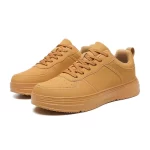


Shoes are more than fashion items—they are engineered products combining design, material science, biomechanics, and manufacturing precision.
A professional shoe manufacturer integrates advanced production technology, strict quality control systems, and global export expertise to deliver reliable, comfortable, and market-ready footwear solutions for brands, wholesalers, and retailers worldwide.
1. Understanding the Modern Footwear Industry
The global footwear industry is one of the largest consumer goods sectors, covering:
- Fashion shoes
- Sports footwear
- Casual shoes
- Safety shoes
- Outdoor boots
- Children’s footwear
From my direct experience working with footwear exporters and international buyers, I have seen that successful shoe manufacturing requires not only craftsmanship but also strong supply chain coordination, compliance awareness, and consistent quality management.
Footwear is not a simple commodity. It involves structural engineering, comfort science, aesthetic design, and brand positioning.
2. Types of Shoes Manufactured
Professional shoe manufacturers typically specialize in:
2.1 Sports Shoes
- Running shoes
- Training shoes
- Basketball shoes
- Performance footwear
Require advanced cushioning and shock absorption.
2.2 Casual Shoes
- Sneakers
- Slip-ons
- Everyday comfort shoes
Focus on lightweight materials and versatility.
2.3 Leather Dress Shoes
- Formal shoes
- Oxford & Derby styles
- Luxury leather footwear
Emphasize craftsmanship and premium materials.
2.4 Safety Shoes
- Steel toe
- Anti-slip
- Oil-resistant
Require certification compliance.
2.5 Outdoor Boots
- Hiking boots
- Waterproof boots
- Insulated winter footwear
Designed for durability and weather resistance.
3. Materials Used in Shoe Manufacturing
Material selection directly affects comfort, durability, and market positioning.
Upper Materials
- Genuine leather
- PU leather
- Mesh fabric
- Knit fabric
- Suede
Sole Materials
- EVA (lightweight cushioning)
- Rubber (durability and traction)
- PU (flexibility and comfort)
- TPU (performance sports shoes)
Insole Materials
- Memory foam
- Latex
- Orthopedic foam
Professional factories carefully test material strength, flexibility, and abrasion resistance.
4. Shoe Manufacturing Process
A professional shoe production process includes:
- Design & pattern development
- Sample making
- Material sourcing
- Cutting
- Stitching
- Lasting
- Sole attaching
- Finishing
- Quality inspection
- Packaging
Each stage requires skilled workers and standardized procedures.
5. Comfort Engineering & Biomechanics
Modern footwear manufacturing incorporates biomechanics research:
- Arch support design
- Heel impact reduction
- Shock absorption systems
- Breathable ventilation structure
In sports footwear, midsole engineering plays a crucial role in injury prevention and athletic performance.
6. Quality Control Systems
Reliable shoe manufacturers implement:
- Raw material inspection
- Adhesion testing
- Flexing resistance testing
- Slip resistance testing
- Wear simulation testing
Certifications may include:
- ISO quality management
- CE (for safety shoes)
- SGS testing reports
Strict quality control reduces defect rates and enhances brand reputation.
7. OEM & ODM Footwear Services
Professional shoe factories provide:
- OEM production (client design)
- ODM design support
- Private label manufacturing
- Logo customization
- Custom packaging
Customization options include:
- Color variations
- Sole upgrades
- Branding on tongue, heel, insole
- Custom shoe boxes
OEM services allow brands to launch their own footwear lines efficiently.
8. Production Capacity & Factory Facilities
A reliable shoe manufacturer typically operates:
- Automated cutting machines
- Injection molding machines
- Stitching production lines
- Testing laboratories
- Mold development workshops
Factory capacity can range from:
- 3,000 – 20,000 pairs per day
depending on scale.
Large capacity ensures stable supply for wholesalers and brands.
9. Global Export Experience
Experienced shoe exporters serve markets including:
- North America
- Europe
- Middle East
- Southeast Asia
- Africa
Export services include:
- Custom documentation
- Carton labeling
- Container loading optimization
- Quality inspection reports
Professional export teams reduce risk and ensure smooth customs clearance.
10. Sustainability in Footwear Manufacturing
The industry is increasingly focusing on:
- Recycled materials
- Water-based adhesives
- Eco-friendly packaging
- Reduced carbon emissions
Sustainable footwear enhances brand credibility and meets regulatory standards in developed markets.
11. Pricing Factors in Shoe Manufacturing
Shoe pricing depends on:
- Material quality
- Design complexity
- Sole type
- Order quantity
- Packaging requirements
Bulk production lowers per-unit cost significantly.
12. Why Choose an Experienced Shoe Manufacturer?
From my industry involvement and supply chain coordination experience, trustworthy shoe manufacturers offer:
- Stable material sourcing
- Skilled labor
- Transparent communication
- On-time production
- Consistent product quality
Long-term partnerships reduce operational risks and improve profitability.
13. Market Trends in Footwear Industry
Current global trends include:
- Lightweight athletic footwear
- Sustainable materials
- Direct-to-consumer brands
- Customizable sneakers
- Smart footwear technology
Manufacturers who adapt to trends stay competitive in international markets.
14. Inventory & Stock Management
There are two common production models:
Made-to-Order
- Fully customized
- No overstock risk
Ready Stock Models
- Standard designs
- Faster delivery
Stock availability depends on production planning and season.
15. Frequently Asked Questions (FAQ)
1. Can you produce customized shoes?
Yes. We support full OEM and ODM services, including logo customization, material selection, sole design, packaging, and private label production. Please provide your design or reference samples for evaluation.
2. What is the MOQ (Minimum Order Quantity)?
MOQ depends on shoe type:
- Sports shoes: typically 300–500 pairs per model
- Leather shoes: usually 200–300 pairs
- Safety shoes: often 200–500 pairs
MOQ may vary based on customization level.
3. What is the production lead time?
Production time typically ranges:
- Sample development: 7–14 days
- Mass production: 25–45 days
Lead time depends on order quantity and material availability.
4. Do you have ready stock available?
Yes, some standard designs may be available in stock for quick shipment.
However, customized models are usually produced based on order confirmation.
Please contact us for real-time stock information.
5. Can you provide samples before bulk production?
Yes. Sample orders are available for quality verification before mass production.
16. Conclusion
Shoes are complex engineered products combining design aesthetics, comfort science, and manufacturing precision. A professional shoe manufacturer ensures:
- High-quality materials
- Strict quality control
- Reliable production timelines
- Flexible customization
- Competitive global pricing
Whether you are a footwear brand, distributor, retailer, or startup business, partnering with an experienced shoe manufacturer provides stability, product consistency, and long-term business growth.


No reply content