
China Surfboard and Snowboard Manufacturer Co., Ltd.
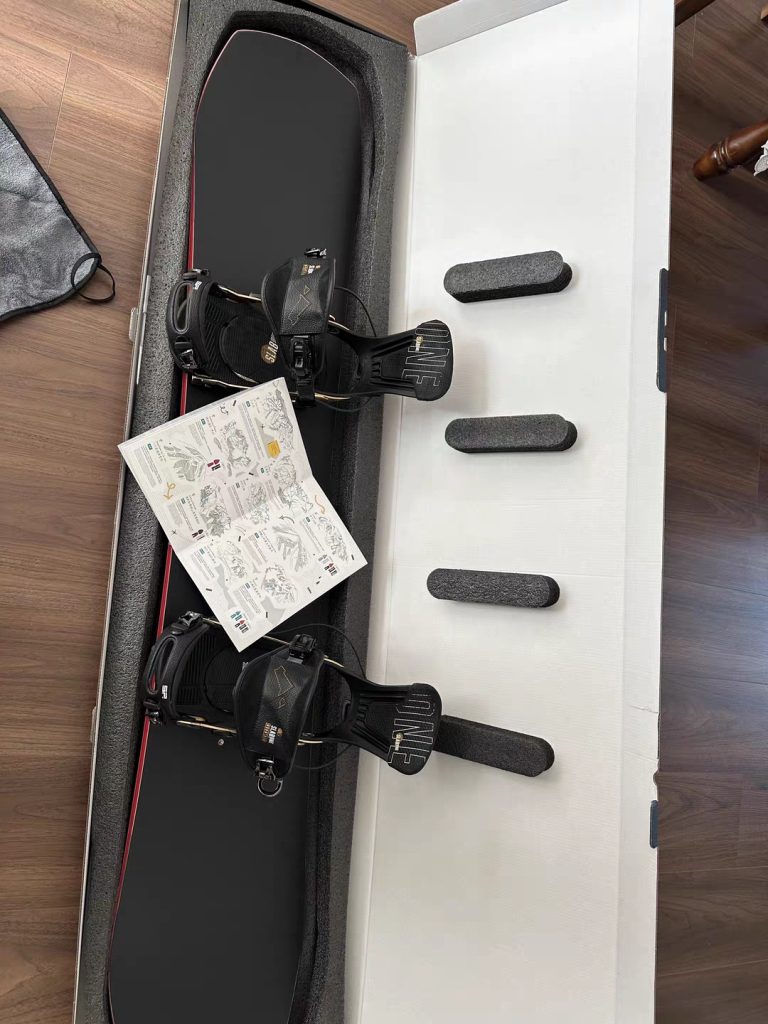
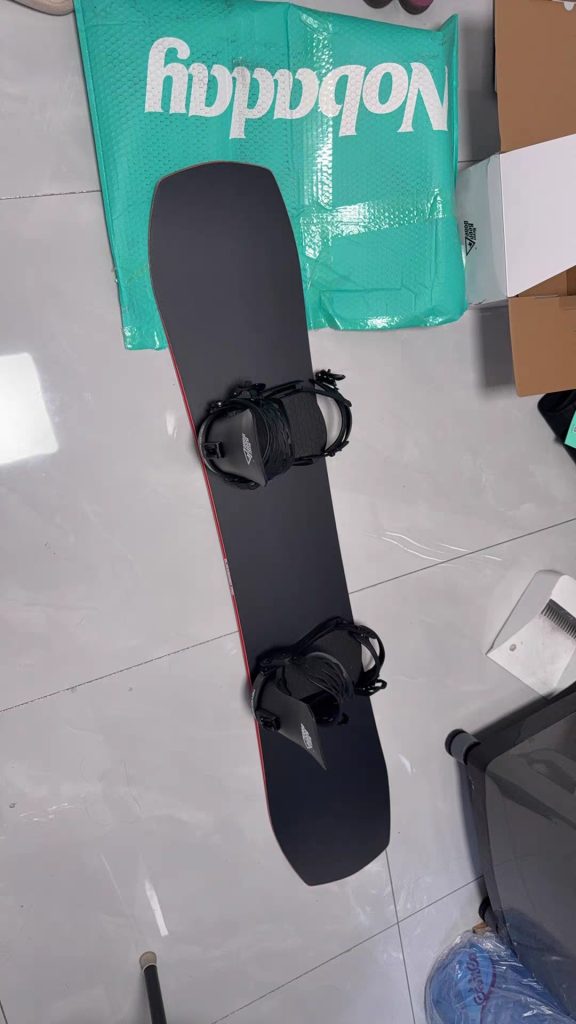
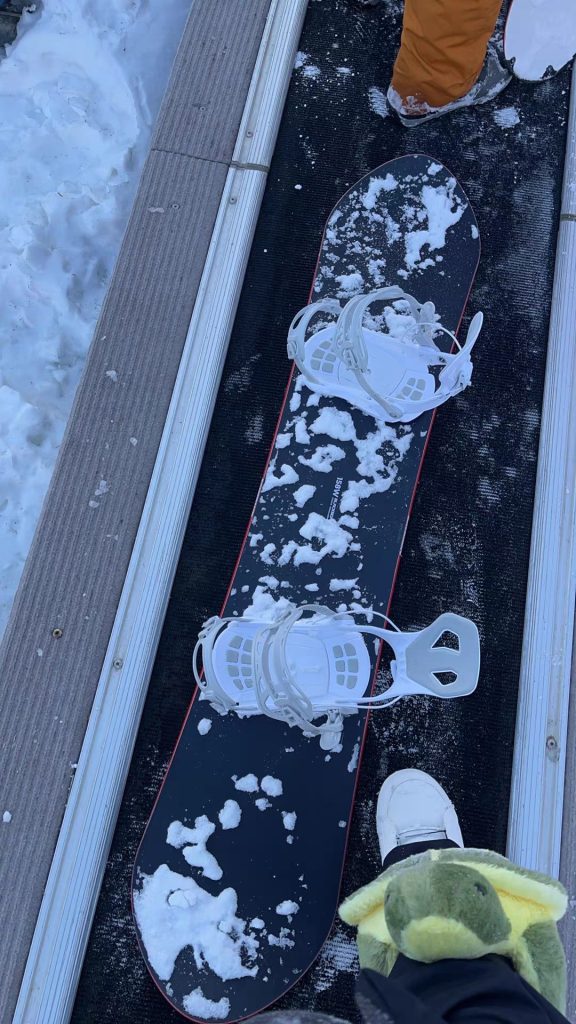
Choosing the right ski manufacturer is an important decision for ski brands, distributors, sporting-goods retailers, ski schools, and professional teams. A reliable manufacturing partner needs to provide more than attractive pricing. Consistent quality, suitable materials, precise production, customization capabilities, quality control, packaging, and dependable delivery all affect the final performance of the skis.
A professional ski manufacturer with OEM and ODM capabilities can help businesses develop products according to their target market, skiing conditions, performance requirements, and brand positioning.
What Does a Professional Ski Manufacturer Provide?
A professional ski manufacturer typically supports the complete manufacturing process, from material selection and ski construction to finishing, inspection, and packaging.
Depending on the factory’s capabilities, production services may include:
-
Alpine ski manufacturing
-
Freeride ski manufacturing
-
All-mountain ski manufacturing
-
Racing ski manufacturing
-
Junior and children’s skis
-
Touring and backcountry skis
-
Custom ski production
-
OEM ski manufacturing
-
ODM ski development
-
Private-label ski production
-
Custom graphics and branding
-
Bulk and wholesale orders
For buyers, the most important factor is whether the manufacturer can consistently reproduce the required specifications across different production batches.
Ski Construction and Material Selection
The construction of a ski has a direct influence on its weight, stiffness, durability, edge control, and overall skiing characteristics.
Common ski construction components include the core, fiberglass or composite reinforcement, top sheet, base material, steel edges, and bonding materials.
Ski Core
The core is one of the most important structural components.
Depending on the product design, manufacturers may use different types of wood or composite materials. Wood-core skis are widely used because they can provide a balanced combination of strength, elasticity, vibration absorption, and predictable flex.
Different core designs can be developed for different skiing applications.
For example, a lighter construction may be appropriate for touring-oriented skis, while a stronger and more stable construction may be preferred for demanding downhill or freeride applications.
Reinforcement Materials
Fiberglass, carbon fiber, and other composite materials may be incorporated into ski construction to modify stiffness, torsional strength, weight, and responsiveness.
The correct reinforcement structure depends on the intended use of the ski rather than simply using more reinforcement.
Ski Base
The base material affects glide performance and maintenance characteristics.
High-quality ski manufacturers pay attention to base flatness, surface finishing, and compatibility with the intended ski design.
Steel Edges
The edges provide grip on snow and ice and are particularly important for control on hard-packed slopes.
Edge geometry, installation accuracy, and bonding quality should be carefully controlled during manufacturing.
OEM Ski Manufacturing
OEM manufacturing allows a buyer to manufacture skis under its own brand.
A typical OEM project may include:
-
Product specification confirmation
-
Graphic and branding requirements
-
Material and construction selection
-
Prototype or sample development
-
Sample testing and adjustment
-
Production quotation
-
Production confirmation
-
Mass manufacturing
-
Quality inspection
-
Packaging and shipment
OEM is particularly useful for established sporting-goods brands that already have their own product specifications but need a capable manufacturing partner.
ODM Ski Manufacturing
ODM manufacturing is different from traditional OEM production because the manufacturer may provide greater assistance with product development.
An ODM project can involve:
-
Ski shape development
-
Construction recommendations
-
Material selection
-
Flex design
-
Graphic development
-
Prototype production
-
Product optimization
-
Packaging solutions
This can reduce development time for businesses that want to launch a new ski product but do not have a complete technical design.
Custom Ski Design
Customization is increasingly important for ski brands targeting specific customer groups.
A manufacturer may be able to customize:
-
Ski length
-
Ski width
-
Sidecut dimensions
-
Turning radius
-
Camber profile
-
Rocker profile
-
Flex characteristics
-
Core construction
-
Reinforcement materials
-
Base color
-
Top-sheet graphics
-
Logo placement
-
Packaging
However, customization should always be based on the intended skiing application.
A ski designed for groomed slopes will generally have different requirements from a wide freeride ski or a lightweight touring ski.
Quality Control During Ski Production
Quality control should be performed throughout the manufacturing process rather than only at the end.
Important inspection points may include:
Incoming Material Inspection
Materials should be checked before production begins. This can include dimensions, appearance, material specifications, and consistency between batches.
Construction Inspection
The manufacturer should monitor alignment, bonding, pressing, edge installation, and other key manufacturing processes.
Surface Inspection
Finished skis should be checked for scratches, delamination, uneven surfaces, graphic defects, and other visible problems.
Dimensional Inspection
Important dimensions such as ski length, width, thickness, and sidecut should be checked against approved specifications.
Final Inspection
Before shipment, finished products should undergo final inspection according to the buyer’s quality requirements.
For larger orders, buyers can also establish an agreed inspection standard before mass production begins.
How to Choose the Right Ski Manufacturer
Price should not be the only factor when selecting a factory.
Consider the following points.
1. Manufacturing Experience
Ask how long the manufacturer has been producing skis and what types of ski products it specializes in.
2. Production Capability
Confirm whether the factory can support your expected order quantity and production schedule.
3. Customization Capability
If you need OEM or ODM products, confirm whether the factory can customize construction, dimensions, graphics, branding, and packaging.
4. Quality Control
Ask about inspection procedures and whether production samples can be approved before mass production.
5. Sample Development
A professional manufacturer should be able to communicate clearly about prototypes and product revisions.
6. Packaging and Export Experience
Skis are long products that require appropriate packaging to reduce the risk of scratches, bending, or damage during transportation.
Export experience can also simplify documentation and international shipping arrangements.
What Information Should Buyers Provide?
When requesting a quotation, providing detailed specifications can help the manufacturer give a more accurate price.
Useful information includes:
-
Ski type
-
Intended market
-
Ski length
-
Ski width
-
Approximate order quantity
-
Target price range
-
Core material preference
-
Construction requirements
-
Graphic requirements
-
Logo requirements
-
Packaging requirements
-
Destination country
-
Required delivery schedule
If you do not have complete technical specifications, you can describe the intended application and target customer. An experienced manufacturer may then recommend a suitable construction.
Minimum Order Quantity
MOQ varies between manufacturers and depends on the level of customization.
Standard models may have a lower MOQ than completely customized skis because custom production can require dedicated materials, printing, molds, tooling, or production setup.
Before placing an order, buyers should confirm:
-
MOQ per model
-
MOQ per size
-
MOQ per graphic design
-
Sample charges
-
Tooling charges
-
Production lead time
-
Payment terms
Getting these details in writing helps avoid misunderstandings during production.
Ski Manufacturing for Different Markets
Different markets may have different customer expectations.
For example, a recreational ski brand may prioritize comfort, stability, durability, and ease of use. A performance-oriented brand may place greater emphasis on flex characteristics, edge control, weight, and responsiveness.
A manufacturer should therefore understand the product’s target market before recommending a construction.
Packaging and International Shipping
Proper packaging is essential for international ski orders.
Individual ski protection can help prevent surface scratches and edge damage. Multiple skis may then be packed into stronger cartons or other suitable shipping packaging.
For international wholesale orders, buyers should also consider:
-
Carton dimensions
-
Gross weight
-
Shipping volume
-
Pallet requirements
-
Export documentation
-
Shipping method
-
Destination port or warehouse
-
Insurance requirements


No reply content