
China computer manufacturers

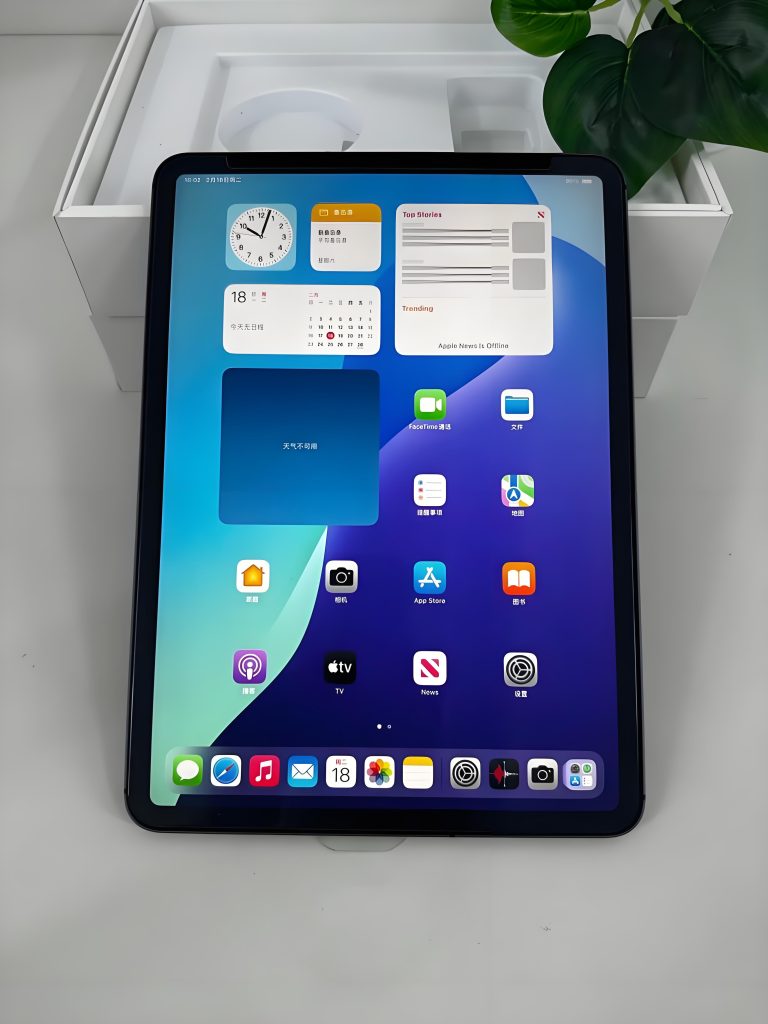
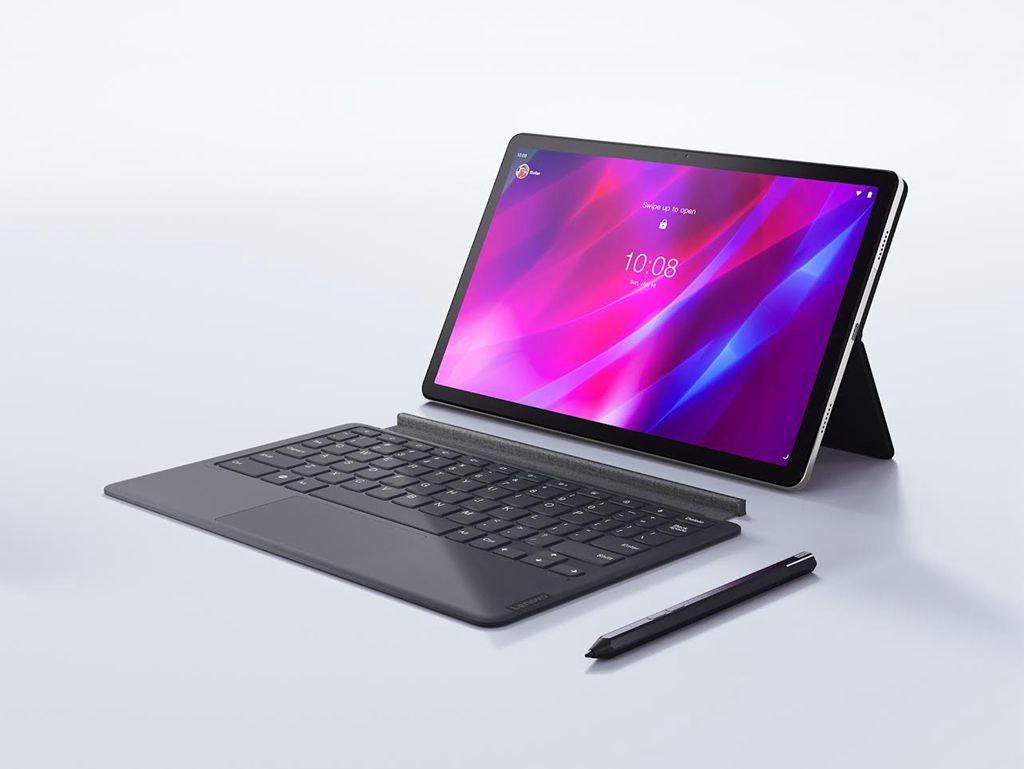
China is one of the world’s major electronics manufacturing centers, making it an important sourcing market for companies looking to purchase tablet PCs for international distribution, education, retail, hospitality, logistics, business, and industrial applications.
However, finding a suitable tablet PC manufacturer involves much more than searching for the lowest price. International buyers need to evaluate hardware specifications, manufacturing capabilities, quality control, software support, customization options, production capacity, certifications, packaging, and export experience.
This guide explains how global buyers can evaluate and work with a professional tablet PC manufacturer in China.
Why Global Buyers Source Tablet PCs From China
China has a highly developed electronics supply chain. Tablet manufacturing can involve many specialized suppliers, including manufacturers of:
-
LCD and touchscreen displays
-
PCBs
-
Processors and chipsets
-
Memory and storage
-
Batteries
-
Cameras
-
Speakers
-
Wireless communication modules
-
Metal and plastic housings
-
Chargers and cables
-
Packaging materials
The proximity of these suppliers can make product development and large-scale manufacturing more efficient.
For international buyers, another advantage is the availability of different manufacturing models. Buyers can purchase existing tablet models, add their branding, or develop customized products through OEM and ODM programs.
What Makes a Professional Tablet PC Manufacturer?
Not every company selling tablets is an actual manufacturer.
A professional manufacturer should have capabilities appropriate to the buyer’s project, which may include:
-
Product engineering
-
Hardware integration
-
Software development
-
Assembly
-
Quality control
-
Product testing
-
Packaging customization
-
Production management
-
Export support
-
After-sales service
For a standard tablet purchase, manufacturing depth may be less important. For an OEM or ODM project, however, engineering and production capabilities become critical.
Standard Tablet, OEM, and ODM Solutions
Global buyers generally have three sourcing options.
Standard Tablet Models
The manufacturer supplies an existing product with little or no customization.
Possible changes may include:
-
Logo
-
Packaging
-
Language
-
Accessories
-
Color
This option can be suitable for buyers who need a relatively quick and straightforward procurement process.
OEM Tablet
An OEM project is based on the buyer’s specifications or product requirements.
For example, a buyer could request:
-
10.1-inch display
-
Android operating system
-
8GB RAM
-
128GB storage
-
4G LTE
-
GPS
-
Custom logo
-
Custom packaging
-
Specific application
The manufacturer then produces the tablet according to the agreed specification.
ODM Tablet
ODM generally involves adapting an existing hardware platform or reference design.
The manufacturer may help with:
-
Product configuration
-
Hardware selection
-
Mechanical design
-
Software integration
-
Industrial design
-
Prototype development
-
Mass production
ODM can be useful for companies that want a differentiated product but do not have their own complete hardware engineering team.
Choosing the Right Tablet Configuration
The best configuration depends on the intended application.
Processor
The processor affects performance, power consumption, software compatibility, and product positioning.
Instead of asking only for the “fastest” processor, buyers should consider the actual workload.
A tablet used for web browsing and educational applications may have very different requirements from a tablet running industrial software or multitasking business applications.
RAM
RAM affects the ability of the tablet to handle multiple applications and processes.
Potential configurations can include:
-
4GB
-
6GB
-
8GB
-
Higher-capacity configurations for specific applications
The appropriate amount depends on the operating system, software, and target market.
Storage
Storage options may include:
-
64GB
-
128GB
-
256GB
-
Other configurations
Businesses deploying tablets for specialized applications may require less storage than consumers who store large amounts of video, photos, and applications.
Display
Important display parameters include:
-
Screen size
-
Resolution
-
Brightness
-
Touch sensitivity
-
Viewing angle
-
Cover glass
-
Aspect ratio
-
Surface treatment
For outdoor applications, brightness and readability can be especially important.
Connectivity Options for International Tablet Projects
Different markets and applications require different communication capabilities.
A tablet may be configured with:
-
Wi-Fi
-
Bluetooth
-
4G LTE
-
5G
-
GPS
-
USB Type-C
-
SIM card
-
MicroSD
-
Audio interfaces
-
NFC
For example, a warehouse tablet may require 4G and GPS, while a classroom tablet may only need Wi-Fi and Bluetooth.
Buyers should define connectivity requirements before production because changing communication modules late in the project may affect cost, software, testing, and certification requirements.
Android Tablet Software Customization
For Android-based tablet projects, software customization can be an important part of OEM manufacturing.
Depending on the manufacturer’s capabilities, customization may include:
-
Brand logo
-
Boot animation
-
Pre-installed applications
-
Default language
-
Customized launcher
-
Kiosk mode
-
Device management
-
OTA updates
-
System settings
-
Enterprise applications
For example, a company operating self-service terminals may want the tablet to automatically launch a specific application after startup.
This type of requirement should be discussed before sample production rather than after the hardware has already been finalized.
Tablet PCs for Different Industries
Education
Tablet PCs can be used for:
-
Digital learning
-
Online classes
-
Educational applications
-
Digital textbooks
-
Student testing
-
Classroom management
Education buyers may also require protective cases and centralized software management.
Retail
Retail businesses may use tablets for:
-
POS applications
-
Inventory management
-
Digital signage
-
Product catalogs
-
Customer registration
-
Self-service ordering
The appropriate configuration depends on the software and peripherals being used.
Hospitality
Hotels and restaurants can deploy tablets for:
-
Guest services
-
Digital menus
-
Room-service ordering
-
Restaurant ordering
-
Staff communication
-
Internal management
Custom software and branding can make the tablet part of the company’s overall service system.
Logistics
Logistics companies can use tablets for:
-
Warehouse management
-
Delivery management
-
Inventory tracking
-
Barcode applications
-
Proof of delivery
-
Route management
For logistics applications, durability, battery life, connectivity, and scanning capabilities may be more important than consumer-oriented features.
Industrial Applications
Industrial tablet projects may require:
-
Rugged housing
-
Protective glass
-
High-brightness displays
-
Extended battery life
-
Wide temperature operating range
-
GPS
-
4G or 5G
-
NFC
-
Barcode scanning
-
Specialized interfaces
Industrial specifications should be defined precisely before the manufacturer develops the product.
Quality Control for Tablet Manufacturing
Quality control is essential because tablets combine many electronic and mechanical components.
A professional production process may include several inspection stages.
Incoming Component Inspection
Components can be checked before production, including:
-
Displays
-
Batteries
-
PCBs
-
Cameras
-
Memory
-
Storage
-
Housings
-
Connectors
Assembly Inspection
During assembly, production teams may inspect:
-
Cable connections
-
PCB installation
-
Battery installation
-
Screen alignment
-
Housing assembly
-
Buttons
-
Connectors
Functional Testing
Finished tablets can be tested for:
-
Display
-
Touchscreen
-
Wi-Fi
-
Bluetooth
-
Camera
-
Speaker
-
Microphone
-
USB
-
Charging
-
Battery
-
Buttons
-
Software
Final Inspection
Before shipment, final inspection can verify:
-
Appearance
-
Quantity
-
Accessories
-
Packaging
-
Product labels
-
Basic functionality
For large international orders, buyers may also arrange third-party inspection according to an agreed inspection standard.
Certifications and Market Requirements
Certification requirements depend on the destination market, tablet configuration, wireless functions, battery, charger, and applicable regulations.
Global buyers should not simply ask whether a tablet “has certificates.” Instead, they should determine which certifications and regulatory documents are actually required for the target country.
Potential requirements may involve:
-
Electrical safety
-
Electromagnetic compatibility
-
Radio equipment
-
Battery transportation
-
Environmental regulations
-
Charger requirements
The buyer should verify current requirements for the intended market before placing a commercial order.
How to Request a Tablet PC Quote
A professional RFQ should contain as much technical information as possible.
For example:
Product: Android Tablet PC
Screen: 10.1-inch
RAM: 8GB
Storage: 128GB
Network: Wi-Fi + 4G LTE
GPS: Required
Camera: Front + rear
Battery: Required capacity to be discussed
Logo: Custom
Packaging: Custom retail box
Quantity: 1,000 units
Destination: Europe
A manufacturer can provide a much more useful quotation when the requirements are specific.
What Determines Tablet PC Pricing?
The final price depends on the complete configuration.
Major factors include:
-
Processor
-
Display
-
RAM
-
Storage
-
Battery
-
Camera
-
Wireless modules
-
Housing material
-
Software customization
-
Logo and packaging
-
Accessories
-
Order quantity
-
Tooling requirements
-
Testing requirements
Therefore, two tablets with the same screen size can have significantly different prices.
MOQ and Production Quantity
Minimum order quantity depends on the product and customization level.
A standard model with a simple logo may require less commitment than a completely customized tablet.
MOQ can be affected by:
-
Custom mold
-
Custom PCB
-
Custom packaging
-
Special color
-
Customized battery
-
Special display
-
Firmware development
For a new product, buyers should ask the manufacturer to provide MOQ and pricing for different quantities.
Why Samples Are Important
A sample provides an opportunity to evaluate the actual product before mass production.
Buyers should test:
-
Screen quality
-
Touch response
-
System stability
-
Wi-Fi
-
Bluetooth
-
Cellular connectivity
-
GPS
-
Camera
-
Speakers
-
Battery performance
-
Charging
-
Applications
-
Physical construction
If software is important, the buyer should test the actual application on the sample rather than relying only on technical specifications.
Packaging and Private Label
A professional tablet manufacturer may offer private-label packaging solutions.
Possible customized items include:
-
Retail box
-
Logo
-
User manual
-
Warranty card
-
Charger
-
USB cable
-
Protective case
-
Product labels
-
Shipping cartons
Packaging specifications should be confirmed before mass production.
International Shipping Considerations
Tablet PCs often contain lithium-ion batteries, so international transportation requires appropriate handling.
Before shipment, buyers should confirm:
-
Shipping method
-
Battery information
-
Required transportation documents
-
Commercial invoice
-
Packing list
-
Product description
-
Destination import requirements
-
Packaging requirements
For larger orders, sea freight may be considered when delivery time permits. Air freight may be suitable when faster transportation is required.
The final logistics solution should be selected according to destination, quantity, weight, volume, urgency, and applicable regulations.
How Global Buyers Can Verify a Supplier
Before committing to a large order, buyers can request:
-
Company information
-
Factory information
-
Product catalog
-
Technical specifications
-
Sample
-
Quality-control information
-
Production photos or videos
-
Relevant certificates
-
Packaging examples
-
OEM/ODM project information


No reply content