
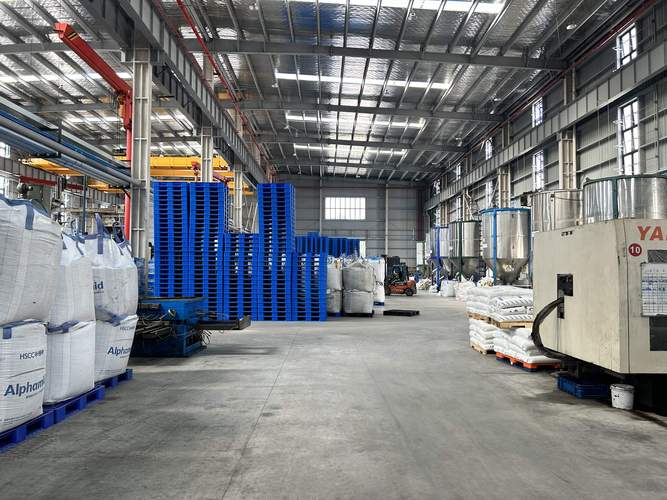
Plastic Pallet Factory
In modern logistics, the pallet is no longer just a passive platform for moving goods; it is a critical component of your supply chain automation. Yet, many procurement officers still make the mistake of choosing pallets based solely on the initial purchase price.
With the rise of AS/RS (Automated Storage and Retrieval Systems) and strict FSMA (Food Safety Modernization Act) regulations, selecting the wrong pallet can lead to catastrophic racking failures or hygiene violations.
Here is the technical breakdown of what defines a high-performance plastic pallet.
1. Material Science: Virgin HDPE vs. Recycled Regrind
The foundation of a pallet’s lifespan is its resin composition.
-
Virgin HDPE (High-Density Polyethylene): Premium pallets use 100% virgin material. This ensures high impact resistance, preventing shattering in freezing temperatures (-30°C) and maintaining structural integrity under heavy loads.
-
The “Regrind” Trap: While recycled pallets are eco-friendly, excessive regrind can make the plastic brittle. We offer a hybrid solution: a virgin “cap” layer for strength and a recycled “core” for sustainability, meeting both ISPM 15 exemption and durability standards.
2. Structural Design: Rackable vs. Nestable
Understanding the application is crucial for safety.
-
Rackable Pallets: These feature reinforced steel bars or thick structural ribs to support massive loads (up to 2000kg) while suspended on racking beams without sagging. Sagging leads to product damage and racking collapse.
-
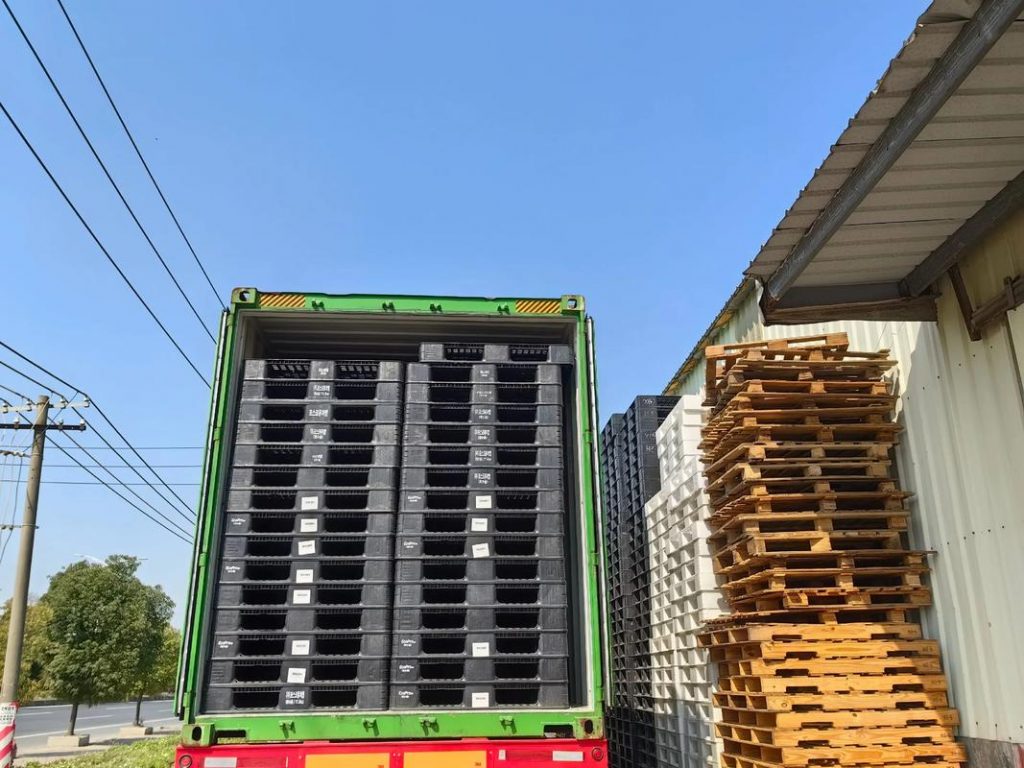
Nestable Pallets: Designed with a “cup” design that allows empty pallets to nest inside one another, saving up to 70% of trailer space during return transport. This is the gold standard for one-way shipping or export.
3. Hygiene & Compliance: The Smooth Advantage
For the Food, Beverage, and Pharma industries, wood is no longer an option.
-
Non-Porous Surface: Unlike wood, plastic does not absorb moisture or harbor bacteria (Salmonella/E.Coli). Our pallets are FDA-compliant and feature smooth, easy-to-clean surfaces that withstand high-pressure washdowns and chlorinated cleaning agents.
-
Forklift Entry: We engineer our pallets with chamfered entry points to prevent “hang-ups” on conveyor systems, ensuring seamless flow in automated distribution centers.
4. The RFID Integration: Smart Logistics
The future of warehousing is tracking.
-
Embedded RFID Tags: We offer pallets with pre-molded cavities for RFID (Radio Frequency Identification) chips. This allows for real-time inventory tracking without manual scanning, drastically reducing labor costs and lost asset rates.
Comparison: Wood vs. Premium Plastic Sourcing
Feature |
Treated Wood Pallet |
Premium Plastic Pallet (Our Focus) |
|---|---|---|
Lifespan |
3-5 trips (Prone to splintering) |
10+ Years (Up to 100+ trips) |
Weight |
Heavy (Inconsistent) |
Lightweight (Consistent density) |
Hygiene |
Harbors pests/mold (ISPM 15 req.) |
Sanitary, Washable, No ISPM 15 |
Repair |
Frequent nail/slat repairs |
Zero Maintenance (No splinters) |
Automation |
Jams conveyors (Inconsistent size) |
Perfect Dimensions for Robotics |
Conclusion: What to Ask Your Supplier
When sourcing your next batch, calculate the Total Cost of Ownership (TCO) rather than the unit price. Ask these four questions:
-
“What is the dynamic load vs. rackable load capacity of this model?”
-
“Is the material Virgin HDPE, and can you provide the FDA compliance certificate?”
-
“Does this pallet have 4-way entry compatible with automated forks?”
-
“Do you offer a buy-back or recycling program for damaged pallets?”


No reply content