
Custom CNC Machining Parts Manufacturer in Dongguan China
China
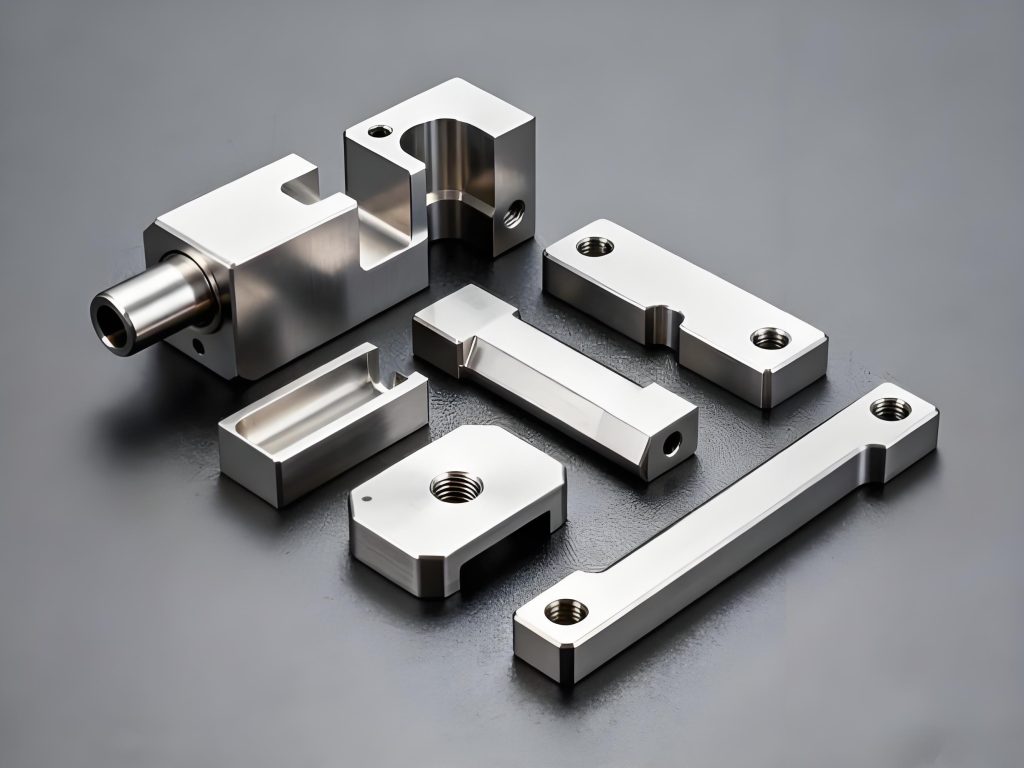
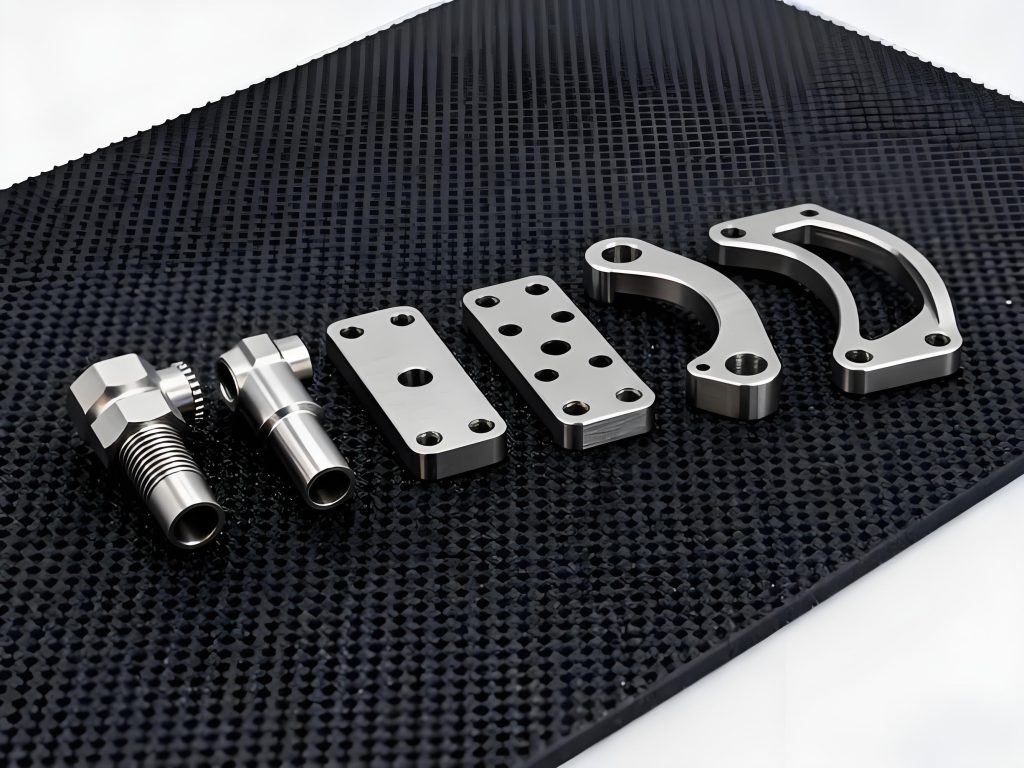
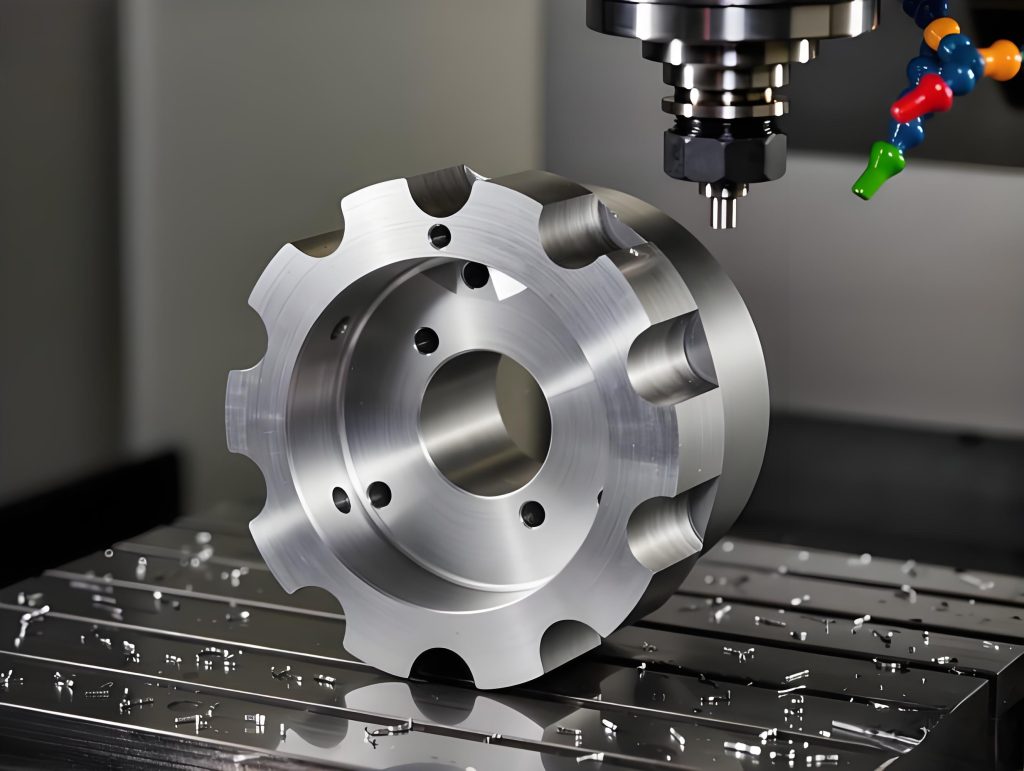
In the high-stakes world of injection molding and die casting, time-to-market is everything. But speed means nothing if the mold fails prematurely. For tooling engineers and procurement managers, the challenge is finding a manufacturing partner who can bridge the gap between rapid prototyping and full-scale production without sacrificing micron-level accuracy.
This article breaks down how advanced machining workflows transform raw steel into functional mold inserts and cavities—fast—and answers the critical questions buyers ask before releasing an RFQ.
The Core Challenge: From “Concept” to “Production-Ready” in Days
Traditional mold making follows a linear path: Design → Order Material → Rough Machine → Heat Treat → Finish Machine. This is too slow for modern product development. Rapid prototyping of mold components requires a parallel processing strategy:
| Traditional Path | Rapid Prototyping Path | Time Saved |
|---|---|---|
| Sequential steps | Concurrent operations (Roughing while heat treating) | 30-50% |
| Standard tolerance (±0.01mm) | Pre-compensated tolerance (accounting for heat treat growth) | Reduces rework |
| Generic materials | Pre-hardened or optimized alloys (e.g., NAK80, Stavax) | Eliminates secondary ops |
The Technology Stack: How Precision is Achieved at Speed
To deliver precision mold inserts and cavities rapidly, we integrate three core technologies:
-
High-Speed Hard Milling (HSM):We utilize micro-grain carbide tooling and high-RPM spindles to machine hardened steels (HRC 45-52) directly. This eliminates the need for EDM in many draft angles and straight walls, significantly cutting lead times.
-
Precision Wire EDM:For internal corners with a true radius of 0.1mm or less, sinker EDM is irreplaceable. Our machines hold positional accuracy of ±0.002mm, ensuring perfect mating between core and cavity.
-
In-Process Metrology:We don’t wait until the end to inspect. Using on-machine probing systems, we verify critical dimensions mid-cycle, allowing for real-time adjustments that prevent scrap.
Material Selection: The Foundation of Dimensional Stability
The choice of steel dictates the feasibility of rapid turnaround. Here are the typical choices for fast-turn inserts:
| Material | Hardness (HRC) | Best For | Thermal Stability |
|---|---|---|---|
| NAK80 | 37-43 | Optical lenses, high-polish surfaces | Excellent (pre-hardened, minimal warping) |
| S136 / 1.2083 | 48-52 | Medical parts, corrosive environments | Good (requires controlled hardening) |
| SKD61 / H13 | 44-48 | High-temperature die casting inserts | Fair (prone to size change during HT) |
Integrated Workflow: From RFQ to First Article
Our rapid production cycle is designed for transparency and speed:
-
RFQ & DFM (0-24 hours): We analyze your 3D model (STEP/IGES) for draft angles, undercuts, and tolerance stack-up.
-
Material Sourcing (Same Day): We maintain stock of NAK80, S136, and SKD61 to avoid supplier delays.
-
Machining & Heat Treatment (3-7 days): Concurrent roughing and stress relieving.
-
Finishing & Texturing (1-3 days): EDM for sharp corners, polishing to SPI standards.
-
CMM Inspection & FAIR (1 day): Full dimensional report before shipment.
FAQ: Addressing Buyer Concerns on Rapid Mold Component Manufacturing
Q1: How fast is “rapid”? Can you really deliver hardened inserts in 5 days?
A: For standard geometries in NAK80 (pre-hardened), yes, delivery in 5-7 business days is achievable. For complex SKD61 inserts requiring vacuum heat treatment and deep cryogenic processing, the cycle extends to 10-14 days. The key is starting with pre-certified material stock.
Q2: Does rapid machining compromise the internal structure of the steel?
A: No. Our High-Speed Machining (HSM) strategy uses light depths of cut and high spindle speeds, which generates less heat than conventional milling. This preserves the metallurgical integrity of the steel, unlike aggressive conventional machining which can induce residual stresses.
Q3: How do you handle shrinkage and warpage during heat treatment?
A: We apply pre-compensation algorithms based on the material’s known thermal expansion coefficient. For example, if SKD61 grows by 0.1% during quenching, we machine the cavity 0.1% undersized. We also use cryogenic treatment to convert retained austenite, stabilizing dimensions for long-term use.
Q4: What is your tolerance capability for mold inserts?
A: We routinely hold ±0.002mm on critical sealing surfaces and ±0.005mm on overall dimensions. For slide fits and guide pin holes, we typically work to H7/h6 standards. All critical dimensions are verified via CMM.
Q5: Can you produce “production-grade” prototypes, or are they just for testing?
A: Our rapid prototypes are bridge tooling. They are made from the same production-grade materials (e.g., hardened S136) and are designed to last for thousands of cycles. This allows you to validate the mold design with actual production resin before committing to a full hardened mold base.
Conclusion: Speed Without Sacrifice
Rapid prototyping of mold inserts and cavities is not about cutting corners; it’s about optimizing the entire manufacturing ecosystem. By integrating HSM, precision EDM, and smart material logistics, we deliver components that meet the strictest tolerances—on your timeline.
Ready to accelerate your tooling program? Submit your 3D files for a DFM review and a firm quotation within 24 hours.


No reply content