Container House Co., Ltd

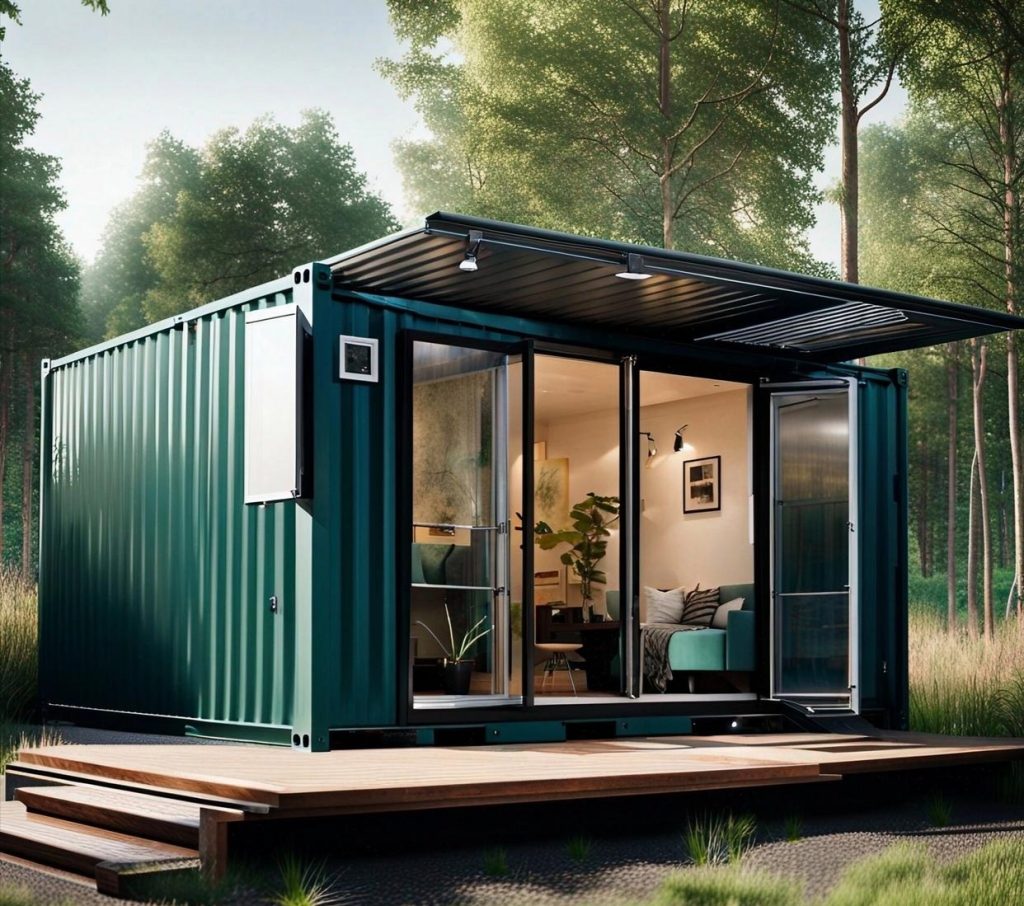

Ready-to-move-in container houses combine modular design, eco-friendly materials, and rapid assembly. Stylish aesthetics, space efficiency, and 30-50% cost savings vs. traditional homes make them ideal for residential, commercial, and disaster relief use. 📦🏠⚡💰🎨🔧🌍
(Small Icons: Shipping Container📦, House🏠, Lightning⚡ (quick assembly), Wallet💰 (cost-effective), Paintbrush🎨 (stylish design), Wrench🔧 (practical), Globe🌍 (sustainable), Solar Panel☀️ (eco-friendly), Heart❤️ (comfort), Blueprint📐 (modular))
Introduction: The Housing Revolution – From Steel Boxes to Dream Homes
Traditional homebuilding faces persistent challenges: soaring costs (average $300k+ for a 3-bedroom house), lengthy construction timelines (6-12 months), and limited flexibility. Enter ready-to-move-in container houses—repurposed shipping containers transformed into stylish, durable dwellings. These modular units offer rapid assembly (2-4 weeks), 30-50% cost savings, and customizable designs, making them a game-changer for homeowners, businesses, and communities. This article explores their technical innovation, practical benefits, and growing role in modern housing.
Technical Deep Dive: How Ready-to-Move-In Container Houses Work
The appeal of these houses lies in their integrated modular architecture, blending industrial durability with residential comfort.
1. Core Technical Modules
| Module | Key Features | Innovation Highlights |
|---|---|---|
| Modular Structure | Standard 20ft/40ft ISO shipping containers (corrugated corten steel); reinforced corners for stacking (up to 3 floors). | Interlocking joints (no welding needed); seismic-resistant design (withstands 8.0 magnitude earthquakes). |
| Thermal Insulation | Polyurethane foam (PUF) insulation (R-value 28); double-glazed windows; reflective roof coatings. | Vapor barrier film (prevents condensation); self-healing insulation cracks (microcapsule technology). |
| Internal Systems | Pre-installed plumbing (PEX pipes), electrical wiring (LED lighting), HVAC (mini-split systems); modular furniture (foldable beds, convertible tables). | Smart home hub (controls lighting/HVAC via app); greywater recycling system (reduces water use by 40%). |
| Exterior Finishes | Weather-resistant cladding (fiber cement boards, wood-plastic composites); customizable facades (paint, wood slats, metal panels). | Anti-corrosion coating (extends lifespan to 50+ years); green roofs (improves insulation and biodiversity). |
2. Standardized Assembly Workflow
Take a 3-bedroom family container home as an example:
-
Design Phase: Client selects layout (e.g., 2x40ft containers side-by-side), finishes (wood-clad exterior, minimalist interior), and systems (solar panels, rainwater harvesting).
-
Production: Containers are modified in a factory—cutting openings for windows/doors, adding insulation, installing wiring/plumbing.
-
Transport: Modified containers shipped to site via truck (40ft container fits on standard trailers).
-
Assembly: Cranes position containers; interlocking joints connect them; utility lines (water/electricity) linked to municipal grids or off-grid systems.
-
Finishing: Exterior cladding applied; interior painting/flooring installed; final inspection (checks for leaks, electrical safety).
-
Move-In: Client receives keys within 4 weeks of order confirmation.
3. R&D Focus: Enhancing Livability
Manufacturers invest in three areas:
-
Smart Integration: Voice-controlled lighting, occupancy sensors (adjust HVAC automatically).
-
Sustainable Materials: Bamboo flooring, recycled steel (reduces carbon footprint by 60%).
-
Disaster Resilience: Flood-proof bases (elevated 1m above ground), fire-retardant insulation.
Core Advantages: Why Choose Ready-to-Move-In Container Houses?
1. Stylish Design: From Industrial Chic to Modern Minimalism
-
Customizable Facades: Wood slats, metal panels, or living walls transform steel boxes into architectural statements.
-
Interior Flexibility: Open-plan layouts (remove container walls for larger spaces) or multi-level designs (stack containers for lofts).
2. Practicality: Space Efficiency Meets Functionality
-
Compact Luxury: Foldable furniture (sofa beds, wall-mounted desks) maximizes space in 20ft units (160 sq ft).
-
All-in-One Delivery: Pre-installed kitchens, bathrooms, and storage eliminate on-site construction mess.
3. Cost-Effectiveness: 30-50% Savings vs. Traditional Homes
-
Lower Construction Costs: Factory production reduces labor/time (2-4 weeks vs. 6-12 months).
-
Minimal Maintenance: Corten steel resists rust; insulated walls cut heating/cooling bills by 40%.
4. Sustainability: Eco-Friendly from Start to Finish
-
Repurposed Materials: Each container saves ~3,500kg of steel from landfills.
-
Energy Independence: Solar panels + battery storage enable off-grid living (ideal for remote areas).
Application Scenarios: Who Uses Container Houses?
1. Residential Homes
-
Urban Dwellers: Compact 20ft units for singles/couples (affordable city living).
-
Rural Families: 40ft+ units with gardens (low-cost suburban housing).
2. Commercial Spaces
-
Pop-Up Shops: Retailers use 20ft containers for temporary stores (easy relocation).
-
Remote Offices: 40ft units with meeting rooms (construction sites, mining camps).
3. Disaster Relief
-
Emergency Shelters: Deployable in 48 hours; withstand floods/windstorms (used in hurricane-prone regions).
4. Vacation Rentals
-
Glamping Sites: Mountain/lakefront containers with panoramic windows (unique guest experiences).
Innovation Trends: The Future of Container Living
1. Smart Container Homes
-
AI-Powered Management: Predictive maintenance (alerts for HVAC/plumbing issues).
-
Integrated Renewable Energy: Wind turbines + solar panels for 100% off-grid power.
2. Community-Oriented Designs
-
Container Villages: Shared amenities (kitchens, laundries) in clustered units (affordable housing projects).
-
Co-Living Spaces: Multi-container complexes with private bedrooms and communal lounges.
3. Circular Economy Integration
-
Recyclable Components: Furniture made from recycled plastics; biodegradable insulation.
-
Container Take-Back Programs: Old units refurbished for new clients (reduces waste).
Procurement Guide: How to Get Your Container Home
-
Needs Assessment: Define size (20ft/40ft/combination), budget ($20k-$100k), and location (urban/rural/off-grid).
-
Design Selection: Choose from pre-made templates (modern, rustic, industrial) or custom designs (3D modeling available).
-
Site Preparation: Ensure flat ground (gravel base for drainage); obtain permits (check local zoning laws for container homes).
-
Order & Delivery: Place order; track production via client portal; arrange transport to site.
-
Installation & Handover: Supervise assembly (1-3 days); receive training on systems (HVAC, solar panels).
Quality Assurance: Built to Last
-
Certifications: ISO 9001 (quality management), LEED (green building), ICC (International Code Council) compliance.
-
Warranty: 10-year structural warranty; 2-year coverage for electrical/plumbing.
-
After-Sales Support: 24/7 helpline; network of local technicians (48h response time).
Case Study: A Family’s Container Home Journey
Client: The Martinez Family (4 members, California)
Challenge: High housing costs ($800k+ for a 3-bedroom home) and desire for a sustainable lifestyle.
Solution: Ordered a 2x40ft container home with solar panels, rainwater harvesting, and a green roof.
Results:
-
Cost Savings: Total cost $120k (vs. $800k traditional home), 85% less.
-
Timeframe: From order to move-in: 5 weeks.
-
Sustainability: Solar panels cover 100% of electricity use; rainwater meets 50% of water needs.
-
Satisfaction: “It’s cozy, stylish, and we love the low bills!” – Maria Martinez.
FAQ: Common Questions About Ready-to-Move-In Container Houses
Q1: How much does a ready-to-move-in container house cost?
A: Basic 20ft unit: $15k-$25k; 40ft unit: $25k-$40k; larger combinations (2-3 containers): $50k-$100k (includes insulation, wiring, and basic finishes).
Q2: Are container houses durable?
A: Yes—corten steel resists rust (lifespan 50+ years); reinforced structures withstand extreme weather (wind up to 150mph, snow up to 30psf).
Q3: Can I customize the design?
A: Absolutely—choose exterior finishes (wood, metal, paint), interior layouts (open-plan/partitioned), and add-ons (solar panels, skylights, decks).
Q4: How long does assembly take?
A: 1-3 days on-site (after factory production and transport). Total timeline: 2-4 weeks from order to move-in.
Q5: Are they legal to live in?
A: Yes—most regions allow container homes with proper permits. Check local zoning laws (some areas require permanent foundations).
Conclusion: The Future of Housing is Modular
Ready-to-move-in container houses are redefining affordable, sustainable living. By merging industrial efficiency with residential comfort, they offer a stylish, practical alternative to traditional construction. As technology advances (smart integration, circular materials), these “steel homes” will play a key role in solving global housing shortages—one container at a time.
⭐ User Reviews
Maria Martinez 🇺🇸
Homeowner, California
⭐⭐⭐⭐⭐
“Our 2x40ft container home is perfect! $120k total, 5 weeks to move in, and solar panels cut our electric bill to $0. The kids love the loft bedroom. Best decision ever!”
Lars Nielsen 🇩🇰
Eco-Tourism Owner, Denmark
⭐⭐⭐⭐⭐
“Using 4 containers for glamping cabins by the fjord. Guests adore the panoramic windows and low energy use. 10-year warranty gives us peace of mind. Bookings are up 40%!”
Yuki Tanaka 🇯🇵
Disaster Relief Coordinator, Japan
⭐⭐⭐⭐⭐
“Deployed 10 container shelters after the earthquake—assembled in 2 days, withstood aftershocks. They’re now used as community centers. Lifesavers!”
Carlos Silva 🇧🇷
Remote Office Manager, Brazil
⭐⭐⭐⭐☆
“40ft container office at our mining site—pre-wired for internet, AC keeps it cool. Only wish it had more natural light, but skylights fixed that. Great value!”
Priya Patel 🇮🇳
Urban Planner, India
⭐⭐⭐⭐⭐
“Advocating container villages for affordable housing in Mumbai. 20ft units at $20k each fit tight budgets. Local officials love the fast deployment. A win-win!”
Keywords: Ready-to-move-in container houses, stylish modular homes, cost-effective prefab housing, sustainable container homes, rapid assembly homes, eco-friendly modular construction, disaster relief shelters, smart container living, customizable tiny homes, off-grid container houses


No reply content