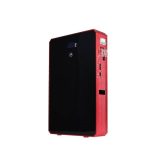
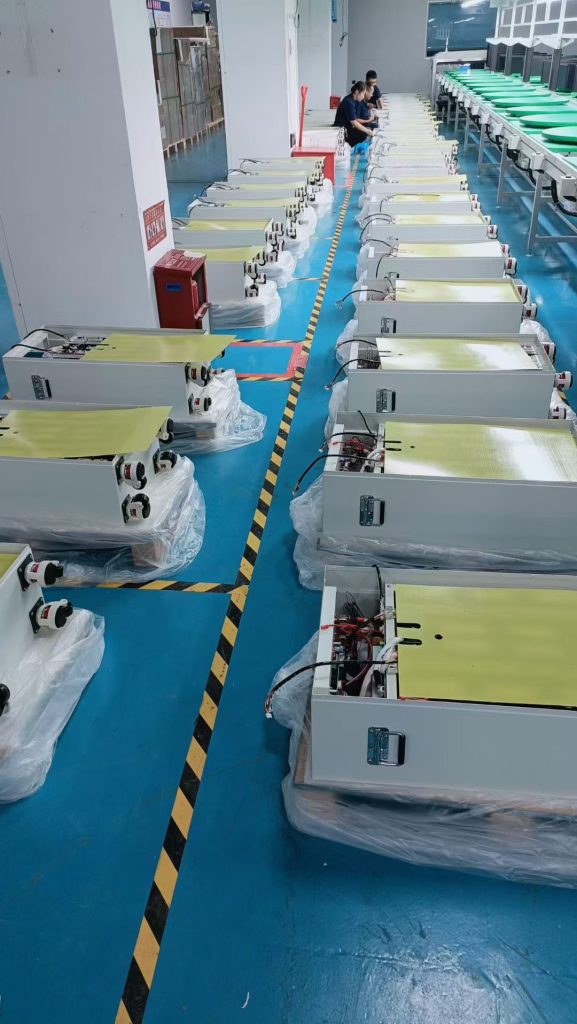
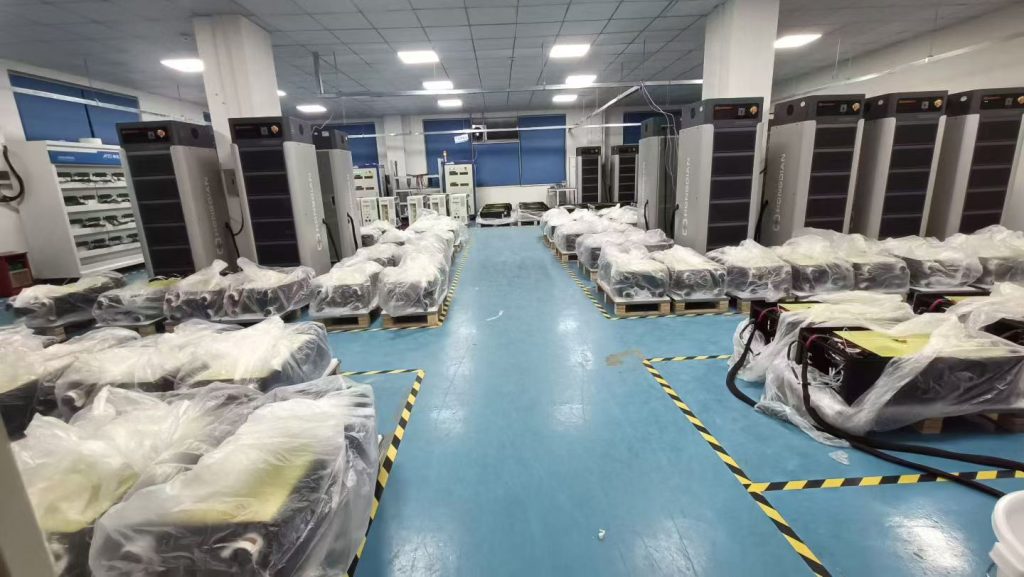
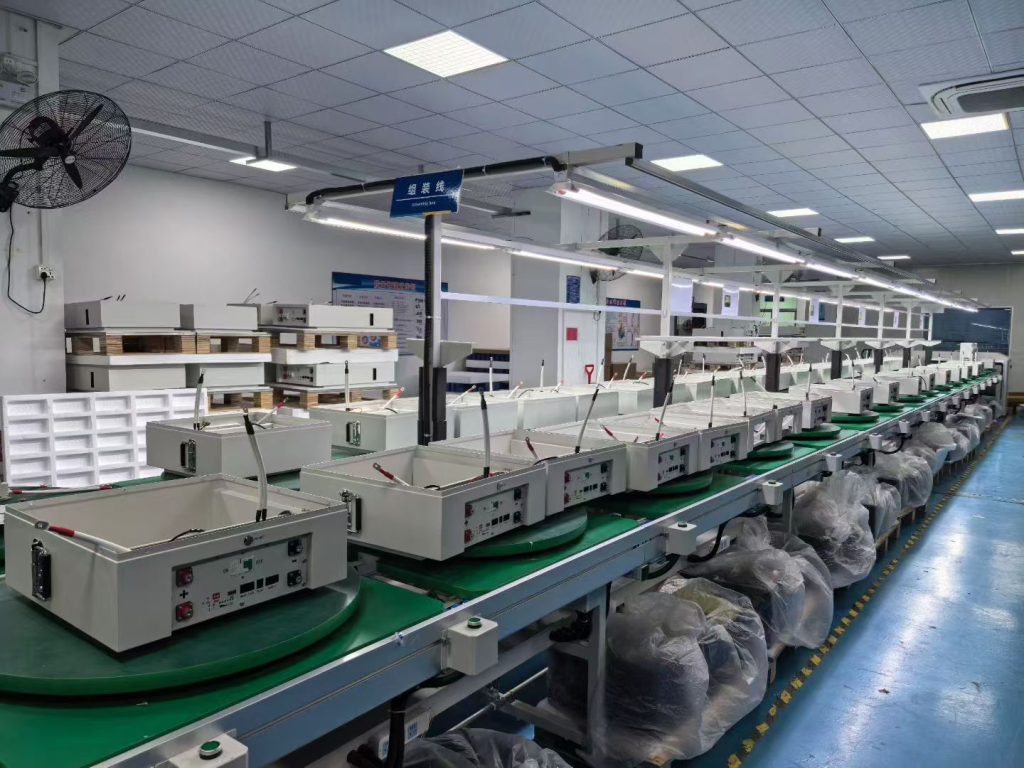
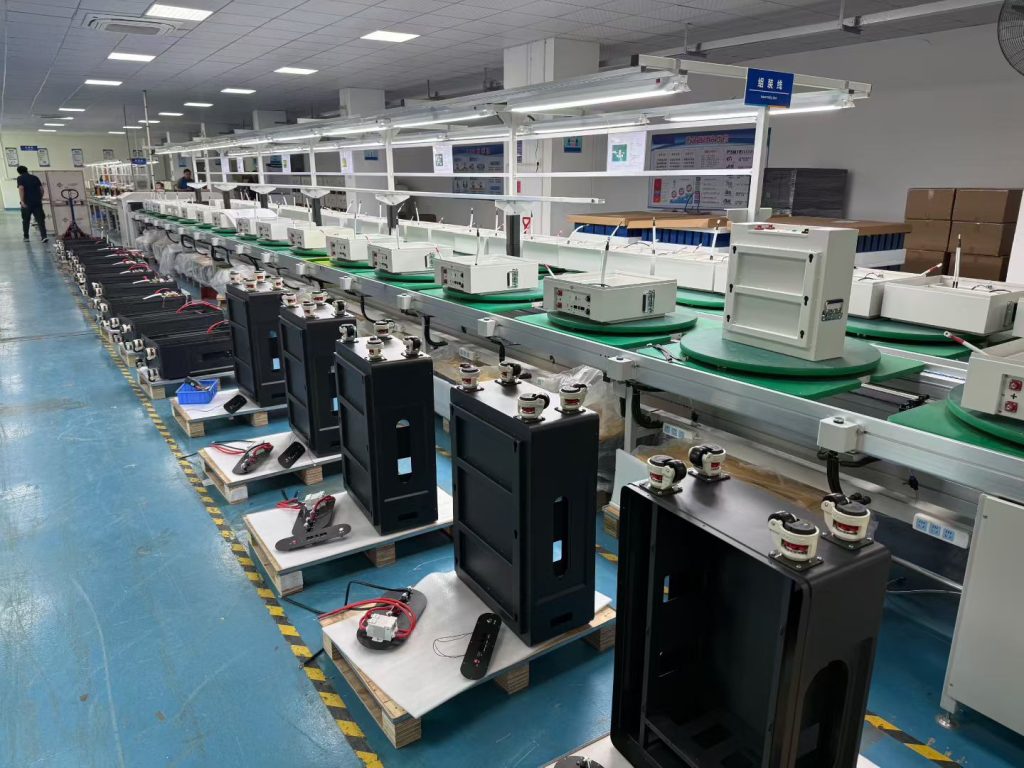
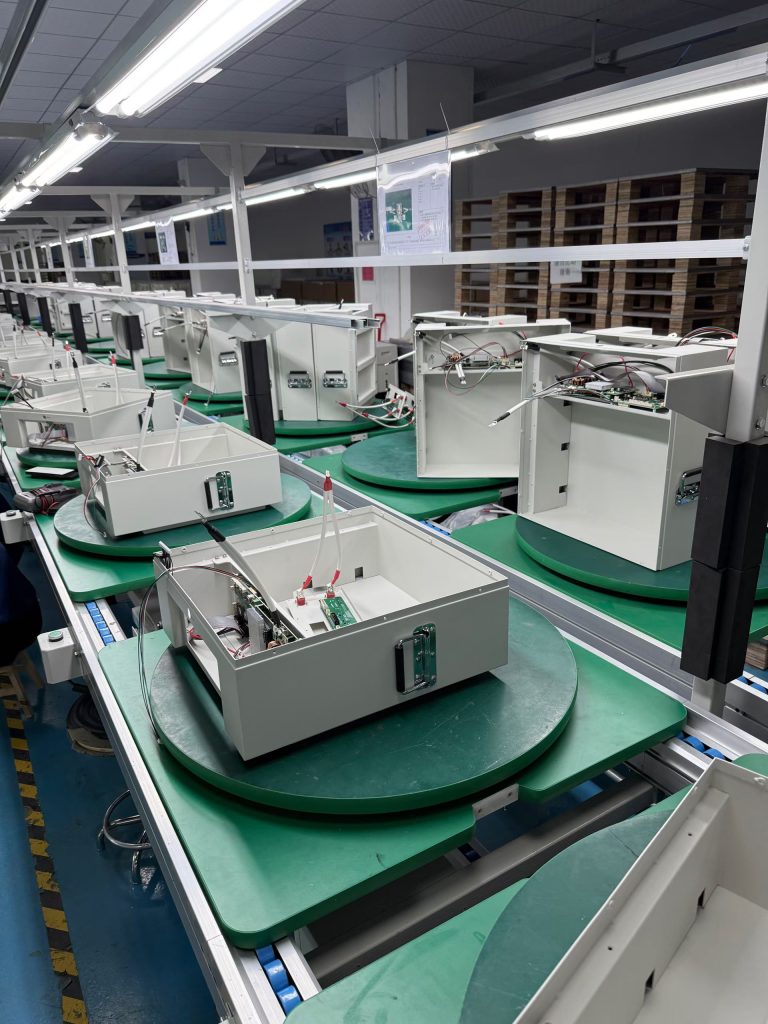
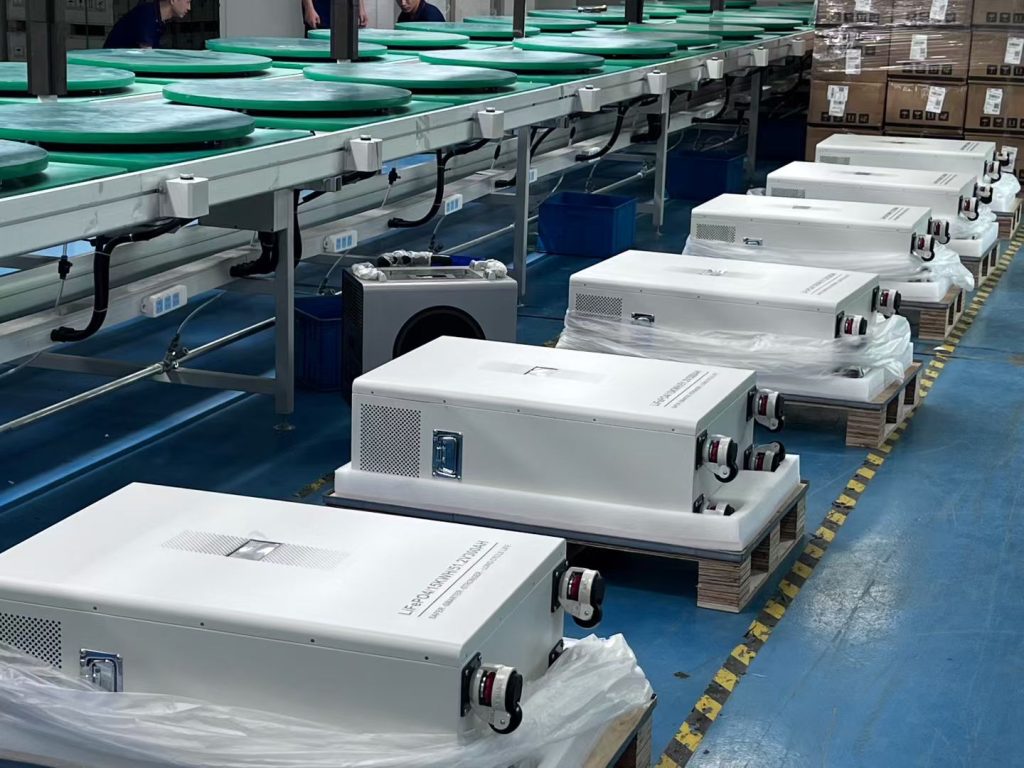
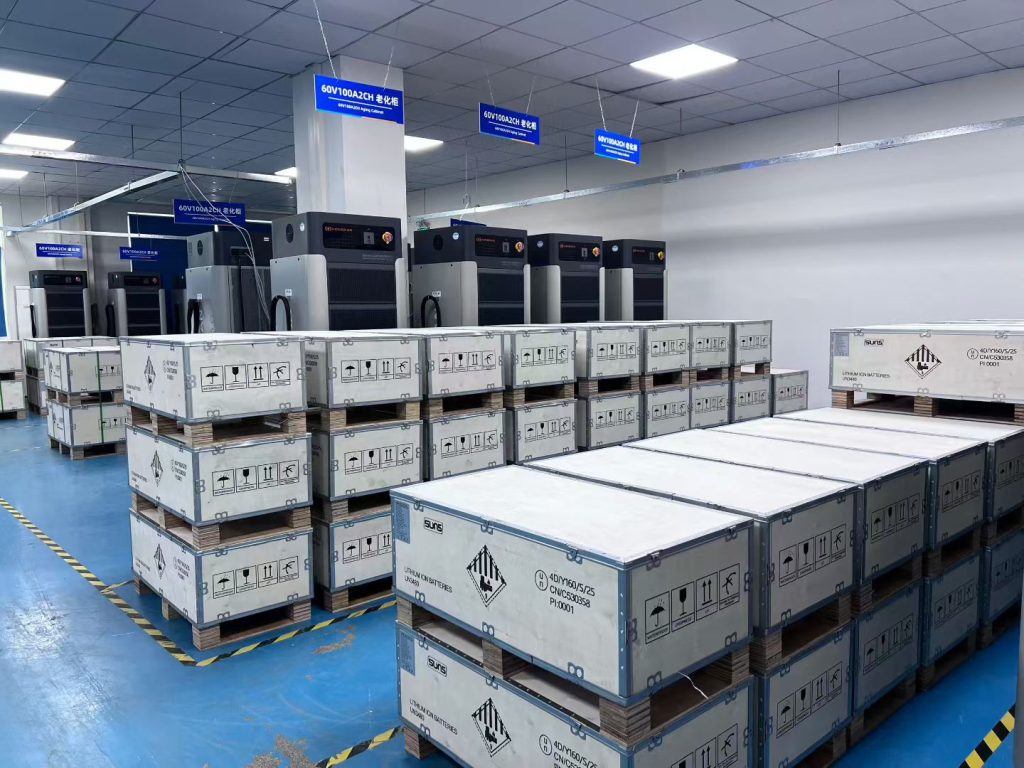
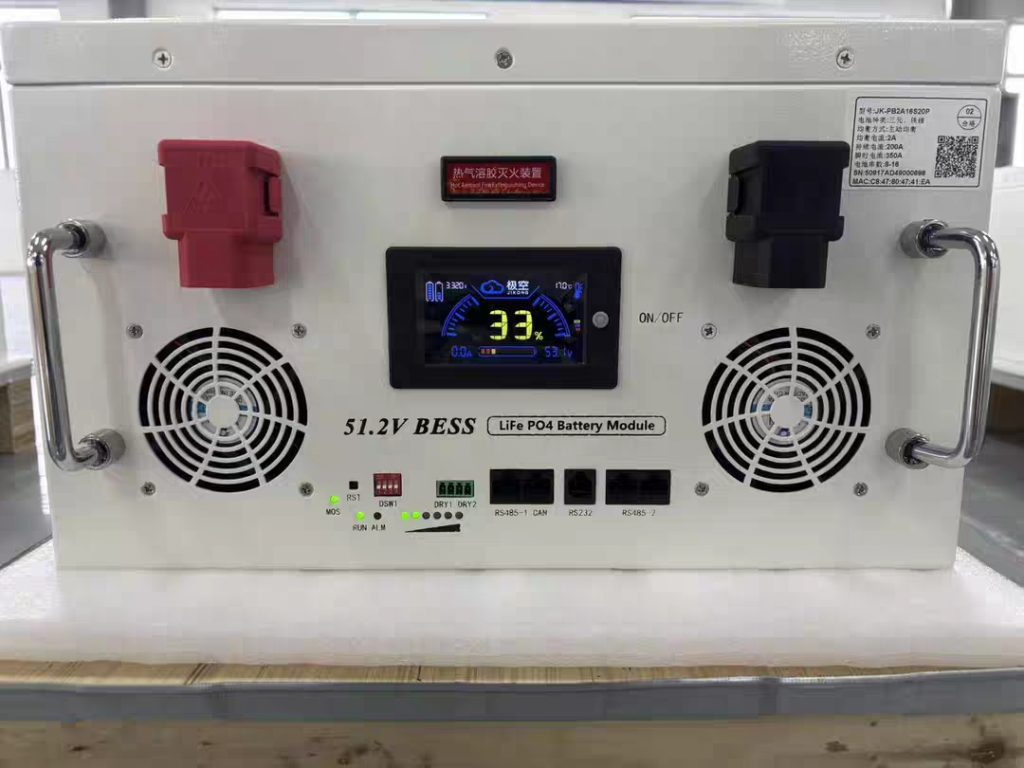
We specialize in manufacturing safe, long-cycle LiFePO4 home energy storage systems (ESS) for solar self-consumption, backup power, and off-grid living. With in-house battery pack assembly, BMS development, inverter integration support, and international certifications, we provide OEM/ODM solutions for distributors, EPC contractors, and solar installers worldwide. Below is a comprehensive technical and commercial guide for sourcing reliable residential ESS in bulk.
The global shift toward renewable energy, grid resilience, and energy independence has accelerated demand for home energy storage systems (ESS). Rising electricity prices, unstable grids, and increasing rooftop solar adoption have made residential lithium battery storage a strategic investment for homeowners and a high-growth opportunity for distributors and installers.
If you are searching for a residential lithium battery energy storage manufacturer for solar backup power, this in-depth SEO guide explains system architecture, battery technology, safety standards, certifications, manufacturing processes, customization options, and commercial terms.
This article reflects real production experience in lithium battery assembly, battery management system (BMS) integration, and international export compliance—aligned with E-E-A-T principles: Experience, Expertise, Authoritativeness, and Trustworthiness.
1. What Is a Home Energy Storage System (ESS)?
A home ESS stores electricity—typically generated by rooftop solar panels—for later use. It enables:
- Solar self-consumption optimization
- Backup power during outages
- Reduced dependence on utility grids
- Time-of-use electricity cost savings
- Greater energy independence
A typical residential ESS includes:
- Lithium battery pack (LiFePO4)
- Battery Management System (BMS)
- Hybrid or off-grid inverter
- Monitoring system (WiFi/App/Cloud platform)
- Protection system (MCB, fuse, surge protection)
Common residential capacities:
- 5kWh
- 10kWh
- 15kWh
- 20kWh
- 30kWh+ modular expansion systems
2. Why Residential Energy Storage Demand Is Growing Globally
The market for home battery storage is expanding rapidly due to:
2.1 Rising Electricity Prices
Utility tariffs continue to increase in Europe, North America, and Australia.
2.2 Grid Instability
Extreme weather events and aging infrastructure cause frequent outages.
2.3 Solar Adoption Growth
Homeowners want to maximize rooftop PV self-consumption rather than exporting surplus energy at low feed-in tariffs.
2.4 Government Incentives
Subsidies and tax credits encourage energy storage adoption.
2.5 Carbon Neutrality Targets
Residential energy storage contributes to decarbonization goals.
High-growth markets include:
- Germany
- United States
- Australia
- Italy
- South Africa
- Southeast Asia
3. Lithium Battery Technology for Residential ESS
3.1 Why LiFePO4 (Lithium Iron Phosphate)?
Most professional home ESS manufacturers use LiFePO4 batteries due to:
- Superior thermal stability
- Lower fire risk
- 6000+ cycle life
- Deep discharge capability (90–95% DOD)
- Long service life (10–15 years)
Compared to NCM batteries, LiFePO4 offers enhanced safety—critical for indoor residential installation.
4. Core Components Explained
4.1 Battery Pack
- 48V or 51.2V nominal voltage systems
- High energy density
- Rack-mounted or wall-mounted design
- Expandable modules
4.2 Battery Management System (BMS)
The BMS protects against:
- Overcharge
- Over-discharge
- Overcurrent
- Short circuit
- Overheating
Advanced BMS features:
- Cell balancing
- CAN/RS485 communication
- Remote firmware upgrade
- Real-time monitoring
4.3 Inverter Compatibility
Our systems support integration with:
- Hybrid solar inverters
- Off-grid inverters
- Grid-tied systems with backup
Compatibility is verified through communication protocols.
5. Manufacturing Process of Home ESS
Professional manufacturing follows strict procedures:
Step 1: Cell Matching & Testing
Each battery cell is tested for voltage consistency and internal resistance.
Step 2: Module Assembly
Cells are welded using precision laser welding.
Step 3: BMS Installation
Protection and communication modules installed and calibrated.
Step 4: Enclosure Integration
Metal cabinet or wall-mounted casing assembled.
Step 5: Functional Testing
Includes:
- Capacity test
- Charge/discharge cycle test
- Communication test
- Thermal monitoring
Step 6: Aging Test
24–72 hour stress test before shipment.
6. Safety Standards & Certifications
For international markets, certification is critical.
Common certifications include:
- CE (Europe)
- UL (USA)
- IEC62619
- UN38.3 (transport safety)
- MSDS
- RoHS
Compliance ensures smooth customs clearance and installer confidence.
7. Customization (OEM & ODM)
We provide full OEM solutions:
- Custom capacity (5–30kWh+)
- Wall-mounted or rack-mounted design
- Private label branding
- Customized BMS protocol
- Smart monitoring app customization
- Voltage customization (48V standard)
Branding options include logo printing, color customization, and packaging design.
8. Performance Specifications
Typical 10kWh system example:
- Nominal Voltage: 51.2V
- Capacity: 200Ah
- Energy: 10.24kWh
- Cycle Life: 6000 cycles @ 80% DOD
- Communication: CAN / RS485
- Operating Temperature: -10°C to 50°C
- Warranty: 5–10 years
9. Installation & Application Scenarios
Home ESS can be used for:
- Rooftop solar systems
- Off-grid cabins
- Backup for critical loads
- Rural electrification
- Small commercial storage
Wall-mounted systems are popular in residential garages or utility rooms.
10. Quality Control System
Professional factories implement:
- Incoming material inspection
- Cell batch traceability
- BMS calibration
- Final load simulation testing
- Random sampling inspection
Each battery pack receives a serial number for traceability.
11. Production Capacity & Lead Time
Production timelines depend on quantity and customization.
General reference:
- Standard 5–10kWh models: 15–25 days
- Customized OEM orders: 25–40 days
Peak solar season may extend production schedule.
12. Why Choose a Professional ESS Manufacturer?
Choosing an experienced manufacturer ensures:
- Safe battery chemistry
- Proper BMS protection
- Long cycle life
- Stable inverter compatibility
- Reliable after-sales support
- Export documentation compliance
Low-cost suppliers may compromise on:
- Cell quality
- BMS design
- Certification authenticity
- Internal wiring safety
Battery safety should never be compromised.
FAQ – Frequently Asked Questions
1. Can you customize home energy storage systems?
Yes.
We support:
- OEM & ODM production
- Custom capacity
- Wall-mounted or rack design
- Private label branding
- Communication protocol customization
- Packaging customization
Technical drawings and samples can be provided before mass production.
2. What is the MOQ (Minimum Order Quantity)?
- Standard models: typically 10–20 units
- OEM customized models: 20–50 units
- Sample order: 1 unit available for testing
MOQ may vary depending on configuration.
3. What is the production lead time?
- Standard models: 15–25 days
- Customized models: 25–40 days
Lead time begins after deposit confirmation.
4. Do you have stock available?
Yes.
We usually maintain limited stock of:
- 5kWh systems
- 10kWh wall-mounted systems
- 48V rack batteries
Stock availability changes quickly during peak season.
Customized systems are produced upon order.
5. What warranty do you provide?
- 5–10 year warranty depending on model
- Technical support for installation
- Spare parts supply
- Remote diagnostics support
Conclusion: Reliable Residential Energy Storage System Supplier for Global Solar Markets
Home energy storage systems are becoming essential infrastructure for modern households. With proper engineering, certified safety standards, and high-quality LiFePO4 batteries, residential ESS provides:
- Energy independence
- Cost savings
- Backup reliability
- Long-term sustainability
If you are looking for a professional residential lithium battery energy storage manufacturer for bulk wholesale or solar project supply, we provide customized solutions, technical documentation, and global export support.
Contact us today for product catalogs, technical specifications, pricing quotations, and partnership discussions.


No reply content