
China Customized OEM Arts & Crafts Gift Manufacturer
——Where Handcrafted Narratives Meet Durable Design for Unforgettable Experiences
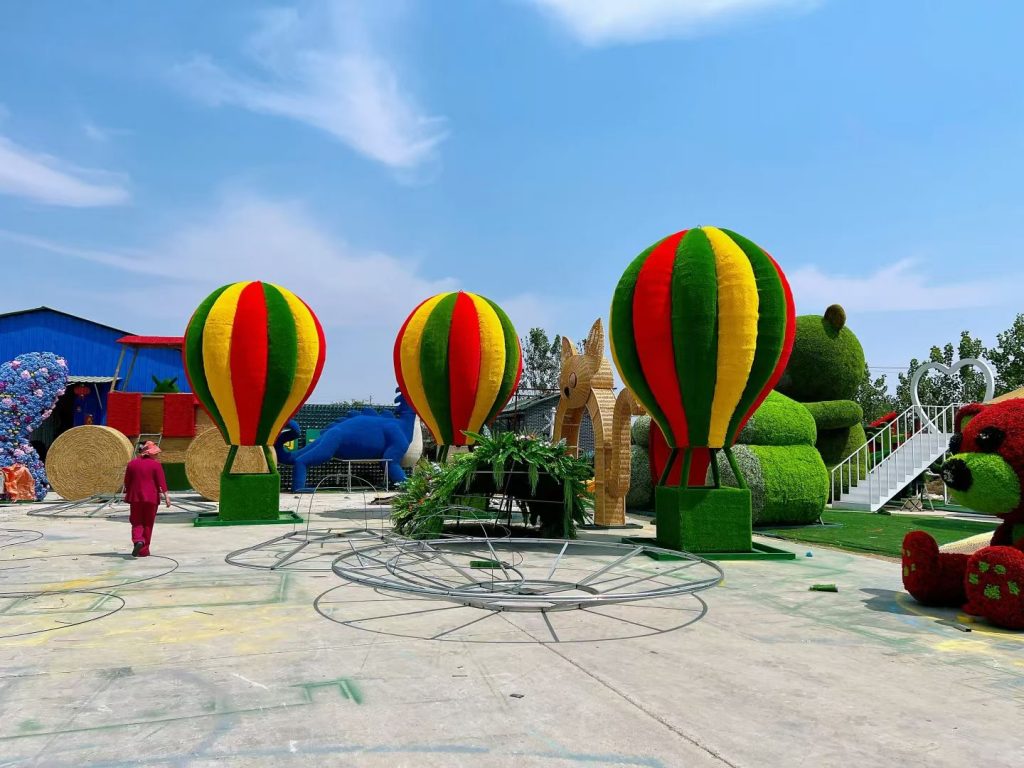
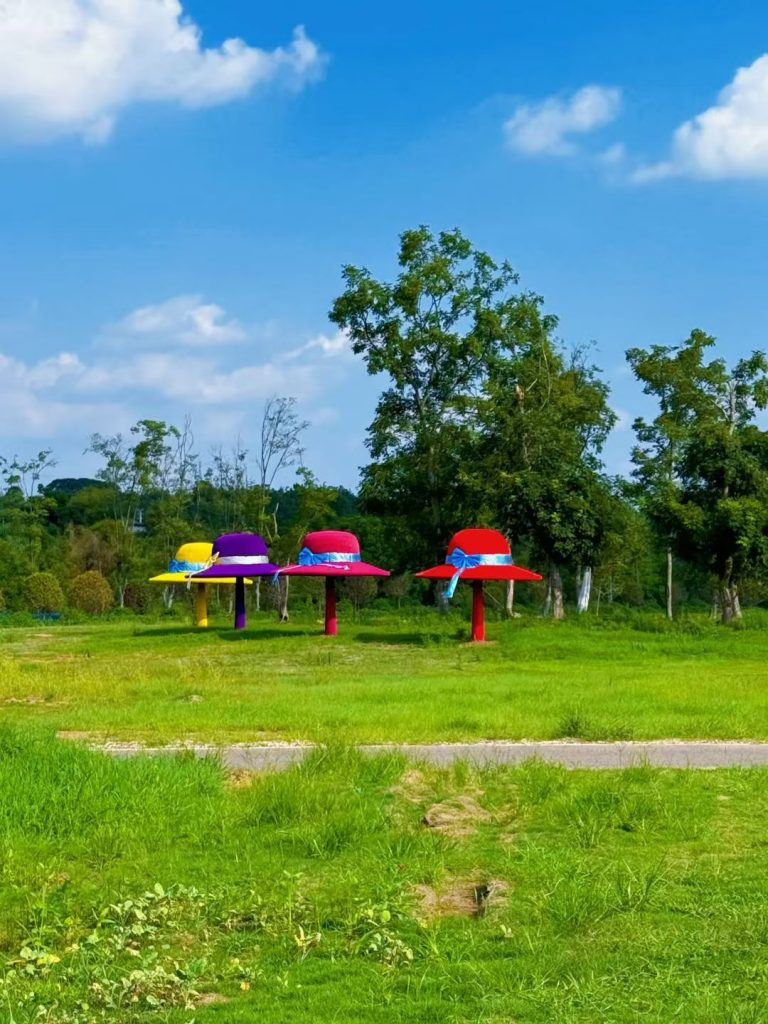
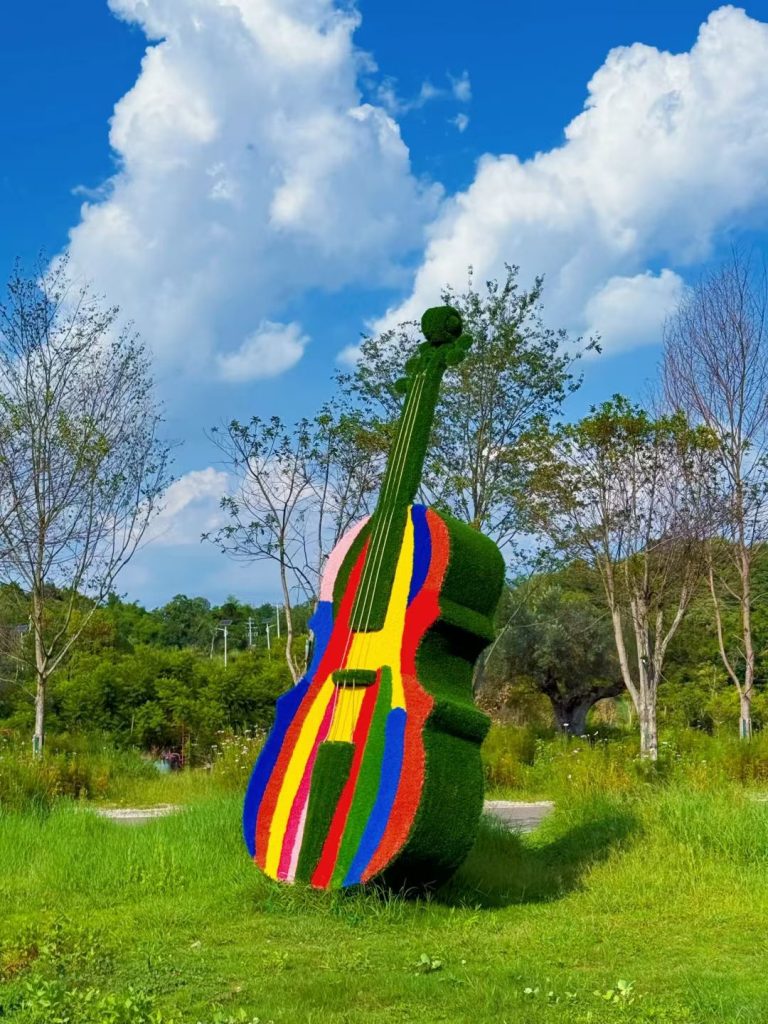
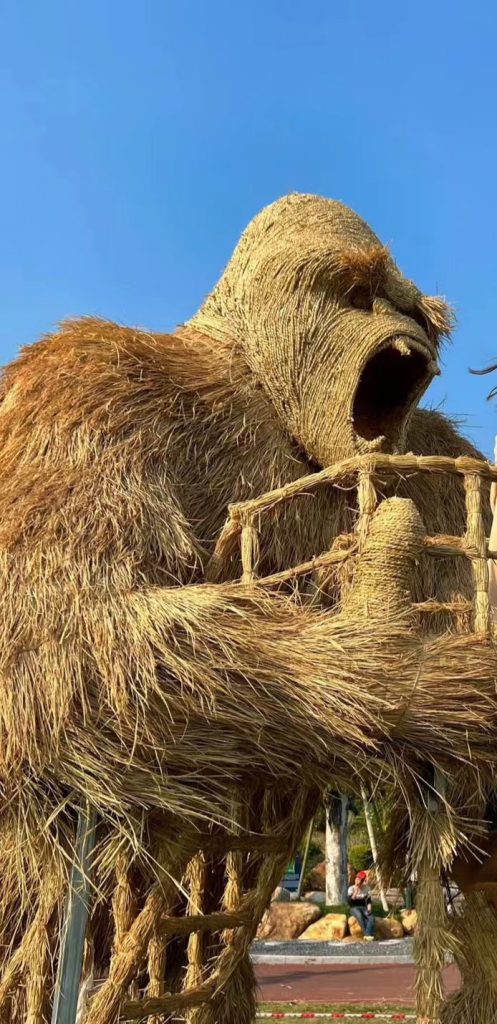
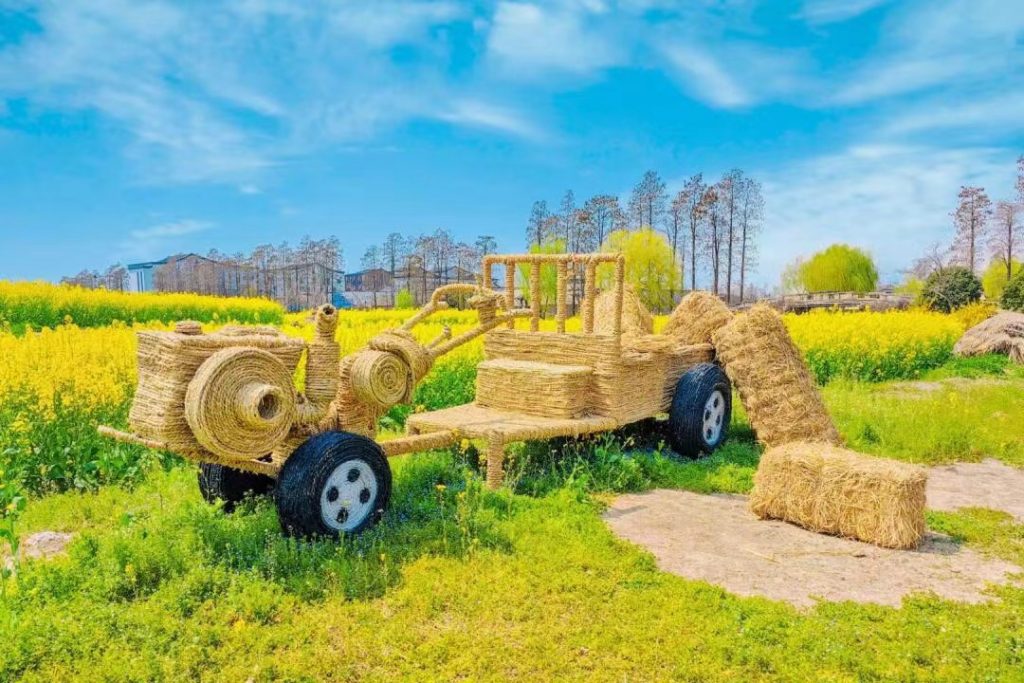
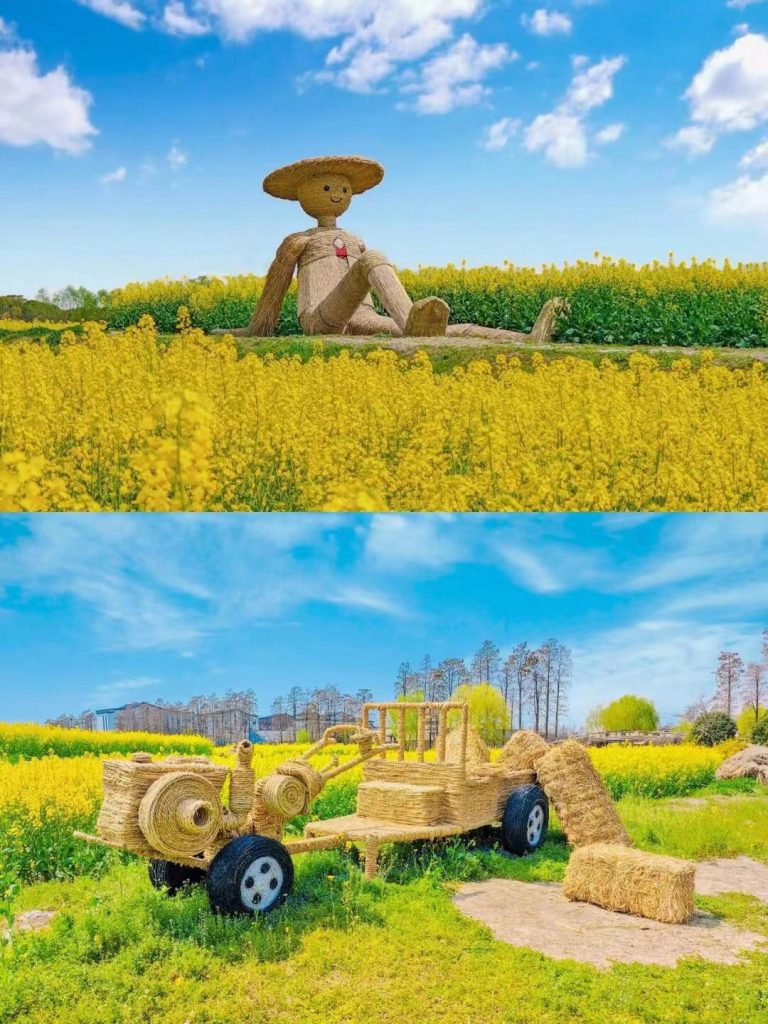
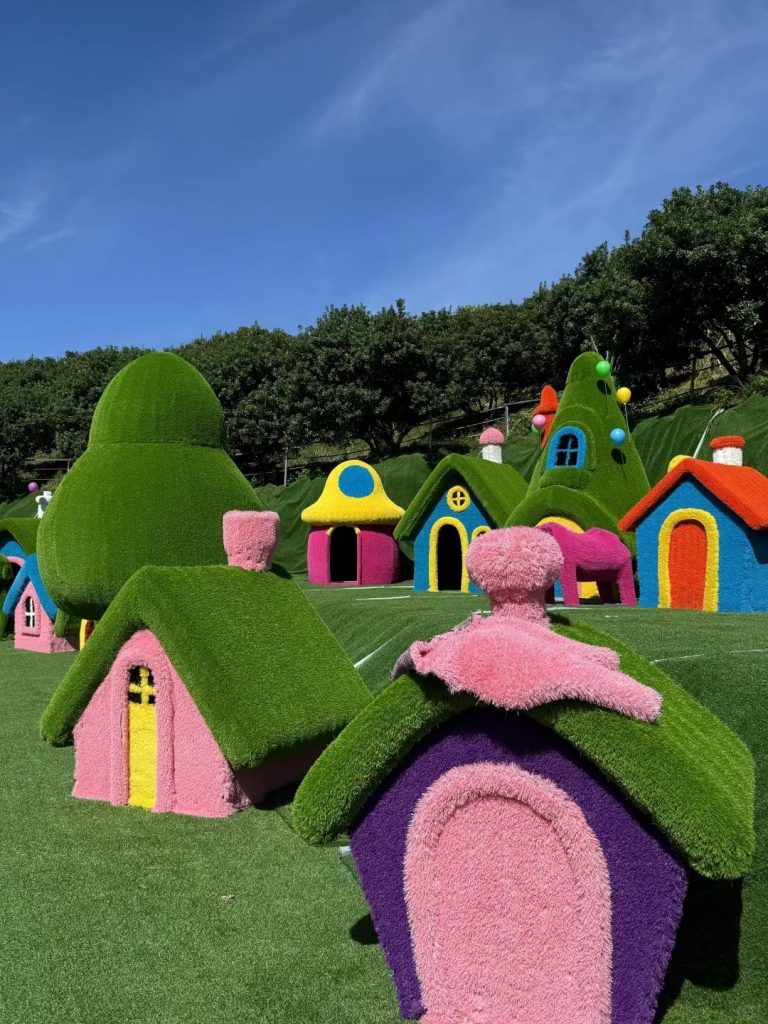
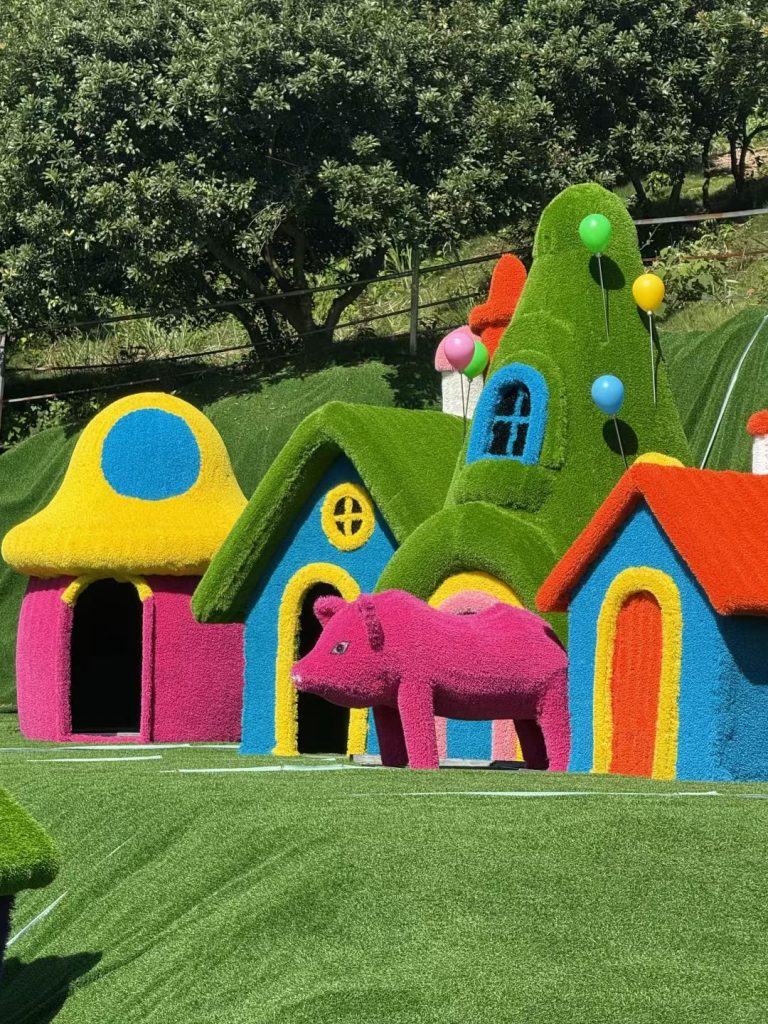
Amusement parks are realms of imagination, where laughter echoes through roller coasters and wonder fills the air. At the heart of these vibrant spaces, sculptures serve as silent storytellers—guiding visitors, sparking curiosity, and creating Instagrammable moments. Among the most distinctive and eco-conscious choices for park art are rope-woven sculptures, crafted by specialized manufacturers who merge traditional weaving techniques with modern design sensibilities. These artworks, made from natural fibers like sisal, jute, or hemp, blend seamlessly into natural landscapes, invite tactile interaction, and embody the playful spirit of amusement parks.
This article explores the world of rope-weaving amusement park sculpture manufacturers, delving into their craftsmanship, design philosophy, and the unique value they bring to recreational spaces. A detailed FAQ section addresses practical considerations for park operators, designers, and art enthusiasts.
I. The Rise of Rope-Weaving Sculptures in Amusement Parks
A. The Appeal of Natural Fiber Art
For decades, amusement park sculptures relied on metal, fiberglass, or concrete—materials chosen for durability but often criticized for their industrial aesthetic. Rope-weaving manufacturers introduced a refreshing alternative: art made from renewable, biodegradable fibers. Rope sculptures offer three key advantages:
-
Visual Warmth: The organic texture of woven fibers contrasts with rigid park structures, softening the environment.
-
Tactile Engagement: Visitors of all ages are drawn to touch, climb, or swing on rope forms, fostering active participation.
-
Environmental Alignment: As parks prioritize sustainability, rope art aligns with eco-friendly branding (e.g., Disney’s “Planet Possible” initiative).
B. The Manufacturer’s Role: From Fiber to Fantasy
A rope-weaving sculpture manufacturer is more than a fabricator—it is a narrative architect. These specialists combine knowledge of:
-
Fiber Properties: Understanding tensile strength, UV resistance, and biodegradability of materials like sisal (strong, coarse) vs. hemp (soft, flexible).
-
Weaving Techniques: Mastery of knotting (square knots, clove hitches), macramé, and 3D lattice structures to create stable, sculptural forms.
-
Playground Safety Standards: Ensuring sculptures meet ASTM F1487 (public playground equipment) and EN 1176 (European safety norms) for load-bearing and fall protection.
II. Core Competencies of Rope-Weaving Sculpture Manufacturers
A. Material Selection: Balancing Strength, Safety, and Sustainability
Manufacturers source fibers based on project requirements:
-
Sisal: Derived from agave plants, sisal is highly durable (withstands 500+ kg of force) and resistant to saltwater, making it ideal for coastal park installations.
-
Jute: Softer and more flexible, jute is used for decorative elements (e.g., animal fur textures) or low-impact climbing structures.
-
Hemp: Known for its strength-to-weight ratio, hemp is blended with synthetic fibers (e.g., polyester) to enhance longevity without sacrificing eco-friendliness.
-
Recycled Materials: Some manufacturers incorporate discarded fishing nets or textile waste into ropes, reducing landfill contributions.
Case Example: A manufacturer crafting a “Giant Octopus” sculpture for a beachfront park chose sisal ropes for the tentacles (to endure salty air) and hemp for the body (for a softer, kid-friendly texture).
B. Design Philosophy: Storytelling Through Weave
Every sculpture begins with a narrative. Manufacturers collaborate with park designers to translate themes (e.g., “underwater adventure,” “enchanted forest”) into 3D rope structures:
-
Character Sculptures: Animals (elephants, birds), mythical creatures (dragons, mermaids), or cartoon mascots are rendered with exaggerated features (e.g., a giraffe’s long neck woven from graduated rope thicknesses).
-
Interactive Mazes: Rope webs or tunnels encourage exploration, with hidden alcoves for kids to discover.
-
Landmark Installations: Large-scale “gateway” sculptures (e.g., a 10-meter-tall “Tree of Dreams”) mark park entrances, using rope branches to display visitor wishes (written on attached tags).
C. Technical Expertise: Engineering for Play
Rope sculptures must withstand constant use. Manufacturers employ:
-
Load-Bearing Calculations: Using finite element analysis (FEA) to ensure joints (where ropes meet metal frames) support 10x the expected weight (e.g., a 500 kg load for a climbing structure).
-
Anti-UV Treatments: Applying plant-based coatings (e.g., linseed oil) to prevent fiber degradation from sunlight (extends lifespan to 8–10 years outdoors).
-
Modular Assembly: Designing sculptures in sections for easy transport and on-site assembly, reducing park disruption during installation.
III. Product Portfolio: Sculptures for Every Park Zone
Rope-weaving manufacturers offer diverse products tailored to park zones:
A. Entrance & Welcome Areas
-
Thematic Gateways: Arches or totems woven from thick ropes, often incorporating park logos or mascots. Example: A “Pirate Ship” arch with rope rigging and a woven Jolly Roger flag.
-
Photo Ops: Oversized animal heads (e.g., a smiling bear) with open mouths for kids to “stick their heads through.”
B. Children’s Play Zones
-
Climbing Structures: Rope ladders, spiderweb climbers, and “canoe” swings (woven to resemble boats).
-
Sensory Sculptures: Textured rope panels (smooth, bumpy, twisted) for tactile exploration, paired with sound elements (e.g., wind chimes woven into the design).
C. Nature & Waterfront Areas
-
Ecological Art: Sculptures mimicking local wildlife (e.g., a heron with jute feathers) or coral reefs (using colorful recycled ropes).
-
Shade Structures: Rope canopies supported by wooden poles, providing sun relief while adding visual interest.
D. Event & Festival Spaces
-
Temporary Installations: Lightweight rope sculptures (e.g., holiday-themed snowflakes) for seasonal events, designed for quick setup/removal.
IV. The Manufacturing Process: From Concept to Installation
Step 1: Consultation & Storyboarding
Manufacturers meet with park stakeholders to define:
-
The sculpture’s purpose (decorative, interactive, educational).
-
Target audience (toddlers, families, teens).
-
Integration with existing park themes (e.g., a dinosaur park might request a “Brontosaurus” skeleton).
Step 2: 3D Modeling & Prototyping
Using software like Blender or Rhino, designers create digital models, adjusting rope density and joint angles. A small-scale prototype (1:10) is woven to test stability and aesthetics.
Step 3: Material Preparation
Fibers are cleaned, treated (e.g., fire-retardant coating for indoor use), and cut to length. For large sculptures, ropes are pre-knotted into “modules” (e.g., a 2-meter-long rope branch) for efficient assembly.
Step 4: Weaving & Assembly
Skilled artisans weave modules by hand, following the 3D model. Metal frames (stainless steel or powder-coated aluminum) are installed first, then ropes are attached using galvanized steel clips (to prevent rust).
Step 5: Quality Assurance
Each sculpture undergoes:
-
Load Testing: Placing weights (up to 1,000 kg) on high-use areas (e.g., climbing holds).
-
Safety Inspection: Checking for frayed edges, loose knots, or sharp hardware.
-
Weather Simulation: Exposing samples to UV light and rain for 500 hours to predict outdoor performance.
Step 6: Installation & Training
Manufacturers dispatch teams to assemble sculptures on-site, training park staff on maintenance (e.g., tightening loose ropes annually).
V. Sustainability: Weaving Responsibility into Art
Rope-weaving manufacturers lead the industry in eco-conscious practices:
-
Carbon-Neutral Production: Using solar-powered looms and locally sourced fibers to reduce transportation emissions.
-
Biodegradability: Designing sculptures to decompose naturally after 10–15 years (vs. 50+ years for concrete).
-
Community Engagement: Partnering with local artisans (e.g., indigenous weavers) to incorporate traditional patterns, supporting cultural preservation.
VI. FAQ: Rope-Weaving Amusement Park Sculptures
Q1: Are rope sculptures safe for children?
A: Yes. Manufacturers adhere to strict safety standards: ropes are tested for tensile strength (minimum 500 kg), knots are double-secured, and sharp edges are eliminated. Soft fibers (jute/hemp) are used in areas where kids might fall.
Q2: How long do rope sculptures last outdoors?
A: With anti-UV treatments and annual maintenance (tightening ropes, replacing worn sections), they last 8–10 years. In shaded areas, lifespan extends to 12+ years.
Q3: Can sculptures be customized to match our park’s theme?
A: Absolutely. Manufacturers collaborate on themes (e.g., “space adventure,” “jungle safari”), using colors (natural dyes or non-toxic paints) and shapes to align with your brand.
Q4: What maintenance is required?
A: Minimal: Inspect ropes quarterly for fraying, tighten loose knots annually, and reapply UV coating every 3 years. Most parks assign this to maintenance staff.
Q5: Are rope sculptures expensive compared to metal/fiberglass?
A: Initial costs are 10–15% higher than fiberglass, but lower lifetime costs due to reduced maintenance and eco-friendly disposal. They also attract more visitors, boosting revenue.
Q6: Can sculptures be installed in wet areas (e.g., near pools)?
A: Yes. Manufacturers use waterproof fibers (treated sisal) and stainless steel frames to prevent rust. Avoid prolonged submersion, though.
Q7: Do you offer interactive features (e.g., climbing, swinging)?
A: Yes. Popular options include rope ladders, swings, and “cargo net” walls. Safety harnesses can be integrated for high-risk areas.
Q8: How do you ensure the art is eco-friendly?
A: We use 100% natural or recycled fibers, non-toxic dyes, and carbon-neutral production. Certifications like FSC (for wood frames) and GOTS (for organic fibers) are available.
Q9: What is the typical lead time for a custom sculpture?
A: 3–6 months, depending on complexity. Simple designs (e.g., a small animal head) take 3 months; large installations (10+ meters) take 6 months.
Q10: Can sculptures be moved or resized later?
A: Yes. Modular designs allow disassembly and reassembly. Resizing is possible by adding/removing rope modules, though major changes may require a new frame.
VII. Conclusion: The Art of Playful Durability
Rope-weaving amusement park sculpture manufacturers are redefining park art by merging nature, play, and sustainability. Their handcrafted sculptures do more than decorate—they invite interaction, tell stories, and create lasting memories. For park operators, investing in rope art means choosing a medium that grows with the park, adapts to changing themes, and resonates with eco-conscious visitors.
As the demand for immersive, responsible design grows, these manufacturers will continue to innovate—weaving new narratives into the fabric of play.
In short: Rope-weaving sculptures are not just art; they are invitations to play, made to last.


No reply content