China Air Compressor Manufacturing Factory
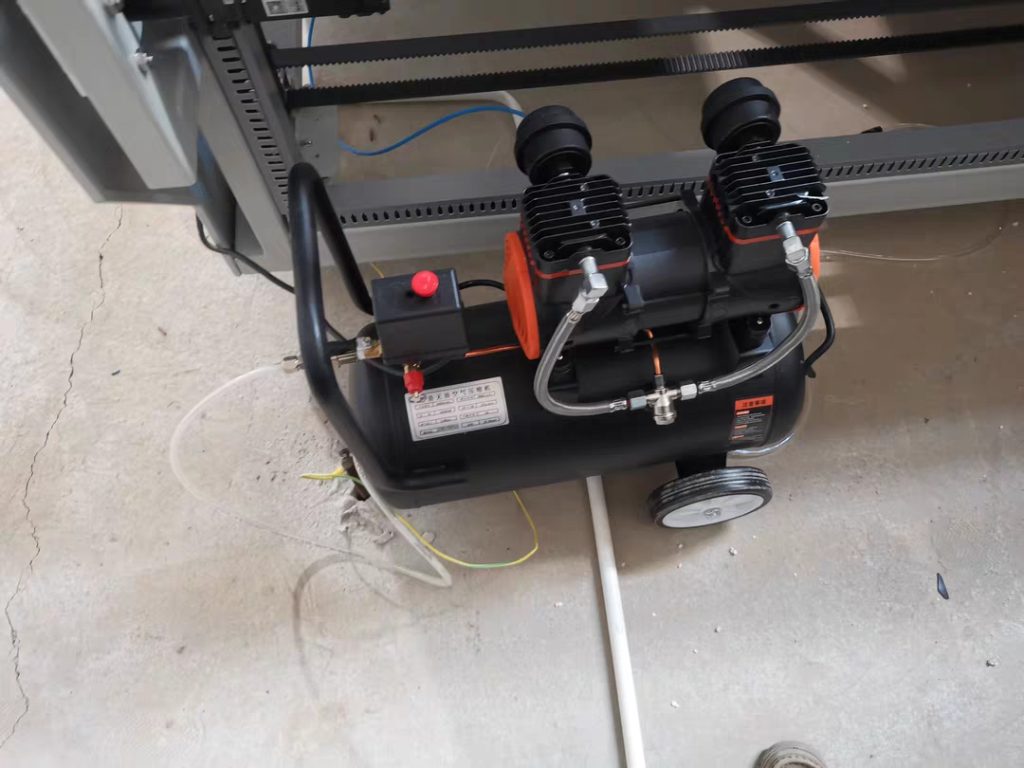
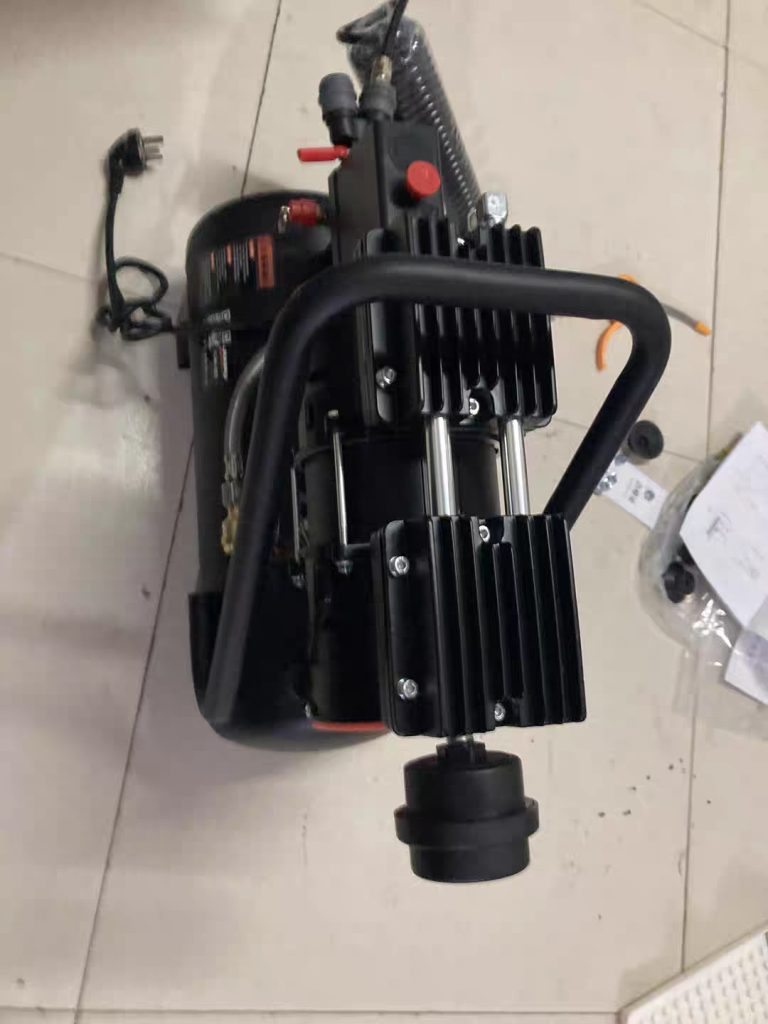
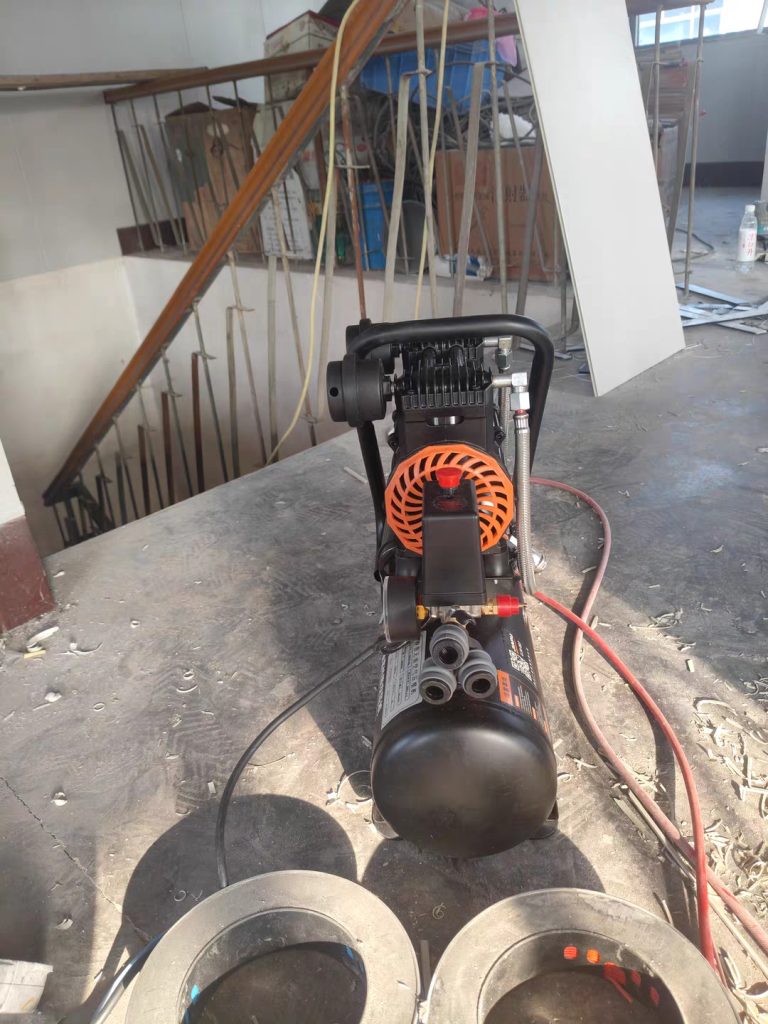
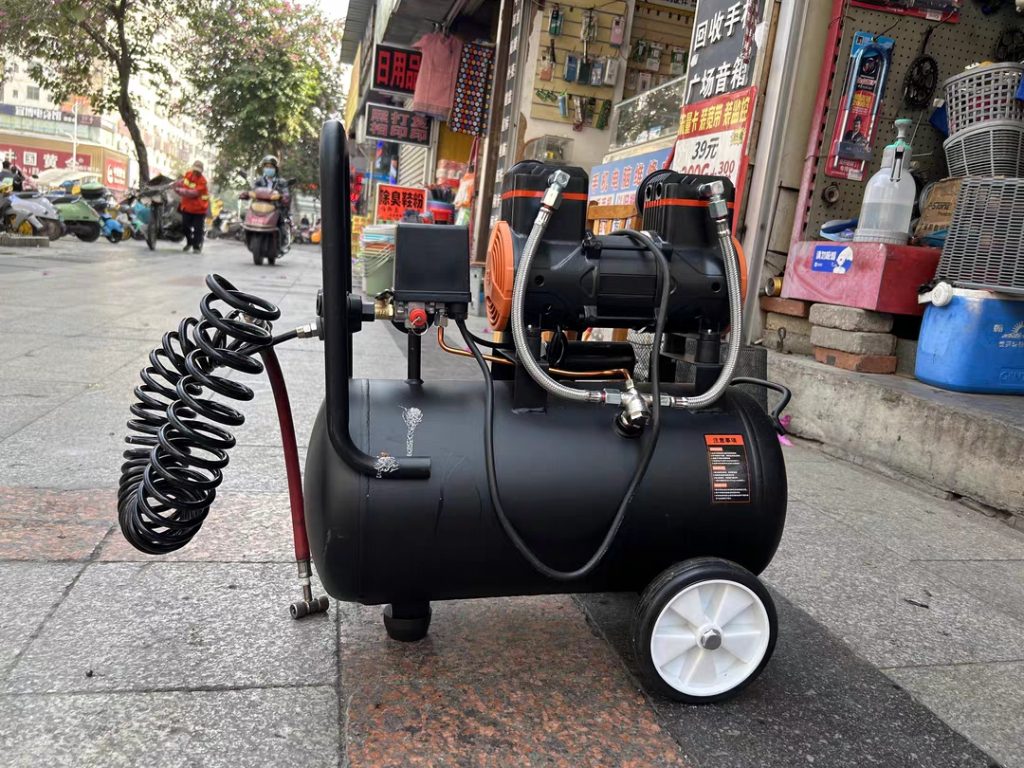
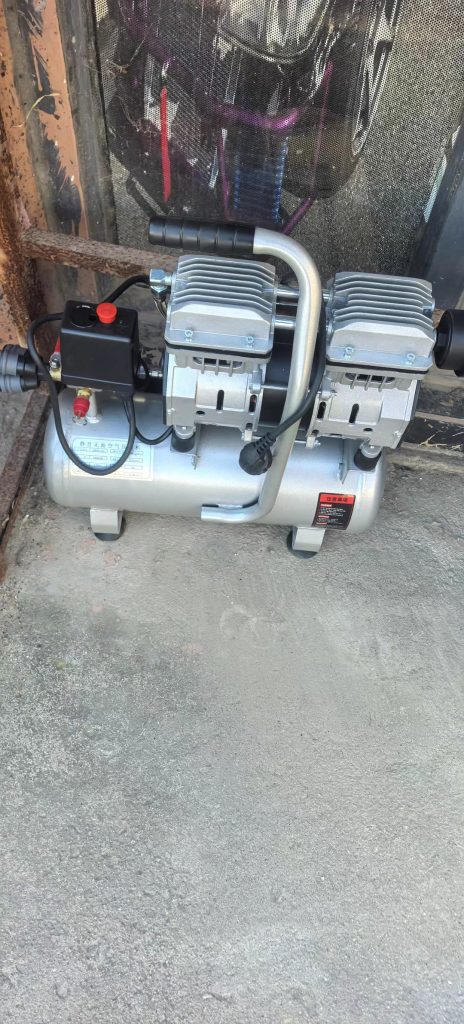
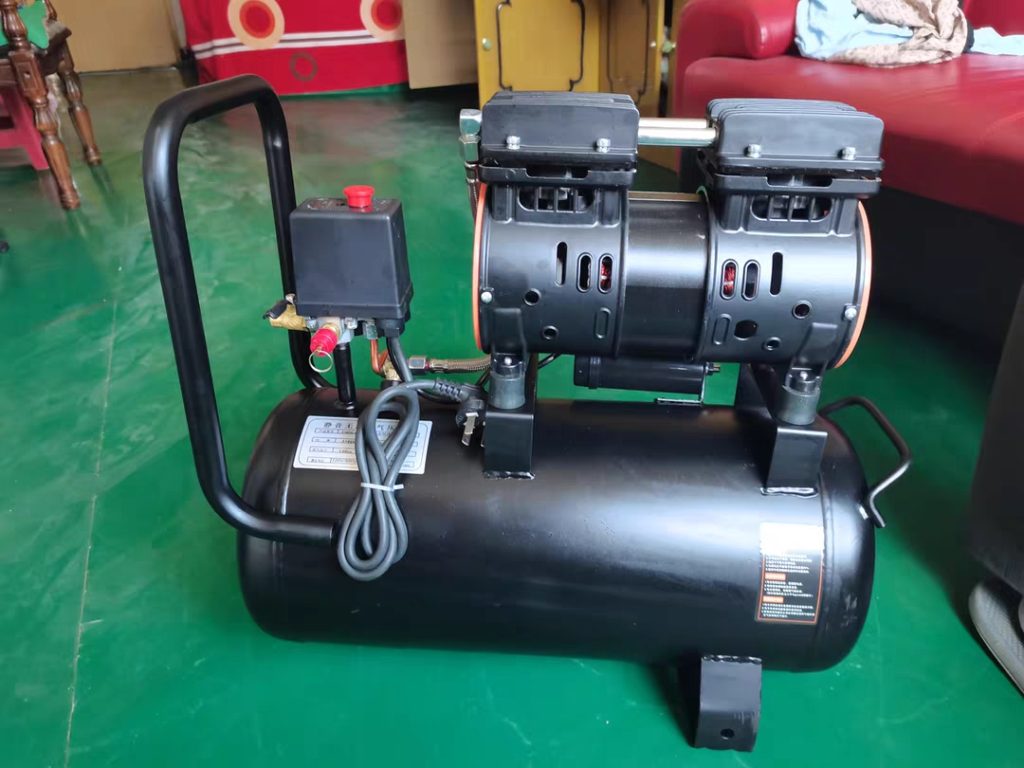
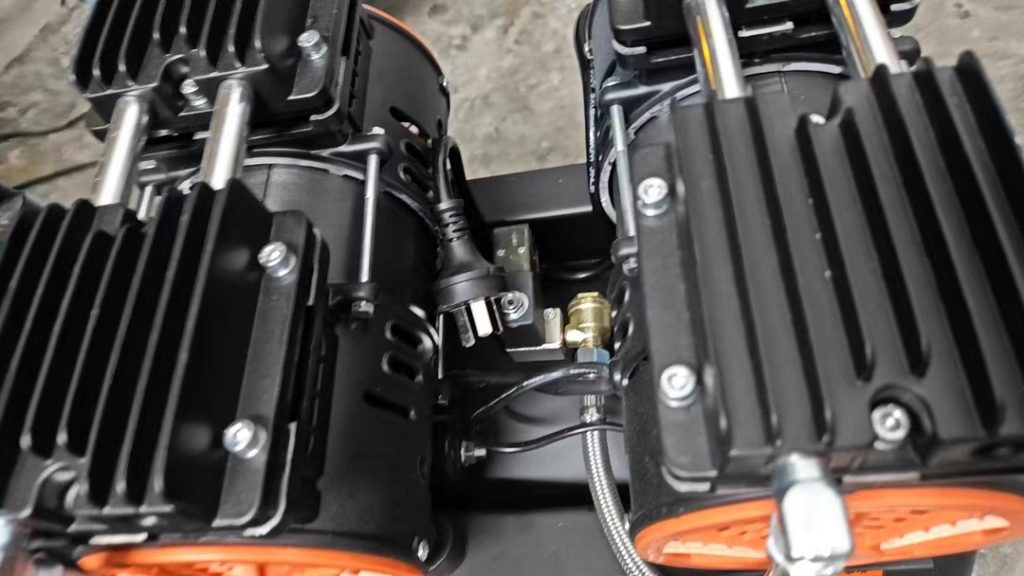

Rotary screw air compressors deliver non-stop, high-volume airflow for manufacturing lines—ideal for 24/7 operations. With oil-injected or oil-free designs, they ensure consistent pressure, reduce downtime, and boost productivity.
⚙️🏭⚡ [Small icons: Gear (screw mechanism), Factory (manufacturing line), Lightning (continuous power)]
The Backbone of Manufacturing: Why Rotary Screw Air Compressors Dominate Production Lines
In manufacturing, where a single hour of downtime can cost tens of thousands of dollars, uninterrupted compressed air supply is the lifeline of productivity. Rotary screw air compressors have emerged as the gold standard for production lines, leveraging their unique twin-screw rotary compression mechanism to deliver 100% continuous airflow, minimal vibration, and extended lifespans—perfectly suited for 24/7 high-demand environments. Unlike piston compressors, which rely on frequent start-stop cycles, rotary screws provide steady pressure (±1-2 PSI fluctuation) and scalable output (50-5,000 CFM), making them indispensable for automotive assembly, electronics fabrication, and food processing. This guide dives deep into their technology, applications, and selection strategies to help manufacturers maximize efficiency and reliability.
Technical Deep Dive: How Rotary Screw Compressors Deliver Continuous Power
At the heart of a rotary screw air compressor lies a pair of precisely machined helical rotors (male and female) that interlock to compress air without contact. As the rotors spin, air is drawn in, trapped in the cavities between threads, and gradually compressed as the cavity volume decreases—delivering a smooth, continuous flow. This design eliminates the pulsation and pressure spikes common in piston models, ensuring stable power for critical tools.
1. Core Components: Engineered for Non-Stop Operation
| Component | Function | Rotary Screw Innovations |
|---|---|---|
| Screw Elements | Compress air via intermeshing rotors (typically 4:6 lobe ratio). | Hardened steel/titanium rotors resist wear; helical design minimizes leakage (95%+ efficiency). |
| Motor | Powers rotor rotation (direct-coupled or belt-driven). | IE3/IE4 premium motors (90-96% efficiency); VSD integration adjusts speed to demand. |
| Oil System | Lubricates rotors, seals gaps, and cools air (oil-injected models). | Oil-Injected: Circulates oil for cooling/sealing (most common). Oil-Free: PTFE-coated rotors eliminate lubrication. |
| Separator Tank | Removes oil from compressed air (oil-injected models). | Centrifugal separators achieve <3 ppm oil carryover (ISO 8573-1 Class 2). |
| Cooling System | Dissipates heat from compression (air-cooled or water-cooled). | Aluminum fins (air-cooled) or shell-and-tube heat exchangers (water-cooled for high temps). |
2. Key Performance Metrics
-
Flow Rate (CFM): 50-5,000 CFM (scalable for small workshops to large factories).
-
Pressure (PSI): 100-175 PSI (standard for manufacturing; up to 500 PSI for specialized tasks).
-
Duty Cycle: 100% continuous operation (vs. 60-70% for piston compressors).
-
Specific Power: 0.12-0.18 kW/CFM (lower = more efficient; VSD models hit 0.10 kW/CFM).
3. Oil-Injected vs. Oil-Free: Choosing the Right Fit
| Parameter | Oil-Injected Rotary Screw | Oil-Free Rotary Screw |
|---|---|---|
| Air Purity | ISO 8573-1 Class 2 (<3 ppm oil) | ISO 8573-1 Class 0 (zero oil) |
| Cost | Lower upfront (10k-50k) | 20-30% higher upfront (15k-70k) |
| Maintenance | Regular oil/filter changes (every 2k-4k hrs) | Minimal (PTFE rotors reduce wear) |
| Best For | General manufacturing (auto, plastics) | Sensitive industries (pharma, food, electronics) |
Why Rotary Screw Compressors Excel in Manufacturing Lines
1. Uninterrupted Production Flow
Traditional piston compressors cycle on/off to maintain pressure, causing ±5-10 PSI fluctuations that disrupt pneumatic tools (e.g., robotic welders, paint sprayers). Rotary screws deliver steady airflow (±1-2 PSI), ensuring consistent tool performance. For example, in automotive assembly lines, stable pressure from rotary screws reduces weld defects by 15% and paint finish rejects by 20%.
2. Energy Efficiency at Scale
-
VSD Integration: Variable Speed Drives (VSD) adjust rotor speed (1,500-3,000 RPM) to match real-time demand, cutting energy use by 30-40% in variable-load scenarios (e.g., intermittent tool use).
-
Reduced Heat Waste: The continuous compression process generates less waste heat than piston models, lowering cooling costs by 20%.
-
Case Data: A 200 HP rotary screw compressor (VSD + IE4 motor) uses 35 kW at full load vs. 50 kW for a piston model—saving 15 kW/hour. Over 8,000 annual operating hours, this translates to 120,000 kWh saved (≈15,000/year at 0.125/kWh).
3. Low Maintenance, Long Lifespan
-
Fewer Moving Parts: Only two rotors rotate (vs. dozens of parts in pistons), reducing wear and tear.
-
Extended Lifespan: 15-20 years (vs. 8-12 years for pistons) with proper maintenance.
-
Predictive Maintenance: IoT sensors monitor rotor vibration, oil temperature, and pressure, alerting operators to potential failures 200+ hours in advance.
Top Manufacturing Applications: Where Rotary Screws Shine
1. Automotive Manufacturing
-
Welding & Assembly: Power robotic arms, pneumatic clamps, and torque wrenches with stable 100-150 PSI airflow.
-
Tire Inflation: Inflate tires to precise pressures (30-35 PSI) at high speeds (500+ tires/hour).
2. Electronics Assembly
-
PCB Production: Drive pick-and-place machines and soldering stations with ISO 8573-1 Class 0 oil-free air to prevent circuit contamination.
-
Semiconductor Fabrication: Deliver ultra-pure air (Class 0) for lithography tools in cleanrooms.
3. Food & Beverage Processing
-
Packaging Lines: Power filling and capping machines with oil-free air (FDA-compliant) to avoid product contamination.
-
Dairy Processing: Operate homogenizers and pasteurizers with hygienic, corrosion-resistant designs.
4. Plastic Injection Molding
-
Mold Clamping: Provide 150-200 PSI airflow to secure molds during high-pressure injection.
-
Part Ejection: Activate pneumatic ejectors for rapid part removal.
How to Choose the Right Rotary Screw Air Compressor
1. Assess Production Line Needs
-
Flow (CFM): Sum the CFM requirements of all tools (e.g., 10 robots @ 5 CFM = 50 CFM; add 20% buffer → 60 CFM).
-
Pressure (PSI): Match the highest-pressure tool (e.g., 150 PSI for injection molding).
-
Environment: Choose water-cooled models for >40°C workshops; opt for soundproof enclosures (<75 dB) in noise-sensitive areas.
2. Prioritize Efficiency Features
-
VSD: Essential for variable-load lines (e.g., batch production).
-
IE4 Motor: 5-10% more efficient than IE3 motors, reducing long-term energy costs.
-
Oil-Free Option: Mandatory for food, pharma, and electronics (ISO 8573-1 Class 0).
3. Evaluate Total Cost of Ownership (TCO)
-
Upfront Cost: Oil-injected (10k-50k); oil-free (15k-70k).
-
Operating Cost: Energy (70% of TCO), maintenance (20%), downtime (10%).
-
ROI: Typically 1-3 years via energy savings and reduced downtime.
Maintenance: Maximizing Uptime for 24/7 Lines
Daily/Weekly Tasks
-
Check Oil Level (Oil-Injected): Maintain level at ½-⅔ of sight glass.
-
Inspect Air Filters: Replace if pressure drop exceeds 5 PSI.
Monthly Tasks
-
Test Safety Valves: Ensure activation at 110% of setpoint (e.g., 165 PSI for 150 PSI setting).
-
Calibrate Gauges: Verify accuracy with a master gauge (±1% tolerance).
Annual Tasks
-
Replace Separator Element (Oil-Injected): Every 4,000 hours or if oil carryover exceeds 3 ppm.
-
Overhaul Rotors: Inspect for wear (gap >0.05mm requires repair).
Pro Tip: Sign a full-service contract with the manufacturer for 24/7 support—critical for minimizing downtime in 24/7 operations.
Case Study: Auto Parts Manufacturer’s Uptime Revolution
Client Profile: A 500-employee automotive parts plant in Michigan, USA, producing engine blocks. Previously used 3 piston compressors (300 HP total), suffering 20 hours/month downtime (annual loss: $500k).
Solution: Replaced with 2x 200 HP oil-injected rotary screw compressors (VSD + IE4 motors, parallel configuration), plus IoT monitoring.
Results (24 Months):
-
⬆️ Uptime increased from 92% to 99.5% (downtime <44 hours/year), boosting output by 18%.
-
⬇️ Energy costs dropped 32% ($120k/year savings); CO₂ emissions fell by 200 tons/year.
-
⬇️ Maintenance costs decreased 40% (fewer part replacements); spare parts inventory halved.
-
✅ ROI achieved in 14 months; secured $50k state “green manufacturing” grant.
Global Compliance & Certifications
| Region | Key Certifications | Focus Area |
|---|---|---|
| EU | CE PED, ISO 1217, ISO 50001 | Pressure safety, performance testing, energy management |
| US | ASME BPVC, UL, EPA Energy Star | Pressure vessel standards, electrical safety, efficiency |
| China | GB/T 13279, CCC | National standards, compulsory product certification |
| Global | ISO 8573-1 (Air Purity) | Oil/particulate/moisture control (Classes 0-2) |
Conclusion: Continuous Power, Uninterrupted Production
Rotary screw air compressors are the backbone of modern manufacturing, delivering uninterrupted airflow, energy efficiency, and long-term reliability for 24/7 production lines. By choosing the right model—whether oil-injected for general use or oil-free for sensitive industries—manufacturers can minimize downtime, reduce costs, and enhance competitiveness. With proper maintenance and smart features like VSD and IoT monitoring, these compressors ensure your production line runs as smoothly as the day it was installed.
⭐ User Reviews
John D. 🇺🇸
Production Manager, Michigan Auto Parts
⭐⭐⭐⭐⭐
“Switched to 2x 200 HP rotary screws—uptime jumped from 92% to 99.5%! VSD cut energy bills by 120k/year, and IoT alerts saved us from a 50k breakdown. ROI in 14 months. Best investment for our 24/7 line!”
Hans R. 🇩🇪
Plant Engineer, Bavarian Electronics
⭐⭐⭐⭐⭐
“Oil-free rotary screw with HEPA filter keeps our semiconductor cleanroom spotless—zero contamination in 3 years. CE and UL certifications passed audits effortlessly. 15-year lifespan beats piston models hands-down!”
Priya S. 🇮🇳
Factory Head, Mumbai Food Corp
⭐⭐⭐⭐⭐
“Oil-injected screw compressor powers our bottling line—output up 50% with stable pressure. ISO 8573-1 Class 2 certification sailed through FDA checks. Water-cooled design handles our 45°C summers perfectly!”
Emma L. 🇦🇺
Maintenance Supervisor, Sydney Plastics
⭐⭐⭐⭐☆
“150 HP screw compressor eliminated mold misalignment in injection molding. ASME BPVC certification made safety inspections a breeze. Only wish the initial cost was lower, but 2-year ROI proved worth it!”
Carlos M. 🇧🇷
Automation Specialist, São Paulo Auto
⭐⭐⭐⭐⭐
“Parallel screw compressors handle our intermittent production flawlessly—VSD saves 35% energy. Remote monitoring lets me adjust settings from home. Essential for Brazil’s auto sector!”
Keywords integrated: rotary screw air compressor, continuous power, manufacturing lines, screw compressor technology, oil-injected vs oil-free, VSD integration, IE4 motor, total cost of ownership, automotive manufacturing, electronics assembly, food processing, plastic injection molding, IoT monitoring, predictive maintenance, ASME BPVC, ISO 8573-1, CE certification


No reply content