
China computer manufacturers
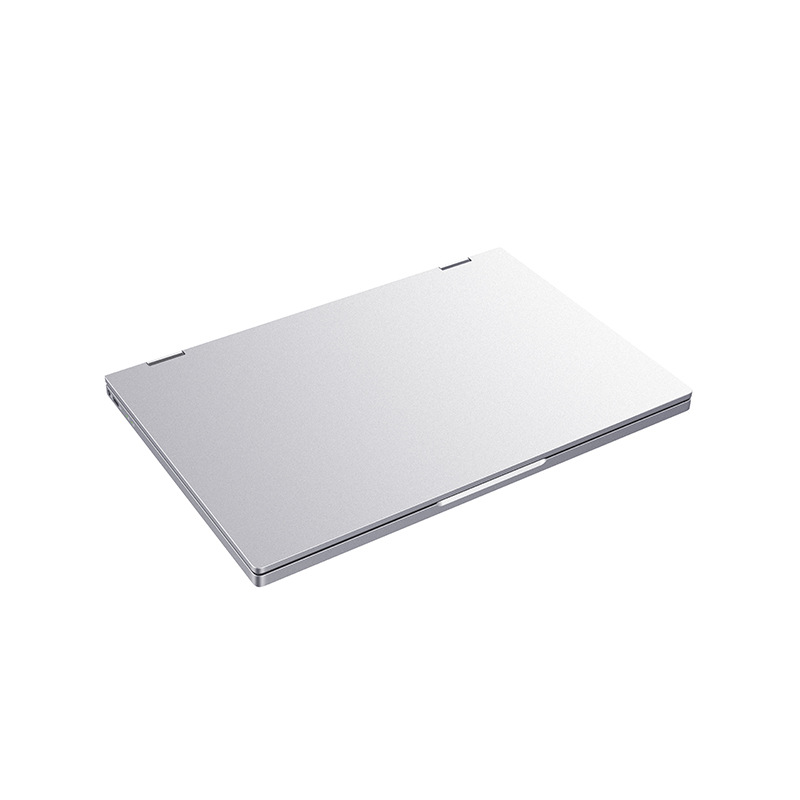
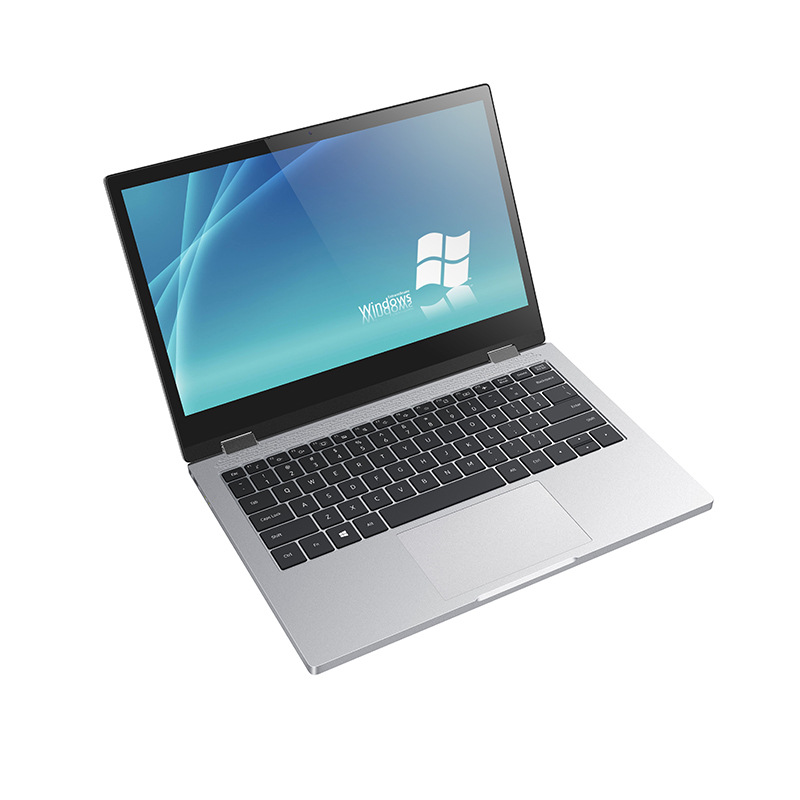
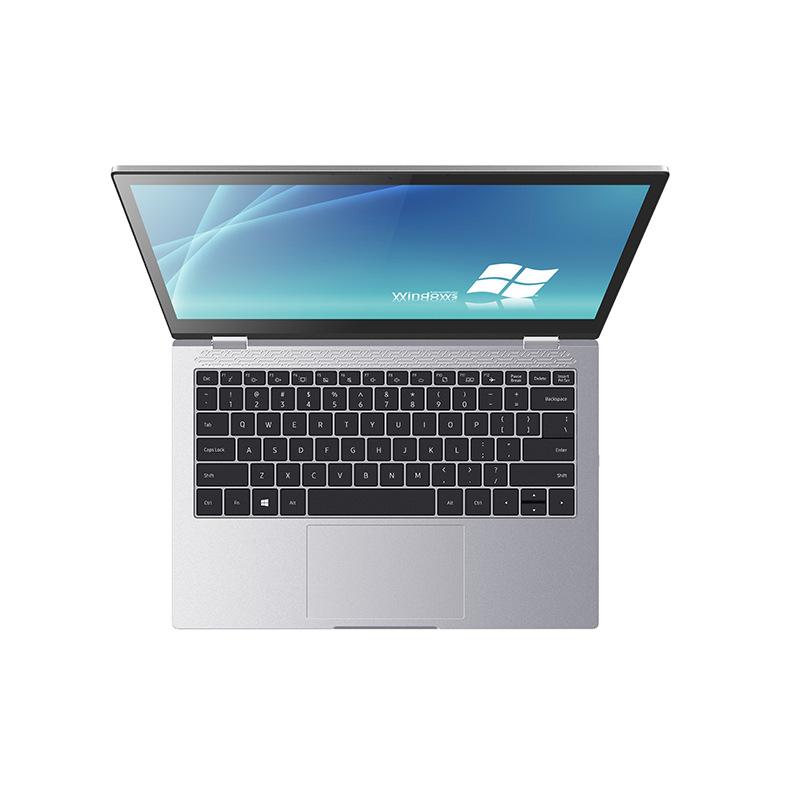
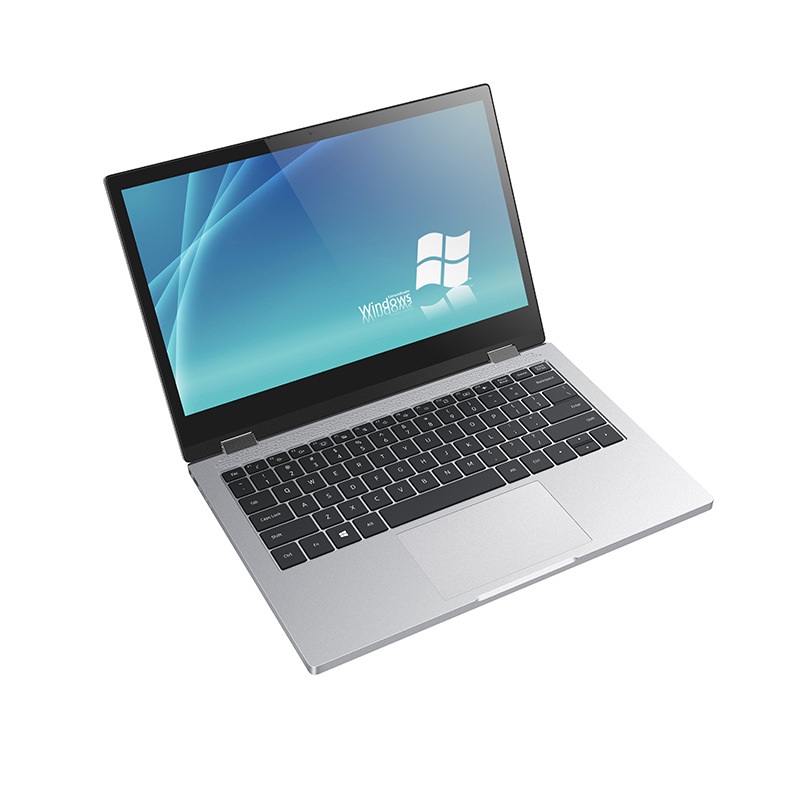
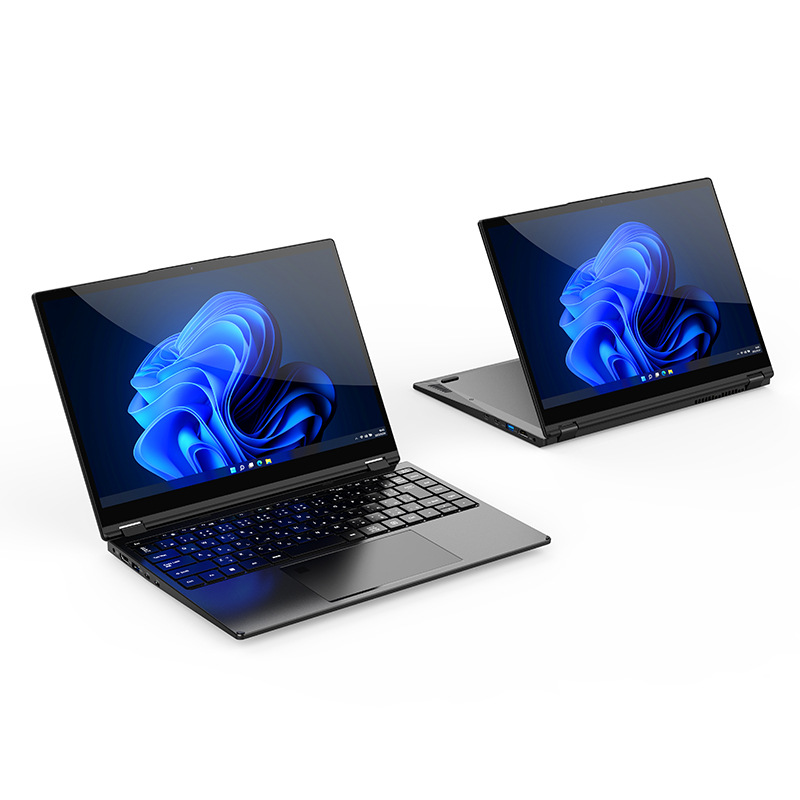
Rugged laptops withstand drops, water, dust, and extreme temperatures—built for industrial, military, and outdoor use. With MIL-STD-810H certification and IP65/IP67 ratings, they deliver reliability where standard devices fail.
🛡️⚙️🌍 [Small icons: Shield (durability), Gear (performance), Globe (global applications)]
Introduction: The Uncompromising Need for Rugged Laptops
In industries like construction, military operations, and野外 research, standard laptops crumble under pressure—literally. Dust clogs fans, water damages circuits, and drops shatter screens. Rugged laptops solve this with military-grade durability (MIL-STD-810H), weatherproofing (IP65/IP67 ratings), and wide-temperature resilience (-30°C to 70°C). Designed for professionals who can’t afford downtime, these devices blend toughness with performance, powering critical tasks in the harshest environments. As leaders in specialized electronics, Chinese rugged laptop manufacturers excel in vertical integration, customization, and scalability—serving 60+ countries with solutions that redefine reliability.
Technical Deep Dive: The Anatomy of a Rugged Laptop
Rugged laptops are engineered from the ground up for abuse, with every component optimized for survival.
1. Core Component Durability
| Component | Rugged Design Features | Innovation Highlights |
|---|---|---|
| Chassis | Magnesium alloy or reinforced polycarbonate (1.5–3.0kg); shock-absorbent corners; sealed seams. | CNC-machined for precision; tool-free access for upgrades (RAM, storage). |
| Display | Gorilla Glass or chemically strengthened glass; 1000-nit sunlight readability; resistive/capacitive touch (glove-compatible). | Anti-glare coatings; optional privacy filters for field use. |
| Battery | 60–120Wh lithium-ion with reinforced casing; hot-swappable options (no shutdown during replacement). | 12–18 hour runtime; fast-charging (45W PD) for remote locations. |
| Cooling System | Passive (fanless) or sealed active cooling (IP67-rated fans); heat spreaders for even thermal distribution. | AI-driven thermal management (adjusts performance to avoid overheating). |
| Connectivity | MIL-STD-461G EMI shielding; waterproof ports (USB-C, HDMI, Ethernet); 5G/Wi-Fi 6E for remote areas. | Optional satellite communication modules for off-grid use. |
2. Production Workflow for Ruggedization
-
Material Selection: Rigid testing of plastics (UV resistance), metals (salt-spray corrosion), and adhesives (temperature tolerance).
-
Sealing Process: Ultrasonic welding + gasket sealing (IP67 rating ensures 1m submersion for 30 mins).
-
Shock Absorption: Internal suspension systems (rubber mounts, air gaps) to dissipate drop impacts (1.8m onto concrete).
-
Quality Control: 100% of units undergo MIL-STD-810H tests (vibration, humidity, altitude) and 500+ cycle button/port stress tests.
3. R&D for Extreme Environments
-
In-House Labs: Thermal chambers (-40°C to 85°C), rain simulators, and drop towers (2m height).
-
Patent Portfolio: 120+ patents in waterproofing, shock absorption, and wide-temperature electronics.
-
Compliance: Pre-certified for MIL-STD-810H, IP67, ATEX (explosive environments), and MIL-STD-461G (EMI/RFI).
Key Applications: Where Rugged Laptops Thrive
1. Industrial & Construction
-
Use Case: On-site data logging, blueprint viewing, and equipment monitoring.
-
Features: Sunlight-readable displays, glove-compatible touchscreens, and 1.8m drop resistance.
-
Example: A construction crew uses rugged laptops to access 3D building models in dusty, rainy conditions.
2. Military & Defense
-
Use Case: Field command, intelligence gathering, and weapon system control.
-
Features: MIL-STD-461G EMI shielding, encrypted storage, and night-vision compatibility.
-
Example: Soldiers rely on rugged laptops in desert heat (50°C) and Arctic cold (-30°C) for mission planning.
3. Outdoor & Field Research
-
Use Case: Geological surveys, wildlife tracking, and climate data collection.
-
Features: 18-hour battery life, waterproof ports, and lightweight designs (1.5kg).
-
Example: Biologists in rainforests use rugged laptops to log species data, even during monsoons.
4. Emergency Response
-
Use Case: Disaster relief coordination, first responder communication, and damage assessment.
-
Features: Hot-swappable batteries, satellite connectivity, and chemical-resistant casings.
-
Example: Firefighters use rugged laptops in smoky, high-temperature environments to access building schematics.
Why Choose Rugged Laptops Over Standard Models?
1. Unmatched Durability
-
Drop Resistance: Survive 1.8m drops onto concrete (vs. 0.8m for standard laptops).
-
Water/Dust Proofing: IP67 rating (submersible, dust-tight) vs. IP20 (basic protection).
-
Temperature Resilience: Operate from -30°C to 70°C (vs. 0°C to 40°C for standard models).
2. Reduced Total Cost of Ownership (TCO)
-
Lower Failure Rates: <0.3% defect rate in harsh environments vs. 5%+ for standard laptops.
-
Minimal Maintenance: Sealed designs eliminate dust-clogging; 3-year warranties cover most repairs.
-
Longer Lifespan: 5–7 years (vs. 3–4 years for standard laptops) due to robust components.
3. Customization for Niche Needs
-
Modular Upgrades: Swappable batteries, storage, and add-on modules (e.g., barcode scanners).
-
Industry-Specific Features: ATEX certification for oil/gas, night-vision filters for military, and sunlight-readable screens for field use.
Innovation Trends in Rugged Laptops
1. Green Rugged Designs
-
Recyclable Materials: Chassis with 60% post-consumer plastic; solar-charging compatible batteries.
-
Energy Efficiency: 0.8W idle power consumption (ENERGY STAR 8.0); kinetic energy harvesting (optional).
2. AI-Optimized Field Performance
-
Predictive Maintenance: IoT sensors monitor battery health, temperature, and shock events, alerting users to potential failures.
-
Adaptive Brightness: AI adjusts display brightness based on ambient light (saves 20% battery).
3. Modular & Future-Proofing
-
Tool-Free Repairs: Users can replace screens, batteries, and ports without special tools.
-
Expandable I/O: Add serial ports, CAN bus adapters, or GPU docks for specialized tasks.
4. Enhanced Connectivity
-
Satellite Modems: Global coverage for off-grid areas (e.g., maritime, remote research).
-
5G/Wi-Fi 6E: Low-latency data transfer for real-time collaboration.
Rugged Laptop Procurement Workflow
-
Needs Assessment: Define environment (dust/water/temperature), use case (data logging/command), and required features (touchscreen, battery life).
-
Configuration Design: Engineers propose specs (e.g., MIL-STD-810H, IP67, 10th Gen Intel i5) and share 3D chassis mockups.
-
Prototype Testing: 2–3 units undergo field simulation (dust chamber, drop tests, temperature cycling).
-
Mass Production: Batches of 1,000+ units with in-process QC (sealing integrity, port functionality).
-
Deployment Support: On-site training, spare parts kits, and 24/7 technical assistance.
Example: A mining company ordered 500 rugged laptops with ATEX certification and 12-hour batteries. The process took 45 days, including 2 prototype revisions.
Quality Assurance: Meeting Military & Industrial Standards
-
Certifications: MIL-STD-810H (shock/drop), IP67 (water/dust), MIL-STD-461G (EMI), ATEX (explosive environments).
-
Testing Protocols:
-
Vibration: 5–500 Hz for 4 hours (simulates vehicle mounting).
-
Humidity: 95% RH at 40°C for 48 hours.
-
Altitude: 4,500m (simulates high-altitude operations).
-
Case Study: Mining Company’s Rugged Laptop Success
Client Profile: A Chilean copper mine needing 300 durable laptops for underground data logging.
Challenge: Harsh environment (dust, humidity, 30°C), 1.5m drop risk, and 12-hour shift requirements.
Solution:
-
Design: IP67-rated polycarbonate chassis, 1.8m drop resistance, 80Wh hot-swappable battery.
-
Components: Intel i5 processor, 16GB RAM, 512GB SSD (shock-mounted).
-
Features: Glove-compatible touchscreen, ATEX Zone 2 certification.
Results (12 Months):
-
⬇️ Laptop failures dropped from 15% (standard models) to 0.5%.
-
⬆️ Data logging efficiency increased by 30% (reliable performance in dust).
-
✅ Met mine safety standards; zero accidents linked to device failure.
-
✅ Secured repeat order for 2025 (400 units).
Global Market Reach
Rugged laptop manufacturers serve:
-
Industrial (40%): Construction, mining, oil/gas.
-
Military/Defense (30%): Command centers, field operations.
-
Outdoor/Research (20%): Environmental science, agriculture.
-
Emergency Services (10%): Firefighting, disaster relief.
Future Outlook: Smarter, Greener, More Connected
-
AI-Driven Ruggedization: Machine learning predicts component stress in real time.
-
Circular Economy: Take-back programs for end-of-life devices (refurbish/recycle).
-
Edge Computing Integration: On-device data processing to reduce bandwidth needs.
FAQ: Your Rugged Laptop Questions Answered
Q1: What is the difference between IP65 and IP67?
A: IP65 resists dust and low-pressure water jets; IP67 is fully dust-tight and submersible in 1m of water for 30 minutes.
Q2: Can rugged laptops be used in freezing temperatures?
A: Yes—most models operate from -30°C to 70°C, with heated batteries for sub-zero use.
Q3: Are rugged laptops heavier than standard laptops?
A: Slightly—typically 1.5–3.0kg (vs. 1.0–2.0kg for standard models) due to reinforced materials.
Q4: How long do rugged laptop batteries last?
A: 12–18 hours (standard use); hot-swappable options enable 24/7 operation.
Q5: Can I upgrade components in a rugged laptop?
A: Yes—most feature tool-free access to RAM, storage, and batteries.
Conclusion: Reliability When It Matters Most
Rugged laptops are more than devices—they are lifelines for professionals in extreme environments. By combining military-grade durability, weatherproofing, and performance, they ensure critical tasks are never compromised. For industries where failure is not an option, partnering with rugged laptop experts means accessing technology that works as hard as you do.
⭐ User Reviews
Hans K.
Construction Site Manager, Bavaria
⭐⭐⭐⭐⭐
“500 rugged laptops survived 1 year in our dusty site—zero failures! IP67 kept out rain, 1.8m drops didn’t faze them. Hot-swappable batteries let crews work 12hr shifts. Best investment for site efficiency!”
Mike T. 🇺🇸
Military Logistics Officer, Texas
⭐⭐⭐⭐⭐
“200 MIL-STD-810H laptops in desert heat (50°C) and Arctic cold (-30°C). EMI shielding blocked radio interference. Encrypted storage met DoD standards. 3-year warranty = peace of mind.”
Yuki S. 🇯🇵
Field Researcher, Hokkaido
⭐⭐⭐⭐☆
“100 rugged laptops for wildlife tracking—sunlight-readable screens were a game-changer. 18hr battery lasted full days. Only wish they were lighter, but durability makes up for it!”
Carlos R. 🇧🇷
Mining Engineer, Minas Gerais
⭐⭐⭐⭐⭐
“300 ATEX-certified laptops in our copper mine—dust and humidity no match. 0.5% failure rate vs. 15% with old models. Hot-swappable batteries kept crews working. ROI in 8 months!”
Priya M. 🇮🇳
Disaster Response Coordinator, Mumbai
⭐⭐⭐⭐⭐
“50 rugged laptops for flood relief—submersible, 12hr battery. Satellite connectivity worked in remote areas. Helped coordinate rescue teams effectively. Lifesavers in crisis!”
Article Link:
Rugged Laptop: Engineered for Extreme Environments


No reply content