Introduction
Choosing between a screw air compressor and a piston air compressor is one of the most common decisions faced by industrial buyers. Many factories purchase the wrong type simply because they follow price comparisons or supplier recommendations without fully understanding how each compressor performs in real industrial conditions.
In industrial use, compressed air is not optional—it directly affects production efficiency, energy consumption, and equipment lifespan. This article provides a clear, practical comparison between screw and piston air compressors, helping factory owners, purchasing managers, and engineers decide which solution is truly better for their specific industrial application.
Understanding the Basic Working Principles
How a Piston Air Compressor Works
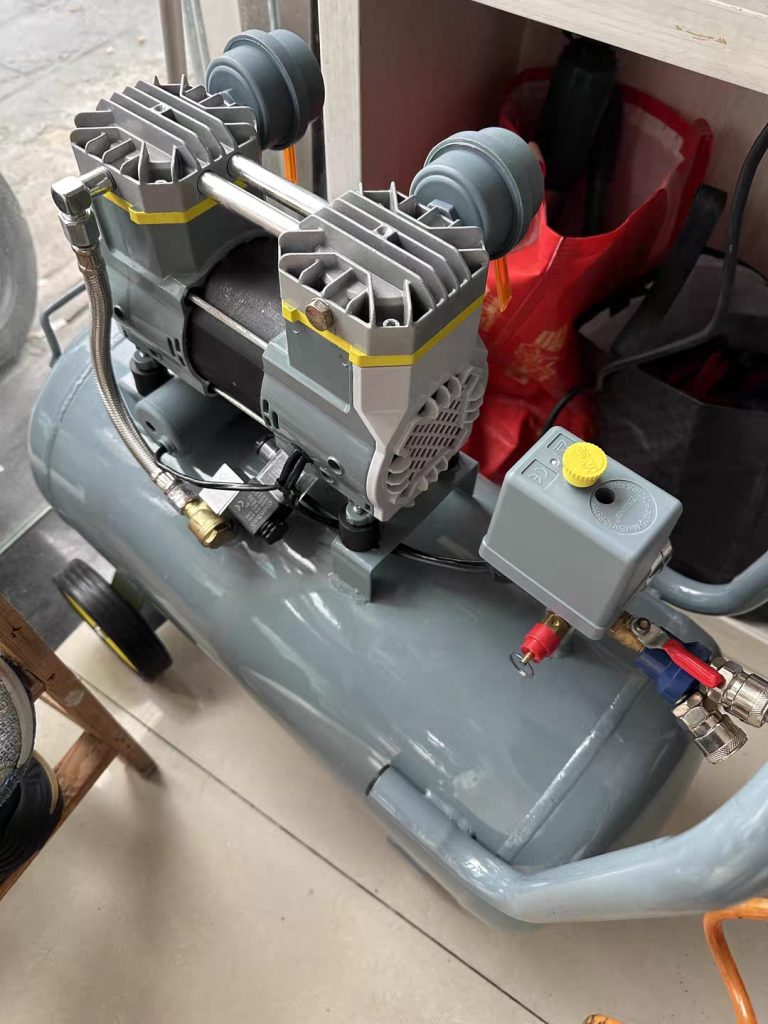
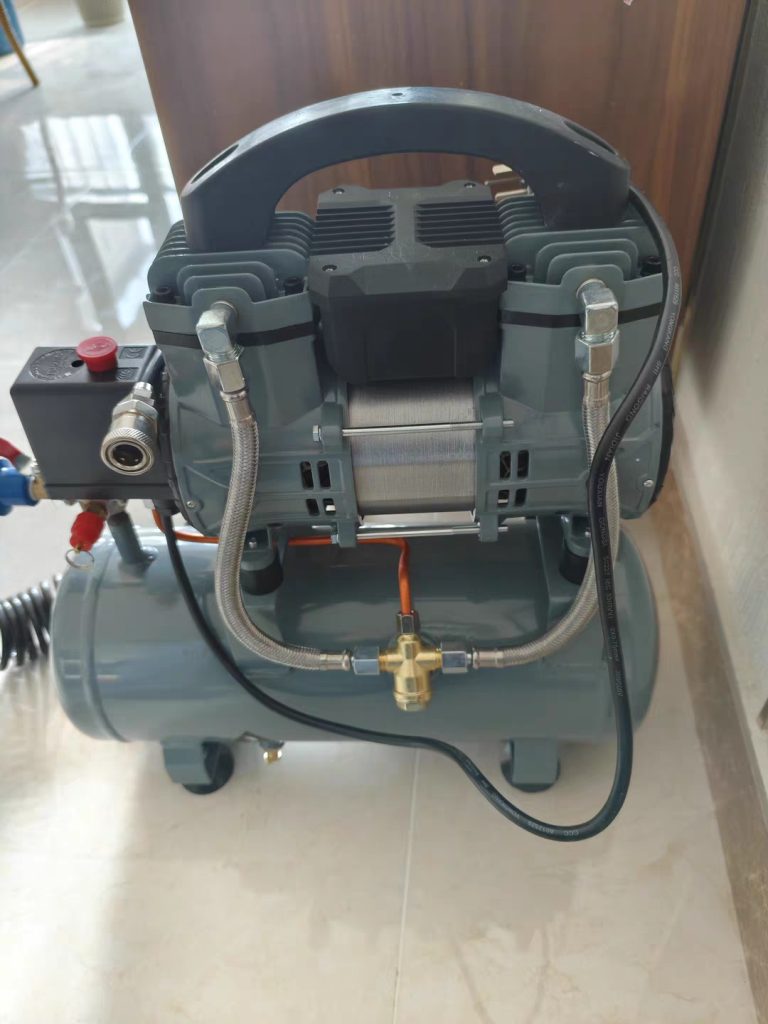
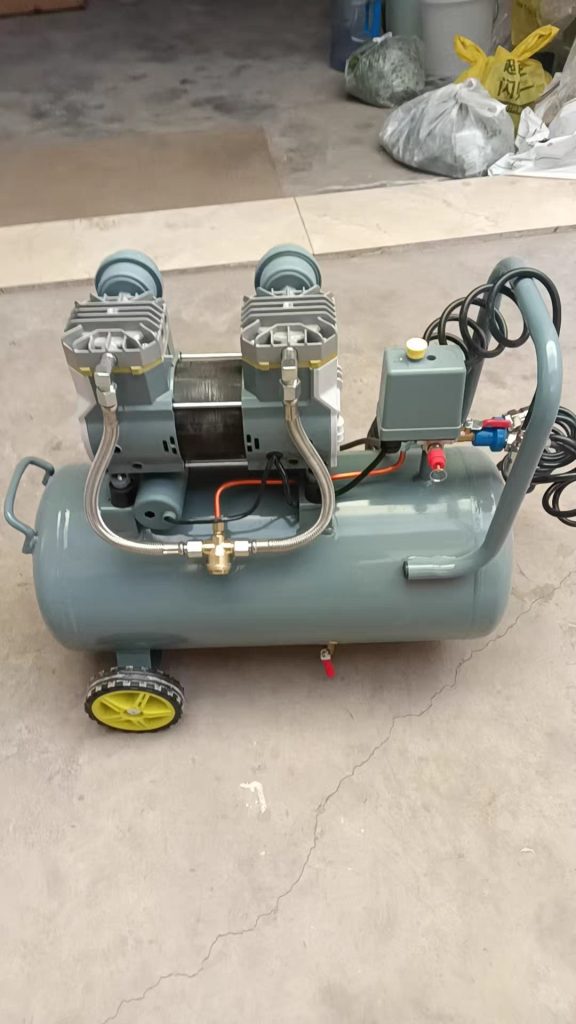
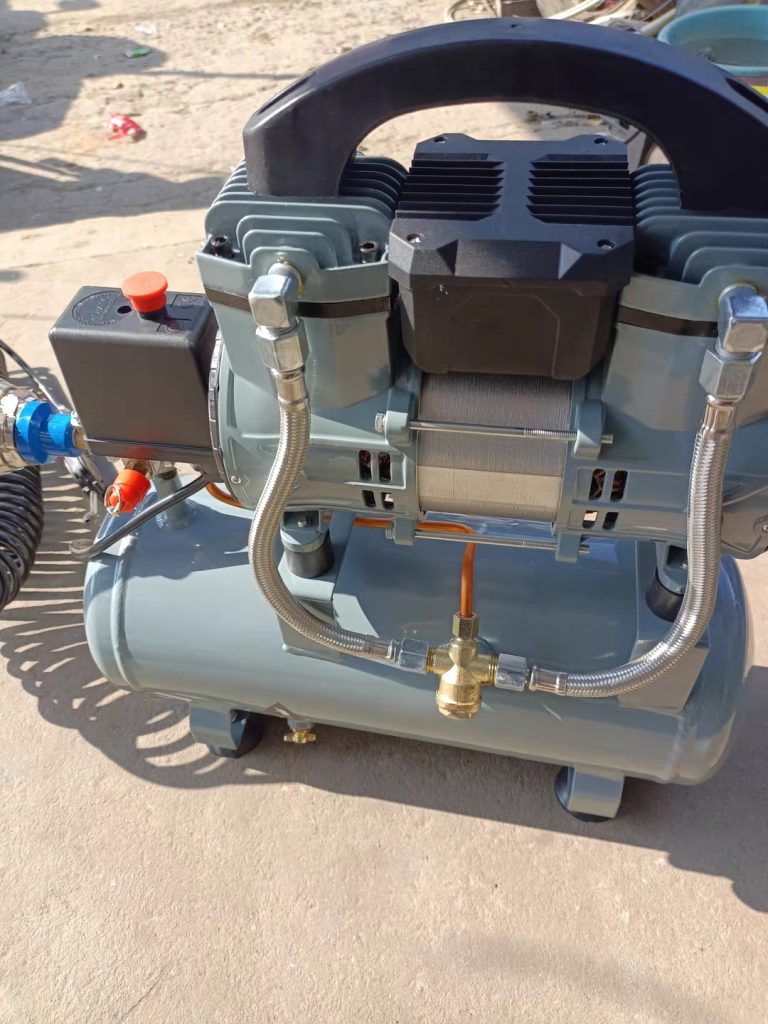
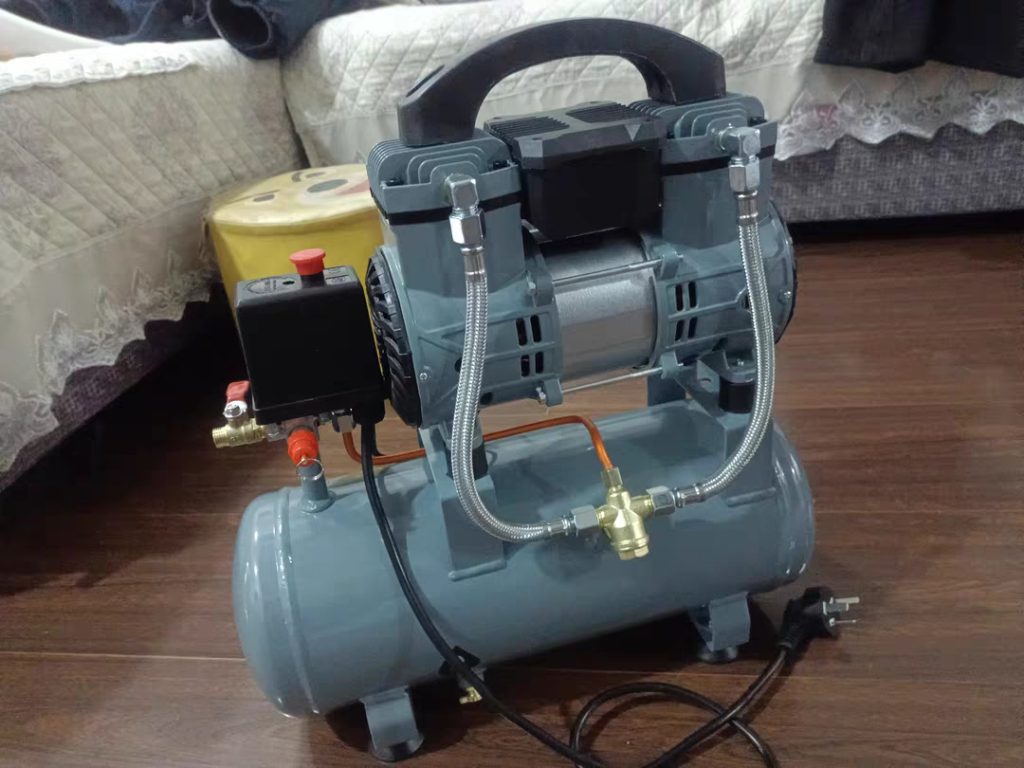
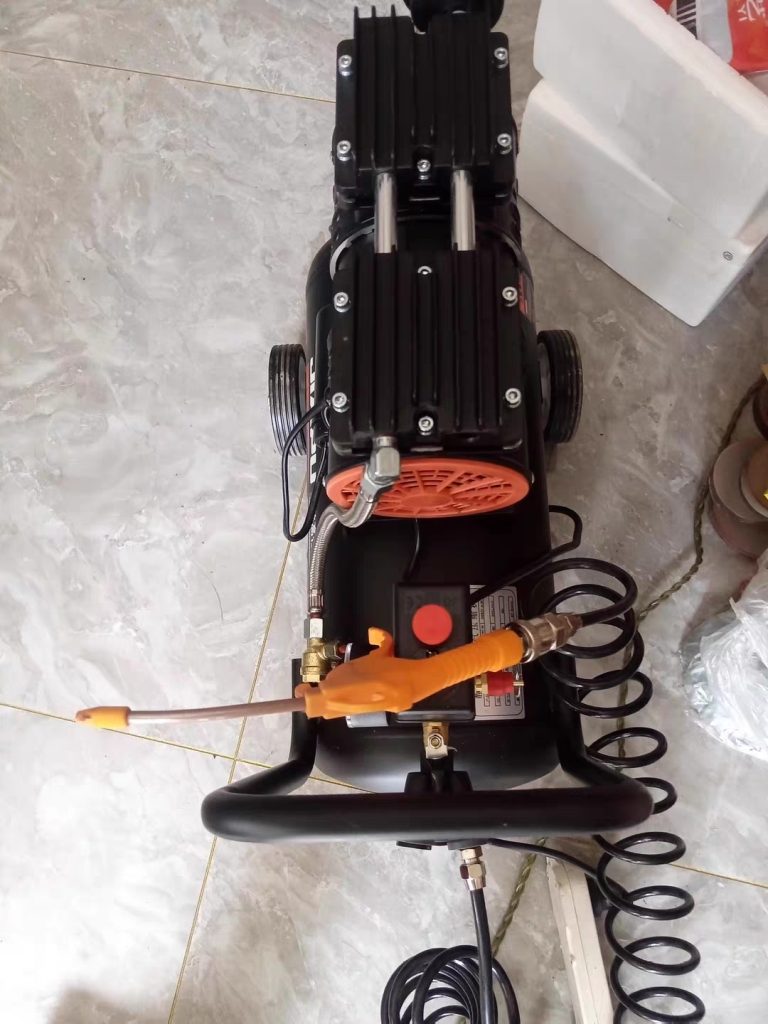
A piston (reciprocating) air compressor uses a crankshaft-driven piston to compress air inside a cylinder. As the piston moves downward, air is drawn in. As it moves upward, air is compressed and stored in a tank.
This technology has been used for decades and is known for its simple structure and low manufacturing cost.
How a Screw Air Compressor Works
A screw air compressor uses two intermeshing rotors to compress air continuously. As air enters the compression chamber, it is trapped between the rotors and gradually compressed as the volume decreases.
This design allows for a steady, continuous air supply, making screw compressors ideal for industrial environments that require consistent airflow.
Key Differences Between Screw and Piston Air Compressors
1. Air Supply Stability
- Piston compressor: Intermittent air delivery
- Screw compressor: Continuous air flow
In industrial production, pressure fluctuations can cause machine errors, inconsistent product quality, and equipment alarms. Screw compressors provide a much more stable air supply.
2. Duty Cycle and Operating Time
- Piston compressors are designed for intermittent use, typically 30–60% duty cycle
- Screw compressors are designed for continuous operation, often running 24/7
For factories operating multiple shifts, piston compressors may overheat or fail prematurely.
3. Energy Efficiency
Energy cost is one of the largest expenses in industrial compressed air systems.
- Piston compressors consume more energy per unit of air
- Screw compressors are significantly more energy-efficient, especially with VSD (Variable Speed Drive) technology
Over time, the lower energy consumption of screw compressors often offsets their higher purchase cost.
4. Noise Level
Noise affects worker comfort and compliance with workplace safety regulations.
- Piston compressors: Typically 80–95 dB
- Screw compressors: Usually 60–75 dB
In indoor factory environments, screw compressors are far more suitable.
5. Maintenance and Service Life
- Piston compressors have more moving parts and experience higher mechanical stress
- Screw compressors operate smoothly with fewer wear components
As a result:
- Piston compressors require more frequent maintenance
- Screw compressors offer longer service intervals and longer overall lifespan
Industrial Applications: Which One Fits Better?
When a Piston Air Compressor Makes Sense
Piston compressors are suitable for:
- Small workshops
- Light-duty applications
- Intermittent tool usage
- Budget-sensitive buyers with low air demand
Typical industries:
- Auto repair shops
- Small woodworking shops
- Maintenance departments
When a Screw Air Compressor Is the Better Choice
Screw compressors are ideal for:
- Manufacturing plants
- Continuous production lines
- CNC machining
- Packaging and automation systems
Typical industries:
- Metal fabrication
- Plastic injection molding
- Textile manufacturing
- Food and beverage processing
Air Quality Considerations
Industrial applications often require clean, dry air.
- Piston compressors tend to produce more oil carryover
- Screw compressors can be combined with advanced filtration and drying systems
For industries like food, electronics, and pharmaceuticals, screw compressors—especially oil-free models—are strongly preferred.
Space and Installation Requirements
- Piston compressors usually require a separate compressor room due to noise and vibration
- Screw compressors are compact, enclosed, and easier to install near production areas
For factories with limited space, screw compressors offer better flexibility.
Cost Comparison: Initial vs Long-Term
Initial Purchase Cost
- Piston compressor: Lower upfront cost
- Screw compressor: Higher initial investment
Total Cost of Ownership
When considering:
- Electricity
- Maintenance
- Downtime
- Spare parts
Screw compressors often have a lower total cost over 3–5 years in industrial use.
Common Buying Mistakes in Industrial Use
- Choosing piston compressors for continuous production
- Ignoring energy efficiency ratings
- Underestimating air demand growth
- Focusing only on purchase price
These mistakes frequently result in production interruptions and increased operating costs.
Manufacturer’s Perspective: What We See in Real Factories
As an air compressor manufacturer, we often receive upgrade requests from factories that initially installed piston compressors. In most cases, the reasons include:
- Insufficient air supply
- Excessive noise
- High electricity bills
- Frequent breakdowns
After switching to screw air compressors, these factories typically report improved production stability and lower long-term costs.
How to Decide: A Simple Rule of Thumb
Choose a piston air compressor if:
- Daily operation is less than 3–4 hours
- Air demand is low
- Budget is extremely limited
Choose a screw air compressor if:
- The factory runs daily
- Multiple machines rely on compressed air
- Stable pressure is critical
- Energy efficiency matters
FAQ: Screw vs Piston Air Compressors
Q1: Can a piston compressor run continuously?
Technically yes, but it is not designed for long continuous operation and may fail prematurely.
Q2: Is a screw compressor too expensive for small factories?
Not necessarily. When energy savings and reliability are considered, screw compressors are often more economical.
Q3: Which compressor lasts longer?
Screw compressors typically have a longer service life in industrial environments.
Final Conclusion
For industrial use, the choice between screw and piston air compressors depends on how the factory operates—not just on price. While piston compressors may work for light-duty tasks, screw air compressors clearly outperform them in continuous industrial applications.
If your factory relies on compressed air for daily production, a screw air compressor is not a luxury—it is a necessity.


No reply content