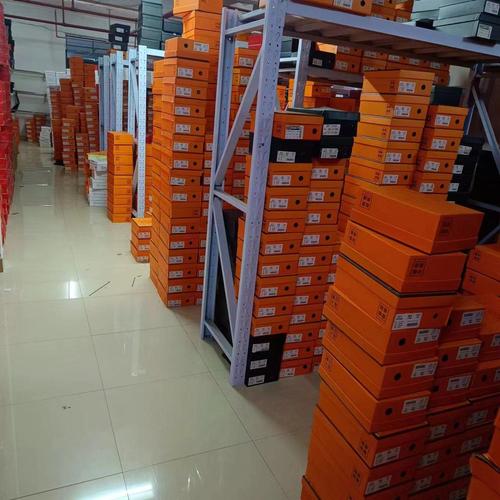


Introduction
The global footwear market continues to expand rapidly, driven by fashion trends, sports culture, e-commerce growth, and increasing consumer demand for comfort and sustainability. Whether you are building a private label brand, launching a retail store, or sourcing bulk inventory, partnering with a reliable shoes manufacturer is the foundation of long-term success.
This comprehensive guide explains everything buyers need to know about sourcing from a professional wholesale shoes supplier or custom shoes factory, including manufacturing processes, material selection, quality control, cost factors, and global market trends.
Understanding the Global Footwear Industry
The footwear industry includes multiple product segments:
- Athletic shoes
- Casual sneakers
- Formal leather shoes
- Sandals and slippers
- Boots
- Kids’ shoes
- Work safety shoes
Each category requires different materials, construction methods, and compliance standards.
Major manufacturing hubs include:
- China
- Vietnam
- India
- Indonesia
These countries provide scalable production, skilled labor, and competitive pricing for global brands.
Why Work with a Professional Shoes Manufacturer?
Choosing the right factory offers several advantages:
1. Stable Production Capacity
Established manufacturers provide:
- Large-scale production lines
- Consistent monthly output
- Fast lead times
This ensures you can scale your business without supply disruption.
2. Customization Capability
Professional factories offer OEM and ODM services:
- Custom logo printing
- Unique outsole designs
- Private label packaging
- Custom colorways and materials
Customization helps brands differentiate in competitive markets.
3. Quality Control Systems
Reliable factories implement:
- Raw material inspection
- In-line production checks
- Final product inspection
- Durability and wear testing
Quality consistency builds brand reputation and reduces returns.
Types of Shoes and Manufacturing Considerations
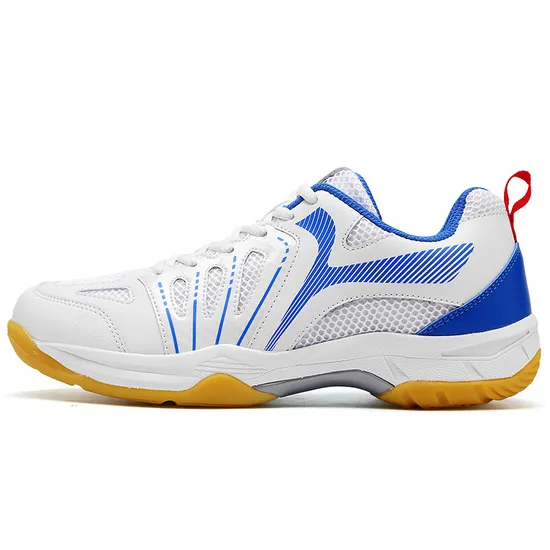
Athletic & Sports Shoes
Key factors:
- Breathable upper materials (mesh, knit fabric)
- Shock-absorbing midsoles (EVA, PU)
- Durable rubber outsoles
Used for:
- Running
- Training
- Basketball
- Outdoor sports
Comfort and performance testing are essential.
Casual Sneakers
Popular for:
- Daily wear
- Street fashion
- E-commerce brands
Features:
- Lightweight design
- Flexible outsole
- Trend-driven aesthetics
Private label brands often start with sneakers due to strong market demand.
Leather Shoes
Common for:
- Formal business wear
- Luxury brands
- Men’s fashion
Materials:
- Genuine leather
- PU synthetic leather
- Cowhide or suede
Construction methods:
- Cemented construction
- Goodyear welt
- Blake stitch
Higher craftsmanship typically means higher pricing.
Safety and Work Shoes
Designed for:
- Construction
- Industrial sites
- Warehouses
Must meet safety standards such as:
- Steel toe protection
- Slip resistance
- Oil resistance
Certifications may include CE or ASTM depending on market.
Shoe Manufacturing Process
Understanding production helps buyers evaluate factory capabilities.
Step 1: Design & Development
- Concept creation
- Tech pack development
- Material selection
- Sample production
Sample approval is critical before mass production.
Step 2: Material Sourcing
Common upper materials:
- Mesh
- Knit
- Leather
- PU
- Canvas
Common sole materials:
- EVA
- Rubber
- TPU
- PVC
High-quality materials improve durability and comfort.
Step 3: Cutting & Stitching
- Upper panels cut using precision machines
- Stitching and assembly
- Logo application
Attention to stitching quality determines durability.
Step 4: Sole Attachment
Methods include:
- Cementing
- Injection molding
- Stitch-down construction
Sole bonding strength is essential for long-term wear.
Step 5: Quality Inspection
- Size accuracy check
- Glue inspection
- Comfort testing
- Packaging inspection
Professional factories use standardized QC systems.
How to Choose a Reliable Wholesale Shoes Supplier
1. Manufacturing Experience
Look for factories with:
- 5+ years production experience
- Export track record
- Long-term international clients
Experience reduces production errors.
2. MOQ and Flexibility
Different factories offer different minimum order quantities:
- Large factories: 1000+ pairs per style
- Medium factories: 300–800 pairs
- Small factories: flexible MOQ
Choose based on your business scale.
3. Sample Policy
Always request samples to check:
- Fit and comfort
- Material quality
- Construction durability
Never skip the sampling stage.
4. Communication and Transparency
Professional suppliers provide:
- Clear quotations
- Production timeline
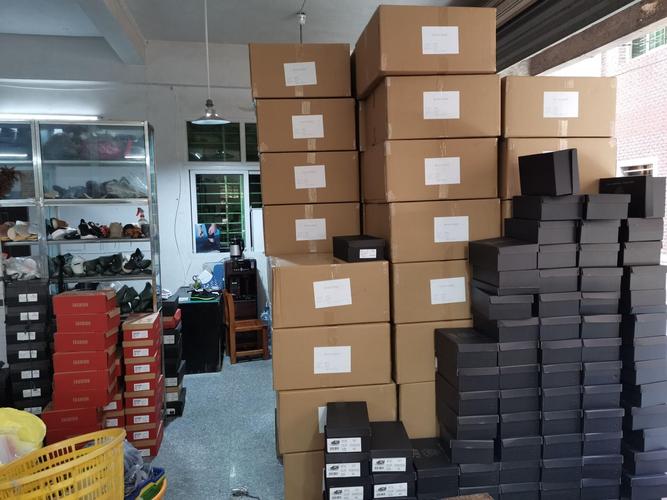
- Real factory photos and videos
Transparency builds trust.
Cost Factors in Shoe Manufacturing
Several elements determine final pricing:
- Material quality
- Sole type
- Order quantity
- Customization complexity
- Packaging requirements
- Shipping method
Generally, higher quantities lower per-unit cost.
Sustainable Shoes Manufacturing
Sustainability is becoming a major purchasing factor.
Eco-friendly options include:
- Recycled rubber soles
- Organic cotton uppers
- Water-based glue
- Biodegradable packaging
Brands adopting sustainable footwear often gain stronger market positioning.
Global Footwear Market Trends
Current trends shaping the industry:
- Athleisure growth
- Direct-to-consumer brands
- Sustainable fashion
- Customization and personalization
- Smart shoes with embedded technology
Understanding trends helps brands make informed sourcing decisions.
Private Label Shoes: Building Your Own Brand
Many buyers now launch private label brands instead of reselling generic products.
Key steps:
- Define target market
- Develop unique designs
- Create brand packaging
- Establish quality standards
- Develop long-term factory partnership
Private label offers higher profit margins but requires stronger branding effort.
Logistics and Shipping Considerations
Shoes are typically shipped via:
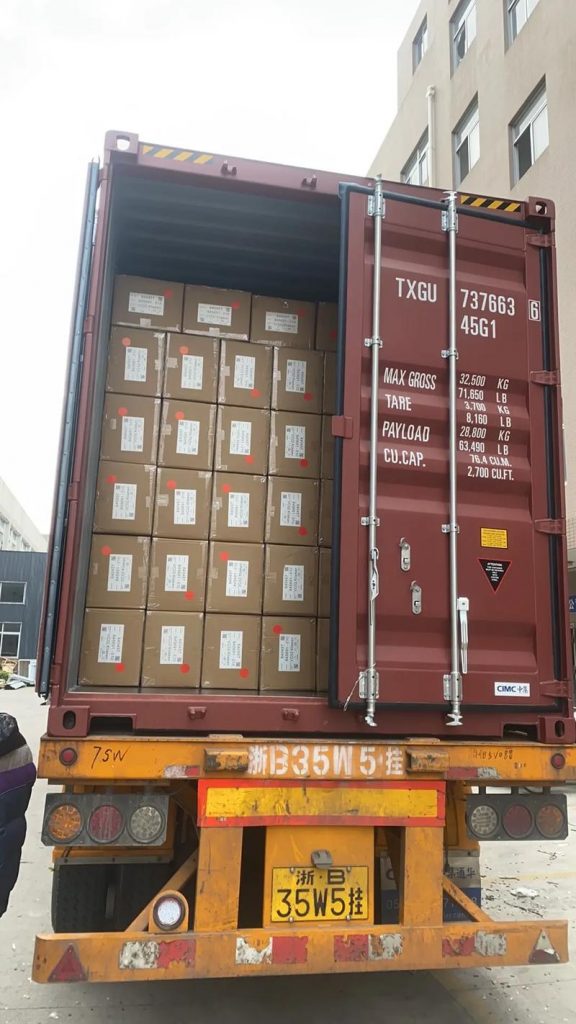
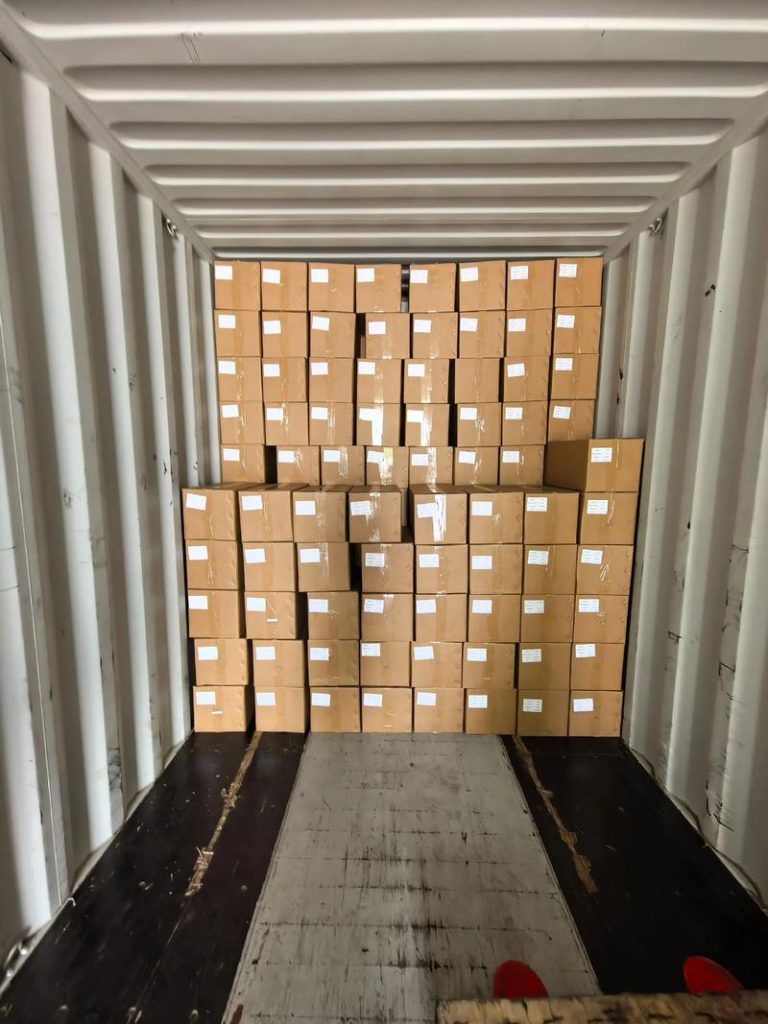
- Sea freight (cost-effective for bulk orders)
- Air freight (fast but expensive)
Important considerations:
- Carton dimensions
- Weight calculation
- Customs duties
- Labeling compliance
Efficient logistics planning reduces overall cost.
FAQ – Shoes Manufacturing and Wholesale
Q1: What is the average MOQ for custom shoes?
Typically 300–1000 pairs per style, depending on factory size.
Q2: How long does production take?
Sample: 7–15 days
Bulk production: 30–45 days
Q3: Can I customize logo and packaging?
Yes. Most professional factories provide OEM services.
Q4: How do I ensure quality?
Request samples, inspect production, and consider third-party inspection.
Q5: What is the most profitable shoe category?
Sneakers and athleisure footwear currently show strong global demand.
Why Partner with a Shoes Manufacturer in Asia
Asian manufacturing hubs offer:
- Competitive pricing
- Skilled labor
- Mature supply chains
- Flexible production lines
This makes them ideal for startups and established brands alike.
Final Thoughts
Selecting the right shoes manufacturer is a strategic decision that impacts product quality, brand reputation, and long-term profitability. From material selection and production processes to customization and sustainability, every factor plays a role in building a successful footwear business.
Whether you are sourcing wholesale inventory or developing a private label brand, prioritize quality control, supplier transparency, and scalable production capability.
A strong factory partnership is not just a supplier relationship — it is a foundation for global market growth.


No reply content