China Air Compressor Manufacturing Factory
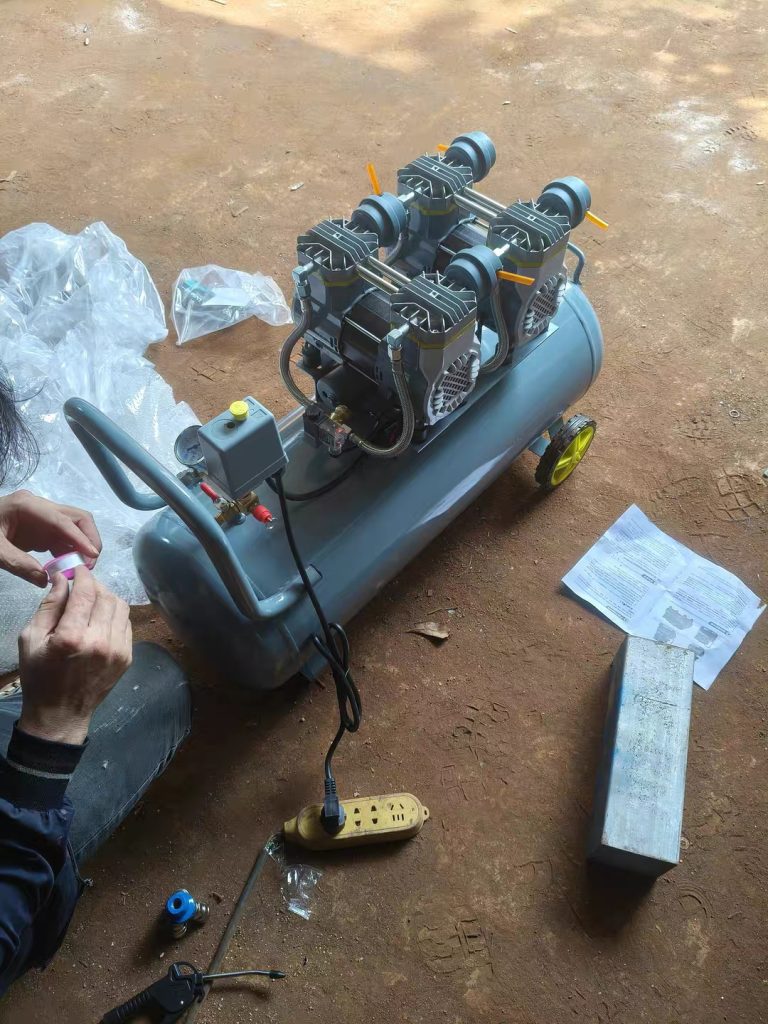
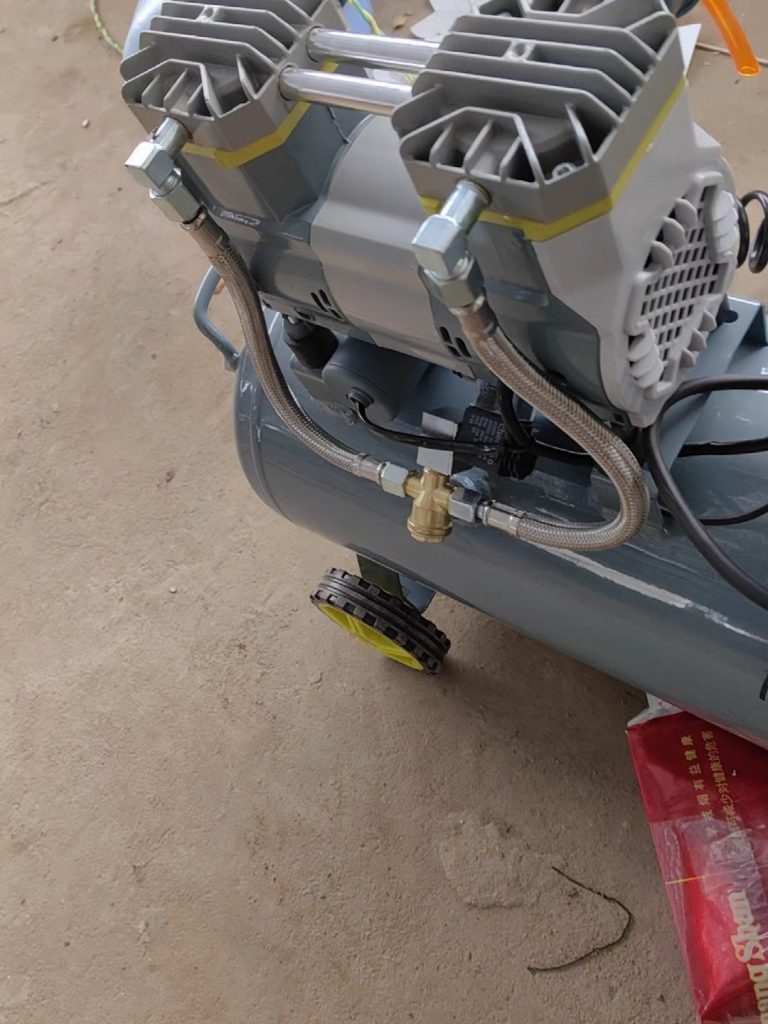
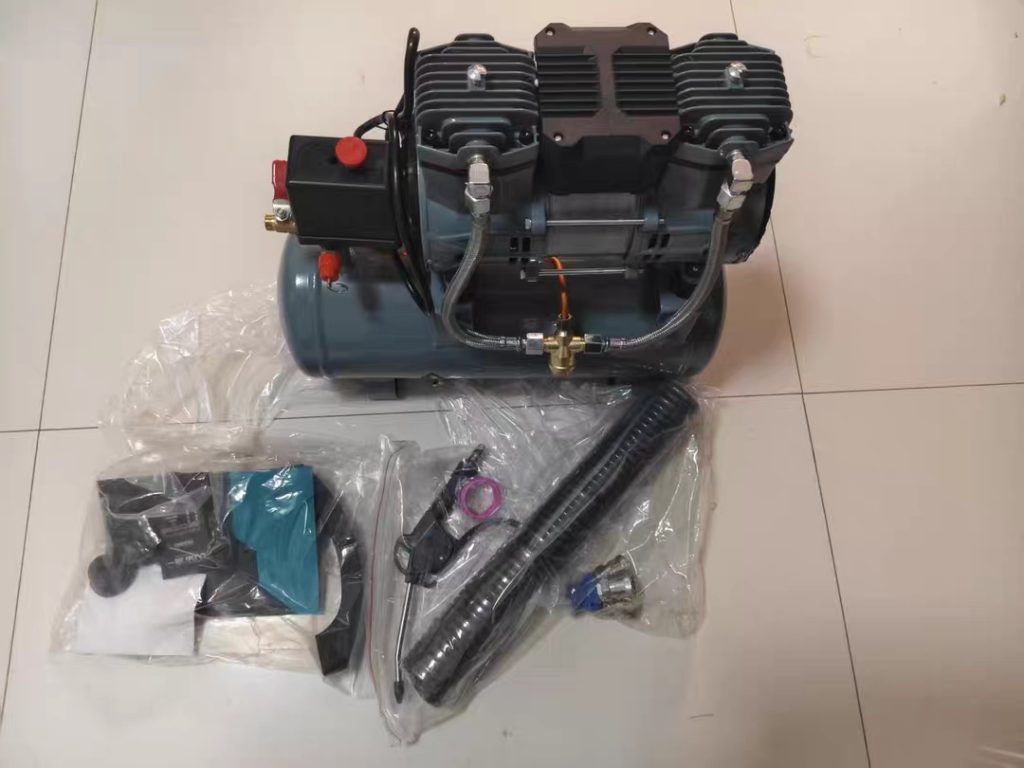
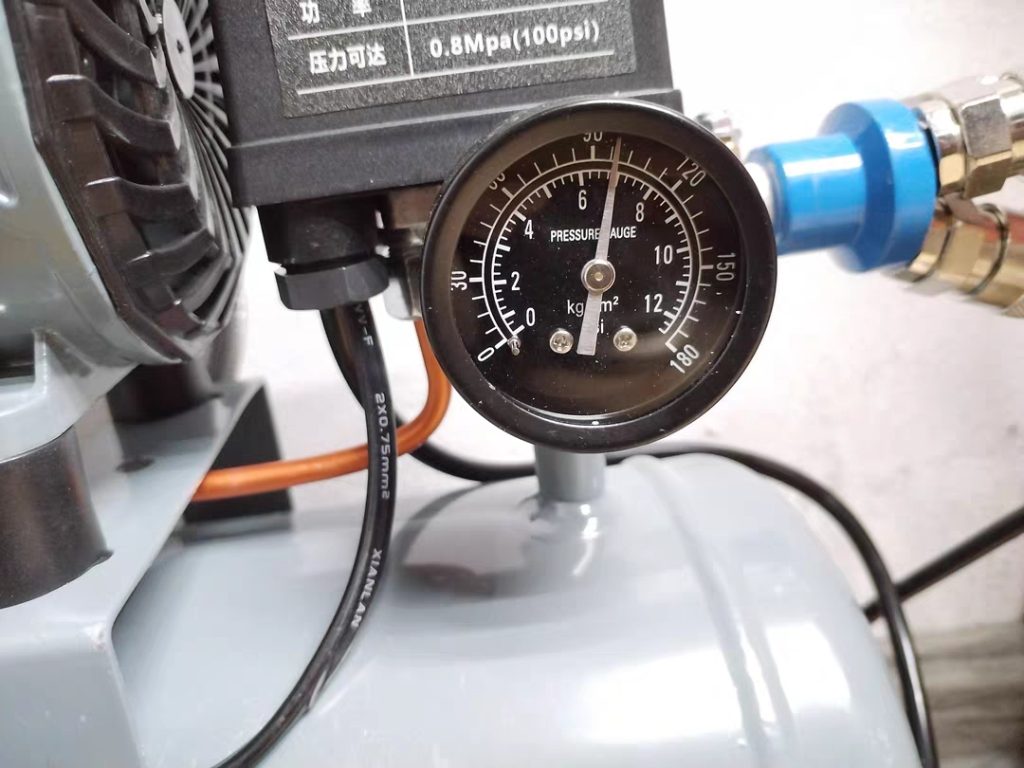
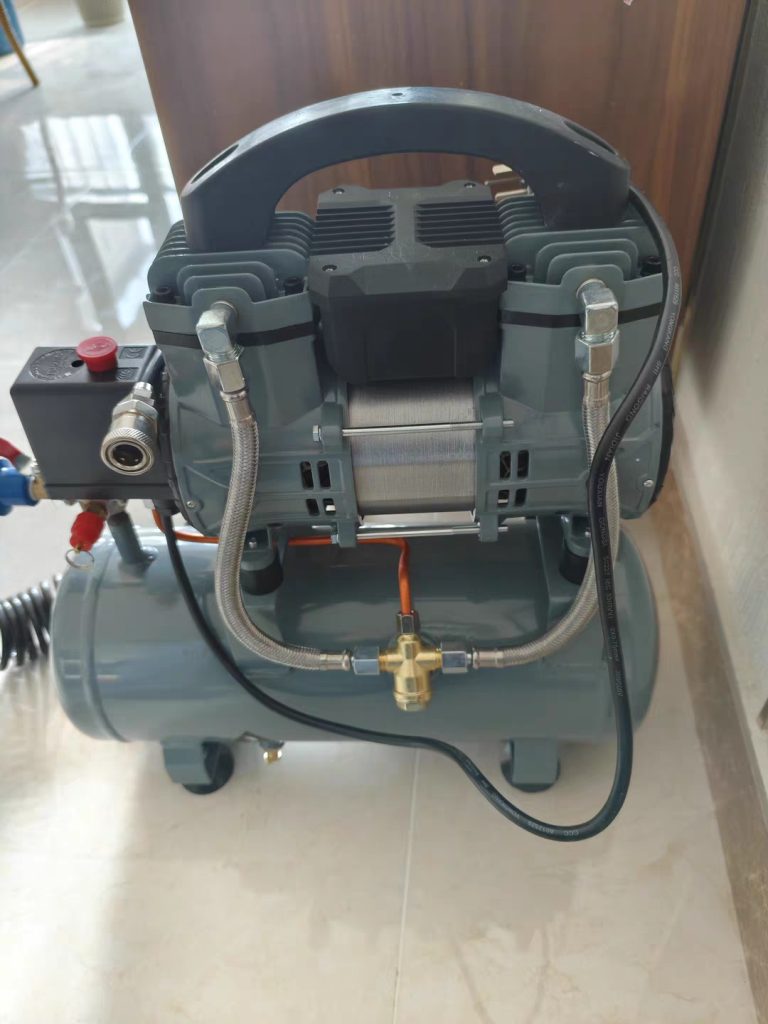
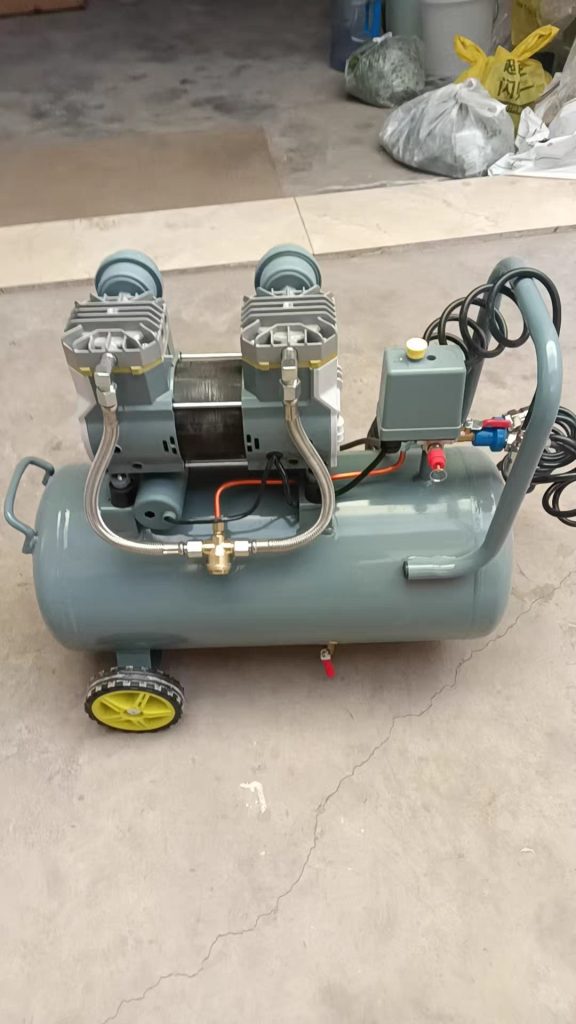
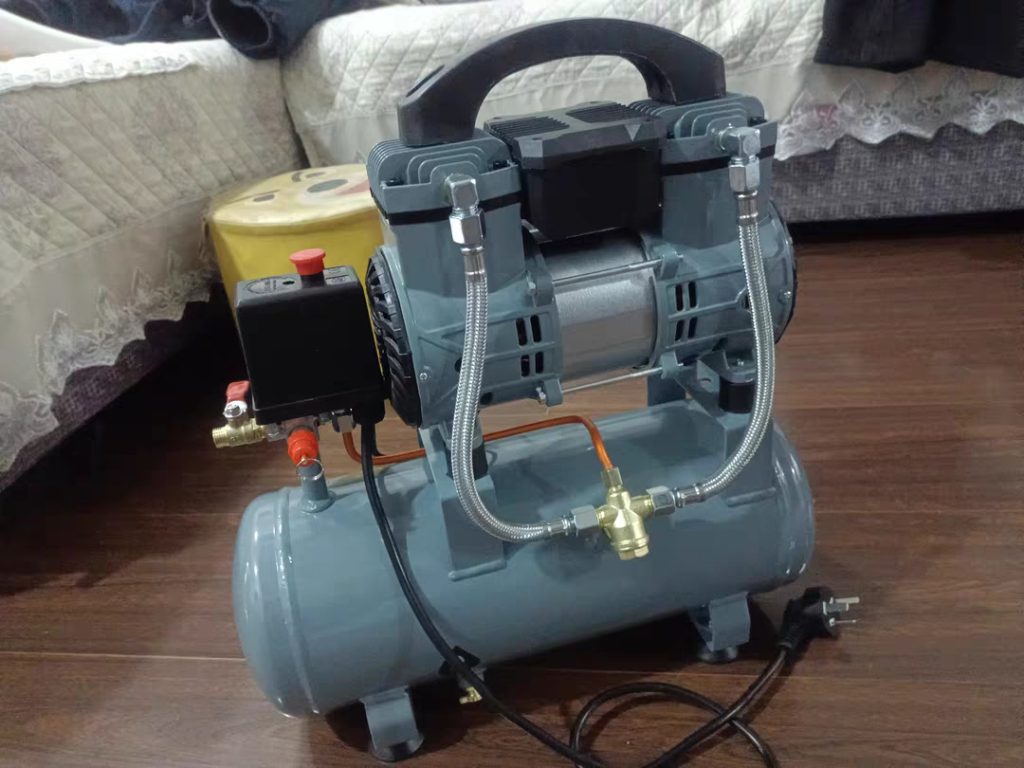
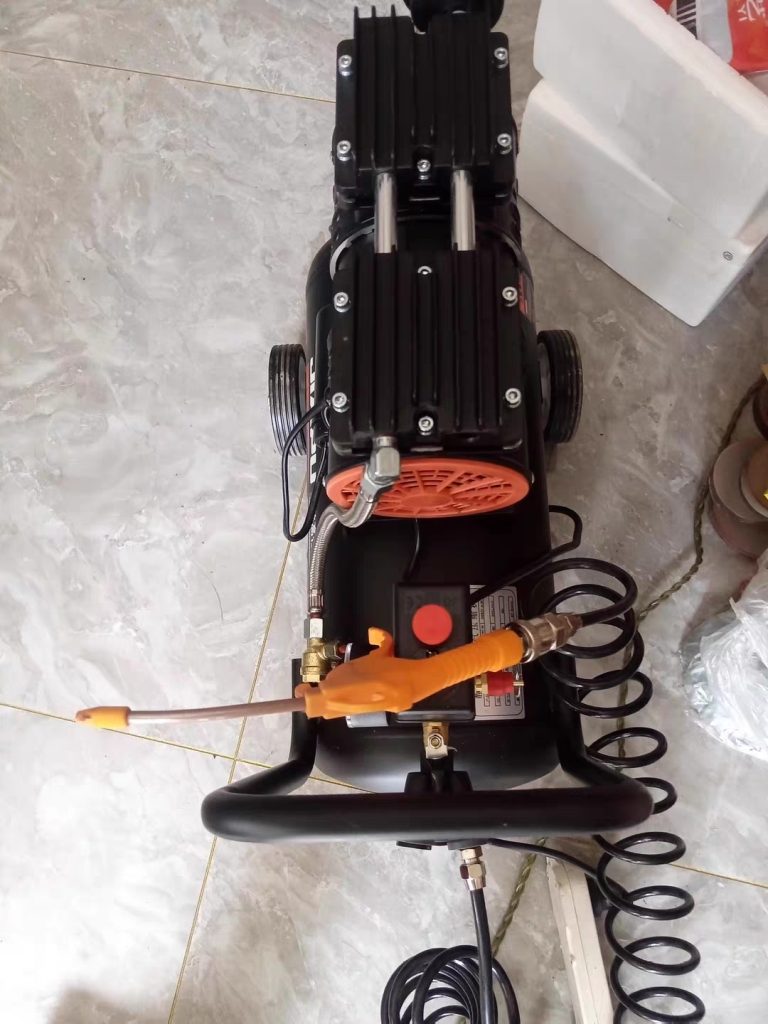
Small business air compressors deliver compact, versatile power for growing workshops—woodworking, metalcraft, auto repair. With low noise, space-saving designs, and multi-tool support, they scale with your business needs.
🏭⚙️📈 [Small icons: Factory (workshop), Gear (tools), Growth arrow (scalability)]
Empowering Small Businesses: Why Compact Air Compressors Are Game-Changers
For small business owners and growing workshops, space is limited, budgets are tight, and versatility is key. A small business air compressor bridges the gap between manual labor and bulky industrial equipment, offering compact power to drive pneumatic tools for woodworking, metalcraft, auto repair, and more. Unlike large-scale models, these compressors prioritize space efficiency (vertical tanks, lightweight designs), low noise (<75 dB), and affordability (100-1,000), making them ideal for 1-3 person workshops. This guide explores their technology, applications, and how to choose a model that grows with your business.
Technical Deep Dive: Engineering Compact Power for Small Workshops
Small business air compressors are optimized for intermittent to moderate use (2-6 hours/day) and multi-tool compatibility. Their design focuses on balancing performance with portability, using simplified yet reliable components.
1. Core Components: Compact but Mighty
| Component | Function | Small Business Innovations |
|---|---|---|
| Motor | Powers compression. | 0.5-3 HP single-phase (120V/240V) induction motors; brushless options for quiet operation (<70 dB). |
| Compression System | Generates airflow. | Piston: Most common (1-6 gallon tanks, 2-15 CFM); Diaphragm: Oil-free, quiet (ideal for crafts). |
| Air Tank | Stores compressed air. | Vertical tanks (saves floor space); ASME-certified steel/aluminum (lightweight: 30-80 lbs). |
| Pressure Regulator | Adjusts output (90-150 PSI). | Analog/digital gauges (±1 PSI accuracy); preset buttons for common tools (e.g., 90 PSI for nailers). |
| Filter/Dryer | Removes moisture/particles. | Inline coalescing filters (99% oil/water removal) to protect tools. |
2. Key Performance Metrics for Small Workshops
-
Flow Rate (CFM): 2-15 CFM (nailers: 2-4 CFM; spray guns: 6-10 CFM; grinders: 8-12 CFM).
-
Pressure (PSI): 90-150 PSI (matches 95% of small workshop tools).
-
Tank Size: 1-6 gallons (1-2 gal for portability; 3-6 gal for longer runtime).
-
Noise Level: 60-75 dB(A) (quieter than vacuums; suitable for home-based workshops).
3. Piston vs. Diaphragm: Choosing the Right Fit
| Parameter | Piston Compressor | Diaphragm Compressor |
|---|---|---|
| Oil Use | Oil-lubricated (requires changes) | Oil-free (clean air for crafts/electronics) |
| CFM Output | 2-15 CFM (higher for same size) | 1-8 CFM (lower but sufficient for light tools) |
| Portability | Moderate (30-60 lbs) | High (20-40 lbs; ideal for mobile use) |
| Cost | 100-500 | 80-300 |
| Best For | Woodworking, auto repair, metalcraft | Crafts, painting, small pneumatic tools |
Why Small Businesses Need Compact Air Compressors
1. Space Efficiency for Growing Workshops
Small workshops (100-300 sq. ft.) can’t accommodate large compressors. Vertical tanks (e.g., 6-gallon “hot dog” designs) occupy 50% less floor space than horizontal models, freeing room for tools and materials. A typical 3-gallon piston compressor measures 18x12x24 inches—small enough to fit under a workbench.
2. Cost-Effective Scaling
Instead of buying multiple single-purpose tools, a compact compressor powers 5-10 pneumatic tools (nailers, spray guns, inflators), reducing upfront costs by 40%. For example, a woodworker can switch from manual nail driving to a pneumatic nailer (powered by the compressor), cutting project time by 60%.
3. Versatility Across Trades
Small businesses often diversify services—e.g., a carpenter who also does furniture refinishing. A single compressor supports:
-
Woodworking: Nailers, sanders, paint sprayers.
-
Metalcraft: Grinders, rivet guns, engravers.
-
Auto Repair: Tire inflators, impact wrenches (light-duty).
-
Crafts: Airbrushes, balloon inflators, inflatable decor tools.
Top Applications for Small Business Workshops
1. Woodworking & Carpentry
-
Framing: Pneumatic nailers (2-4 CFM @ 90 PSI) drive nails 3x faster than hammers.
-
Finishing: Random orbital sanders (6-8 CFM @ 90 PSI) smooth surfaces evenly.
-
Painting: HVLP spray guns (8-10 CFM @ 40-60 PSI) deliver professional finishes.
Example: A custom furniture maker in Oregon uses a 2 HP piston compressor (6-gallon tank, 12 CFM) to run nailers and spray guns, completing 2x more projects/month.
2. Metal Fabrication & Repair
-
Grinding: Angle grinders (8-12 CFM @ 90 PSI) remove rust/weld spatter quickly.
-
Riveting: Pneumatic rivet guns (4-6 CFM @ 90 PSI) assemble metal panels.
-
Engraving: Micro-air grinders (2-4 CFM @ 90 PSI) detail jewelry or signs.
3. Automotive Detailing & Light Repair
-
Tire Inflation: Fill car tires (30-35 PSI) in 3 minutes with a 12V portable model.
-
Interior Cleaning: Air blowers (3-5 CFM @ 90 PSI) remove dust from dashboards.
-
Trim Installation: Staplers (2-3 CFM @ 90 PSI) attach upholstery.
4. Craft & Hobby Studios
-
Airbrushing: Paint models, T-shirts, or pottery (1-3 CFM @ 20-40 PSI).
-
Inflatables: Create party decor (balloons, arches) with 1-2 CFM models.
-
Electronics: Clean circuit boards with low-CFM air nozzles.
How to Choose the Right Small Business Air Compressor
1. Assess Your Workshop’s Needs
-
List Tools: Note CFM/PSI for all tools (e.g., 1 nailer @ 3 CFM + 1 spray gun @ 8 CFM = 11 CFM total). Add a 20% buffer (13 CFM).
-
Usage Frequency: 2-4 hours/day? Opt for 1-2 gallon tanks (frequent cycling is fine). 4-6 hours/day? Choose 3-6 gallon tanks.
-
Space: Measure available floor/wall space; prioritize vertical tanks.
2. Prioritize Key Features
-
CFM Matching: Ensure compressor CFM ≥ total tool demand (e.g., 13 CFM needed → choose 15 CFM model).
-
Portability: Wheels/handles for mobile use (e.g., home-based to client sites).
-
Noise: <75 dB(A) for indoor use (neighbors/home offices).
-
Oil-Free Option: Ideal for crafts/electronics (no oil contamination risk).
3. Evaluate Total Cost of Ownership (TCO)
-
Upfront Cost: Piston (100-500); diaphragm (80-300).
-
Operating Cost: Energy (60% of TCO; look for 80%+ efficient motors), maintenance (15%), tool wear (reduced by clean air).
-
ROI: A 200 compressor can pay for itself in 6 months via time savings (e.g., 3 extra projects/month at 150/project = $450/month).
Maintenance: Keeping Your Compact Compressor Reliable
Small compressors require minimal care but benefit from proactive maintenance:
Daily/Weekly Tasks
-
Drain Condensate: Open tank drain valve to remove water (prevents rust).
-
Check Oil (Oil-Lubricated): Maintain level at ½-⅔ of sight glass (use 10W-30 oil).
Monthly Tasks
-
Clean Air Filters: Tap out debris or replace if clogged (dirty filters increase energy use by 15%).
-
Inspect Hoses/Fittings: Tighten loose connections; replace cracked hoses.
Annual Tasks
-
Replace Seals/Gaskets: Prevent air leaks (target <5% leakage).
-
Calibrate Gauges: Verify accuracy with a master gauge (±1% tolerance).
Pro Tip: Store the compressor indoors (avoid freezing temps) to protect the tank and motor.
Case Study: Woodworking Studio’s Growth Journey
Client Profile: A 2-person woodworking studio in Vermont, specializing in custom cabinets. Previously used manual tools, limiting output to 2 projects/month.
Challenge: Slow nail driving and inconsistent paint finishes delayed deliveries.
Solution: Purchased a 1.5 HP piston compressor (6-gallon tank, 12 CFM @ 135 PSI) with an inline moisture separator.
Results (18 Months):
-
⬆️ Project completion time dropped from 40 to 15 hours/cabinet (nailers + spray guns).
-
⬆️ Monthly output increased from 2 to 6 projects (served 3 new clients/month).
-
⬇️ Tool repairs decreased by 50% (clean air from separator reduced rust).
-
⬆️ Revenue grew by $12,000/month (new clients + faster turnaround).
-
✅ ROI achieved in 4 months; expanded workshop space by 50%.
Global Compliance & Certifications
Small business compressors must meet safety standards to protect users and tools:
| Certification | Region/Focus | Key Requirement |
|---|---|---|
| UL | US (electrical safety) | Overload protection, grounding, insulation tests. |
| CE | EU (safety/EMC) | Low voltage directive (LVD) and EMC compliance. |
| ASME BPVC | North America (pressure vessels) | Hydrostatic testing (1.5x working pressure). |
| ISO 9001 | Global (quality management) | Consistent manufacturing/testing processes. |
Conclusion: Compact Power, Unlimited Potential
Small business air compressors are the secret weapon for growing workshops—offering compact size, versatile power, and affordability to scale operations. By choosing the right model (piston for heavy use, diaphragm for crafts), prioritizing CFM/tank size, and maintaining it properly, small businesses can boost productivity, expand services, and compete with larger players. Invest in a compact air compressor today, and watch your workshop thrive.
⭐ User Reviews
Emily R. 🇺🇸
Woodworker, Vermont Studio
⭐⭐⭐⭐⭐
“1.5 HP piston compressor transformed my cabinet business—projects done in 15 hours vs. 40! 12 CFM runs nailers and spray guns together. Moisture separator saved my tools from rust. ROI in 4 months. Best purchase for my studio!”
Hans M. 🇩🇪
Craft Maker, Bavarian Hobby Studio
⭐⭐⭐⭐⭐
“Oil-free diaphragm compressor (8 CFM) is perfect for airbrushing models. CE marked, super quiet (<65 dB). Fits on my workbench—no space wasted. Lightweight (30 lbs) for moving around. Love it!”
Priya K. 🇮🇳
Auto Detailer, Mumbai
⭐⭐⭐⭐⭐
“2 HP piston compressor (6-gallon tank) inflates tires and cleans interiors. UL certified, so safe for home use. 12 CFM handles my buffer and blower. Cut job time by half—now serve 5 cars/day!”
Emma L. 🇦🇺
Metal Crafter, Sydney
⭐⭐⭐⭐☆
“1 HP compressor runs my grinder and rivet gun. ASME BPVC certified—passed safety checks. Only wish the tank was bigger, but 3-gallon works for small projects. Reliable and affordable!”
Carlos S. 🇧🇷
Furniture Maker, São Paulo
⭐⭐⭐⭐⭐
“1.2 HP piston model (4 CFM) built my first 10 chairs. ISO 9001 certified, so quality is top-notch. Compact size fits in my small workshop. Paid for itself in 3 months. Highly recommend for small businesses!”
Keywords integrated: small business air compressor, compact power, growing workshops, piston vs diaphragm compressor, CFM PSI requirements, total cost of ownership, UL certified, CE marked, ASME BPVC, woodworking air compressor, metalcraft air tools, auto detailing compressor, craft airbrush compressor, space-saving design, low noise air compressor, small workshop productivity


No reply content