
China Surfboard Yacht Customization Factory


Introduction
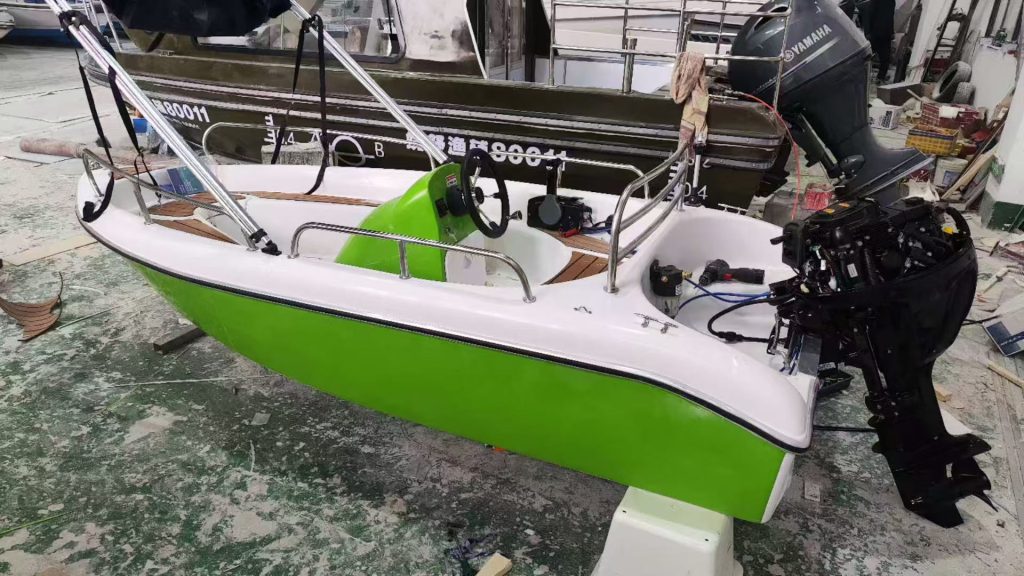
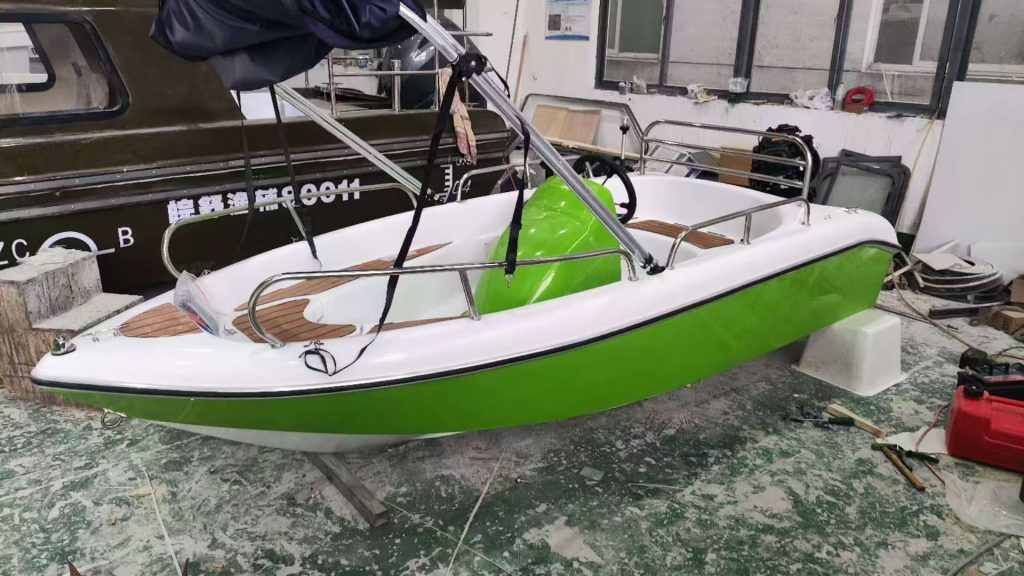
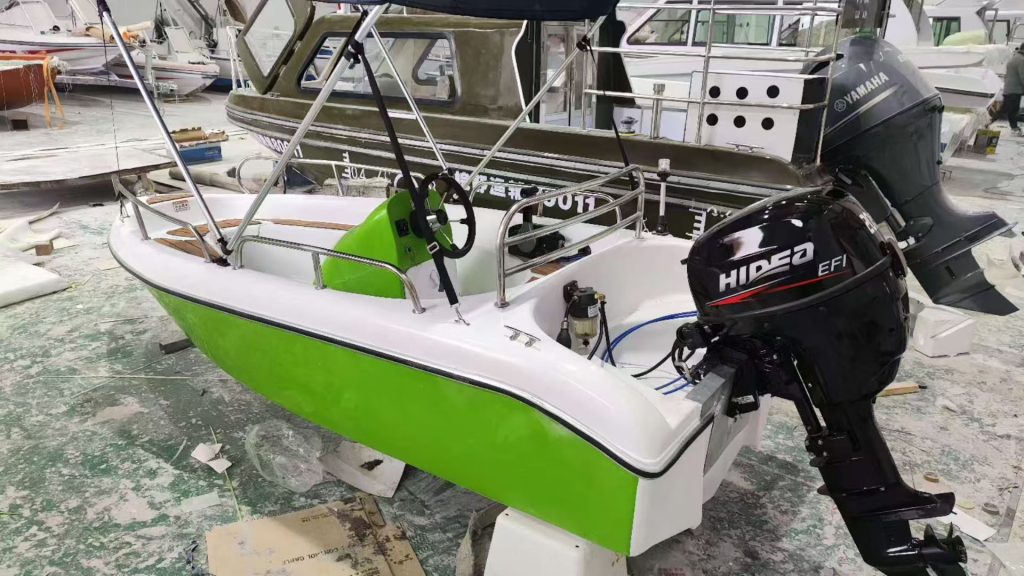
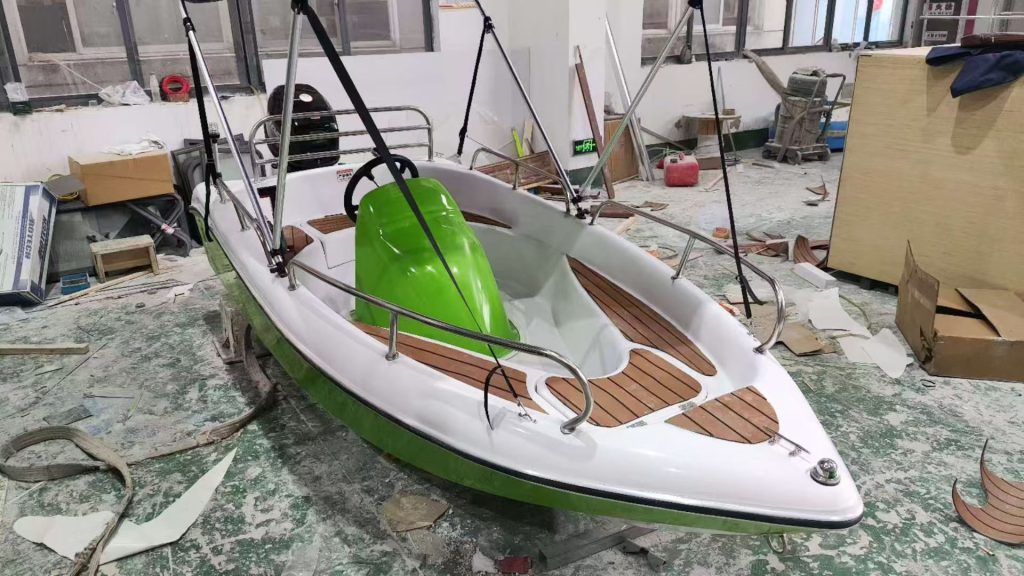
The allure of the open water has long captivated humanity, and in recent decades, small yachts—defined as vessels typically ranging from 10 to 30 feet in length—have emerged as a cornerstone of recreational boating. Unlike their larger counterparts, small yachts offer accessibility, flexibility, and a personalized connection to the sea, appealing to a diverse clientele: weekend adventurers, fishing enthusiasts, coastal commuters, and eco-conscious travelers. For small yacht manufacturers, this segment represents both opportunity and challenge. They must balance craftsmanship with efficiency, innovation with tradition, and customer desire with regulatory rigor. This article explores the world of small yacht manufacturing, examining its market dynamics, core competencies, technological advancements, and future trajectory, culminating in a FAQ section to address common inquiries.
I. Defining the Small Yacht Market: Niche, Dynamic, and Growing
Small yachts occupy a unique niche in the maritime industry, distinguished by their size, purpose, and target audience.
A. Size and Classification
Industry standards generally categorize small yachts as:
-
Trailerable Yachts (10–20 feet): Lightweight, designed to be towed by standard vehicles, ideal for day trips and inland waterways.
-
Coastal Cruisers (20–30 feet): Sturdier, with cabins for overnight stays, suited for nearshore cruising and short offshore passages.
This size range makes them more affordable than superyachts (over 80 feet), with prices typically ranging from $20,000 to $200,000, depending on features and customization.
B. Market Drivers
The global small yacht market has grown steadily, driven by:
-
Rising Disposable Income: Middle-class expansion in regions like Southeast Asia, Europe, and North America has increased spending on leisure activities.
-
Shift to Experiential Travel: Consumers prioritize unique experiences over material goods, with boating seen as a way to connect with nature.
-
Urbanization of Coastal Areas: Proximity to water bodies (e.g., Mediterranean coasts, Florida Keys) has fueled demand for small, maneuverable yachts.
-
Environmental Awareness: Small yachts are increasingly viewed as a greener alternative to larger vessels, especially with the rise of electric propulsion.
II. Core Challenges in Small Yacht Manufacturing
Producing small yachts demands precision and adaptability, as manufacturers navigate a complex web of technical, regulatory, and logistical hurdles.
A. Material Selection: Balancing Weight, Strength, and Cost
Small yachts require materials that are lightweight (for fuel efficiency and trailering) yet durable (to withstand saltwater corrosion and impact). Common choices include:
-
Fiberglass Reinforced Plastic (FRP): The industry standard, offering a balance of strength, moldability, and cost. However, it is energy-intensive to produce and difficult to recycle.
-
Aluminum Alloys: Lightweight and corrosion-resistant, ideal for performance-oriented yachts, but more expensive and challenging to weld.
-
Composite Materials: Carbon fiber or Kevlar hybrids for high-end models, providing superior stiffness but at a premium price.
Manufacturers must also address biofouling (marine organism growth on hulls), often using antifouling paints that comply with environmental regulations (e.g., EU’s Biocidal Products Regulation).
B. Craftsmanship vs. Mass Production
Unlike large yachts, which are often produced in limited series, small yachts sometimes require semi-custom or fully custom builds to meet client preferences. This creates tension between:
-
Artisanal Detail: Handcrafted interiors, custom cabinetry, and personalized layouts that justify higher prices.
-
Efficient Assembly: Modular construction techniques (pre-fabricated hull sections, standardized components) to reduce labor costs and production time.
Small workshops often excel at the former, while larger manufacturers focus on the latter, leading to a fragmented market with varied quality standards.
C. Regulatory Compliance
Small yachts must adhere to international and regional regulations, including:
-
IMO Standards: Safety requirements for stability, buoyancy, and fire protection (e.g., SOLAS convention adaptations for small vessels).
-
Emissions Rules: EPA Tier 3 (U.S.) and EU Stage V regulations limit exhaust pollutants, pushing manufacturers toward cleaner engines.
-
CE Marking (Europe): Certifies compliance with health, safety, and environmental standards, requiring rigorous testing of electrical systems, fuel tanks, and steering mechanisms.
Navigating these rules demands expertise in certification processes, which can be a barrier for new entrants.
D. Supply Chain Volatility
Small yacht production relies on a network of suppliers for engines, electronics, sails, and fittings. Global supply chain disruptions (e.g., post-pandemic component shortages, shipping delays) have forced manufacturers to:
-
Localize Sourcing: Reduce dependence on overseas suppliers for critical parts.
-
Stockpile Components: Maintain inventories of high-demand items like outboard motors.
-
Adopt Flexible Designs: Allow substitution of components (e.g., different engine brands) to avoid production halts.
III. Core Competencies of Leading Small Yacht Manufacturers
To thrive in this competitive market, manufacturers must differentiate themselves through specialized skills and customer-centric strategies.
A. Customization Capabilities
Today’s buyers expect yachts tailored to their lifestyle. Top manufacturers offer:
-
Design Consultation: Collaborating with clients to sketch layouts, select materials, and integrate features (e.g., fishing rod holders, sunroofs).
-
Modular Options: Pre-designed “packages” (e.g., “fishing edition,” “family cruiser”) that streamline customization while controlling costs.
-
Digital Tools: 3D modeling software (e.g., Rhino, AutoCAD) allows clients to visualize their yacht before production begins.
Example: A manufacturer might work with a client to convert a standard 25-foot cruiser into a hybrid fishing/yoga platform, adding a livewell, fold-out yoga mats, and a retractable canopy.
B. Advanced Construction Techniques
Innovation in manufacturing processes sets leaders apart:
-
Vacuum Infusion Molding: A technique that injects resin into fiberglass under vacuum, reducing weight and improving strength compared to traditional hand-layup.
-
3D Printing: Used for prototyping components (e.g., dashboard panels, cleats) and even small hull sections, accelerating design iterations.
-
Robotic Cutting: Automated systems precision-cut composite materials, minimizing waste and ensuring consistency.
C. Quality Control and Testing
Rigorous testing ensures reliability:
-
Hydrostatic Testing: Filling the hull with water to check for leaks and structural integrity.
-
Sea Trials: Evaluating performance in real-world conditions (speed, stability, handling) before delivery.
-
Non-Destructive Inspection (NDI): Using ultrasound or X-rays to detect hidden flaws in welds or composite layers.
D. After-Sales Support
Small yacht ownership requires ongoing maintenance. Manufacturers build loyalty through:
-
Training Programs: Teaching owners basic maintenance (e.g., engine checks, hull cleaning).
-
Warranty Packages: Covering defects in materials and workmanship for 1–5 years.
-
Refit Services: Upgrading older yachts with new engines, electronics, or solar panels.
IV. Technological Innovations Shaping the Industry
Small yacht manufacturing is undergoing a tech-driven transformation, with a focus on sustainability, intelligence, and user experience.
A. Electric and Hybrid Propulsion
As emissions regulations tighten, electric and hybrid systems are gaining traction:
-
Electric Motors: Powered by lithium-ion batteries, offering silent operation and zero local emissions. Typical range is 20–50 nautical miles (nm) per charge, suitable for day trips.
-
Hybrid Systems: Combine a small internal combustion engine (ICE) with batteries, extending range to 100–200 nm. Regenerative braking (capturing energy during deceleration) improves efficiency.
-
Solar Integration: Roof-mounted solar panels charge batteries, reducing reliance on shore power.
Advantage: Electric yachts have lower operating costs (no fuel purchases) and quieter rides, ideal for wildlife watching or overnight anchoring.
B. Smart Yacht Systems
Internet of Things (IoT) technology is making yachts more intuitive:
-
Integrated Dashboards: Touchscreen displays showing battery level, navigation, and engine status.
-
Remote Monitoring: Owners can check yacht vitals (e.g., bilge pump activity, temperature) via smartphone apps.
-
Autonomous Features: Self-docking systems (using GPS and sensors) and collision avoidance assist reduce operator workload.
C. Sustainable Materials
Manufacturers are exploring eco-friendly alternatives:
-
Recycled Composites: Using reclaimed fiberglass or plastic bottles to reduce virgin material use.
-
Bio-Based Resins: Derived from plant oils (e.g., soybean oil) instead of petroleum, lowering carbon footprints.
-
Natural Fibers: Hemp or flax fibers as reinforcements in composite hulls, offering comparable strength with lower environmental impact.
D. Aerodynamic and Hydrodynamic Optimization
Computational Fluid Dynamics (CFD) software simulates water and air flow around yachts, enabling:
-
Hull Redesign: Reducing drag by 5–10%, which translates to faster speeds or lower fuel consumption.
-
Airflow Management: Streamlining cabin vents and windows to minimize wind noise and improve comfort.
V. Market Applications: Who Buys Small Yachts?
Small yachts serve diverse purposes, each requiring tailored designs.
A. Personal Recreation
-
Family Cruising: Yachts with cabins, kitchens, and bathrooms for weekend getaways. Popular features include swim platforms, waterslides, and fishing gear storage.
-
Day Sailing: Open-deck designs with simple rigs for coastal exploration. Often trailerable for easy transport to different launch sites.
-
Adventure Sports: High-speed models (30+ knots) for water skiing, wakeboarding, or offshore fishing.
B. Commercial Use
-
Charter Fleets: Resorts and marinas rent small yachts for hourly/daily use, favoring durable, low-maintenance models.
-
Tourism: Wildlife-watching yachts (e.g., whale-watching in Alaska) with quiet electric motors to avoid disturbing animals.
-
Support Vessels: Small yachts used to transport crew or equipment to larger ships anchored offshore.
C. Specialized Operations
-
Scientific Research: Unmanned or minimally crewed yachts equipped with sensors to monitor water quality or marine life.
-
Search and Rescue (SAR): Rigid-hulled inflatable boats (RHIBs) with powerful engines and rescue platforms, used by coast guards.
VI. The Future of Small Yacht Manufacturing
The industry is poised for growth, driven by emerging trends:
A. Electrification as Standard
By 2030, 30–40% of new small yachts are expected to have electric or hybrid propulsion, supported by falling battery costs and improved charging infrastructure.
B. Modular and Upgradable Designs
Manufacturers will focus on “future-proof” yachts with swappable components (e.g., battery packs, solar panels) to accommodate technological advances.
C. Circular Economy Models
Take-back programs (where manufacturers buy back old yachts for recycling) and remanufacturing (refurbishing used yachts) will reduce waste.
D. Globalization of Niche Markets
Demand for small yachts is rising in emerging markets (e.g., India, Brazil), creating opportunities for manufacturers to adapt designs to local climates and regulations.
VII. FAQ: Small Yacht Manufacturing
1. What is the typical production time for a custom small yacht?
Production time varies by complexity: 3–6 months for semi-custom models (using modular components) and 6–12 months for fully custom builds (requiring unique molds and designs).
2. How much does a small yacht cost?
Prices range from $20,000 (basic fiberglass day boat) to $200,000+ (luxury cruiser with electric propulsion and smart systems). Customization adds 10–30% to base prices.
3. What is the difference between a small yacht and a powerboat?
Yachts typically have cabins, berths, and amenities for overnight stays, while powerboats are open-deck vessels for day use. However, the terms are often used interchangeably.
4. Are small yachts safe for offshore use?
Coastal cruisers (20–30 feet) with proper safety features (life jackets, EPIRB, bilge pumps) can handle short offshore trips (up to 20 nm). Always check weather forecasts and carry emergency supplies.
5. What maintenance is required for a small yacht?
Annual tasks include engine servicing, hull cleaning (to prevent biofouling), and inspecting electrical systems. Saltwater exposure requires more frequent washing with fresh water.
6. Can small yachts be used in freshwater lakes?
Yes. Manufacturers adjust hull coatings and cooling systems for freshwater use, though saltwater models can often be adapted with minimal modifications.
7. What is the average lifespan of a small yacht?
With proper maintenance, fiberglass yachts last 20–30 years; aluminum models can exceed 40 years. Critical components (engines, electronics) may need replacement every 10–15 years.
8. Do small yachts require a captain’s license?
In most countries, operating a small yacht (under 24 meters) does not require a license for private use. Charter operations may mandate certification (e.g., ASA or RYA courses).
9. How do electric yachts handle long trips?
Range anxiety is addressed via hybrid systems, solar charging, and fast-charging networks (e.g., marina-based DC chargers). For extended trips, owners often carry portable generators.
10. What are the key advantages of small yachts over larger ones?
Lower purchase/operating costs, easier trailering, access to shallow waters, and a more intimate connection to the sea.
11. How do manufacturers ensure yacht stability?
Through design features like wide beams, deep V-hulls, and ballast systems. Stability tests (e.g., heeling experiments) are mandatory for certification.
12. Can I finance a small yacht purchase?
Yes. Banks and marine finance companies offer loans with terms of 5–15 years, often requiring a 10–20% down payment.
13. What is the best material for a small yacht hull?
Fiberglass is the most common, balancing cost and performance. Aluminum is preferred for high-speed or corrosive environments (e.g., tropical waters).
14. How do I choose the right small yacht for my needs?
Consider primary use (cruising, fishing, racing), number of passengers, budget, and storage/launch options (trailerable vs. marina-based).
15. Are small yachts environmentally friendly?
Electric and hybrid models are far greener than ICE-only yachts. Even traditional models can reduce impact via fuel-efficient engines and sustainable materials.
16. What safety features are mandatory on small yachts?
Life jackets, fire extinguishers, navigation lights, and sound-signaling devices (horn/whistle). Offshore models require EPIRBs (emergency beacons) and life rafts.
17. Can small yachts be customized after purchase?
Yes. Manufacturers and third-party shops offer retrofits (e.g., adding solar panels, upgrading electronics). Ensure modifications comply with regulations.
18. How do I find a reputable small yacht manufacturer?
Look for certifications (CE, NMMA), read customer reviews, and visit factories to inspect build quality. Attend boat shows to compare models.
19. What is the resale value of small yachts?
Well-maintained yachts retain 40–60% of their original value after 5 years. Popular models (e.g., those with electric propulsion) hold value better.
20. What is the future of small yacht manufacturing?
Expect more electrification, smart technology integration, and sustainable materials, with a focus on personalized, eco-conscious designs.
Conclusion
Small yacht manufacturing is a dynamic blend of art and science, tradition and innovation. As demand grows for intimate maritime experiences, manufacturers that master customization, embrace technology, and prioritize sustainability will lead the market. Whether for weekend adventures or lifelong dreams, small yachts offer a unique way to explore the water—proving that great journeys don’t require great size. For aspiring owners, the key is to partner with a manufacturer that understands their vision, ensuring every voyage is as memorable as the yacht itself.

