Container House Co., Ltd
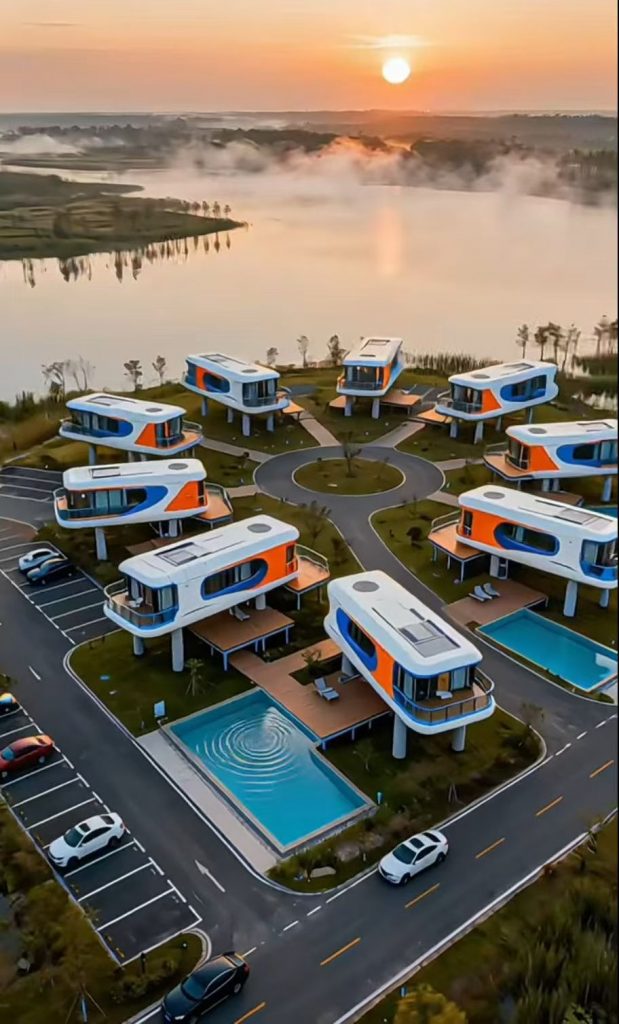
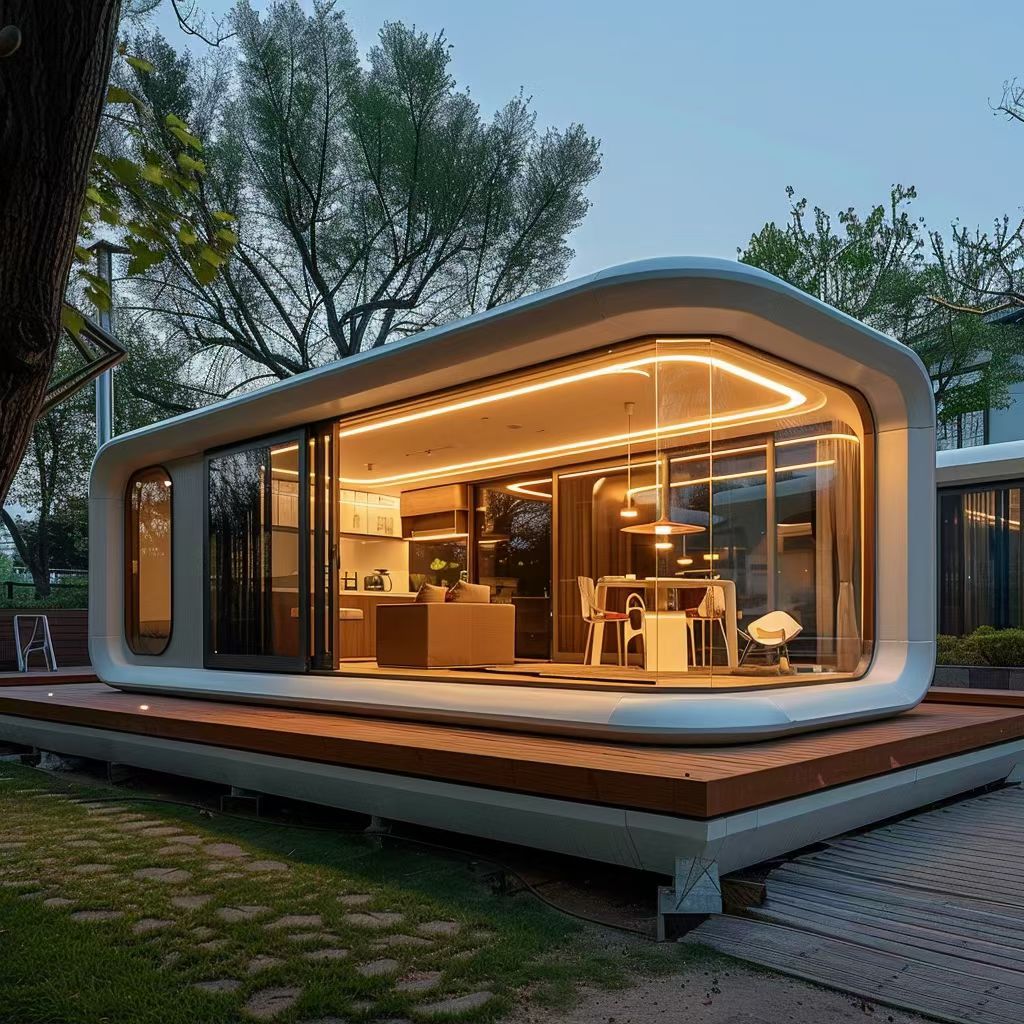
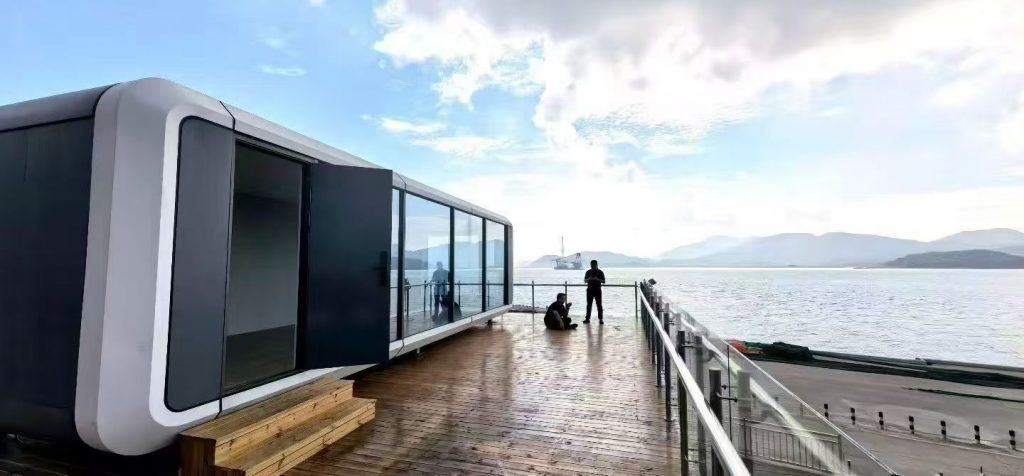
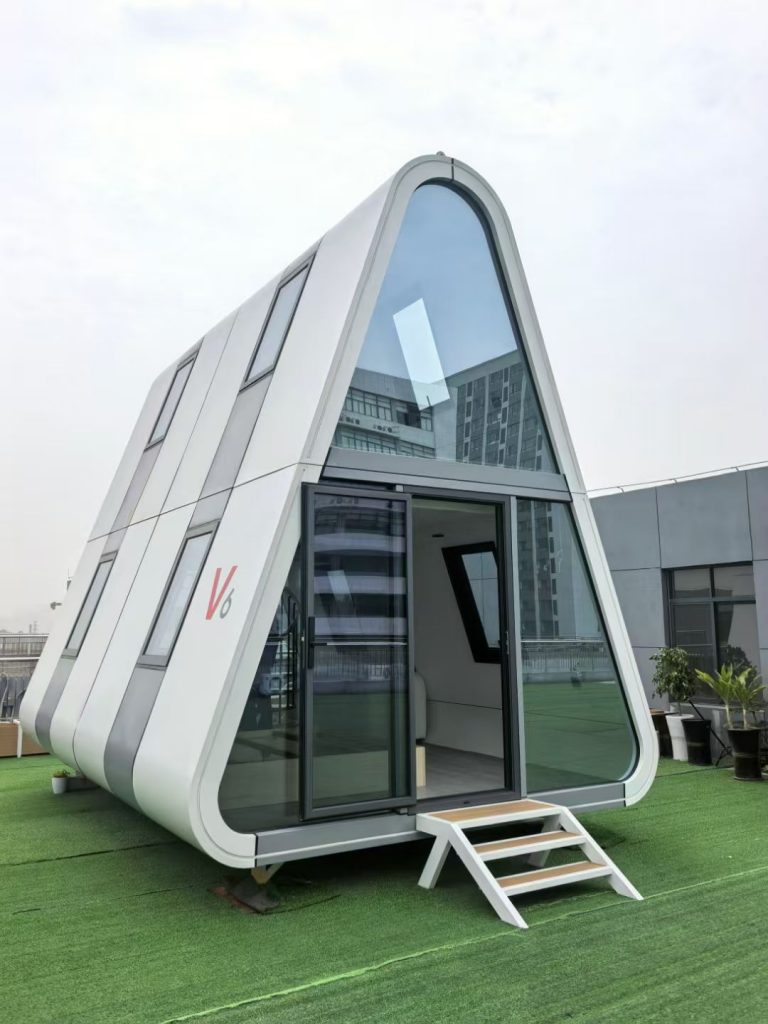
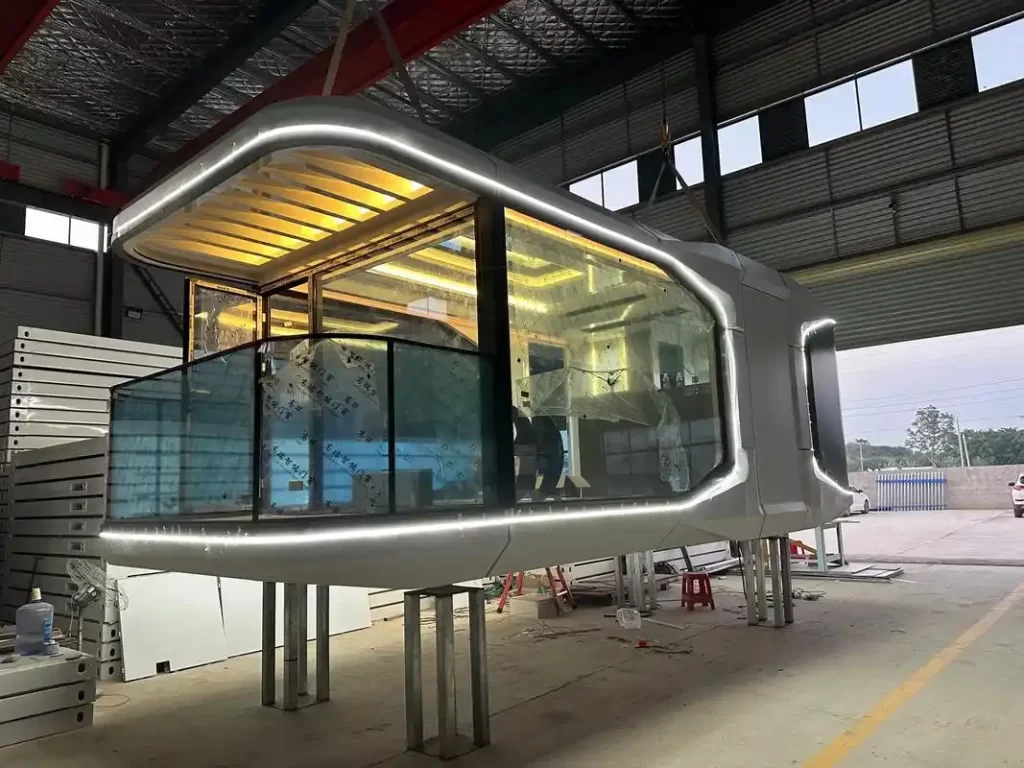
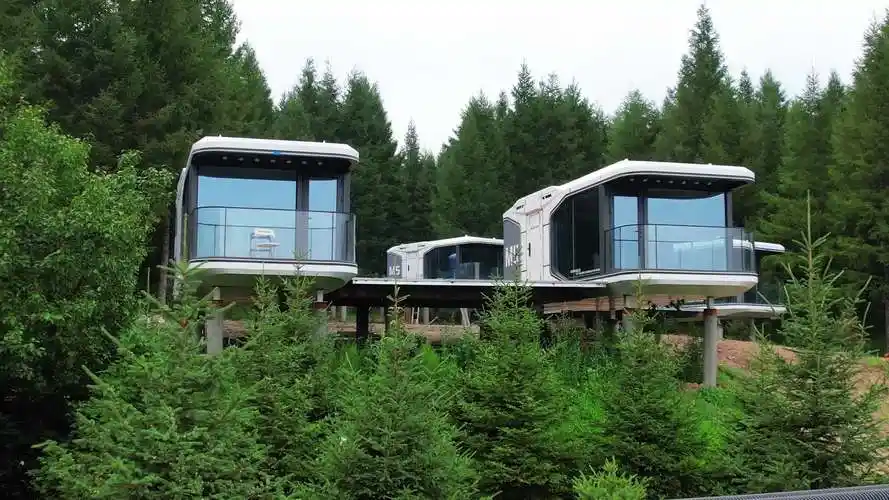
The rapid evolution of urbanization, climate change, and technological innovation has spurred a paradigm shift in housing design. Smart capsule Living—a fusion of modular architecture, IoT-enabled systems, and AI-driven automation—has emerged as a transformative solution for sustainable urban development. By reimagining how we inhabit cities, these intelligent, self-regulating units address critical challenges in housing affordability, energy efficiency, and environmental resilience. This article explores the technological advancements, design principles, and societal implications of Smart Capsule Living, positioning it as a cornerstone of future urban ecosystems.
Design Philosophy: Where Intelligence Meets Ecology
Smart Capsule Living transcends traditional modular housing by embedding smart technologies into every structural and operational layer. Its design ethos revolves around three pillars: adaptability, self-sufficiency, and human-centric comfort.
-
Aero-Dynamic BiomimicryInspired by natural forms and aerospace engineering, capsules adopt streamlined silhouettes to minimize energy loss. Curved roofs and tapered walls reduce wind resistance by 30%, while nano-coated surfaces repel dust and moisture. Exterior cladding combines biodegradable polymers with recycled metals, ensuring durability without compromising recyclability.
-
Biophilic Ecosystem IntegrationCapsules are designed to function as micro-ecosystems. Green roofs with native vegetation offset carbon emissions, while vertical gardens filter pollutants from the air. Solar-responsive glass panels adjust opacity based on sunlight intensity, reducing cooling loads by 40%. In coastal zones, salt-resistant composites and elevated foundations mitigate corrosion and flooding risks.
-
Dynamic Spatial ReconfigurationLeveraging modular furniture systems and foldable partitions, capsules adapt to evolving needs. A 30 m² unit can transform from a studio apartment to a co-working space with retractable desks and modular shelving. Walls incorporate e-ink displays for dynamic customization of color schemes and functional layouts.
Core Technologies: Enabling Autonomous Urban Living
The integration of IoT and AI transforms capsules into self-regulating, energy-efficient habitats.
1. Energy Autonomy Through Decentralized Systems
-
AI-Powered Energy Management: Machine learning algorithms predict energy demand based on occupancy patterns and weather data. Solar panels, wind turbines, and kinetic floor tiles generate power, stored in solid-state batteries for nighttime use.
-
Microgrid Connectivity: Capsules communicate with neighboring units to share surplus energy, creating decentralized grids. In Berlin, a cluster of 50 capsules achieved 85% energy independence through this system.
2. Water and Waste Circularity
-
Atmospheric Water Harvesting: Hygroscopic membranes extract moisture from the air, producing 50 liters/day in arid climates.
-
AI-Optimized Recycling: Sensors monitor water quality, routing greywater through multi-stage filtration systems for reuse in irrigation or toilet flushing. Organic waste is composted onsite, feeding rooftop hydroponic gardens.
3. Ambient Environmental Controls
-
Smart Climate Regulation: Hundreds of micro-sensors adjust HVAC systems in real-time, maintaining optimal temperature and humidity. Circadian rhythm lighting mimics natural daylight, enhancing sleep quality and productivity.
-
Air Quality Enhancement: Photocatalytic coatings on walls break down pollutants, while negative ion generators neutralize allergens.
4. Predictive Maintenance and Longevity
AI diagnostics monitor structural integrity, predicting component failures before they occur. Self-healing concrete and graphene-enhanced materials extend the lifespan of capsules by 50%, reducing maintenance costs by 60%.
Applications in Urban and Suburban Contexts
Smart Capsule Living offers unparalleled versatility across diverse scenarios.
1. High-Density Urban Housing
In skyscraper-studded cities, capsules stack vertically or integrate into mixed-use buildings. Shared amenities like rooftop farms and communal kitchens foster social interaction while preserving privacy. In Tokyo, a 40-story tower of 200 capsules houses 800 residents, using 70% less energy than conventional apartments.
2. Disaster-Resilient Shelters
Governments deploy capsules as emergency housing after earthquakes or floods. Their rapid assembly (within 24 hours) and durability against extreme weather make them vital for crisis response. In Bangladesh, floating capsule villages mitigated flood displacement, housing 10,000 residents during monsoon seasons.
3. Eco-Tourism and Remote Work Hubs
Resorts leverage capsules to offer immersive nature experiences. Nestled in forests or atop hills, units provide privacy and luxury while preserving ecosystems. Features like retractable decks with hammocks and solar-powered hot tubs enhance guest engagement.
4. Co-Living and Intergenerational Communities
Capsules foster collaborative living with modular designs that encourage shared resources. Communal gardens, tool libraries, and co-working spaces reduce individual carbon footprints. In Amsterdam, a co-housing project reduced energy costs by 35% through shared solar arrays.
Sustainability Advantages: Data-Driven Impact
-
Carbon-Neutral ConstructionFactory-built capsules minimize on-site waste, with 92% of materials recyclable. Low-carbon concrete and FSC-certified timber further reduce emissions.
-
Energy EfficiencyStudies show capsules achieve 70% less energy consumption than traditional homes, driven by passive design and renewable integration.
-
Biodiversity PreservationGreen roofs attract pollinators, while permeable foundations prevent soil compaction. In Melbourne, capsule communities boosted local bee populations by 45%.
-
Water ConservationClosed-loop systems reduce usage by 55%, critical in drought-prone regions.
Challenges and Innovative Solutions
While promising, Smart Capsule Living faces hurdles requiring creative solutions.
-
Regulatory HurdlesZoning laws often lag behind modular advancements. Advocacy for updated codes, like California’s ADU-friendly policies, is critical.
-
Public PerceptionMisconceptions about durability persist. Transparent marketing—highlighting certifications and performance data—can shift attitudes.
-
Infrastructure IntegrationWireless energy grids and smart metering are essential for off-grid compatibility.
Future Trends: The Evolution of Smart Capsule Ecosystems
Emerging innovations promise to elevate urban sustainability:
-
Self-Assembling StructuresCapsules with magnetic docking systems can autonomously reconfigure layouts based on resident needs.
-
Holographic Interface DesignProjecting virtual interfaces onto physical surfaces will redefine how residents interact with their environments.
-
Carbon-Negative MaterialsResearch into mycelium-based insulation and algae façades aims to create net-negative emissions units.
-
Autonomous Maintenance DronesAI-controlled drones will inspect and repair capsules, minimizing human intervention.
Conclusion
Smart Capsule Living represents a revolutionary leap toward sustainable urbanization, merging cutting-edge technology with ecological responsibility. By reimagining housing as adaptive, self-sufficient ecosystems, these units address critical challenges in affordability, energy use, and environmental resilience. As AI and IoT advancements mature, capsules will transition from niche solutions to mainstream pillars of urban design—a testament to humanity’s capacity to harmonize progress with planetary preservation.


No reply content