🏠 Professional Mobile Modular Housing Manufacturer for Global Projects
Mobile modular homes are transforming the modern construction industry by providing fast, flexible, and cost-effective housing solutions. Compared with traditional construction, modular homes can be manufactured in factories and assembled quickly on-site, significantly reducing project timelines and labor costs.These movable housing units are widely used for construction worker camps, emergency housing, remote site accommodation, tourism resorts, mining camps, and temporary offices. Thanks to advanced prefabrication technology, modular homes can also meet modern standards for insulation, durability, and aesthetic design.
Many international buyers now work directly with experienced mobile modular home manufacturers who provide customized housing solutions for government projects, commercial developments, and humanitarian infrastructure.
🏗 What Is a Mobile Modular Home?
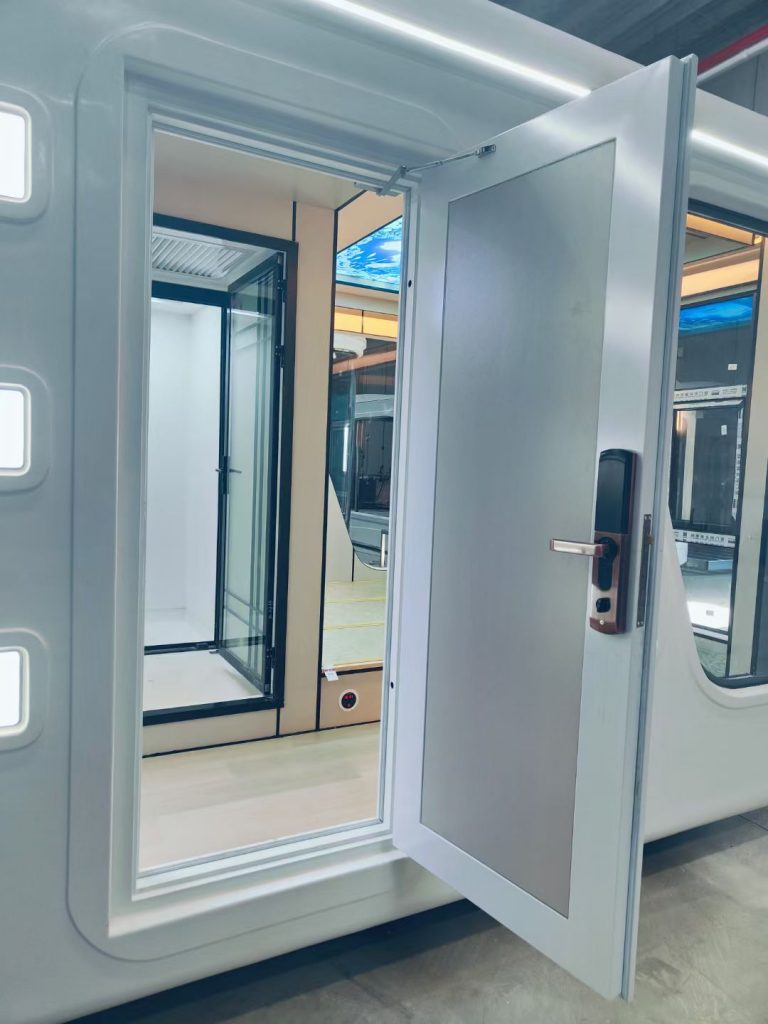
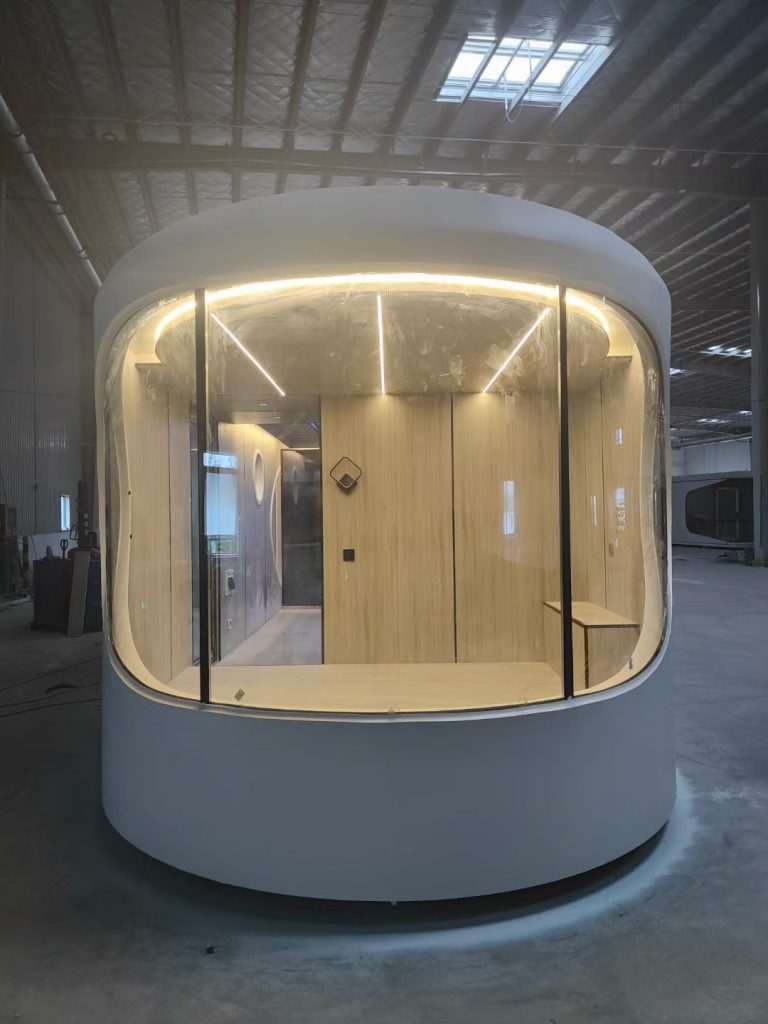
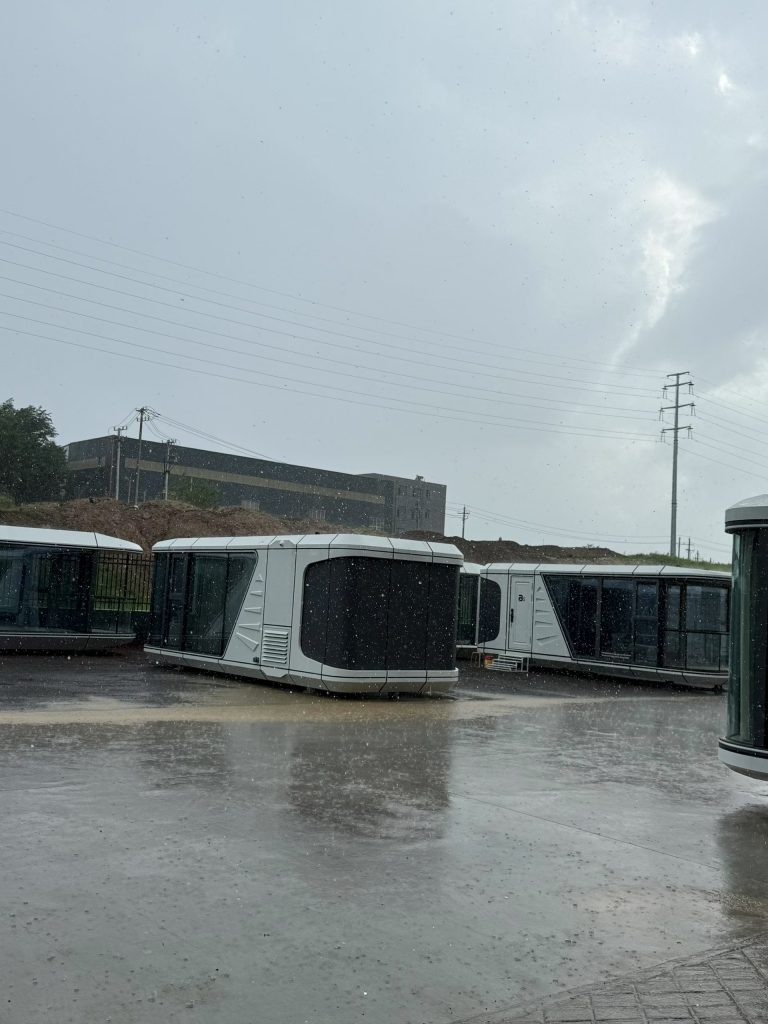
A mobile modular home is a prefabricated building that is produced in sections in a factory and then transported to the installation location for assembly.
Unlike traditional houses that are built completely on site, modular homes are engineered using standardized structural modules.
Key characteristics include:
📦 Prefabricated structural modules
🚚 Easy transportation by truck or container
⚡ Rapid installation on site
🔧 Flexible expansion and relocation
🌱 Energy-efficient building design
Because of these advantages, modular homes are becoming a preferred solution in many industries.
🌍 Why Mobile Modular Housing Is Growing Worldwide
Global demand for modular housing is increasing due to multiple factors.
1️⃣ Faster Construction Time
Traditional buildings often take months or even years to complete.
Mobile modular homes can be installed in days or weeks, making them ideal for urgent housing projects.
2️⃣ Lower Construction Costs
Factory production reduces labor expenses and construction waste.
Advantages include:
💰 lower labor costs
🏗 simplified installation
📦 efficient mass production
3️⃣ Flexible Housing Solutions
Modular buildings can be easily expanded or relocated.
For example:
🏠 single modular homes
🏢 multi-room housing blocks
🏫 temporary classrooms
🏥 modular medical units
4️⃣ Sustainable Construction
Modern modular housing focuses on sustainability.
Many systems include:
🌞 solar energy integration
🌬 natural ventilation design
🧱 recyclable construction materials
This reduces environmental impact.
🏡 Types of Mobile Modular Homes
Mobile housing solutions can be designed for many applications.
🏠 Prefabricated Worker Accommodation
Construction companies often use modular housing for worker camps.
Features include:
🛏 dormitory rooms
🚿 shared bathrooms
🍽 dining areas
🧺 laundry facilities
These buildings can be deployed quickly near construction sites.
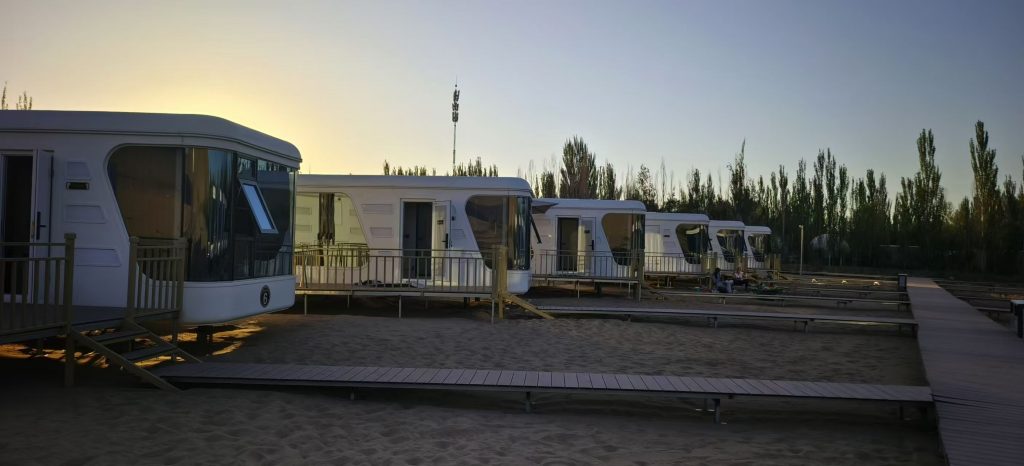
🏖 Modular Resort Cabins
Tourism resorts increasingly use modular cabins.
Benefits include:
🌲 eco-friendly designs
🏝 easy installation in remote areas
🪵 stylish architectural appearance
These cabins are popular in mountain resorts, beach resorts, and eco-tourism parks.
🏫 Temporary School Buildings
Educational institutions sometimes require rapid classroom expansion.
Modular schools provide:
📚 classrooms
🧑🏫 teacher offices
🖥 computer labs
These units can be installed quickly during campus expansion.
🏥 Modular Medical Clinics
Mobile modular buildings are also used for healthcare infrastructure.
Examples include:
🏥 temporary hospitals
💉 vaccination centers
🧪 diagnostic labs
During emergencies, these facilities can be deployed rapidly.
🧱 Structural Materials Used in Mobile Modular Homes
Material quality plays a major role in durability and safety.
🔩 Steel Frame Structures
Steel structures are commonly used because they provide excellent strength.
Benefits include:
✔ strong load-bearing capacity
✔ earthquake resistance
✔ long lifespan
🧱 Sandwich Wall Panels
Wall panels usually contain insulation layers.
Common materials include:
🧱 EPS panels
🧱 rock wool panels
🧱 polyurethane panels
These materials provide thermal insulation and fire resistance.
🪟 Aluminum Windows and Doors
High-quality modular homes often use aluminum alloy windows.
Advantages:
🌧 weather resistance
🔒 strong security
🧼 low maintenance
🪵 Interior Finishing Materials
Interior finishing may include:
🪵 PVC wall panels
🪑 laminate flooring
🎨 decorative ceilings
These finishes improve living comfort.
⚙️ Manufacturing Process of Mobile Modular Homes
Professional modular housing factories follow standardized production steps.
📐 Engineering Design
The project begins with architectural and engineering design.
Engineers create:
📏 structural drawings
🧱 material specifications
🖥 3D building models
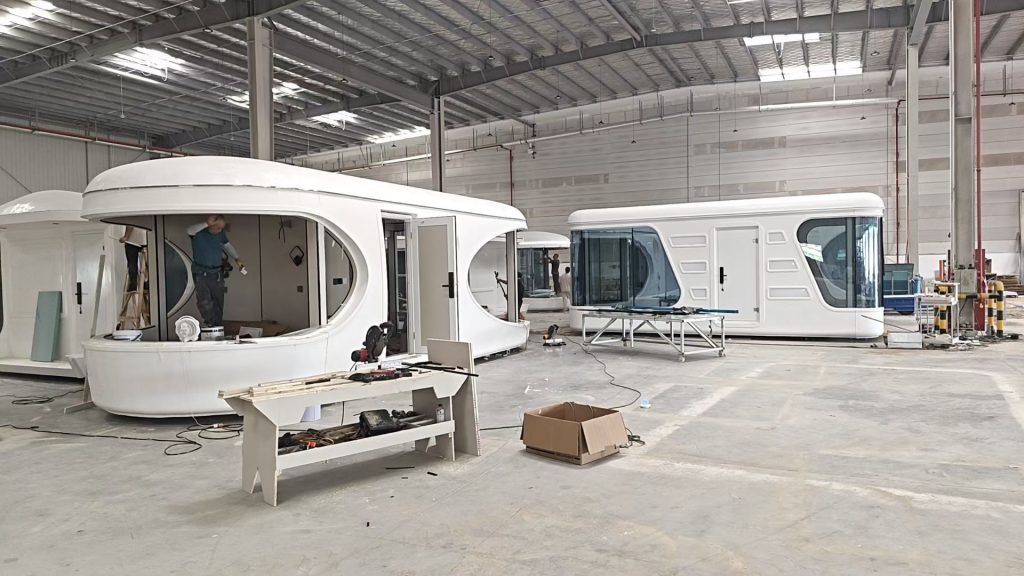
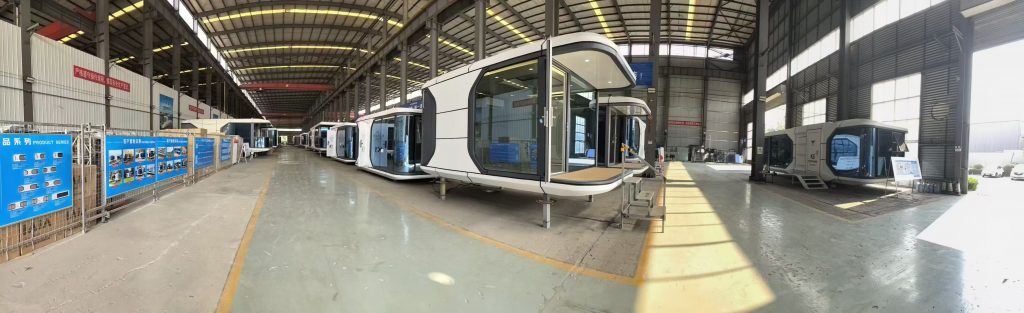
🏭 Factory Prefabrication
Most structural components are produced in factories.
Production includes:
🔩 steel frame welding
🧱 wall panel assembly
🚪 door and window installation
Factory production ensures consistent quality.
🚚 Transportation
Completed modules are transported to the project site.
Standard containers are often used for shipping.
🔧 On-Site Assembly
Installation teams assemble the modules.
Steps include:
🧱 foundation preparation
🏗 module placement
🔌 electrical and plumbing connection
Installation can be completed rapidly.
🌎 Applications of Mobile Modular Homes
Mobile housing is used across many industries.
Key applications include:
🏗 construction worker housing
⛏ mining camp accommodation
🏕 tourism cabins
🏥 emergency medical housing
🏫 modular schools
🏢 temporary offices
🏠 disaster relief housing
Because modular homes are movable, they are ideal for remote locations.
🚀 Advantages of Mobile Modular Homes for International Buyers
Many global buyers prefer modular housing for the following reasons.
⏱ Rapid Deployment
Housing units can be installed quickly during urgent projects.
📦 Easy International Transportation
Most modular homes are designed for container shipping.
This simplifies global export.
🧩 Flexible Customization
Manufacturers can customize:
🏠 house size
🪟 window layout
🛋 interior configuration
🎨 exterior colors
💰 Cost-Effective Housing Solution
Compared with traditional construction, modular housing offers significant cost savings.
💡 How to Choose a Reliable Mobile Modular Home Manufacturer
Selecting a professional manufacturer is crucial.
Buyers should evaluate:
🏭 factory production capacity
📐 engineering design capability
📦 export packaging experience
🧪 quality control systems
Working with experienced manufacturers reduces project risk.
🧭 Future Trends in Modular Housing
Mobile housing technology continues to evolve.
Future innovations include:
🤖 smart home integration
🌞 solar-powered modular houses
🌱 carbon-neutral building materials
📡 IoT monitoring systems
These technologies will make modular homes even more efficient.
❓ FAQ – Mobile Modular Homes
Can mobile modular homes be customized?
Yes. Most manufacturers support full customization based on customer requirements.
Customization options include:
🏠 house size and layout
🪟 door and window positions
🎨 exterior color design
🛋 interior decoration
🔌 electrical and plumbing systems
Custom designs are commonly used for tourism resorts, worker housing, and commercial buildings.
What is the minimum order quantity (MOQ)?
MOQ usually depends on the type of modular home.
Typical ranges:
🏠 standard modular units: 1–10 units
🏢 project housing: 10–50 units
🏗 large development projects: container-scale orders
Many manufacturers also support project-based orders.
What is the production lead time?
Production timelines vary depending on order size.
Typical lead times:
⏱ small orders: 15–25 days
🏭 medium orders: 25–40 days
🏗 large projects: 40–60 days
Factory production helps accelerate delivery.
Are mobile modular homes available in stock?
Some manufacturers keep standard units in stock.
However, many modular homes are custom-built according to project requirements.
Custom production ensures the building meets local climate and design needs.
Conclusion
Mobile modular homes are redefining modern construction by offering flexible, efficient, and cost-effective housing solutions. Their rapid installation, customizable designs, and global transportation capability make them ideal for many industries including tourism, construction, mining, education, and emergency housing.
As the world continues to demand faster and more sustainable building methods, modular housing technology will play an increasingly important role in global infrastructure development.


No reply content