China solar power generation and energy storage manufacturing
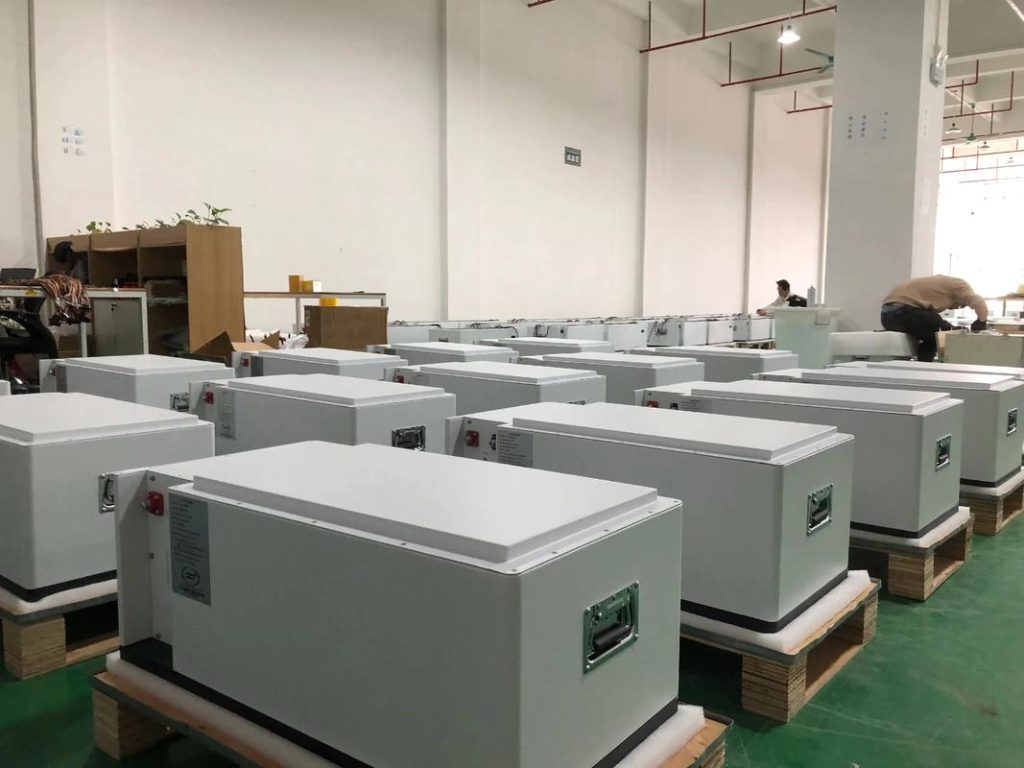

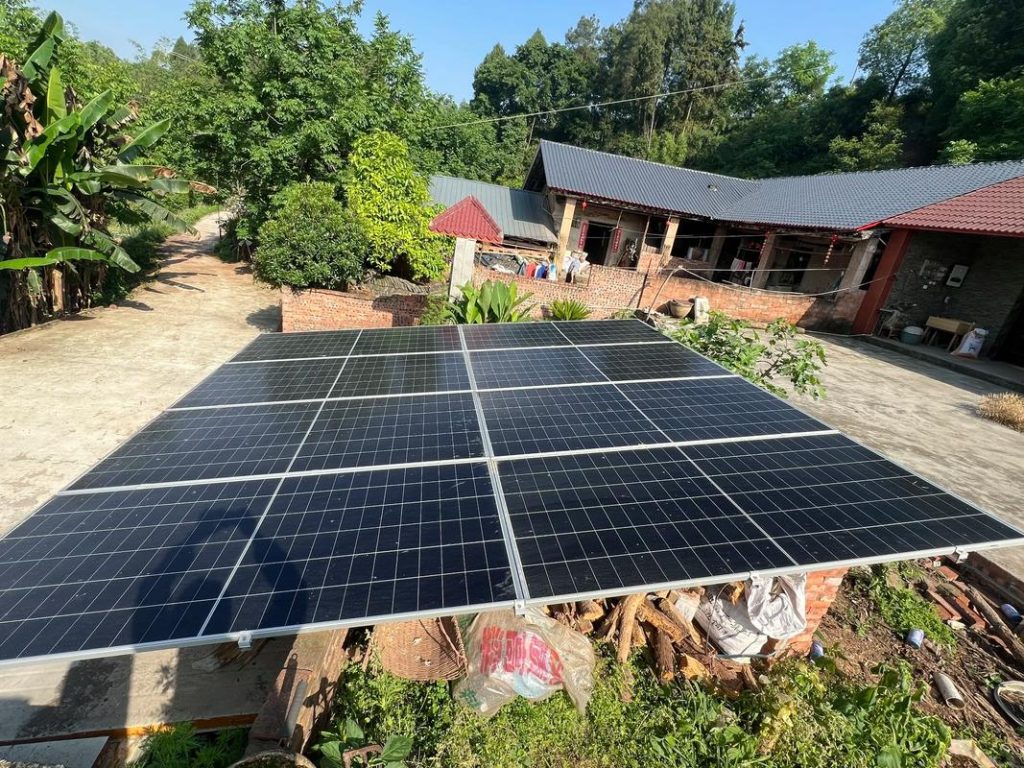
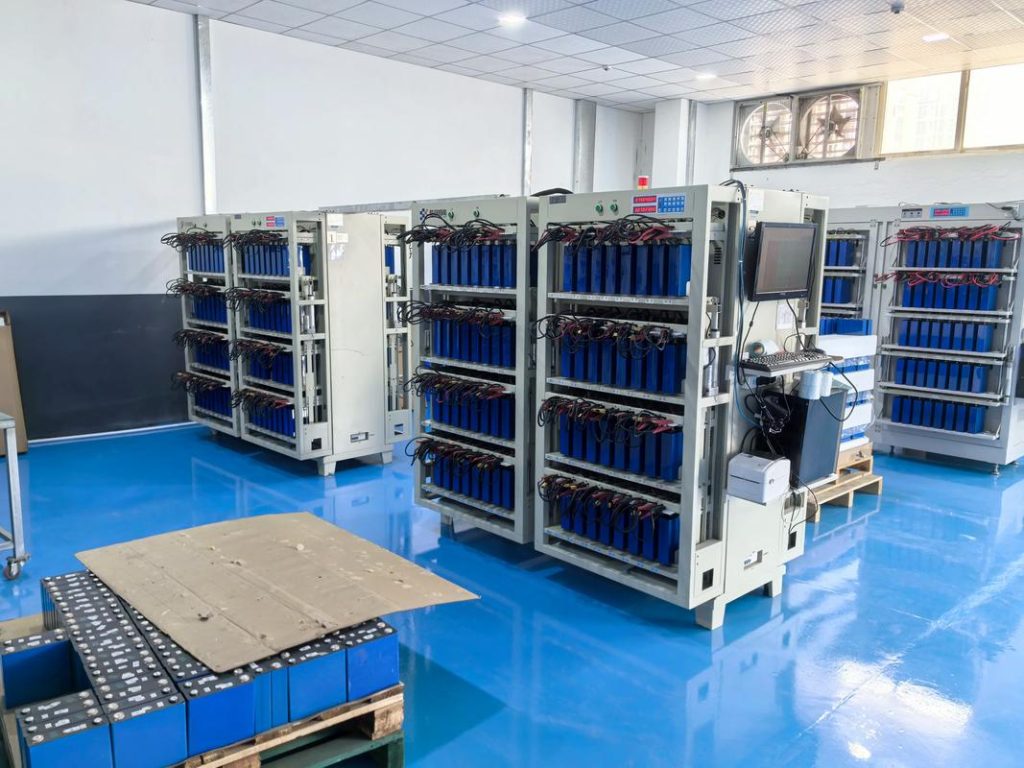
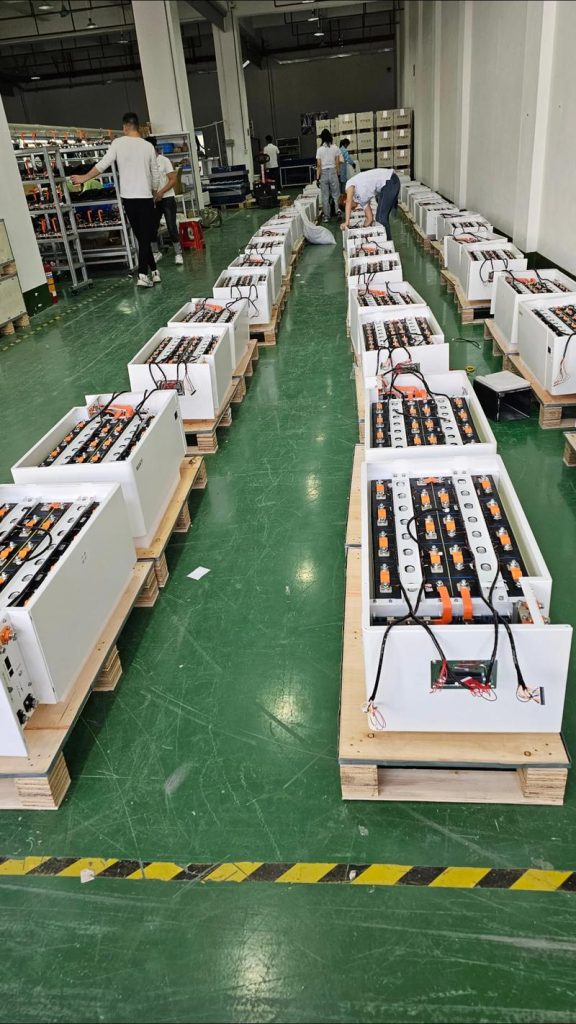
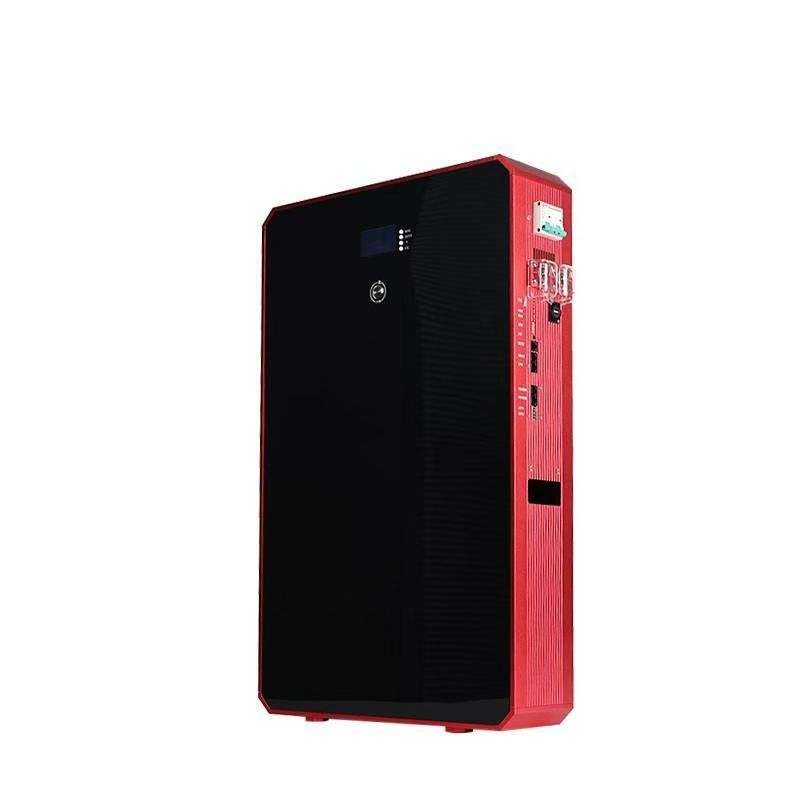
In an era where “smart homes” dominate tech conversations—from voice-controlled thermostats to AI-powered security cameras—residential solar energy is undergoing its own digital revolution. Traditional solar panels, once seen as static energy generators, are evolving into dynamic, interconnected systems that communicate, learn, and optimize themselves in real time. Enter smart residential rooftop solar panels: advanced systems equipped with IoT sensors, AI-driven analytics, and cloud-based monitoring platforms that transform how homeowners interact with solar energy.
What sets smart panels apart? Unlike conventional setups that passively generate electricity, smart systems actively adapt to changing conditions—adjusting panel angles for optimal sun exposure, predicting energy demand, and alerting users to maintenance needs before problems escalate. At the heart of this innovation is real-time monitoring, a feature that gives homeowners unprecedented control over their energy production, consumption, and savings.
This comprehensive guide explores the world of smart residential rooftop solar panels. We’ll define what makes a panel “smart,” break down the technologies powering real-time monitoring, analyze the tangible benefits for homeowners, showcase real-world applications, and provide a framework for choosing the right system. Whether you’re a tech enthusiast eager to automate your home or a pragmatic homeowner seeking to maximize solar ROI, this article will demonstrate why smart solar is the future of residential energy.
Chapter 1: What Are Smart Residential Rooftop Solar Panels?
Defining “Smart” in Solar Context
A smart residential rooftop solar panel system integrates traditional photovoltaic (PV) technology with digital intelligence. Unlike passive systems, smart solar panels:
-
Collect and transmit data (energy output, panel health, weather conditions) via IoT sensors.
-
Analyze data in real time using AI algorithms to optimize performance.
-
Enable remote control through mobile apps or web portals.
-
Predict and prevent issues (e.g., shading, equipment failure) before they impact energy production.
At the core of this “smartness” is real-time monitoring, which provides homeowners with live insights into their system’s performance. For example, a smart system might alert you via app if a panel is underproducing due to a bird’s nest or if an inverter is overheating—allowing for immediate fixes.
Key Components of a Smart Solar System
A smart residential solar setup extends beyond panels. Its core components include:
-
Smart Solar Panels: Equipped with embedded sensors (e.g., temperature, light intensity) to measure performance at the cell level.
-
Intelligent Inverters: Convert DC to AC electricity and include communication modules (Wi-Fi, Bluetooth, Zigbee) to send data to the cloud.
-
Power Optimizers: Attached to individual panels to maximize output in shaded conditions and enable panel-level monitoring.
-
IoT Gateway: A hub that aggregates data from sensors/inverters and transmits it to the cloud.
-
Cloud Platform & Mobile App: Stores data, runs AI analytics, and provides user-friendly dashboards (e.g., energy production, savings, carbon offset).
-
Weather Sensors: Measure sunlight, temperature, and wind to predict energy output.
Example: Enphase Energy’s IQ8 Microinverter system pairs each panel with a microinverter and a communication module, enabling real-time monitoring of every panel in the array.
Chapter 2: The Technology Behind Real-Time Monitoring
1. Internet of Things (IoT) Connectivity
IoT is the backbone of smart solar. Sensors embedded in panels, inverters, and mounts collect data (voltage, current, temperature) and transmit it wirelessly to a central server. Common protocols include:
-
Wi-Fi: For high-speed data transfer (ideal for urban areas).
-
Zigbee/LoRaWAN: Low-power, long-range options for rural/remote locations.
-
Cellular (4G/5G): Backup connectivity for areas with spotty internet.
Benefit: Homeowners can access data from anywhere with an internet connection, whether they’re at work or on vacation.
2. Artificial Intelligence (AI) and Machine Learning (ML)
AI algorithms analyze the data collected by IoT sensors to:
-
Optimize Energy Production: Adjust panel tilt (via motorized mounts) or inverter settings based on weather forecasts.
-
Predict Energy Demand: Learn a household’s usage patterns (e.g., morning coffee maker, evening AC) and store excess energy in batteries for peak times.
-
Detect Anomalies: Identify underperforming panels (e.g., due to dirt, shading, or cell damage) and flag them for maintenance.
Example: SolarEdge’s HD-Wave inverter uses AI to reduce power loss by 30% in partially shaded conditions, while its StorEdge system predicts when to charge/discharge batteries for maximum savings.
3. Cloud Computing and Big Data
All data from smart solar systems is stored in the cloud, where big data analytics uncover trends over time. For instance:
-
A homeowner might discover their panels produce 20% less energy in winter due to snow—prompting them to install snow guards.
-
Utilities can aggregate data from thousands of systems to forecast grid demand and prevent outages.
Security Note: Leading providers (e.g., Tesla, SunPower) use end-to-end encryption to protect user data.
4. Mobile Apps and User Interfaces
Smart solar systems come with intuitive apps that display:
-
Live Energy Production: Track kilowatt-hours (kWh) generated in real time.
-
Savings Dashboard: Compare solar vs. grid costs, showing cumulative savings.
-
Carbon Footprint: Visualize CO₂ offset (e.g., “You’ve saved 5 tons of CO₂—equivalent to planting 100 trees”).
-
Maintenance Alerts: Receive notifications for cleaning, loose connections, or failing components.
User Experience: The Tesla Solar app, for example, lets users toggle between “energy map” (showing panel output) and “savings tracker” with a single tap.
Chapter 3: Benefits of Smart Solar Panels with Real-Time Monitoring
1. Maximized Energy Efficiency
Smart systems eliminate guesswork by optimizing every aspect of energy production:
-
Shading Mitigation: Power optimizers (e.g., Tigo TS4) isolate underperforming panels, preventing them from dragging down the entire array.
-
Temperature Regulation: AI adjusts inverter cooling fans based on ambient temperature, reducing energy waste.
-
Seasonal Tuning: Motorized mounts tilt panels to follow the sun’s path (e.g., steeper in winter for low-angle rays).
Data Point: A 2023 study by the National Renewable Energy Laboratory (NREL) found that smart solar systems with real-time monitoring produce 12–18% more energy than passive systems.
2. Proactive Maintenance and Reduced Downtime
Traditional solar systems often go unnoticed until a major failure occurs (e.g., cracked panel, dead inverter). Smart systems flip this script by:
-
Predictive Analytics: Identifying early signs of wear (e.g., a 5% drop in output over a week) and alerting homeowners.
-
Remote Diagnostics: Technicians can troubleshoot issues via the cloud, reducing service visits by 50%.
-
Automated Reporting: Generating monthly performance reports to track degradation rates (normal: 0.5%/year; abnormal: >1%/year).
Case Study: A homeowner in Arizona received an alert that one panel was producing 30% less energy. A drone inspection revealed a bird’s nest blocking sunlight—removed in 15 minutes, restoring full output.
3. Enhanced Energy Independence and Cost Savings
Real-time monitoring empowers homeowners to:
-
Shift Loads Strategically: Run high-energy appliances (e.g., dishwashers, EV chargers) when solar production peaks.
-
Optimize Battery Storage: Store excess energy during the day and use it at night or during outages (critical for regions with unreliable grids).
-
Claim Incentives: Accurate production data simplifies applying for tax credits (e.g., U.S. ITC) or net metering reimbursements.
Example: A family in Germany used their smart system’s data to prove they generated 6,500 kWh/year—qualifying for a €3,000 “Green Home” grant.
4. Improved User Engagement and Control
Smart solar turns homeowners into active energy managers. With a few taps on their phone, they can:
-
View Historical Data: Compare summer vs. winter output to plan for seasonal changes.
-
Set Goals: Target a specific monthly savings amount (e.g., “Save $200 this month”) and track progress.
-
Share Achievements: Post carbon offset milestones on social media (e.g., “My solar panels powered my home for 30 days straight!”).
Chapter 4: Core Components of a Smart Solar System
1. Smart Panels: The Data Collectors
Modern smart panels (e.g., SunPower Maxeon 6, LG NeON R) include:
-
Embedded Temperature Sensors: Monitor cell temperature to prevent overheating.
-
Light Intensity Meters: Measure irradiance (sunlight strength) to validate output claims.
-
Anti-Theft Tags: GPS-enabled chips that alert owners if panels are removed.
Advantage: Panel-level data reveals which areas of the roof are most productive, guiding future expansions.
2. Intelligent Inverters: The System’s Brain
Inverters are the “brains” of smart solar. Leading models include:
-
Enphase IQ8 Microinverter: One per panel, enabling individual panel monitoring and rapid shutdown (safety feature).
-
SolarEdge HD-Wave Inverter: Uses power optimizers to maximize output in shaded conditions.
-
Fronius Primo GEN24: Integrates with home batteries (e.g., Tesla Powerwall) and EV chargers.
Key Feature: Most smart inverters have built-in Wi-Fi, eliminating the need for separate communication devices.
3. Power Optimizers: Maximizing Output
Power optimizers (e.g., Tigo TS4-A-O, SolarEdge Power Optimizer) are attached to each panel to:
-
Mitigate Shading: Isolate underperforming panels to prevent “string effect” (where one shaded panel reduces output of the entire string).
-
Enable Panel-Level Monitoring: Provide granular data (e.g., “Panel 5 is producing 10% less energy than Panel 6”).
Ideal For: Homes with chimneys, trees, or roof obstructions.
4. Cloud Platforms: The Central Hub
Cloud platforms (e.g., Enphase Enlighten, SolarEdge Monitoring) store and analyze data. Key features include:
-
Dashboard Customization: Create widgets for energy production, savings, or carbon offset.
-
API Integration: Connect with smart home devices (e.g., Nest thermostat, Philips Hue lights) for automated energy management.
-
Multi-System Management: Monitor multiple properties (e.g., a primary home and vacation cabin) from one account.
5. Mobile Apps: User Control at Your Fingertips
Apps like Tesla Solar、SunPower、Enphase Enlighten offer:
-
Push Notifications: Alerts for low output, maintenance needs, or grid outages.
-
Energy Forecasting: Predict next-day production based on weather data.
-
Social Sharing: Share achievements with friends or community groups.
Chapter 5: Real-World Applications: Smart Solar in Action
Case Study 1: The Johnson Family, Suburban California
System: 8kW smart solar with Enphase IQ8 microinverters + Tesla Powerwall 2 battery.
Goals: Maximize savings, power EV, and prepare for wildfires.
Results:
-
Real-Time Monitoring: The Enlighten app showed the family their panels produced 9,000 kWh/year—enough to power their home, EV, and pool pump.
-
Fire Preparedness: During a wildfire-induced grid outage, the battery provided 24/7 power for 3 days.
-
Savings: Monthly bills dropped from 220 to 30 (plus $50/month in net metering earnings).
Case Study 2: The Müller Apartment Building, Berlin, Germany
System: 20kW smart solar with SolarEdge HD-Wave inverters + 30kWh battery storage.
Goals: Reduce building-wide energy costs and meet EU carbon targets.
Results:
-
Panel-Level Monitoring: Identified 3 underperforming panels (due to bird droppings), cleaned them, and restored 500 kWh/year in output.
-
Load Shifting: Stored excess energy during the day and discharged it during peak evening rates (€0.45/kWh), saving €2,000/month.
-
Compliance: Provided data to the EU showing a 40% reduction in building CO₂ emissions.
Case Study 3: The Okafor Farm, Rural Nigeria
System: 5kW off-grid smart solar with Fronius Primo inverter + 10kWh battery.
Goals: Replace diesel generators and power irrigation pumps.
Results:
-
Remote Monitoring: The farmer checked system status via a basic smartphone, receiving alerts for low battery or pump malfunctions.
-
Fuel Savings: Eliminated $200/month in diesel costs.
-
Crop Yield: Reliable irrigation increased crop yields by 25%.
Chapter 6: How to Choose a Smart Solar System
Step 1: Assess Your Energy Needs and Goals
-
Usage Patterns: Do you use more energy during the day (home office) or night (shift worker)?
-
Tech Comfort: Prefer a simple app or advanced analytics?
-
Future Plans: Will you add an EV, battery, or home expansion?
Tool: Use online calculators (e.g., Project Sunroof) to estimate energy needs.
Step 2: Evaluate Key Features
Prioritize systems with:
-
Panel-Level Monitoring: Critical for shaded roofs.
-
Battery Integration: For energy independence.
-
Open API: To connect with smart home devices.
-
Scalability: Ability to add panels/batteries later.
Step 3: Compare Providers
Top smart solar brands include:
-
Enphase Energy: Microinverters + Enlighten app (user-friendly, great for partial shade).
-
SolarEdge: Power optimizers + StorEdge (strong in commercial/residential).
-
Tesla Solar: Solar Roof + Powerwall (seamless integration with Tesla ecosystem).
-
SunPower: High-efficiency panels + mySunPower app (premium performance).


No reply content