
China solar power generation and energy storage manufacturing
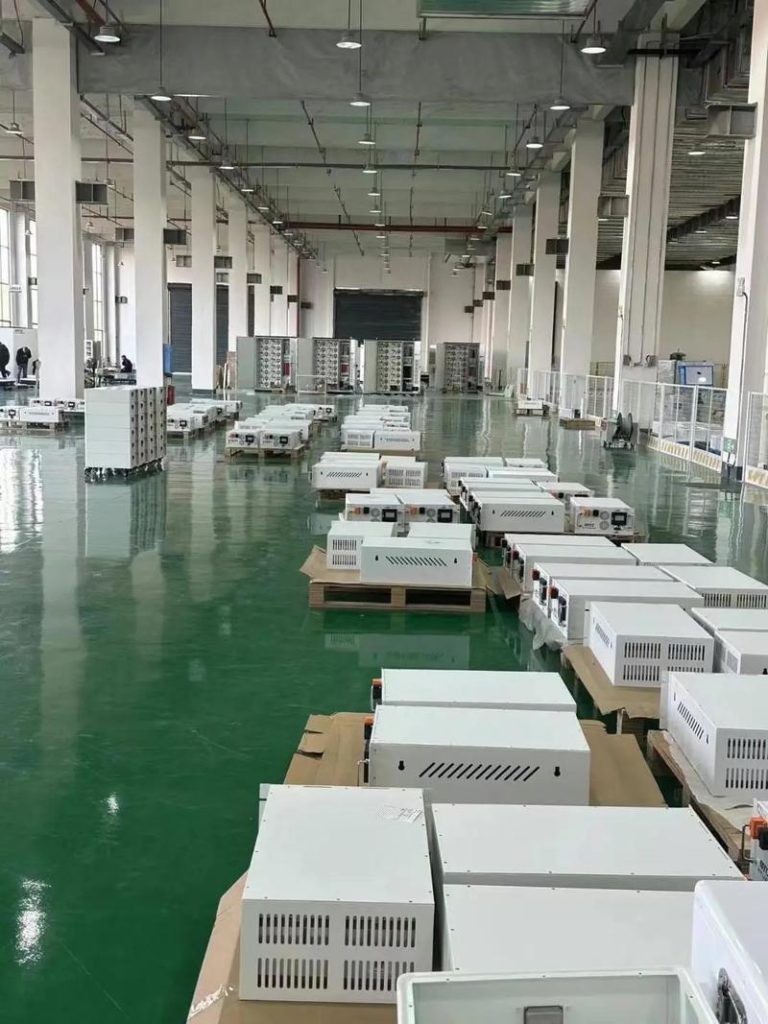
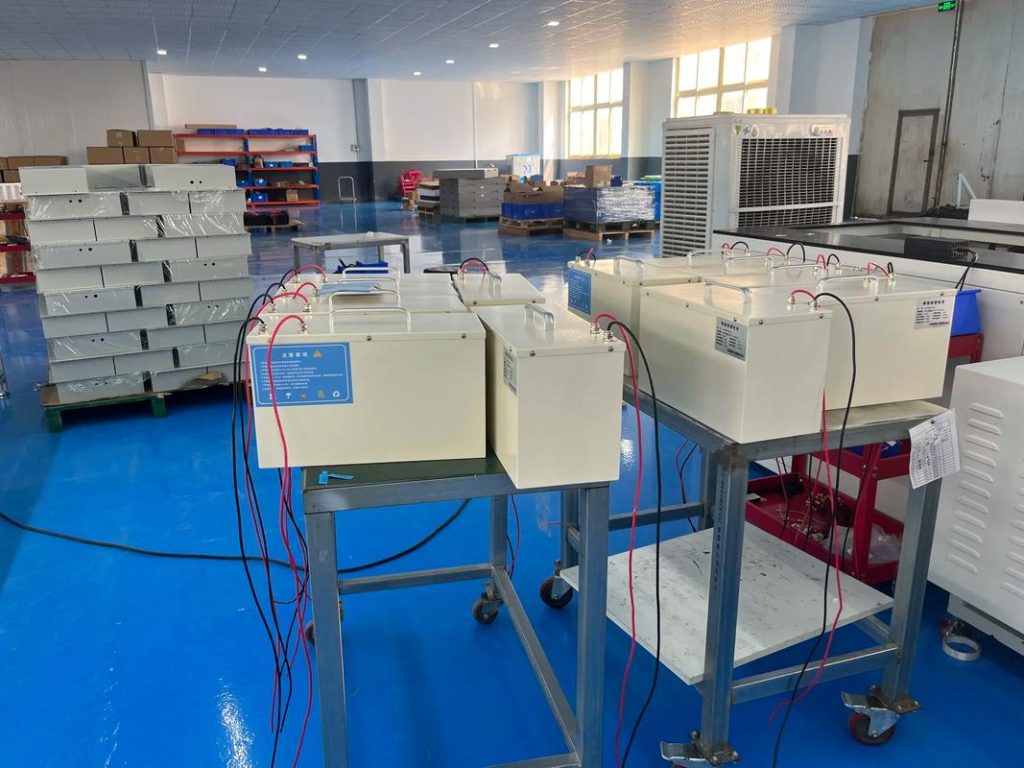
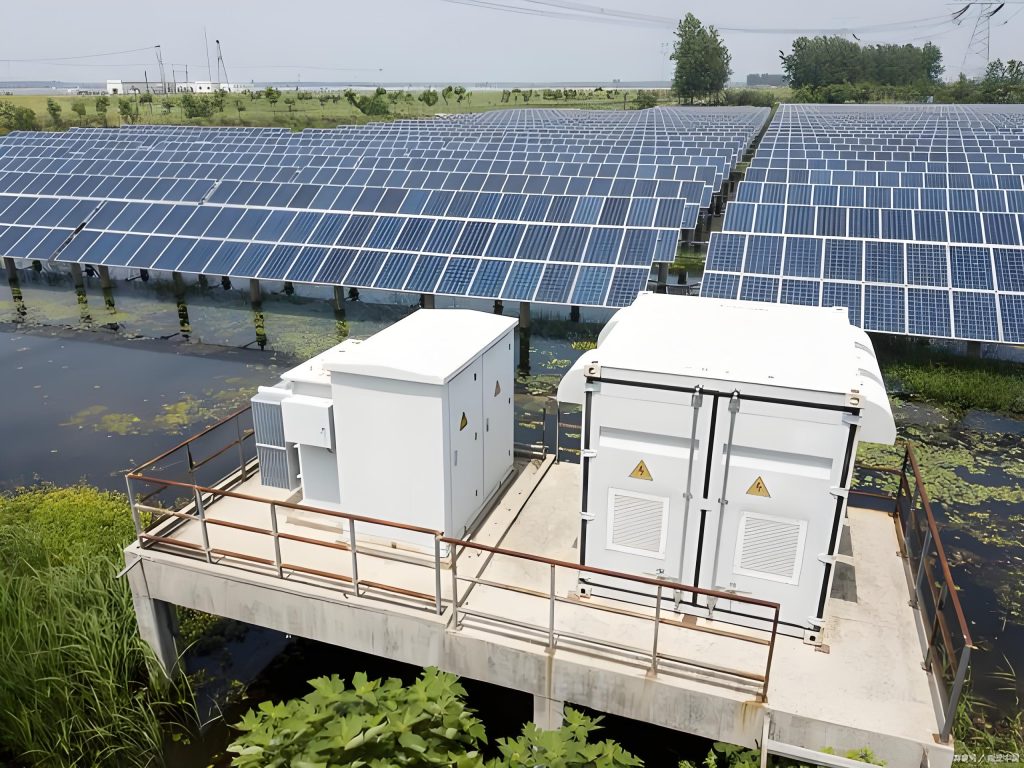
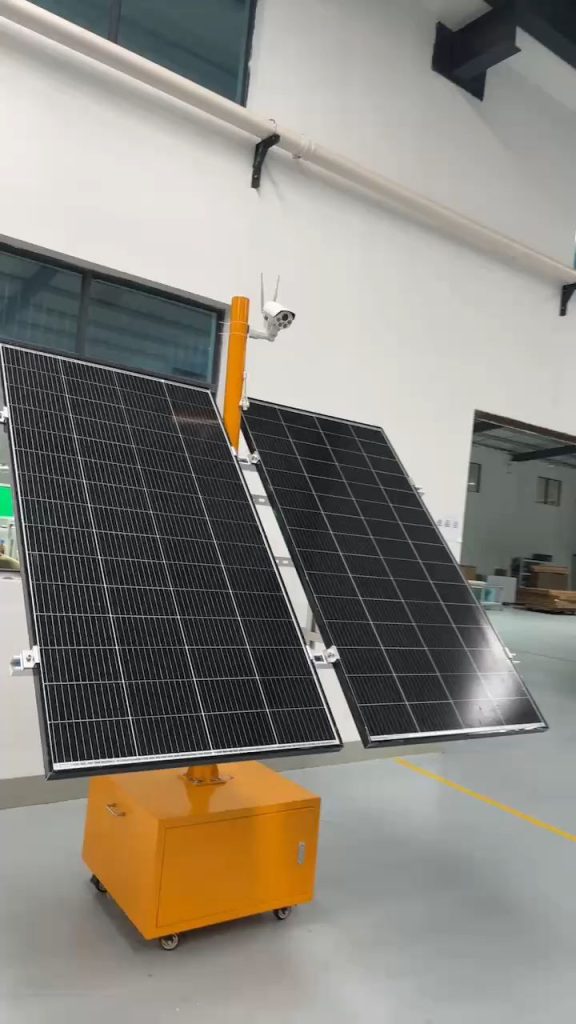

Boost Project ROI with Intelligent Energy Conversion and Optimization
For solar project developers, system integrators, and commercial/utility-scale stakeholders, maximizing energy output isn’t just a goal—it’s the foundation of profitability and sustainability. While high-efficiency solar panels capture sunlight, smart solar inverters with MPPT (Maximum Power Point Tracking) technology are the unsung heroes that convert that energy into usable electricity with unprecedented precision. At [Your Company Name], we engineer intelligent inverters that don’t just convert DC to AC—they optimize, monitor, and adapt to real-world conditions, ensuring your projects deliver peak performance year after year. This guide explores how MPPT technology works, the advanced features of smart inverters, and why they are indispensable for modern solar projects.
The Role of Inverters in Solar Projects: Beyond Simple Conversion
Solar panels generate direct current (DC) electricity, but homes, businesses, and grids require alternating current (AC). Inverters bridge this gap, but their role has evolved far beyond basic conversion. Today’s smart inverters with MPPT technology act as the “brain” of solar systems, performing four critical functions:
-
DC-to-AC Conversion: Transforming panel-generated DC power into grid-compatible AC power (230V/50Hz or 120V/60Hz).
-
MPPT Optimization: Continuously adjusting voltage/current to extract maximum power from panels, even under shading or temperature changes.
-
Grid Interaction: Managing power flow, supporting grid stability (via reactive power control), and complying with utility regulations.
-
Data Intelligence: Providing real-time monitoring, fault detection, and predictive maintenance insights.
Why It Matters for Projects: A 1MW solar farm with a standard inverter may lose 15-20% of potential energy yield due to inefficiencies. Smart inverters with MPPT reduce this loss to <5%, directly boosting ROI.
MPPT Technology Explained: How It Maximizes Energy Harvest
MPPT is the core innovation that sets smart inverters apart. To understand its impact, let’s break down how it works:
The Problem: Variable Solar Conditions
Solar panel output depends on sunlight intensity, temperature, and shading—all of which fluctuate daily. The “maximum power point” (MPP) is the voltage/current combination where panels produce peak power. Without MPPT, inverters operate at a fixed voltage, missing out on energy when conditions change.
The Solution: MPPT Algorithms
Smart inverters use digital algorithms (e.g., Perturb & Observe, Incremental Conductance) to:
-
Continuously scan panel voltage/current to locate the MPP.
-
Adjust the inverter’s input impedance to match the MPP, even as conditions shift (e.g., clouds passing, temperature rising).
Example: On a hot day, panel voltage drops by 10-15%. An MPPT inverter compensates by increasing current draw, maintaining maximum power output. A non-MPPT inverter would see a 10-15% power loss.
MPPT Efficiency: The Numbers Speak
-
Standard Inverters: 85-90% MPPT efficiency (fixed voltage tracking).
-
Smart Inverters with MPPT: 99%+ efficiency, recovering 15-30% more energy in partial shading or variable climates (Source: NREL).
Smart Inverter Features: Beyond MPPT
Modern smart inverters integrate IoT, AI, and advanced software to deliver project-specific value. Key features include:
1. Multi-String MPPT for Complex Arrays
Large projects often use multiple panel strings (series-connected panels). Our inverters feature independent MPPT channels (2-12 channels per unit), allowing each string to operate at its own MPP. This minimizes losses from shading (e.g., a tree blocking one string doesn’t affect others) or mismatched panels.
Use Case: A 5MW solar farm with east- and west-facing arrays uses 8 MPPT channels to optimize output from both orientations.
2. Grid Support Functions
For grid-tied projects, smart inverters stabilize the grid by:
-
Reactive Power Control: Adjusting power factor to support voltage regulation (compliant with IEEE 1547-2018).
-
Frequency Regulation: Injecting/absorbing power during grid frequency deviations (critical for utility-scale projects).
-
Anti-Islanding Protection: Automatically shutting down during outages to protect line workers.
3. IoT-Enabled Monitoring & Diagnostics
Our inverters connect to a cloud platform via Wi-Fi, Ethernet, or cellular networks, providing:
-
Real-Time Dashboards: Track energy yield, panel performance, and inverter health.
-
Fault Alerts: Receive SMS/email notifications for issues like panel degradation, overheating, or grid disconnections.
-
Predictive Maintenance: AI analyzes historical data to flag components nearing failure (e.g., capacitors, fans).
4. Hybrid Functionality
For projects with battery storage or backup generators, smart inverters seamlessly switch between solar, battery, and grid power. Features include:
-
DC Coupling: Directly charge batteries from panels (higher efficiency than AC coupling).
-
Peak Shaving: Prioritize battery power during high-tariff periods to reduce costs.
Applications: Smart Inverters for Every Project Scale
Our MPPT-equipped smart inverters are designed for diverse projects, from commercial rooftops to utility-scale farms.
1. Commercial & Industrial (C&I) Projects
-
Challenges: Limited roof space, varying load profiles, and demand charges.
-
Solutions: 50kW-500kW string inverters with 4-8 MPPT channels, integrating with battery storage for peak shaving.
-
Benefits: 20-30% higher energy yield vs. standard inverters; 15-25% reduction in electricity bills via demand charge management.
2. Utility-Scale Solar Farms
-
Challenges: Large arrays with uneven shading (e.g., terrain, soiling), grid interconnection requirements.
-
Solutions: 1MW+ central inverters or modular string inverters (250kW units) with 12+ MPPT channels.
-
Benefits: Compliance with grid codes (e.g., Germany’s VDE-AR-N 4110); 98.5%+ conversion efficiency.
3. Microgrids & Off-Grid Projects
-
Challenges: Energy storage integration, load balancing, and remote monitoring.
-
Solutions: Hybrid inverters (50kW-1MW) with built-in charge controllers and islanding capability.
-
Benefits: 24/7 power reliability; 40% lower diesel generator runtime (for hybrid systems).
Case Study: 10MW Solar Farm in Arizona
Client: A U.S. utility seeking to replace aging coal plants with solar.
Challenge: High ambient temperatures (45°C+ in summer) and partial shading from nearby transmission lines.
Solution: 10MW system using our 250kW smart inverters (8 MPPT channels per unit) with 22%+ efficient monocrystalline panels.
Results:
-
Energy Yield: 18,500 MWh/year (2,800 MWh more than the original design with standard inverters).
-
Efficiency: 99.2% MPPT efficiency, even at 50°C panel temperatures.
-
ROI: 4.1-year payback period (vs. 5.3 years with non-MPPT inverters), thanks to 15% higher energy sales.
Smart Inverters vs. Standard Inverters: A Data-Driven Comparison
For project developers, the choice between smart and standard inverters hinges on long-term value. Here’s how our 100kW smart inverter stacks up:
| Metric | Smart Inverter (MPPT + IoT) | Standard Inverter (No MPPT) | Advantage for Projects |
|---|---|---|---|
| MPPT Efficiency | 99.2% | 88% | 11.2% more energy harvested |
| Conversion Efficiency | 98.5% (peak) | 96% (peak) | 2.5% less power loss |
| Shading Tolerance | High (multi-string MPPT) | Low (single MPP) | 20-30% less loss from partial shade |
| Monitoring | Real-time cloud dashboard | Basic LED indicators | Proactive fault detection |
| Grid Services | Reactive power control, etc. | None | Eligibility for grid incentives |
| Lifespan | 15-20 years | 10-12 years | 5+ years longer service life |
Choosing the Right Smart Inverter: A Project Checklist
Selecting an inverter requires matching features to project needs. Follow these steps:
1. Assess Project Size & Type
-
C&I Rooftops: 50kW-500kW string inverters (compact, easy to install).
-
Utility-Scale Farms: 1MW+ central inverters or modular string inverters (scalable, high efficiency).
-
Microgrids: Hybrid inverters (battery/genset integration).
2. Evaluate MPPT Channels
-
Shaded Sites: Opt for 4+ MPPT channels to isolate shaded strings.
-
Large Arrays: 8+ channels for complex layouts (e.g., dual-axis trackers).
3. Check Grid Compliance
Ensure inverters meet local standards:
-
North America: UL 1741, IEEE 1547, California Rule 21.
-
Europe: VDE-AR-N 4105, G99, EN 50549.
-
Australia: AS/NZS 4777.2.
4. Prioritize Smart Features
-
Remote Monitoring: Essential for large projects with limited onsite staff.
-
Battery Integration: Critical for projects with storage goals.
Our Smart Inverter Advantages: Engineered for Project Success
At [Your Company Name], we go beyond selling inverters—we deliver project-ready solutions:
-
Rugged Design: IP65-rated enclosures, wide temperature range (-25°C to 60°C), and surge protection (4kV) for harsh environments.
-
Modular Scalability: Start with 250kW units and expand to 10MW+ without redesigning the system.
-
Local Support: 24/7 technical assistance, regional spare parts warehouses, and training for installers.
-
Certifications: UL 1741, IEC 62109, CE, TÜV, and ISO 9001.
Future-Proofing Projects with Next-Gen Inverter Tech
We invest in R&D to keep your projects ahead:
-
AI-Driven MPPT: Machine learning algorithms predict shading patterns and pre-adjust MPP for faster response.
-
Blockchain Integration: Securely log energy production data for carbon credit verification.
-
Bifacial Panel Compatibility: Optimize rear-side power gain (up to 25%) for bifacial solar modules.
FAQs: Smart Inverter & MPPT Questions Answered
Q: How much more do smart inverters with MPPT cost vs. standard inverters?
A: 10-20% higher upfront cost, but 15-30% higher energy yield typically pays back the difference in 2-3 years.
Q: Can I add MPPT to an existing inverter?
A: No—MPPT is integrated into the inverter’s hardware/software. Retrofitting requires replacing the inverter.
Q: Do smart inverters work with all solar panels?
A: Yes—we support monocrystalline, polycrystalline, and thin-film panels (300W-600W per panel).
Q: How do I maintain a smart inverter?
A: Clean the enclosure annually, check connections, and update firmware via the cloud platform. No moving parts reduce wear.
Partner With a Smart Inverter Leader
[Your Company Name] has deployed 1.5GW+ of smart inverters across 40+ countries, from desert solar farms to urban C&I rooftops. Our team provides end-to-end support:
-
Free project design consultations.
-
Custom inverter sizing for your array layout.
-
Assistance with grid interconnection paperwork.


No reply content