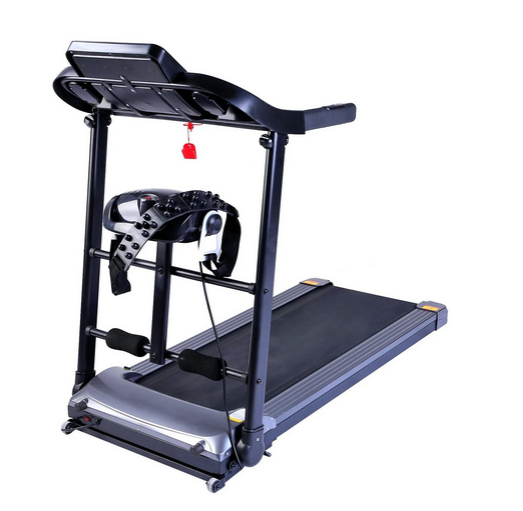
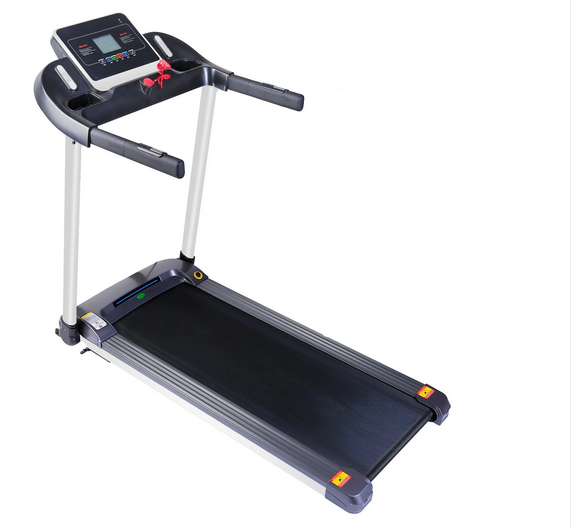
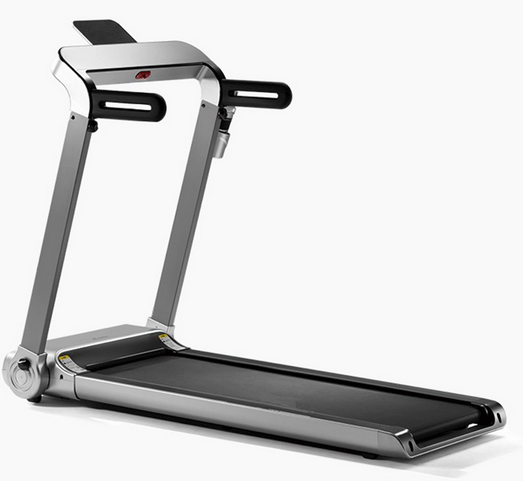
Introduction: The Rise of Smart Home Fitness
Home fitness has evolved far beyond simple dumbbells and basic treadmills. Today’s users expect data-driven training, personalized programs, immersive digital experiences, and professional-grade reliability, all within the comfort of their own home. This shift has driven rapid demand for the smart treadmill for home gym—a new generation of intelligent cardio equipment designed to bridge the gap between commercial performance and residential convenience.
Unlike traditional home treadmills, smart treadmills integrate advanced sensors, touch displays, connectivity, and adaptive software, transforming daily runs into structured, measurable, and motivating workouts. For fitness enthusiasts, busy professionals, and families investing in long-term health, smart treadmills represent not just equipment, but a complete training ecosystem.
This comprehensive guide explores how smart treadmills work, what technical specifications matter most, how to evaluate quality and credibility, and how to choose a model that delivers lasting value for home use.
What Is a Smart Treadmill for Home Gym?
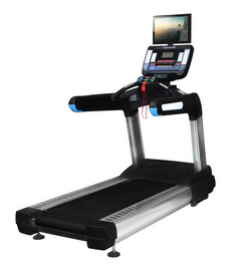
A smart treadmill for home gym is a digitally enhanced treadmill that combines motorized running mechanics with intelligent software systems, allowing users to interact with training programs, track performance data, and connect with external devices or platforms.
Key defining characteristics include:
- Touchscreen or app-based control interface
- Real-time performance tracking
- Wireless connectivity (Wi-Fi / Bluetooth)
- Personalized workout algorithms
- Cloud-based data synchronization
These treadmills are designed for regular home use while maintaining higher durability standards than entry-level residential models.
Core Advantages of Smart Treadmills in a Home Gym Environment
1. Personalized Training Intelligence
Smart treadmills analyze user data such as:
- Speed history
- Heart rate variability
- Workout frequency
- Incline tolerance
Based on this data, the system automatically adjusts:
- Workout intensity
- Interval structure
- Recovery periods
This personalization mirrors the guidance of a professional trainer, making training both safer and more effective.
2. Data Accuracy and Long-Term Progress Tracking
Smart treadmills typically record:
- Distance (calibrated belt sensors)
- Pace and cadence
- Calories burned (MET-based estimation)
- Heart rate (via Bluetooth chest straps or handles)
Data is stored locally or in the cloud, enabling:
- Weekly and monthly performance analysis
- Goal-based training plans
- Export to fitness apps
3. Space Efficiency and Home-Friendly Design
Modern smart treadmills are designed for:
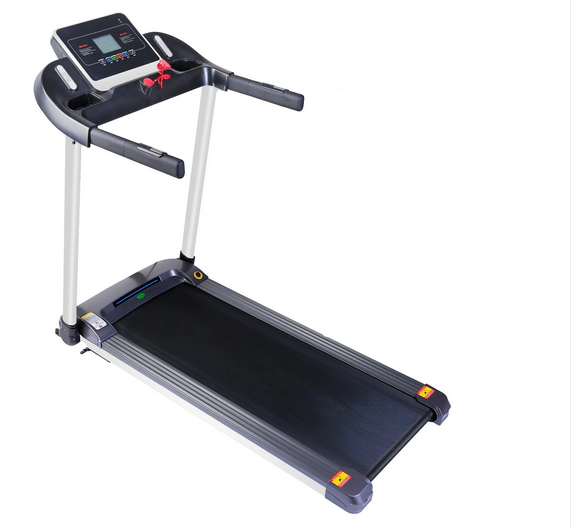
- Foldable frames with hydraulic assist
- Lower noise output (≤ 65 dB)
- Shock-absorbing decks to reduce floor impact
This makes them suitable for apartments and shared living spaces.
Key Technical Specifications That Define a High-Quality Smart Home Treadmill
1. Motor System (Quiet Power Matters at Home)
Unlike commercial treadmills, home smart treadmills typically use high-performance DC motors, optimized for quiet operation and energy efficiency.
Recommended Specifications:
- Continuous Power: 2.0–3.0 HP
- Peak Power: 4.0–5.0 HP
- Noise Level: ≤ 65 dB
- Cooling: Internal airflow cooling
A stable motor ensures consistent speed even during interval training.
2. Speed and Incline Capability
| Parameter | Recommended Range |
|---|---|
| Speed Range | 1.0 – 16 km/h |
| Incline Range | 0 – 12% |
| Incline Type | Motorized |
| Speed Accuracy | ±0.1 km/h |
Motorized incline allows simulation of outdoor terrain and increases calorie expenditure.
3. Running Belt and Deck Construction
Running Area:
- Length: 1300–1450 mm
- Width: 480–520 mm
Deck Features:
- Multi-layer running deck
- Cushioning zones (6–8 points)
- Anti-slip textured surface
Adequate belt width improves safety, especially for beginners.
4. Smart Touchscreen & Control Interface
| Feature | Typical Specification |
|---|---|
| Screen Size | 10.1” / 12.1” / 15.6” |
| Resolution | HD / Full HD |
| Touch Type | Capacitive |
| Operating System | Android-based |
| UI Languages | Multi-language support |
Many smart treadmills also support app-only control, reducing console size and cost.
5. Connectivity & Smart Ecosystem
Smart treadmills typically support:
- Bluetooth (HR straps, earbuds)
- Wi-Fi (software updates, content)
- App integration (training logs, coaching)
- USB charging ports
This connectivity creates a seamless training experience across devices.
Smart Software Features That Actually Matter
Adaptive Training Programs
- Fat burn optimization
- Interval running
- Endurance progression
- Beginner safety programs
Virtual Training & Scenic Runs
- Real-world route simulation
- Auto incline adjustment
- Speed synchronization
User Profiles
- Multiple family members
- Individual training history
- Personalized goals
Comparison: Smart Treadmill vs Traditional Home Treadmill
| Feature | Smart Treadmill | Traditional Treadmill |
|---|---|---|
| Personalization | High | Low |
| Data Tracking | Advanced | Basic |
| App Integration | Yes | No |
| Motivation | Strong | Limited |
| Upgradeability | Software-based | Hardware-only |
For users committed to consistent training, smart treadmills offer significantly higher long-term engagement.
Typical Use Scenarios
Home Fitness Enthusiasts
- Structured training plans
- Performance analytics
Busy Professionals
- Short, efficient workouts
- Auto-adjusting intensity
Families
- Multiple user profiles
- Safety controls
Rehabilitation & Light Training
- Precise speed control
- Cushioning systems
Maintenance and Longevity for Home Use
Basic Maintenance Checklist
- Monthly belt lubrication
- Regular dust removal
- Software updates via Wi-Fi
- Annual motor inspection
Expected Lifespan
- Motor: 5–8 years (home use)
- Deck & belt: 3–5 years
- Electronics: Software-supported
Technical Specification Table (Sample)
| Parameter | Specification |
|---|---|
| Motor Type | DC Motor |
| Continuous Power | 2.5 HP |
| Peak Power | 5.0 HP |
| Speed Range | 1–16 km/h |
| Incline | 0–12% |
| Running Area | 1400 × 500 mm |
| Touchscreen | 12.1” Capacitive |
| Max User Weight | 130 kg |
| Noise Level | ≤ 65 dB |
| Power Supply | 220V / 110V |
| Connectivity | Wi-Fi / Bluetooth |
Evaluating Brand Credibility (E-E-A-T Perspective)
Experience
- Proven manufacturing history
- Real user feedback and reviews
Expertise
- In-house engineering teams
- Software and hardware integration capability
Authoritativeness
- Safety certifications (CE, RoHS)
- Compliance with electrical standards
Trustworthiness
- Transparent specifications
- Clear warranty terms
- Accessible customer support
Frequently Asked Questions (FAQ)
Q1: Is a smart treadmill worth it for a home gym?
Yes. Smart treadmills provide structured training, better motivation, and measurable progress compared to traditional models.
Q2: Do smart treadmills require a subscription?
Some platforms offer optional subscriptions, but core treadmill functions usually work without ongoing fees.
Q3: How much space does a smart treadmill need?
Typically around 2.0 × 0.9 meters, with foldable designs reducing storage footprint.
Q4: Are smart treadmills safe for beginners?
Yes. Built-in safety keys, speed limits, and beginner programs make them suitable for all levels.
Q5: What certifications should a home treadmill have?
CE, RoHS, and electrical safety certifications ensure quality and compliance.
Final Thoughts: Choosing the Right Smart Treadmill for Your Home Gym
A smart treadmill for home gym use is more than a cardio machine—it is a long-term health investment. The right model combines quiet motor performance, intelligent software, durable construction, and reliable brand support.
Rather than focusing solely on screen size or app features, buyers should prioritize motor stability, deck cushioning, data accuracy, and software reliability. When these elements are balanced correctly, a smart treadmill becomes a powerful tool for sustainable fitness and lifestyle improvement.
With the right choice, your home gym can deliver professional-level training—every day, on your schedule, in your space.


No reply content