
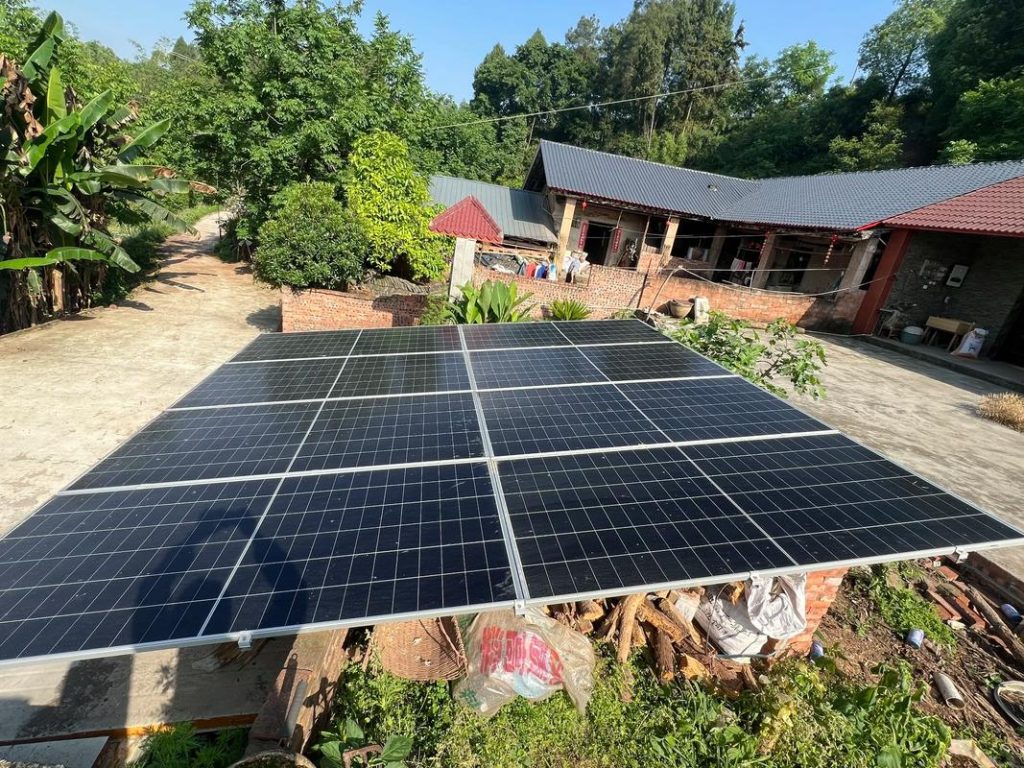
When considering a solar energy storage system, many buyers ask: how much does a solar battery storage system cost? Understanding the cost breakdown helps businesses, homeowners, and project developers make informed decisions and choose the right system for their budget.
This article provides a detailed solar battery storage cost guide, covering system components, factors affecting price, typical specifications, and frequently asked questions.
What Determines the Cost of a Solar Battery Storage System?
The cost of a solar battery storage system depends on multiple factors:
-
Battery Type and Capacity
- LFP (LiFePO₄) vs Lithium-ion batteries
- System capacity in kWh (e.g., 5 kWh – 500 kWh+)
-
Inverter and Power Output
- Hybrid vs Off-grid inverter
- Rated power in kW (3 kW – 500 kW+)
-
System Features and Quality
- BMS and EMS integration
- Remote monitoring and smart management
- Safety features and certifications
-
Installation and Site Requirements
- Indoor or outdoor installation
- Modular or containerized solutions
- Additional wiring, racks, or enclosures
-
OEM and Customization Options
- Branding, documentation, and packaging
- Capacity and voltage customization
- Integration with solar panels and generators
Typical Cost Range
The approximate cost of solar battery storage systems varies by application:
| System Type | Capacity Range | Approximate Cost (USD) |
|---|---|---|
| Residential Home Storage | 5–20 kWh | $3,000 – $10,000 |
| Small Commercial / Warehouse | 20–100 kWh | $10,000 – $50,000 |
| Large Industrial / Factory | 100–500 kWh+ | $50,000 – $300,000+ |
Note: Prices vary depending on manufacturer, battery type, system quality, certifications, and shipping costs.
Cost Per Component
-
Battery Pack
- Accounts for 50–60% of total system cost
- LFP batteries cost more upfront but last longer and reduce replacement costs
-
Inverter
- 20–30% of system cost
- Higher efficiency inverters reduce energy loss and save electricity over time
-
Monitoring & Control Systems
- 5–10% of system cost
- Smart BMS/EMS increases safety and performance
-
Installation & Labor
- 10–15% of system cost
- Depends on site conditions, mounting structure, and wiring complexity
How to Reduce Solar Battery Storage Costs
- Choose the right capacity: Avoid oversizing or undersizing
- Select LFP batteries for long-term value: Lower replacement costs
- Use modular systems: Expand gradually instead of upfront overspending
- Bulk purchasing / OEM: Reduce unit costs for distributors and project developers
Typical Product Specifications for Cost Estimation
| Component | Specification Example |
|---|---|
| Battery Type | LFP (LiFePO₄) |
| Nominal Voltage | 48V / 51.2V / High-voltage options |
| Capacity Range | 5 kWh – 500 kWh+ |
| Cycle Life | ≥6,000 cycles |
| Inverter Type | Hybrid / Off-grid |
| Rated Power | 3 kW – 500 kW+ |
| Efficiency | ≥95% |
Applications That Affect Cost
Different applications affect system sizing and total cost:
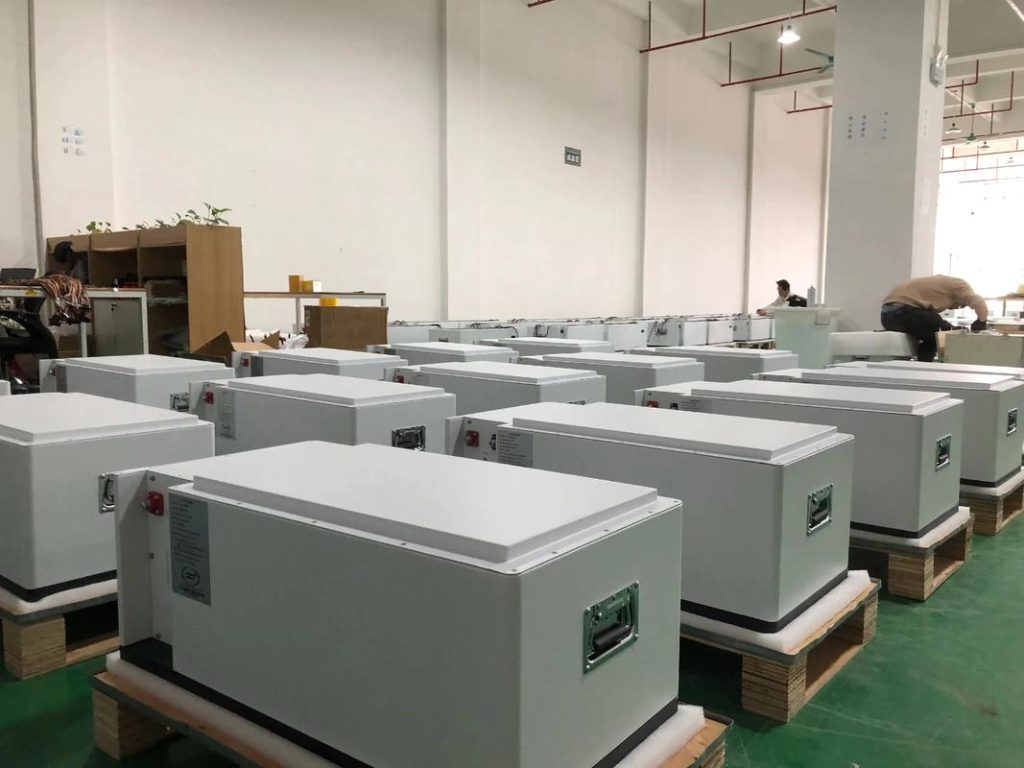
- Residential Homes: Smaller systems, lower cost, easier installation
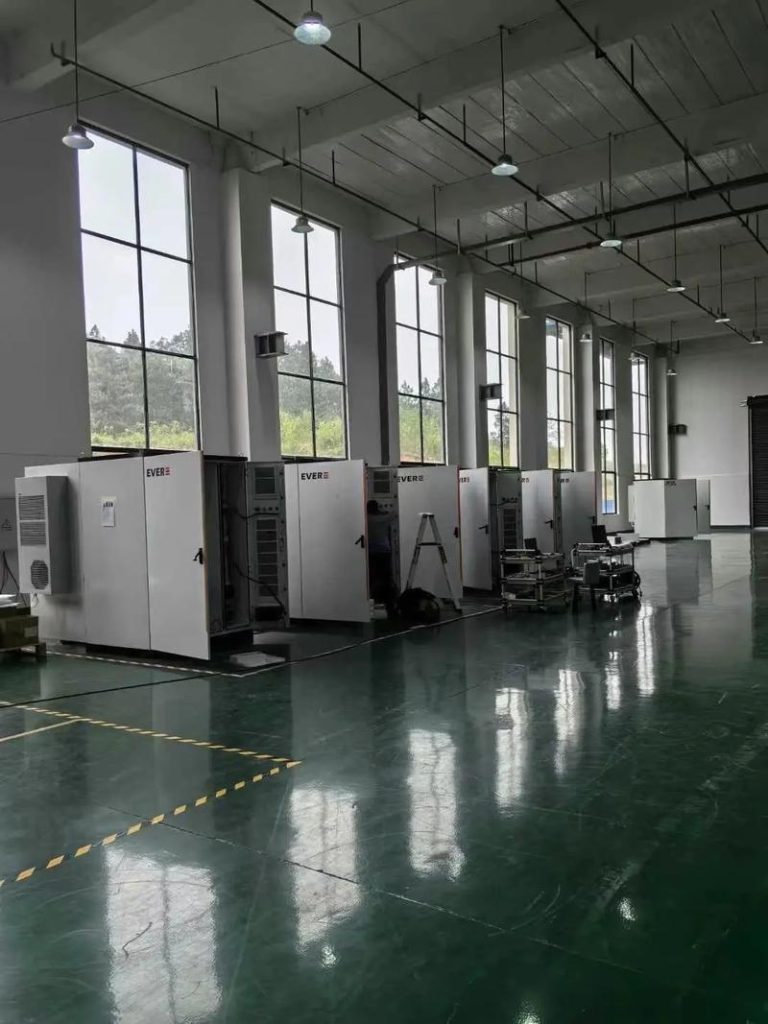
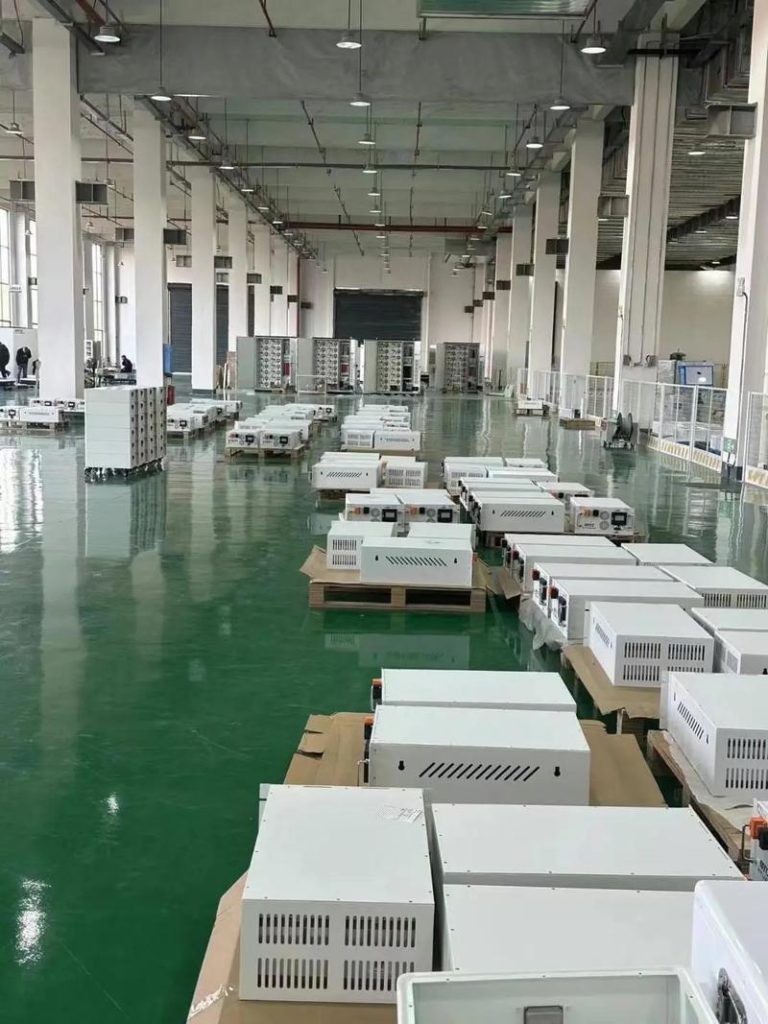
- Warehouses & Factories: Larger capacity, higher inverter ratings, modular design
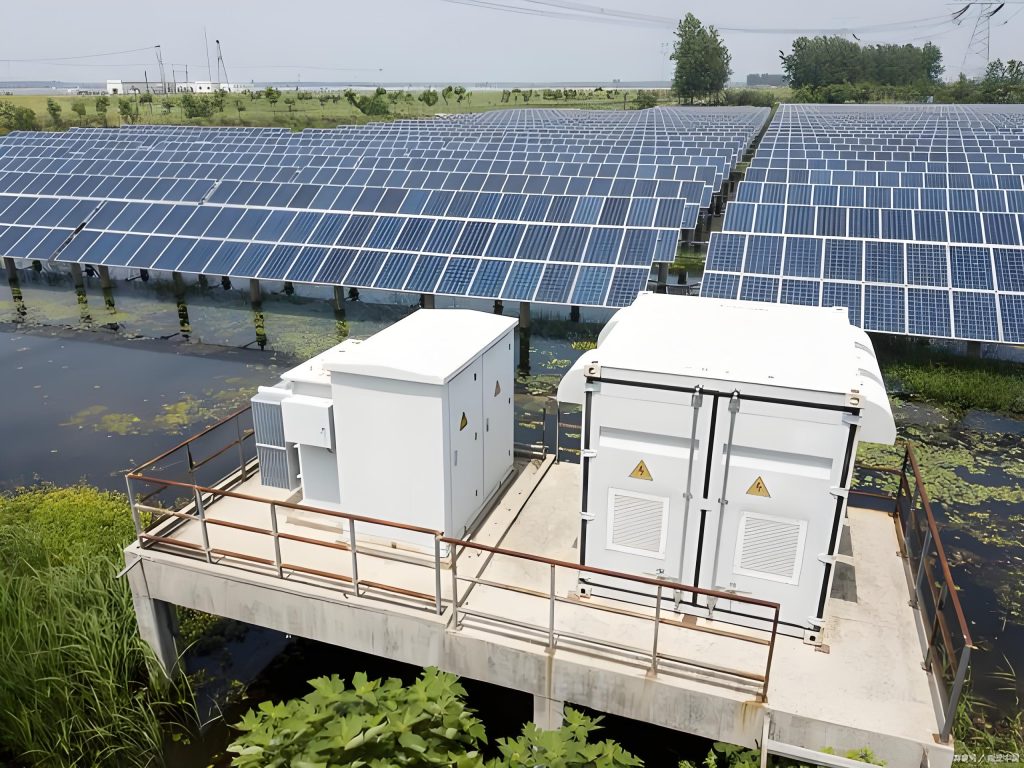
- Remote Off-Grid Projects: May require containerized systems, backup generators, and weatherproof enclosures
Frequently Asked Questions (FAQ)
Q1: Why do LFP batteries cost more upfront?
LFP batteries provide higher safety, longer lifespan, and deeper discharge, offering better long-term value.
Q2: Can I get a customized quote for my project?
Yes. OEM manufacturers provide quotes based on capacity, inverter type, system features, and installation requirements.
Q3: How does system capacity affect cost?
Higher kWh capacity increases battery size, inverter rating, and installation requirements, directly affecting price.
Q4: Are off-grid systems more expensive than grid-tied systems?
Generally yes, because they require larger batteries, smarter energy management, and sometimes backup generators.
Q5: Is shipping included in cost estimates?
International shipping is usually additional and depends on system size, packaging, and destination.
Final Thoughts
Understanding the cost breakdown of solar battery storage systems helps buyers make smart decisions, choose the right technology, and plan budgets effectively. LFP battery systems, modular design, and OEM customization offer a balance between upfront cost and long-term value.
Proper planning ensures reliable performance, energy savings, and ROI for residential, commercial, and industrial solar energy storage projects.


No reply content