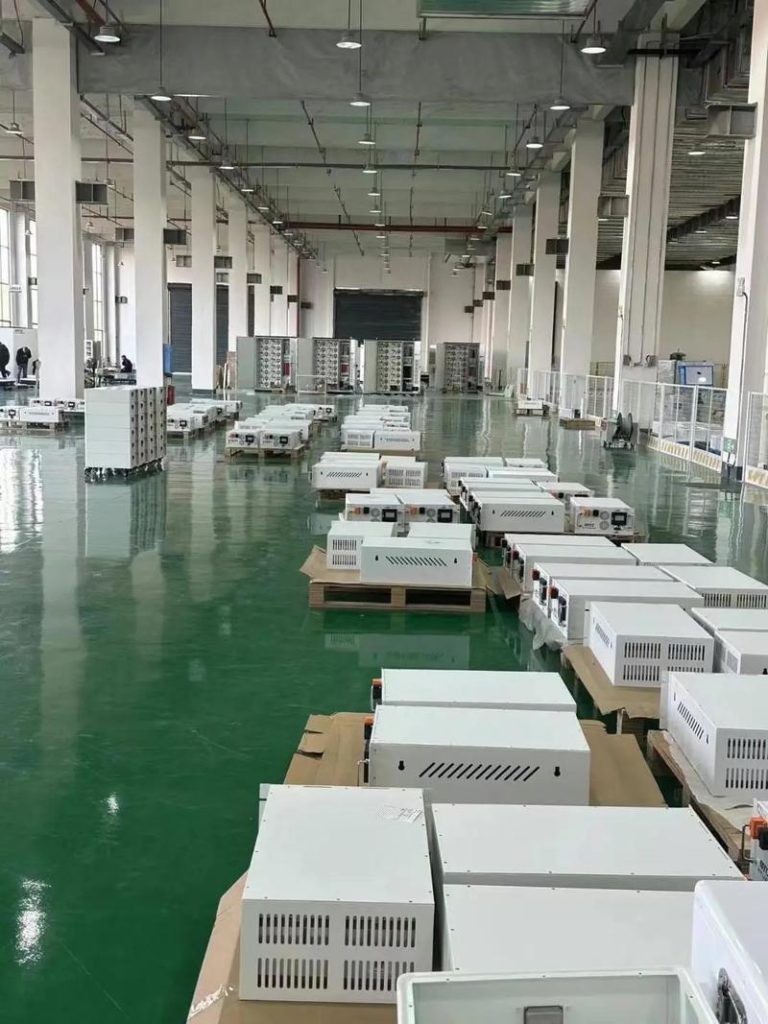
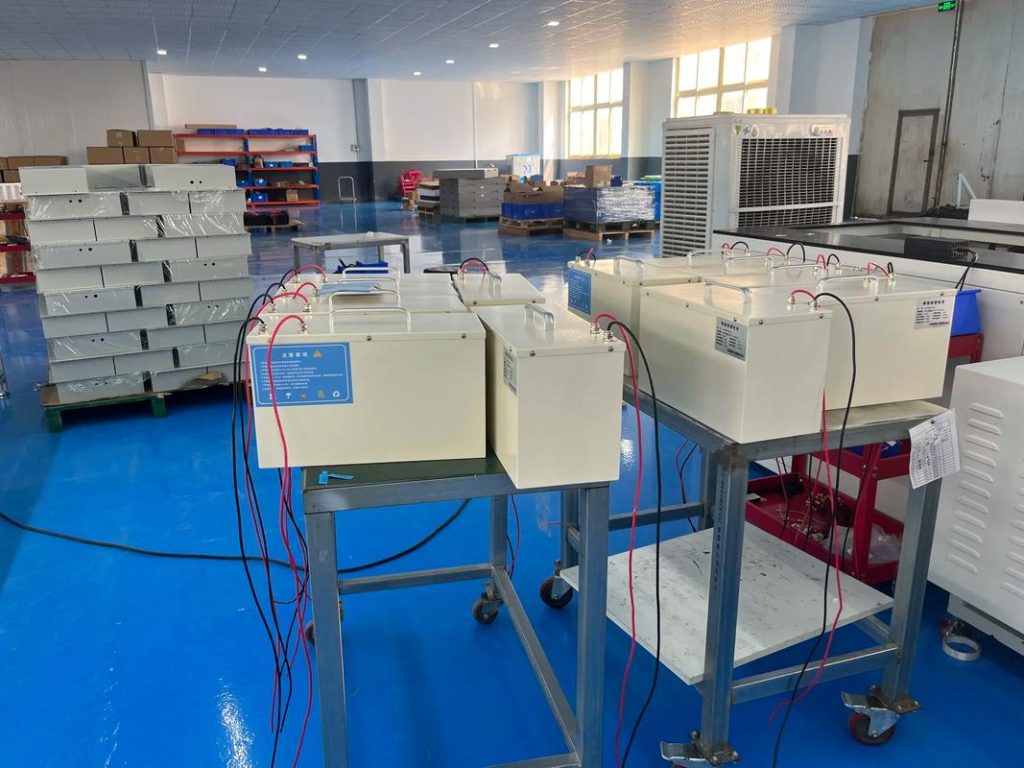
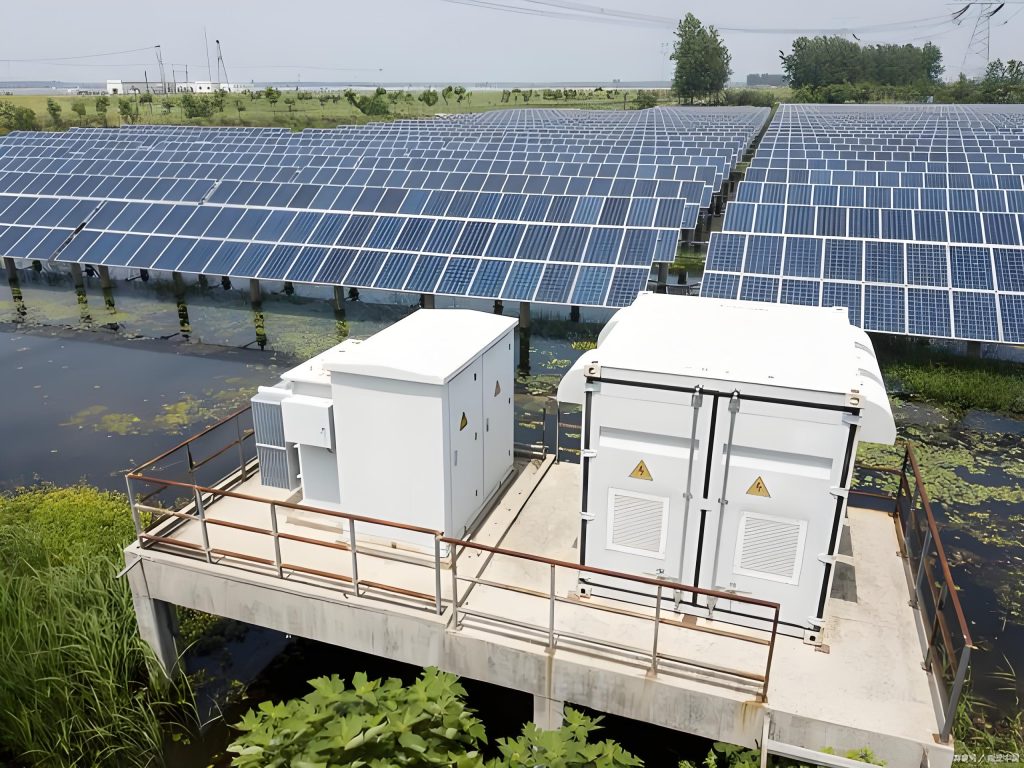
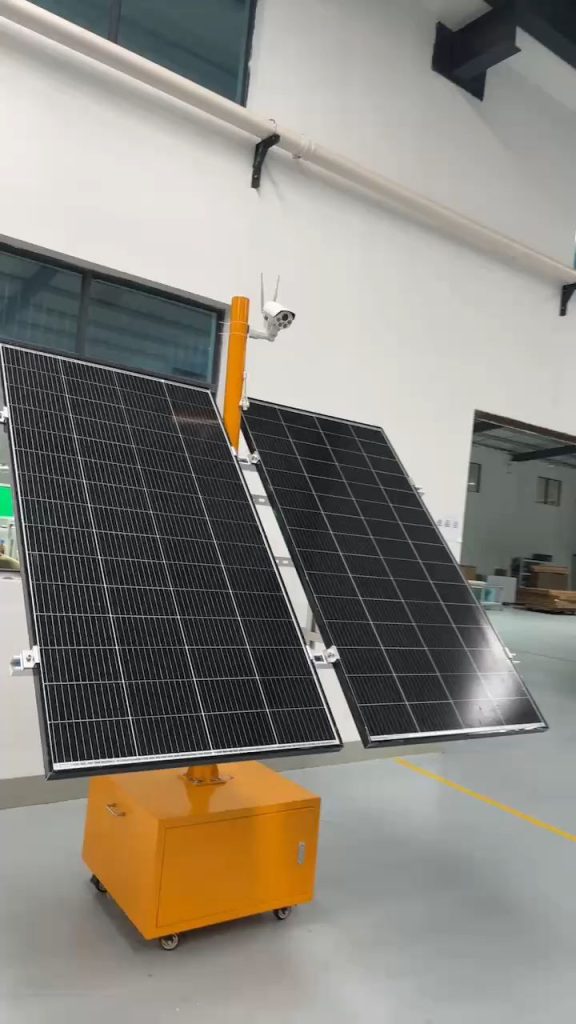
As global demand for clean and reliable energy continues to grow, solar energy storage systems have become an essential solution for residential, commercial, and industrial users. China has emerged as one of the world’s leading manufacturing hubs for solar energy storage systems, offering strong production capacity, advanced battery technology, and competitive pricing.
This guide is written for overseas buyers, project developers, distributors, and brand owners who are looking for a reliable solar energy storage manufacturer in China. It covers how solar storage systems work, key product specifications, OEM/ODM options, and frequently asked questions to help you make an informed decision.
Why Choose a Solar Energy Storage Manufacturer in China?
China plays a critical role in the global renewable energy supply chain. Choosing a Chinese manufacturer for solar energy storage systems offers several clear advantages:
- Complete industrial chain: From battery cells to BMS, inverters, and system integration
- Cost efficiency: Large-scale manufacturing significantly reduces unit cost
- Advanced battery technology: Strong focus on lithium-ion and LFP battery development
- OEM & ODM flexibility: Custom branding, capacity design, and system configuration
- Global export experience: Products designed to meet international standards
For buyers seeking long-term cooperation, China-based factories are often able to provide stable supply, technical support, and scalable production.
What Is a Solar Energy Storage System?
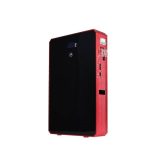
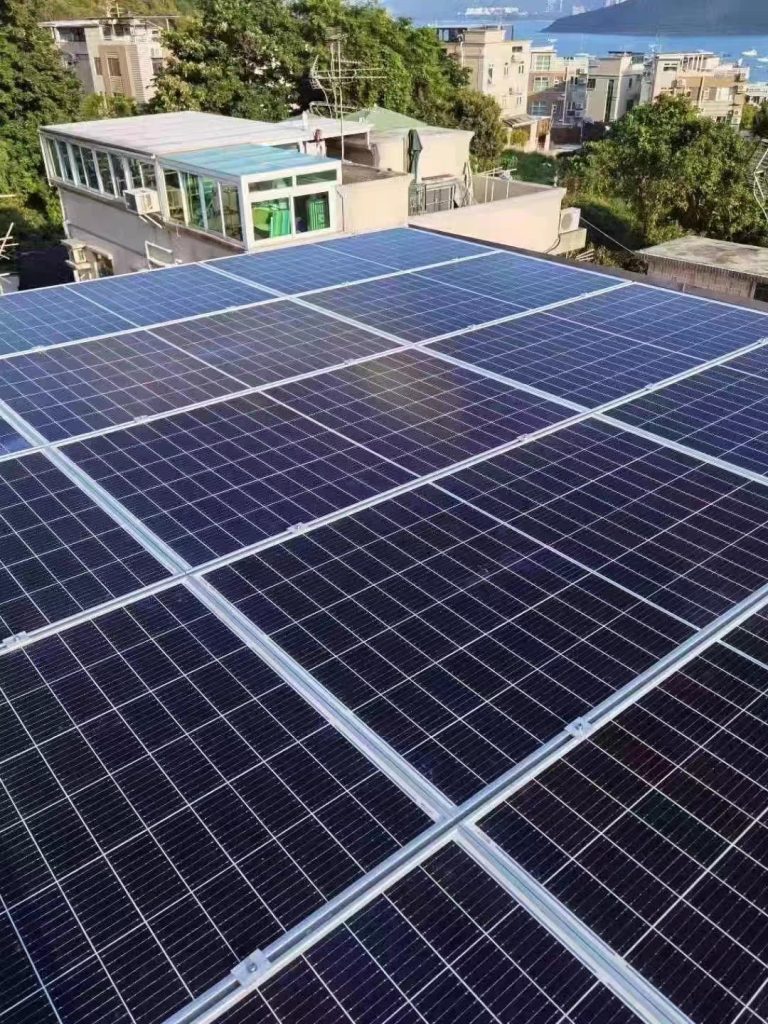
A solar energy storage system stores electricity generated by solar panels for later use. Instead of sending excess power back to the grid or wasting it, the energy is stored in batteries and used when sunlight is unavailable.
Typical applications include:
- Home energy backup
- Peak shaving for commercial buildings
- Off-grid power supply
- Remote or unstable grid areas
A complete solar energy storage system usually consists of:
- Battery pack
- Battery Management System (BMS)
- Inverter (hybrid or off-grid)
- Energy management system
- Protection and cooling components
Types of Solar Energy Storage Systems
1. Residential Solar Energy Storage
Designed for homes and small buildings, these systems provide backup power and help reduce electricity bills.
Common use cases:
- Daily energy storage
- Backup during power outages
- Self-consumption optimization
2. Commercial & Industrial Energy Storage
Used in factories, warehouses, offices, and commercial buildings to reduce peak demand charges and improve energy efficiency.
3. Off-Grid Solar Energy Storage
Ideal for remote areas without stable grid access, such as farms, islands, or construction sites.
Key Product Specifications (Typical Range)
Below is a general overview of solar energy storage system specifications offered by professional manufacturers in China. Actual configurations can be customized based on project requirements.
Battery Specifications
- Battery type: Lithium-ion / LFP (LiFePO₄)
- Nominal voltage: 48V / 51.2V / high-voltage options
- Capacity range: 5 kWh – 500 kWh+
- Cycle life: 6,000+ cycles (LFP)
- Depth of discharge (DoD): Up to 90–95%
Inverter Specifications
- Inverter type: Hybrid / Off-grid
- Rated power: 3 kW – 100 kW
- AC output: Single-phase / Three-phase
- Efficiency: ≥97%
System Features
- Smart BMS protection
- Overcharge / over-discharge protection
- Short circuit and thermal protection
- Remote monitoring (WiFi / LAN / App)
- Modular and expandable design
OEM & ODM Solar Energy Storage Solutions
One of the biggest advantages of working with a Chinese solar energy storage manufacturer is OEM and ODM capability.
OEM Services Include:
- Custom logo and branding
- Customized battery capacity
- Packaging design
- User manual customization
ODM Services Include:
- New product structure design
- Battery and system configuration optimization
- Software and monitoring system customization
- Certification support
OEM/ODM services are especially suitable for:
- Importers and distributors
- Solar installation companies
- Energy brands launching private-label products
Quality Control and Manufacturing Process
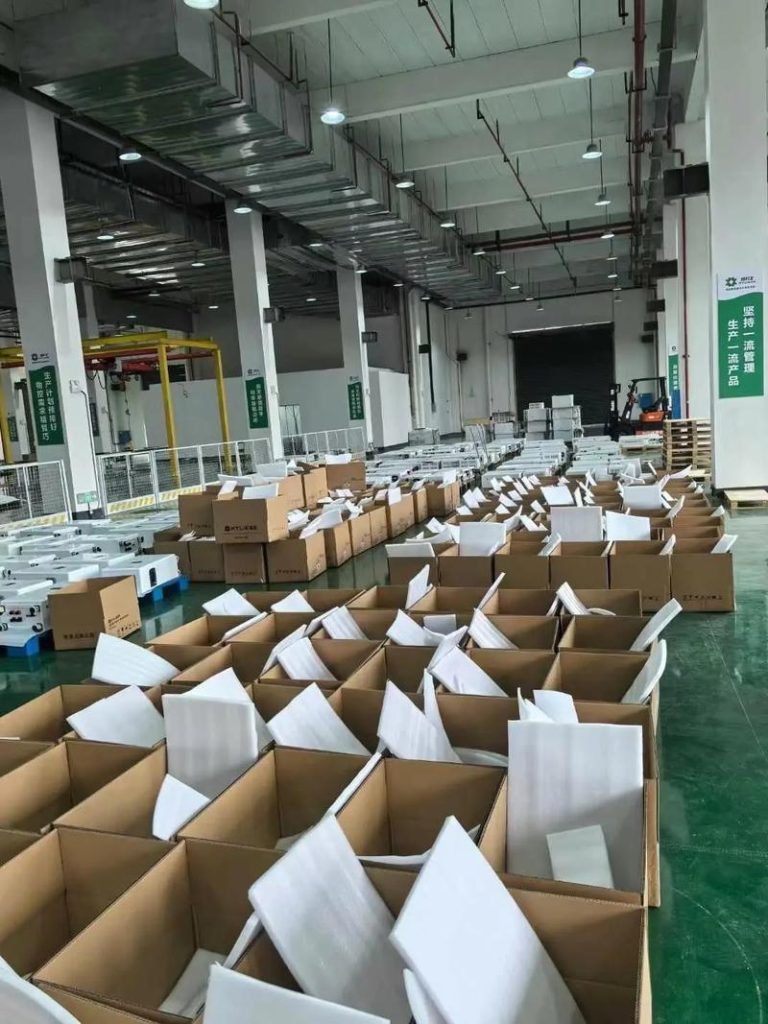
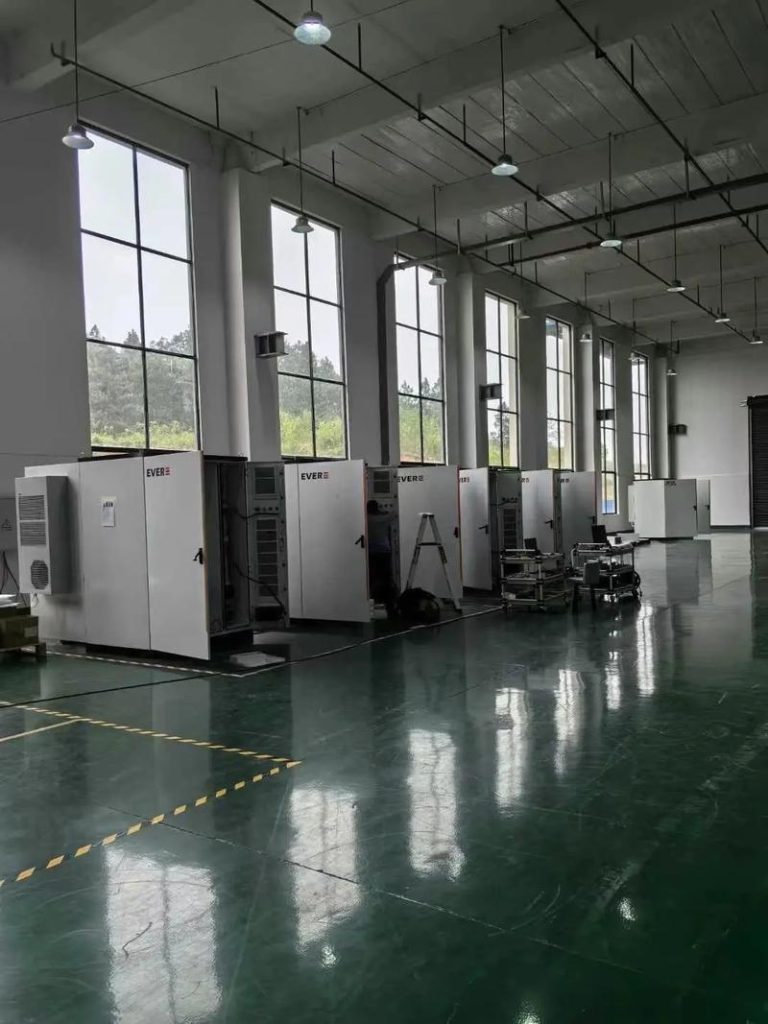
A reliable solar energy storage factory typically follows strict quality control procedures, including:
- Incoming raw material inspection
- Battery cell testing and grading
- BMS functional testing
- System assembly and aging test
- Final performance and safety inspection
Professional manufacturers also conduct:
- Charge and discharge testing
- High-temperature and low-temperature testing
- Vibration and transportation simulation
These steps ensure system stability, safety, and long service life.
Certifications and Compliance
Solar energy storage systems exported from China are commonly designed to comply with international standards, such as:
- CE
- UN38.3
- IEC standards
- MSDS
- ROHS
Certification requirements may vary depending on the destination country and application scenario.
How to Choose a Reliable Solar Energy Storage Manufacturer in China
When selecting a supplier, buyers should focus on more than just price. Key factors include:
- Manufacturing experience and factory scale
- Battery technology and system design capability
- OEM/ODM experience
- Export markets and customer references
- Technical support and after-sales service
A long-term partner should be able to grow with your business and support future projects.
Frequently Asked Questions (FAQ)
Q1: What battery type is best for solar energy storage?
LFP (LiFePO₄) batteries are widely preferred due to their long cycle life, high safety, and stable performance, especially for residential and commercial energy storage.
Q2: Can solar energy storage systems work off-grid?
Yes. Off-grid solar energy storage systems are designed to operate independently without grid connection and are commonly used in remote areas.
Q3: What is the typical lifespan of a solar battery system?
With proper usage, lithium-based solar energy storage systems can last 10–15 years, depending on cycle life and operating conditions.
Q4: Is OEM branding available for small orders?
Many manufacturers offer OEM services with flexible MOQ, depending on product type and customization level.
Q5: Can the system be expanded in the future?
Most modern solar energy storage systems use modular designs, allowing capacity expansion as energy demand increases.
Final Thoughts
Choosing the right solar energy storage manufacturer in China is a critical step for building a successful energy business or project. With strong manufacturing capability, advanced battery technology, and flexible OEM/ODM services, Chinese factories continue to support the global transition to clean energy.
A well-designed solar energy storage system not only improves energy independence but also delivers long-term economic and environmental benefits.


No reply content