Introduction
As global energy structures shift toward sustainability, solar power has become one of the most widely adopted renewable energy sources. However, solar generation alone cannot fully meet modern energy demands without reliable storage solutions. This is where solar energy storage systems play a critical role.
For importers, project developers, energy solution providers, and brand owners, choosing the right solar energy storage manufacturer is not only a matter of price, but also of safety, system stability, long-term performance, and after-sales reliability.
China has become one of the world’s leading manufacturing centers for solar energy storage systems. With a mature supply chain, advanced battery technology, and large-scale production capacity, Chinese manufacturers now supply solar storage solutions to residential, commercial, and utility-scale projects worldwide.
This article is written from the perspective of a solar energy storage manufacturer in China, offering a transparent and practical overview for global buyers who are evaluating manufacturing partners and sourcing solar storage systems.
What Is a Solar Energy Storage Manufacturer?
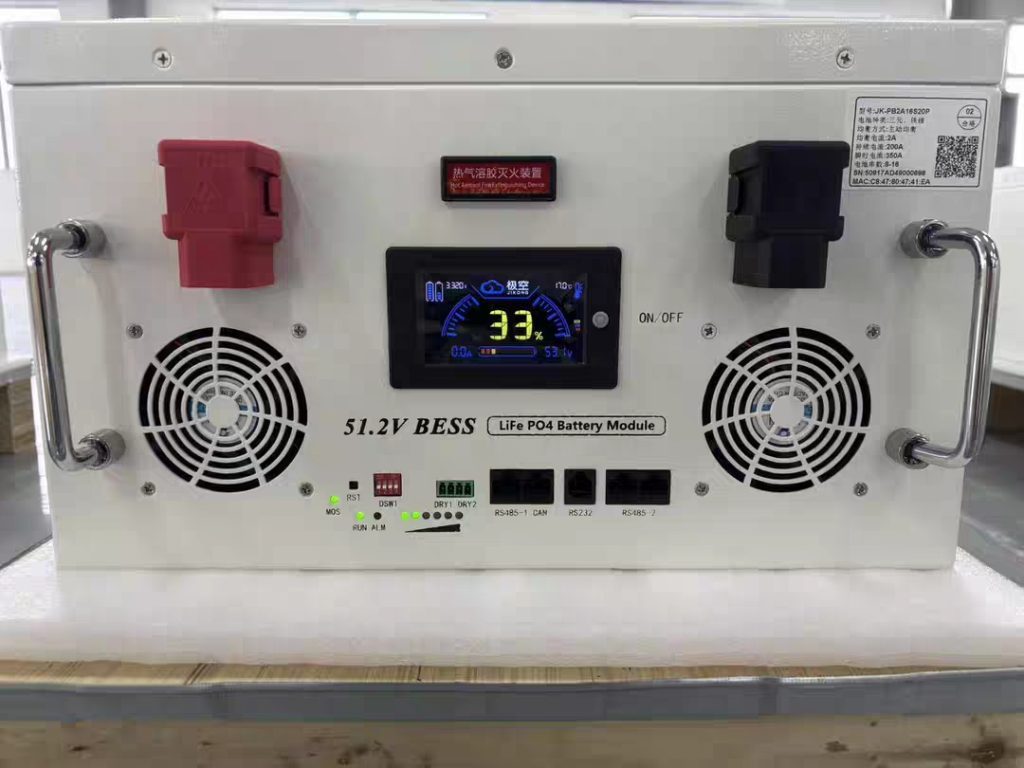
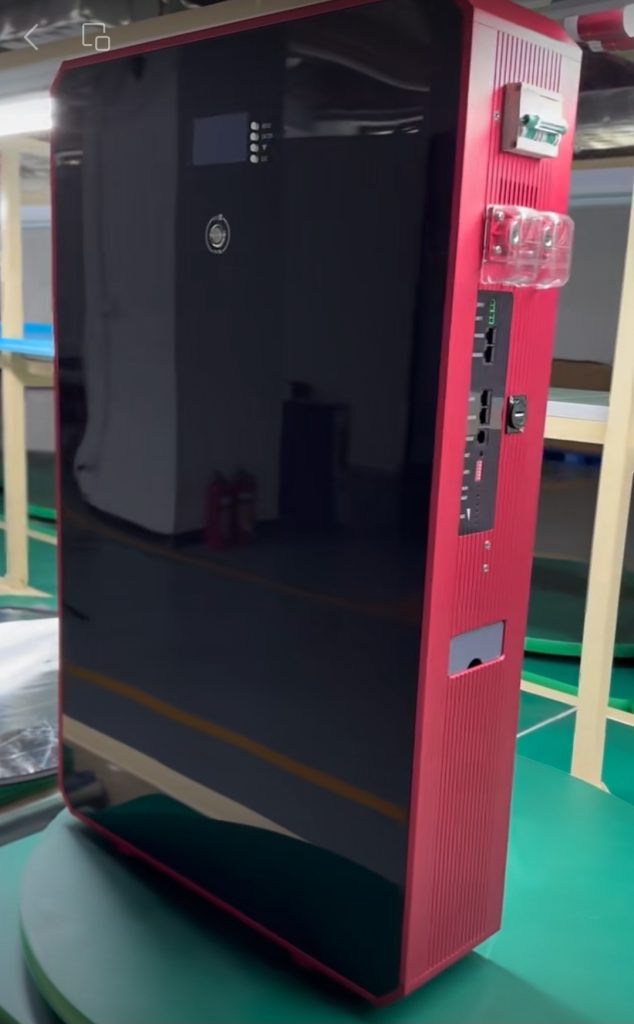
A solar energy storage manufacturer specializes in designing, assembling, and testing energy storage systems that store electricity generated by solar panels for later use. These systems typically include:
- Battery modules
- Battery management systems (BMS)
- Inverters or hybrid inverters
- Energy management systems (EMS)
- Protection and safety components
Unlike traders or system integrators, a true manufacturer controls core production processes, quality standards, and system integration from the factory level.
For international buyers, working directly with a manufacturer provides greater transparency, customization flexibility, and long-term supply stability.
Why China Is a Global Hub for Solar Energy Storage Manufacturing
Complete Industrial Supply Chain
China has one of the most complete energy storage supply chains in the world. From lithium battery cells and electronic components to metal enclosures and power electronics, most key materials and parts are sourced domestically.
This supply chain advantage allows manufacturers to:
- Maintain stable production schedules
- Control material quality
- Reduce procurement risks
- Offer competitive pricing
Strong Engineering and Manufacturing Capability
Solar energy storage systems require multidisciplinary expertise, including electrical engineering, power electronics, software control, and thermal management. Chinese manufacturers have accumulated years of experience serving diverse global markets, enabling them to adapt systems for different grid standards and application scenarios.
Scalable Production Capacity
From small residential battery systems to large commercial and industrial energy storage units, Chinese factories are capable of scaling production efficiently. This scalability is especially important for buyers handling project-based or bulk orders.
Types of Solar Energy Storage Systems Manufactured in China
Residential Solar Energy Storage Systems
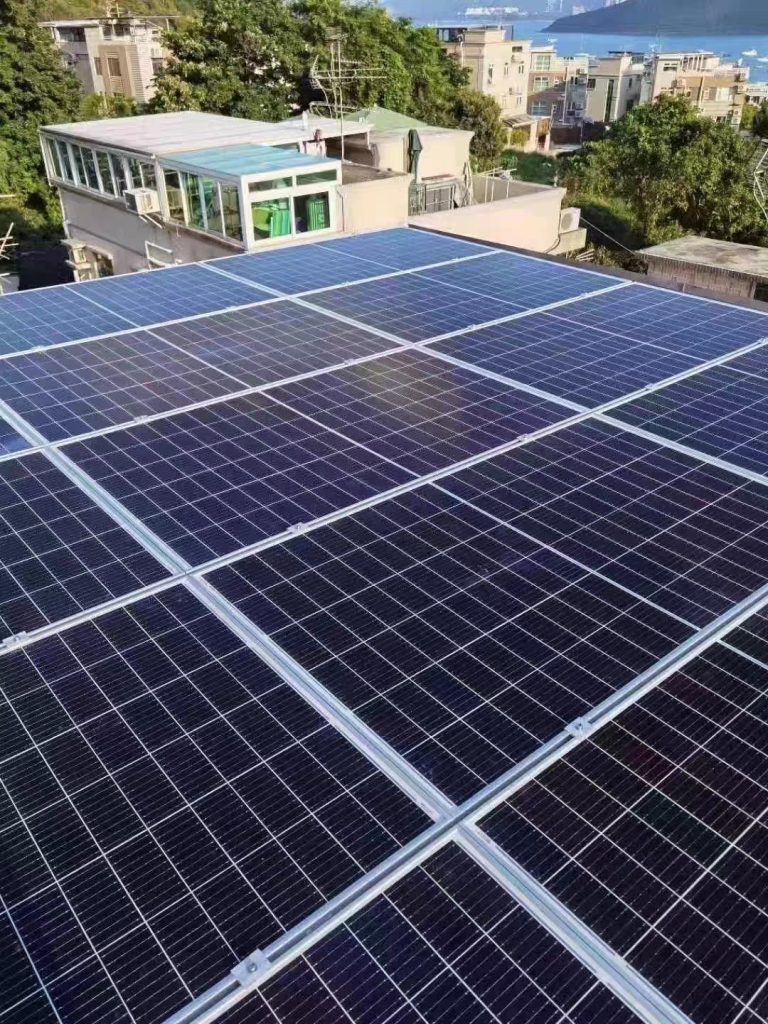
Residential systems are designed for home use, typically paired with rooftop solar panels. These systems allow homeowners to:
- Store excess solar power
- Reduce dependence on the grid
- Improve energy independence
Manufacturing focuses on compact design, safety, ease of installation, and long cycle life.
Commercial and Industrial Energy Storage Systems
Commercial and industrial systems are used in factories, warehouses, office buildings, and commercial facilities. These systems help:
- Reduce peak electricity costs
- Improve power reliability
- Support energy optimization strategies
They require higher capacity, stronger structural design, and advanced system control.
Off-Grid and Hybrid Solar Storage Systems
Off-grid and hybrid systems are commonly used in remote areas or regions with unstable grid supply. These systems must be robust, reliable, and capable of operating under harsh environmental conditions.
Core Components in Solar Energy Storage Manufacturing
Battery Cells and Battery Modules
Battery cells are the foundation of any energy storage system. Manufacturers typically design battery modules by assembling multiple cells with structural reinforcement, thermal management, and electrical protection.
Key considerations include:
- Energy density
- Cycle life
- Thermal stability
- Consistency between cells
Battery Management System (BMS)
The BMS monitors voltage, current, temperature, and state of charge. It plays a critical role in:
- Preventing overcharge and over-discharge
- Ensuring system safety
- Extending battery lifespan
A reliable BMS is essential for both residential and large-scale systems.
Inverters and Power Conversion
Solar energy storage systems require inverters to convert stored DC power into usable AC power. Manufacturers integrate inverter solutions based on system application and grid requirements.
Enclosures and Thermal Management
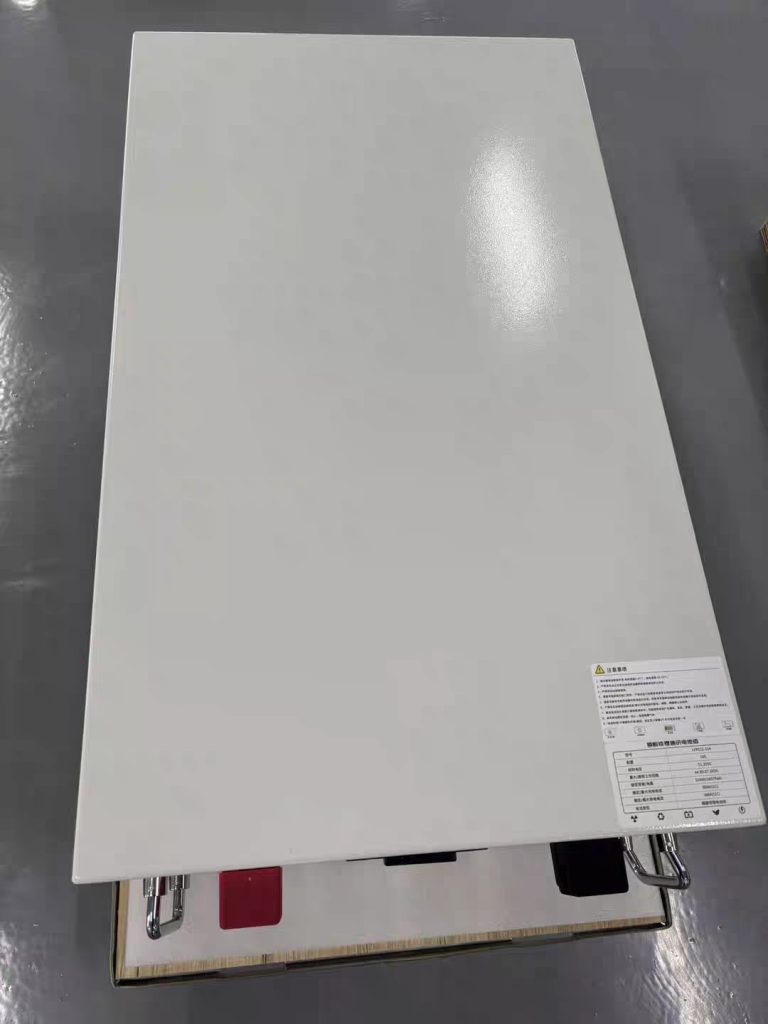
Proper enclosure design protects internal components from dust, moisture, and mechanical damage. Thermal management systems ensure stable operation under different environmental conditions.
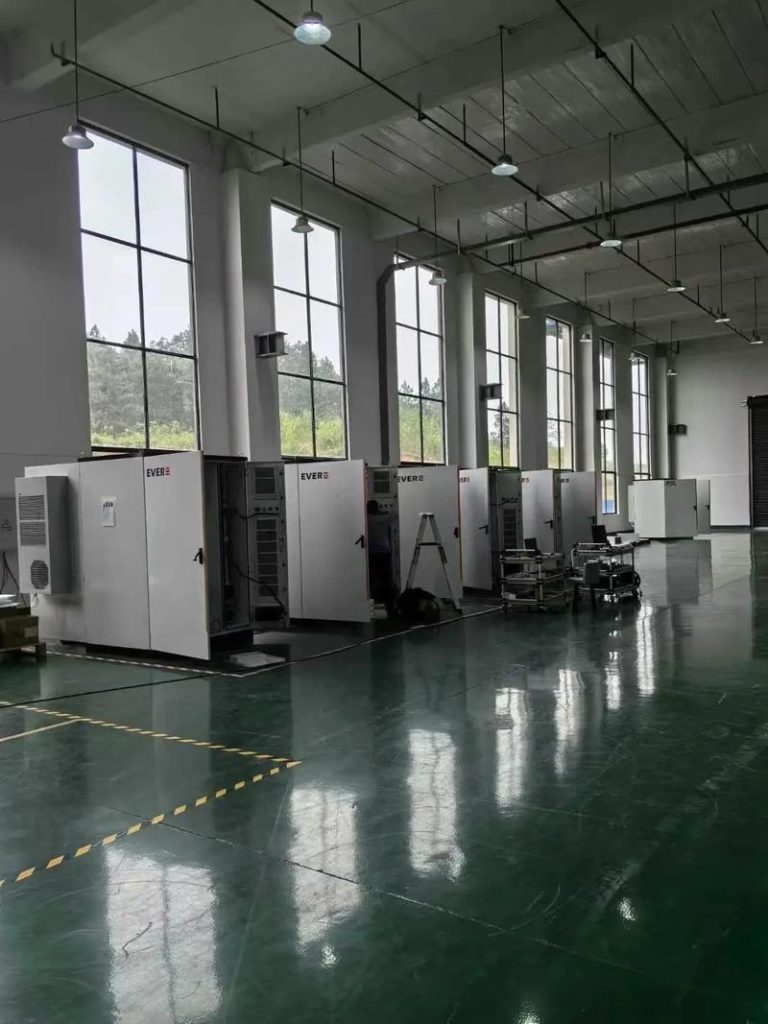
Manufacturing Process Inside a Solar Energy Storage Factory
Step 1: System Design and Engineering
Each project begins with system design, including capacity calculation, configuration planning, and safety analysis. Manufacturers ensure the system matches the buyer’s application requirements.
Step 2: Battery Module Assembly
Battery cells are assembled into modules with structural support, wiring, insulation, and safety components. Strict procedures are followed to ensure consistency and reliability.
Step 3: Electrical Integration
Modules are integrated with BMS, power electronics, and protection systems. Wiring accuracy and insulation integrity are carefully inspected.
Step 4: System Assembly and Testing
The complete system is assembled and subjected to functional testing, including charge-discharge cycles, communication checks, and safety verification.
Step 5: Quality Inspection and Aging Test
Before shipment, systems undergo final inspection and aging tests to detect potential defects and ensure stable performance.
Quality Control and Safety Standards
Solar energy storage systems are high-value and safety-critical products. A professional manufacturer implements multiple layers of quality control, including:
- Incoming material inspection
- In-process quality checks
- Functional performance testing
- Safety and protection verification
Consistent quality control reduces failure risks and protects buyer reputation.
OEM and ODM Solar Energy Storage Manufacturing
OEM Manufacturing
OEM manufacturing allows buyers to provide system specifications and branding while the factory focuses on production and quality control. This model is suitable for established brands with defined product standards.
ODM Manufacturing
ODM manufacturing allows factories to provide complete system designs that buyers can customize. This reduces development time and lowers entry barriers for new market participants.
Both models are widely supported by experienced manufacturers in China.
Export Packaging and Logistics Support
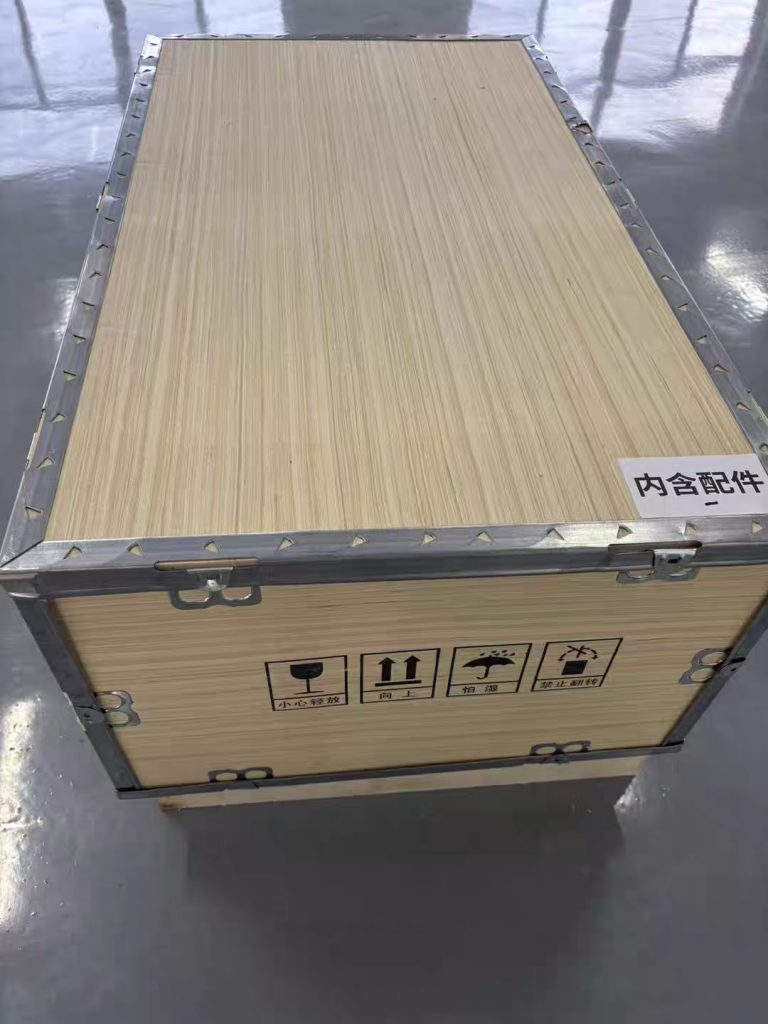
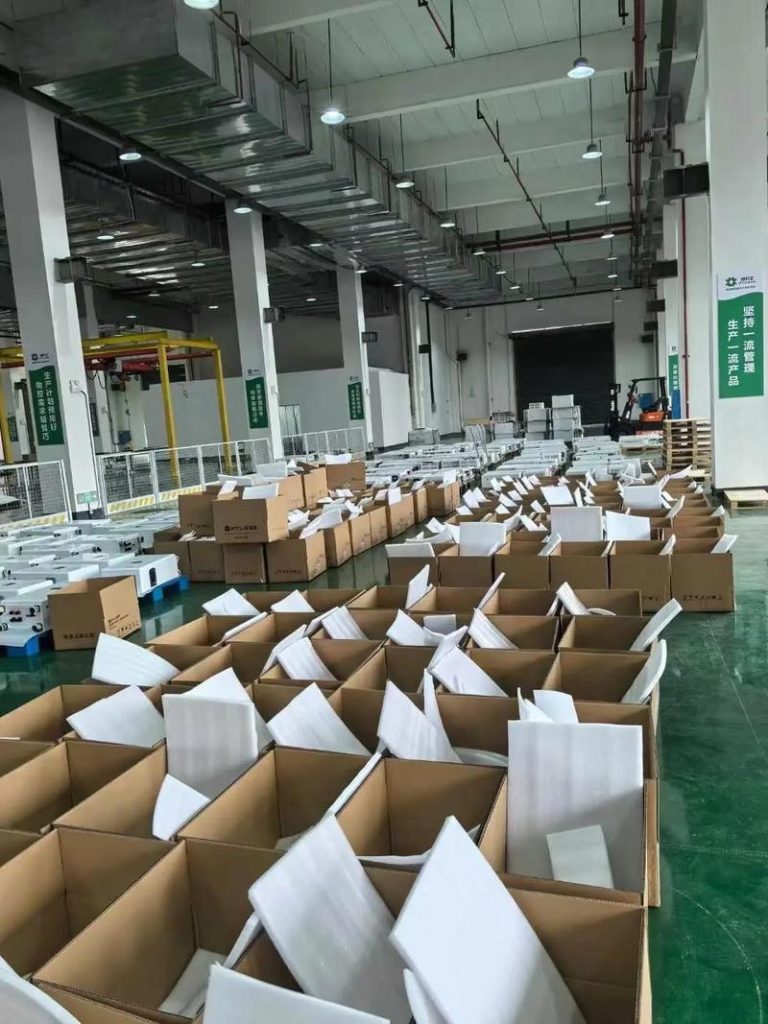
Solar energy storage systems are usually packed in reinforced export packaging to ensure safety during transportation. Manufacturers familiar with international shipping requirements provide proper labeling and documentation support.
Common Challenges When Sourcing Solar Energy Storage Systems
Buyers should be aware of:
- Inconsistent battery quality
- Insufficient safety testing
- Lack of after-sales technical support
- Poor communication during customization
Choosing a manufacturer with transparent processes and technical capability helps reduce these risks.
How to Choose the Right Solar Energy Storage Manufacturer in China
Key evaluation factors include:
- Manufacturing experience
- System design capability
- Quality control procedures
- OEM and ODM support
- Long-term cooperation mindset
A reliable manufacturer is not just a supplier, but a long-term partner in energy solutions.
The Future of Solar Energy Storage Manufacturing
As renewable energy adoption continues to grow, demand for efficient and reliable energy storage systems will increase. Technological innovation, cost optimization, and safety enhancement will remain key priorities for manufacturers.
Chinese solar energy storage manufacturers are continuously upgrading production processes and system designs to meet evolving global requirements.
Conclusion
Working with a solar energy storage manufacturer in China offers global buyers access to advanced manufacturing capability, flexible customization, and competitive production efficiency. With proper communication, rigorous quality control, and clear application planning, solar energy storage sourcing can become a stable and scalable business opportunity.
For buyers seeking reliable long-term energy storage solutions, understanding the manufacturing process and choosing the right factory partner is the foundation of success.


No reply content