3D Printer Suppliers in Shenzhen China
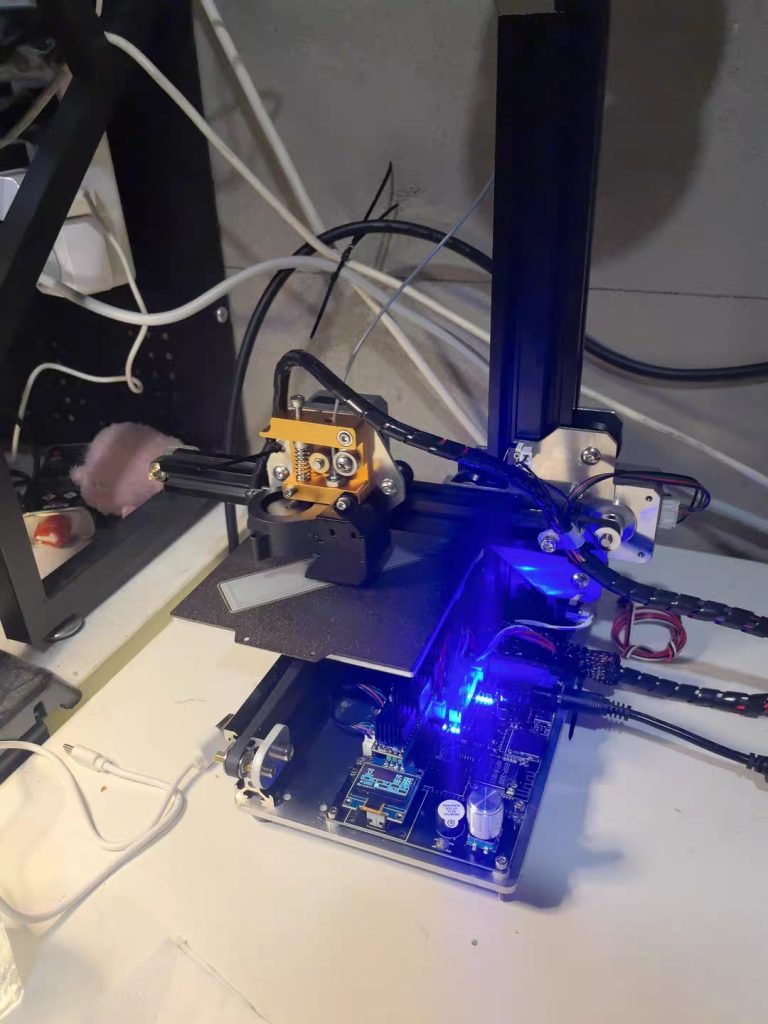
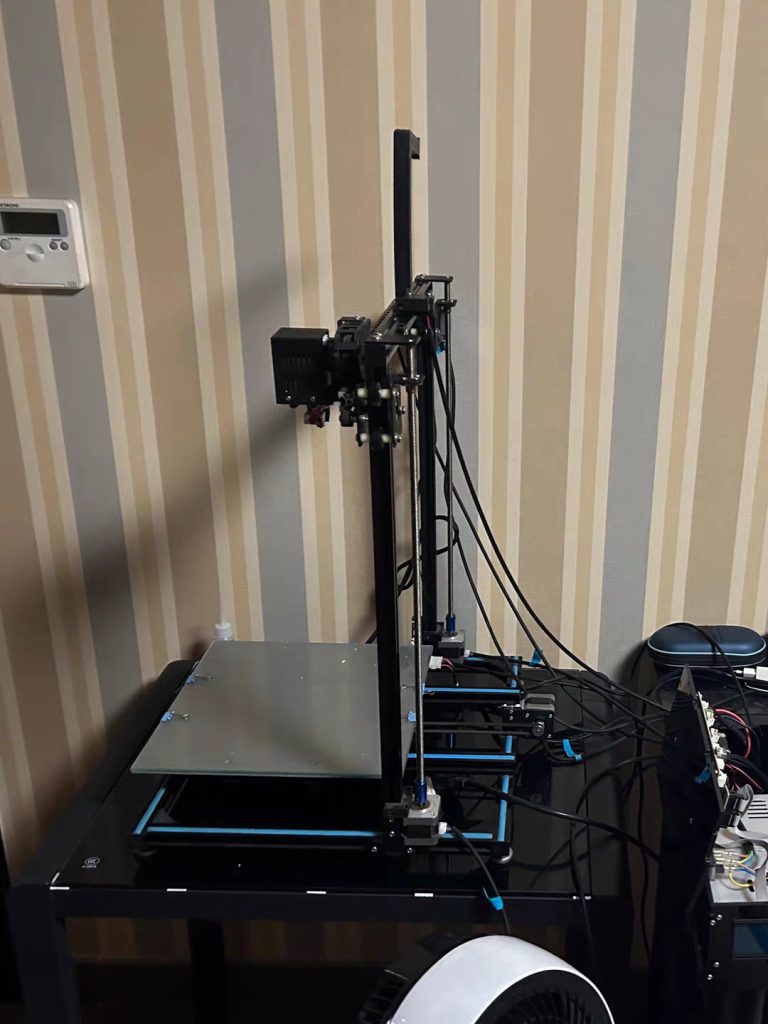
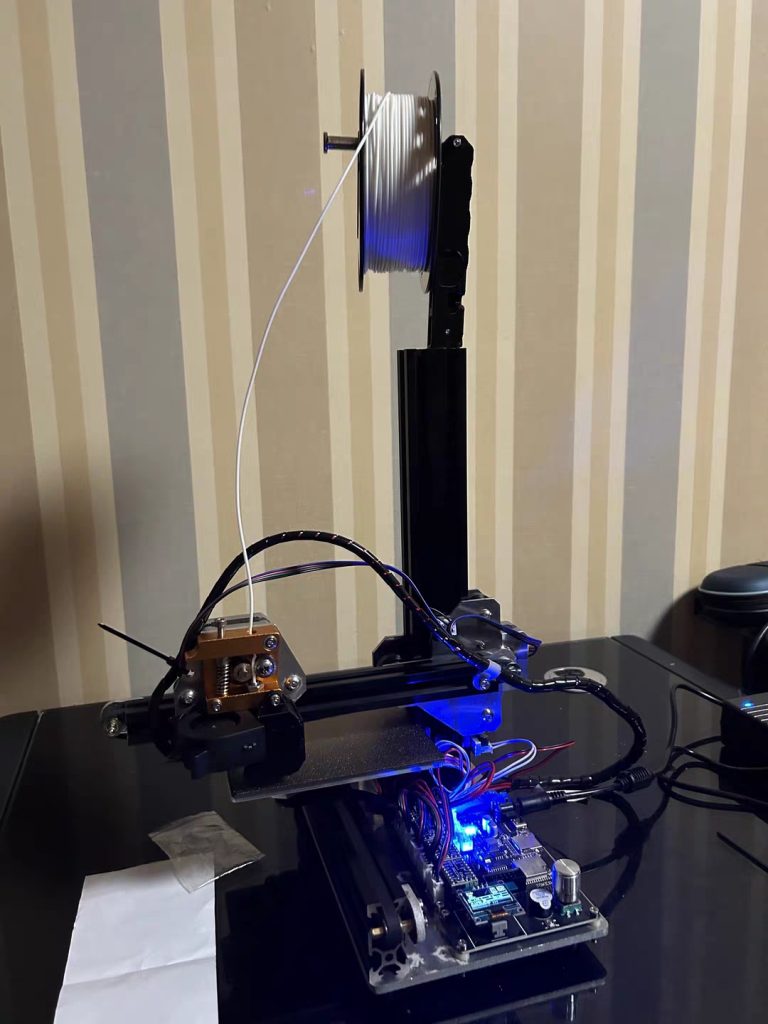
For global resellers and distributors, tapping into the Chinese 3D printer supply chain is the ultimate strategy for maximizing margins. The potential for “factory-direct” pricing allows you to dominate your local market. However, the path is littered with middlemen and quality pitfalls that can erode your profits.
To help you find a reliable partner, we’ve outlined four critical mistakes to avoid and answered the most pressing questions from industry buyers.
1. Mistaking a Trader for a Manufacturer
Many “suppliers” are actually trading companies using stock photos. They add markups while offering zero control over production quality.
-
The Fix: Demand a live video walkthrough of the production floor. Verify they have injection molding machines, burn-in testing rooms, and in-house R&D engineers. A real factory won’t hesitate to show their facility.
2. Ignoring the Hidden Costs of Compliance
A supplier might offer a rock-bottom price by using uncertified power supplies or cheap wiring. This leads to customs seizures and safety hazards.
-
The Fix: Never compromise on certifications (CE, FCC, RoHS). Request original test reports from third-party labs. Compliance isn’t an expense; it’s insurance for your business.
3. Overlooking After-Sales Logistics
Shipping a defective 20kg printer back to China for repair is financially impossible. If a supplier doesn’t have a local support plan, they aren’t a long-term partner.
-
The Fix: Partner with suppliers who offer remote technical support, comprehensive video libraries, and a policy for sending replacement parts (like hotend kits or mainboards) via express courier.
4. Falling for Unrealistic Lead Times
Some factories promise 7-day shipping but lack raw materials, causing delays that disrupt your sales cycles.
-
The Fix: Vet their inventory depth. Do they stock core components like linear rails and stepper motors, or do they wait for your deposit before sourcing parts?


No reply content