Sourcing Garlic from China: A Strategic Guide to Finding Reliable Suppliers for International Buyers
China agricultural product suppliers

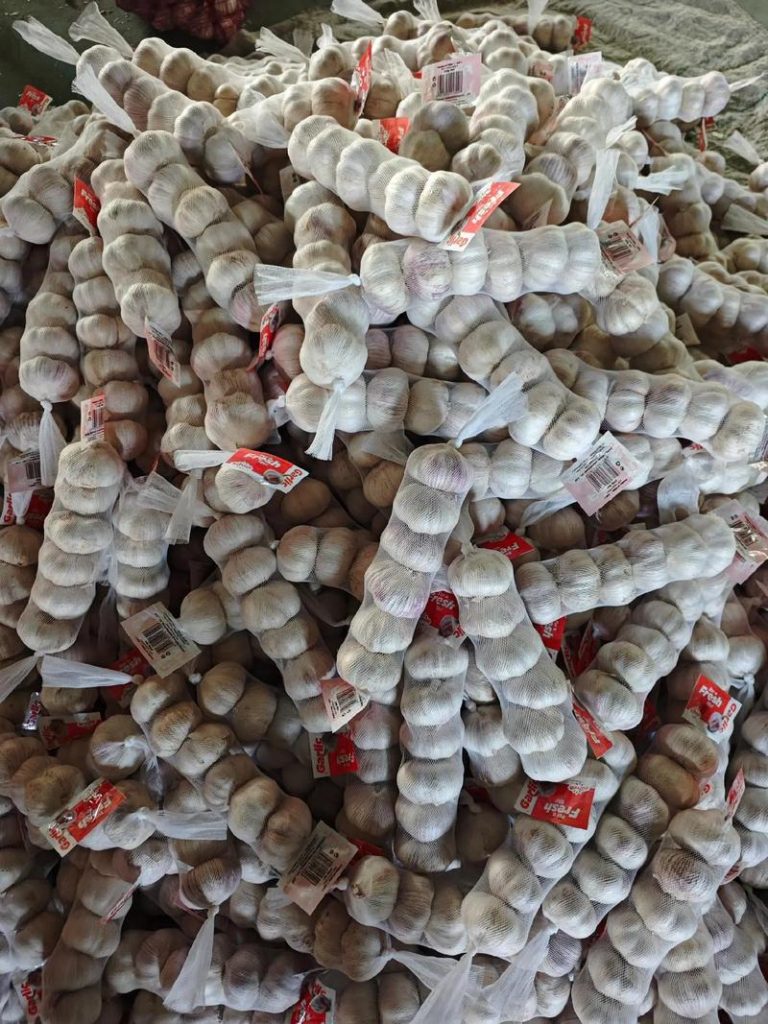
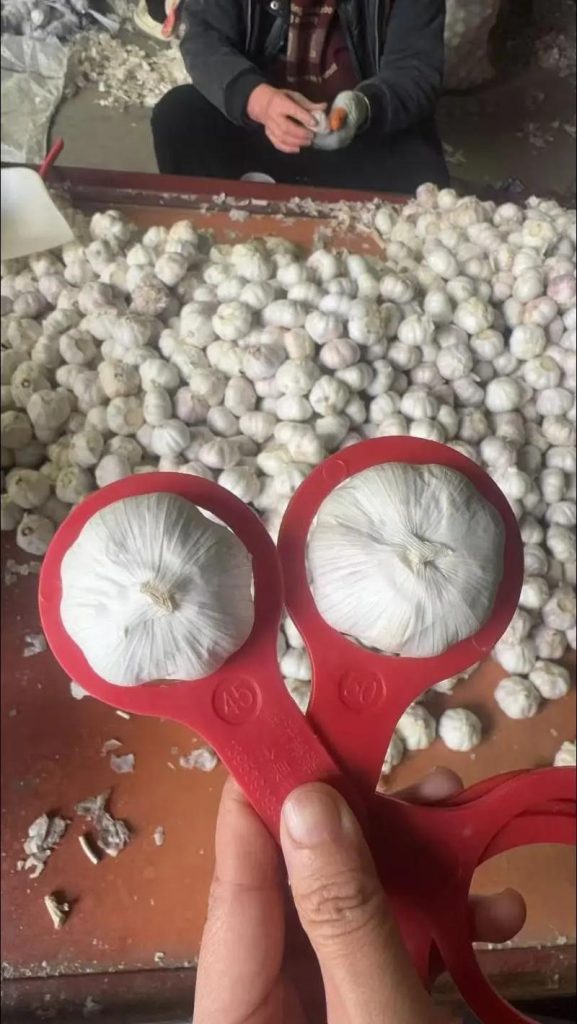
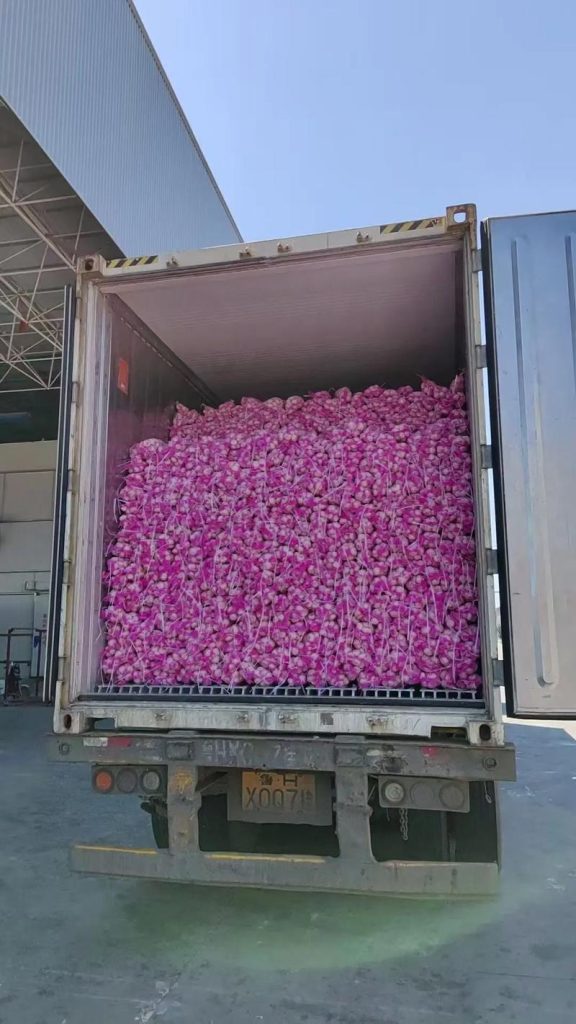
This authoritative guide provides international importers, distributors, and food processors with a professional framework for sourcing garlic from China. It covers critical aspects of supplier identification, quality verification, supply chain management, and risk mitigation specific to the agricultural sector. Crafted to be a self-sufficient resource based on E-E-A-T principles, it offers original, actionable insights, uses icons for key concepts, and concludes with a targeted FAQ to address common procurement challenges.
Introduction to China’s Garlic Supply Landscape
China is the world’s leading producer and exporter of garlic, supplying a vast spectrum of global markets with varieties ranging from the common white bulb to prized purple and solo garlic. For international buyers, navigating this complex agricultural supply chain requires specialized knowledge that goes beyond simple price comparison. Success hinges on understanding the distinct growing regions, seasonal cycles, processing standards, and the critical differentiators between a commodity trader and a vertically integrated, quality-focused supplier. This guide provides a systematic approach to building a secure, transparent, and profitable sourcing channel for Chinese garlic, transforming a basic procurement activity into a strategic supply chain advantage.
[Icon: Farm] Understanding the agricultural foundation is the first step in building a reliable garlic supply chain.
A Methodical Approach to Supplier Identification and Assessment
The garlic market includes a wide range of operators, from small-scale consolidators to large-scale entities controlling operations from planting to export. Discerning the right partner is paramount.
1. Understanding Supplier Types and Specializations
-
Grower-Exporter Cooperatives: Common in core producing regions like Jinxiang (Shandong) or Dafeng (Jiangsu), these entities aggregate harvest from member farms. They can offer traceability to specific growing areas, which is valuable for quality consistency. Look for cooperatives with integrated processing facilities. [Icon: Group] Cooperatives offer scale and regional specialization but require verification of their internal quality control across members.
-
Integrated Agro-Processors: These are often the most reliable partners for high-volume, consistent buyers. They manage or contract large planting bases, operate modern processing plants (for peeling, sorting, grading), and have controlled drying and cold storage facilities. Their key advantage is control over the entire post-harvest process. [Icon: Factory] Integrated processors provide the highest level of quality control and supply chain traceability.
-
Specialized Exporters: They may not own farms or large factories but focus on specific market niches, such as organic garlic, black garlic, or peeled garlic for industrial food service. Their value lies in market expertise and stringent quality sorting for specialized client needs. [Icon: Niche] Niche exporters excel in meeting specific technical or certification requirements.
2. The Multi-Pillar Verification Process
Verifying a garlic supplier requires checks that are specific to perishable agricultural products.
-
Site and Capacity Verification: Beyond a business license, insist on evidence of physical assets. Request a live virtual tour of their cold storage facilities, processing lines, and packing stations. For quality-focused suppliers, ask to see their internal laboratory for testing moisture content, sugar content, and pest inspection. The scale and modernity of cold storage are direct indicators of their ability to handle and preserve garlic year-round. [Icon: Warehouse] Cold storage capacity and technology are non-negotiable for quality preservation.
-
Quality Management and Certification Audit: Request detailed documentation of their Quality Control (QC) protocols. Do they conduct pesticide residue (e.g., for Cadmium, Lead, pesticide overlimits) testing on every batch? What are their internal standards for sizing, spotting, and root plate trimming? Valid certifications are crucial: GLOBALG.A.P. for agricultural practices, HACCP/ISO 22000 for food safety management, and specific market certifications like USDA Organic or EU Organic. Always ask for the certificate number and verify its status online. [Icon: Certificate] Authentic, verifiable certifications are the bedrock of food safety assurance.
Managing the End-to-End Sourcing Workflow
From specification to shipment, each step must be meticulously managed to ensure the delivered product matches the contract and sample.
Step 1: Defining Precise Product Specifications
Ambiguity leads to disputes. Your purchase contract must specify, in detail:
-
Variety and Origin: e.g., “Jinxiang White Garlic, 5.5cm+”
-
Grade and Quality Standards: Reference international (e.g., Codex Alimentarius) or clear custom specs: Minimum bulb diameter, permissible levels of staining/bruising, root plate trim length, stem length, and maximum moisture content (typically below 65% for fresh garlic).
-
Processing Requirements: Specify the level: Air-dried and cleaned only? Fully peeled? Vacuum-packed? Individually Quick Frozen (IQF)?
-
Packing Specifications: Inner packaging (mesh bag weight, e.g., 500g, 1kg), outer carton details (strength, labeling), and palletization (food-grade pallets, strapping).
-
Chemical Residue Limits: Explicitly state the Maximum Residue Limits (MRLs) and the required test report from a recognized lab (e.g., SGS, Eurofins). [Icon: Checklist] A granular specification sheet is the primary tool for aligning expectations and conducting inspections.
Step 2: The Critical Pre-Shipment Inspection (PSI) for Garlic
Given the perishable and variable nature of agricultural products, a rigorous PSI is essential. Hire a professional, independent third-party inspection company. The inspection should cover:
-
Representative Sampling: Inspectors should randomly select samples from finished, sealed cartons in the cold storage facility ready for shipment, not from pre-set “show” samples.
-
Full Specification Check: Verifying against all points in your specification sheet—size, appearance, packaging, labeling.
-
Laboratory Testing: Witnessing the drawing of samples for necessary lab tests (if not already provided with valid reports). [Icon: Inspector] An independent PSI is your final and most important financial safeguard before payment and shipment.
Step 3: Logistics and Post-Harvest Physiology
Garrot is a living product. Its physiology must be managed during logistics.
-
Cold Chain Integrity: For fresh garlic, maintaining an unbroken cold chain (typically 0°C to -3°C) from the supplier’s cold storage to the destination port is critical to prevent sprouting, mold, and dehydration. Confirm the supplier’s loading procedures and the refrigerated container’s (“reefer”) set point before departure. [Icon: Snowflake] Unbroken cold chain management is the single biggest factor in preserving garlic quality during transit.
-
Seasonality and Planning: Garlic is harvested once a year (primarily May-July). Prices and quality are most favorable just after the harvest. Strategic buyers plan their annual procurement and secure cold storage space in advance. Relying on spot purchases outside the harvest season carries higher cost and quality risks. [Icon: Calendar] Aligning your procurement cycle with the harvest season is a core strategic advantage.
Key Risk Mitigation Strategies for Garlic Importers
-
Quality Degradation Risk: Mitigate this by specifying and testing for moisture content and sugar content. Garlic with high moisture is prone to rotting; garlic stored too long or in poor conditions loses sugars, affecting flavor. Contractual penalties for failure to meet these specs are a strong deterrent. [Icon: Risk] Proactive specification of biochemical parameters mitigates the most common quality failure.
-
Supply and Price Volatility Risk: Build a relationship with a supplier who has substantial controlled storage capacity. Consider forward contracts or framework agreements to lock in price and quality for a portion of your annual needs post-harvest. Diversifying your approved supplier list for non-critical volume is also prudent. [Icon: Graph] Strategic sourcing relationships buffer against market volatility.
FAQ: Essential Questions for Importing Garlic from China
Q1: What are the main garlic varieties from China, and how do I choose?
A: The primary varieties are: 1) Jinxiang White Garlic: The most famous export variety, known for its large, bright white bulbs, tight cloves, and strong, pungent flavor. 2) Purple/Garlic: Characterized by purple-red skin, it often has a slightly milder, more complex flavor and higher allicin content. 3) Solo Garlic (Single Clove): A niche product where the bulb forms a single, large clove; it is easier to peel and commands a premium. Choice depends on your market’s preference: Jinxiang for general retail, Purple for health-focused or gourmet markets, and Solo for convenience-focused segments.
Q2: How is garlic quality graded, and what do specifications like “5.5cm+” mean?
A: Garlic is primarily graded by the minimum diameter of the bulb. “5.5cm+” means every bulb in the lot must be 5.5 centimeters or larger in its widest part. Higher grades (e.g., 6.0cm+, 6.5cm+) command higher prices. Other grading factors include: uniformity of size, cleanliness of the outer skin, integrity of the root plate, stem length, and the absence of mold, sprouting, or pest damage. Your specification sheet must define the acceptable tolerance for each of these factors.
Q3: What are the essential food safety tests and certifications I must request?
A: You must request a Pesticide Residue Analysis Report from an accredited lab (e.g., SGS, Eurofins) for the specific shipment batch, testing for key contaminants relevant to your destination market. For the EU, this includes Cadmium and specific pesticides. For the US, FDA regulations apply. Additionally, certifications like HACCP (for the processing plant) and GLOBALG.A.P. (for the farm) are strong indicators of a systematic approach to food safety. Always verify certificates are current and valid.
Q4: What is the standard packaging for export, and how does it affect shelf life?
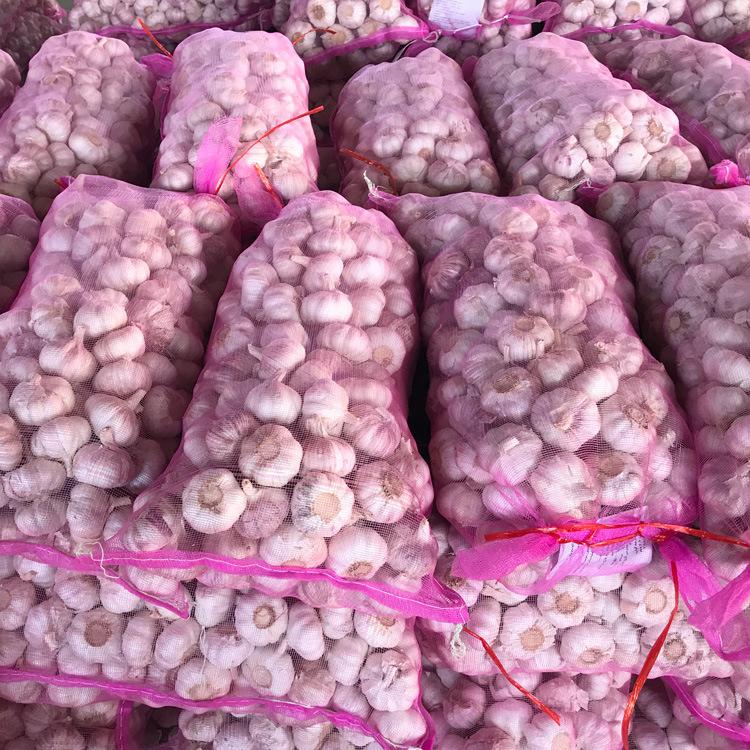
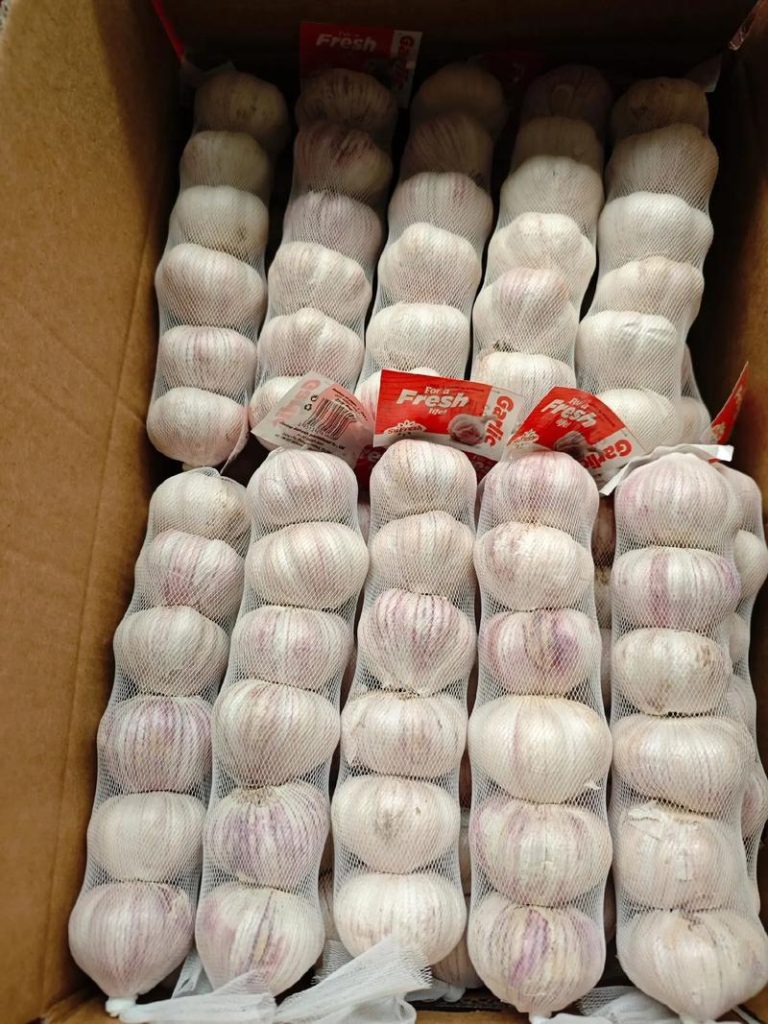
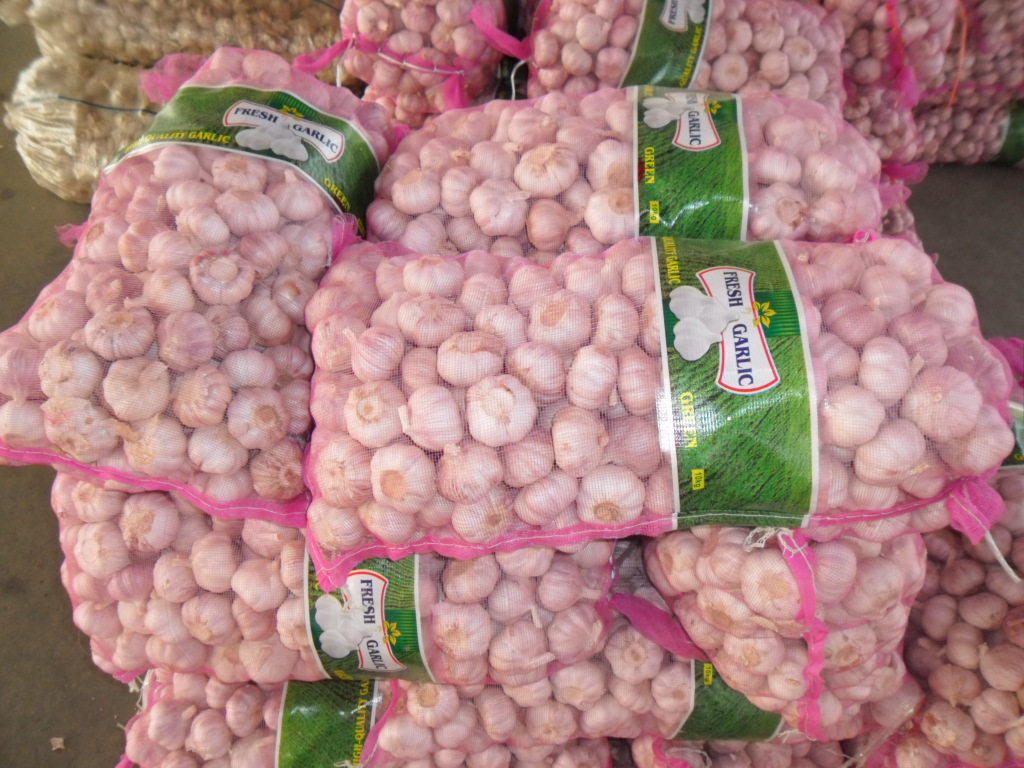
A: Common retail-ready packaging is 500g or 1kg red mesh bags, packed in 10kg master cartons. For industrial use, 10kg or 20kg woven PP bags or cartons are common. The most critical factor for shelf life is the pre-shipment cold storage and the integrity of the refrigerated container (reefer) during transit. Proper packaging protects against physical damage, but only a maintained cold chain (near 0°C) suppresses sprouting and rot. Ensure your supplier stores and loads the garlic from a chilled environment.
Q5: How do I handle quality disputes upon arrival at my port?
A: Prevention is key. A robust contract with clear specifications, supported by an independent Pre-Shipment Inspection (PSI) report and a valid lab test report, provides a clear legal basis. Upon arrival, if a discrepancy is suspected, immediately engage an independent surveyor at the destination port to conduct an inspection and file a report. Compare this with the PSI report. The PSI report, if conducted correctly, is your strongest evidence in any claim against the supplier or for an insurance claim.
Conclusion: Building a Secure and Transparent Garlic Supply Chain
Sourcing garlic from China profitably and reliably is a specialized discipline that blends agricultural knowledge with rigorous supply chain management. It requires moving beyond price-centric negotiations to partner with suppliers who demonstrate transparency, control over their production and processing, and a commitment to verifiable food safety standards. By implementing the systematic approach outlined in this guide—from conducting asset-based supplier verification and defining crystalline specifications to enforcing independent inspections and managing the cold chain—you build a resilient supply channel. This diligence transforms your garlic import operation from a volatile commodity purchase into a stable, quality-assured component of your business, protecting your brand reputation and ensuring long-term customer satisfaction.
[Icon: Secure Link] The ultimate goal is to establish a traceable, transparent, and trustworthy supply partnership that delivers consistent quality, ensuring the integrity of your product from the field in China to the end consumer.


No reply content