1. Why should I source kitchen furniture from China instead of Vietnam or Malaysia?
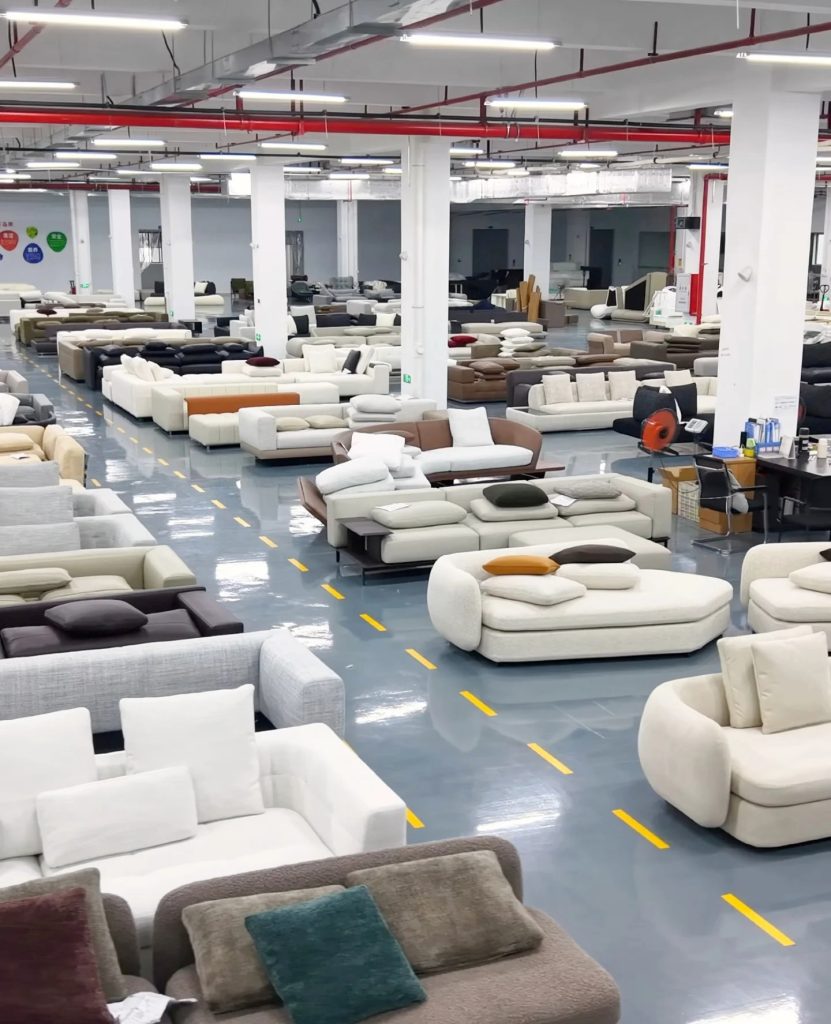
While Southeast Asia offers competitive labor costs, China remains the superior choice for kitchen furniture due to its industrial completeness. China dominates the supply chain for hardware (hinges, slides), surface materials (quartz, laminate), and advanced machinery. For a project requiring integrated solutions—like a full kitchen set with smart storage systems—Chinese factories in cities like Foshan offer a “one-stop shop” capability that is harder to find elsewhere.
2. Which regions in China specialize in kitchen furniture?
Location dictates specialization. You shouldn’t look for high-end cabinets in a random industrial zone.
-
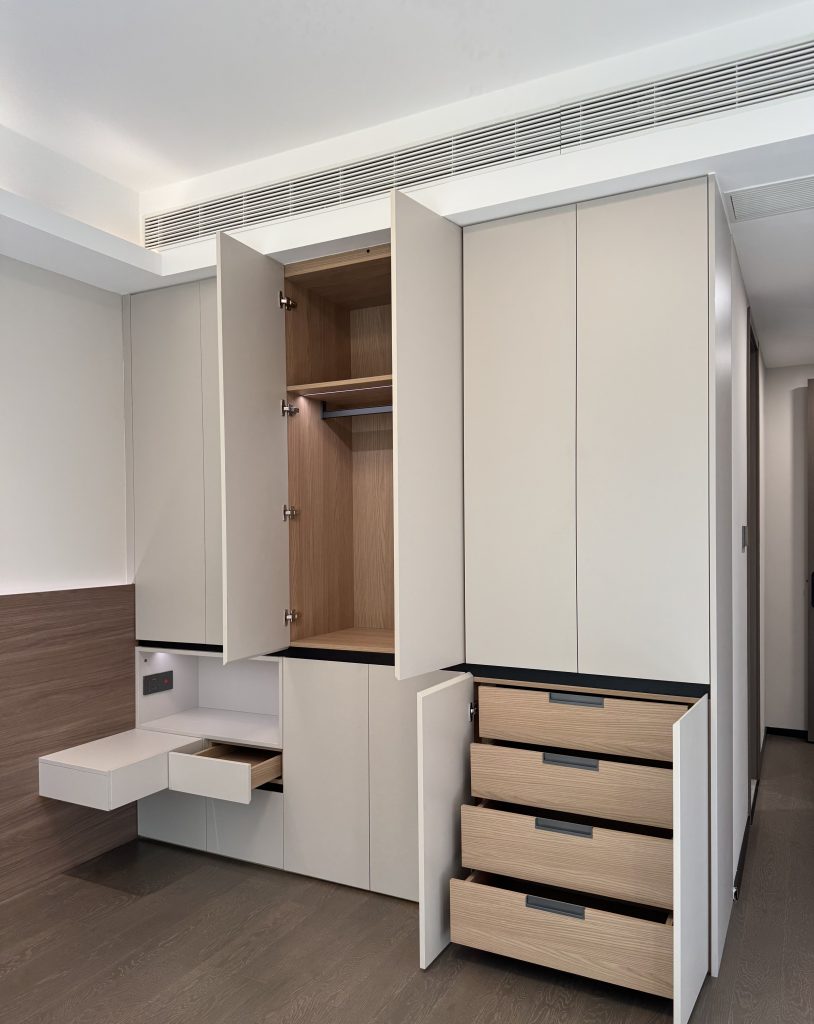
Foshan (Guangdong): The capital of high-end, modern kitchen cabinetry and wardrobes. Known for excellent lacquer finishes and integration with appliances.
-
Hangzhou & Jiaxing (Zhejiang): Famous for “whole-house customization” and solid wood/panel furniture with intricate detailing.
-
Qingdao (Shandong): The hub for RTA (Ready-to-Assemble) furniture and flat-pack kitchen solutions, often catering to the IKEA-style market.
-
Chengdu (Sichuan): Emerging as a cost-effective alternative for mid-range panel furniture with lower logistics costs for Western China routes.
3. What are the typical materials used, and which is best for humid climates?
Material selection is critical for durability.
-
Plywood (Marine Grade): The gold standard for humid areas (e.g., Florida, tropical regions). It resists warping better than MDF.
-
MDF (Medium Density Fiberboard): Offers the smoothest surface for painting and veneers. Ideal for modern, glossy kitchens but must be moisture-resistant (MR-MDF).
-
Particleboard: Common in budget RTA furniture. Ensure it meets CARB P2 or E0 standards for formaldehyde emissions.
-
Solid Wood (Oak, Maple, Rubberwood): Used for face frames and doors. Rubberwood is a sustainable, cost-effective option widely grown in Southern China.
4. How does the “Customization” process work with Chinese manufacturers?
Unlike buying off-the-shelf, Chinese suppliers usually operate on a “Project Basis.”
-
Shop Drawings: You provide rough dimensions; their engineers create detailed CAD drawings (Shop Drawings) for your approval.
-
Material Swatches: They will send physical samples of the door styles, countertop edges, and hardware so you can verify touch and color.
-
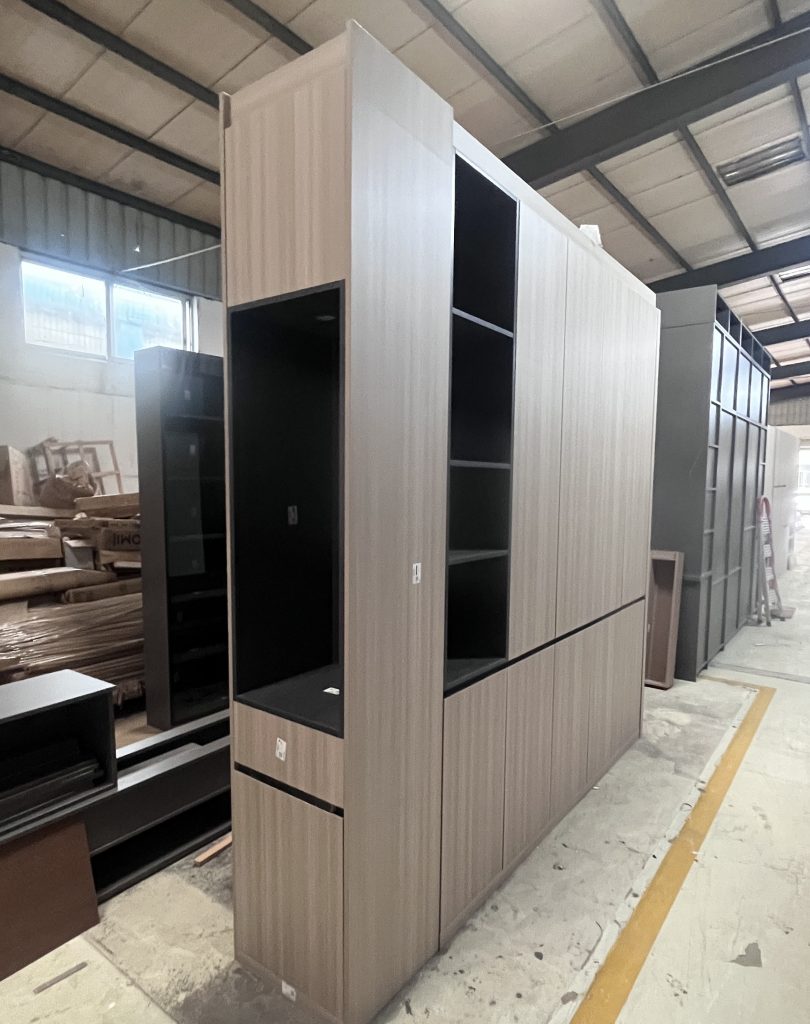
Modular vs. Fully Custom: Most factories use a “modular system” where they build standard cabinets but cut the fillers and panels to fit your specific wall measurements.
5. What is the standard lead time for a container of kitchen cabinets?
Kitchen furniture is complex and takes longer than sofas or tables.
-
Sampling: 15–25 days (crucial for checking finish quality).
-
Production: 35–50 days after drawing confirmation.
-
Shipping: Add transit time (e.g., 30 days to US West Coast).
-
Note: Unlike Christmas decor, kitchen furniture is non-seasonal, but ordering 3-4 months before your launch date is safe practice.
6. How do I handle the “Flat-Pack” (RTA) packaging to avoid damage?
Kitchen cabinets are heavy. Poor packaging leads to chipped corners.
-
Corner Protection: Insist on thick styrofoam or honeycomb cardboard corners.
-
Palletizing: For LCL (Less than Container Load) shipments, individual cartons must be shrink-wrapped onto pallets to prevent crushing.
-
Hardware Bags: Ensure hardware (screws, hinges) are bagged separately and taped securely inside the cabinet carcass, not loose in the box.
7. What certifications are mandatory for kitchen furniture?
Since kitchens involve food proximity and indoor air quality:
-
CARB ATCM Phase II / EPA TSCA Title VI: Mandatory for the US market to regulate formaldehyde.
-
FSC (Forest Stewardship Council): Required if you are marketing “Eco-Friendly” or “Sustainable Wood.”
-
CE Marking: For the European market, ensuring structural safety and stability.
8. Can Chinese suppliers provide installation guides or hardware?
Yes. Professional suppliers provide “Exploded View” diagrams—detailed instructions showing how every screw and panel fits. They also tend to standardize hardware (e.g., using Blum, Hettich, or DTC clones). If you need specific soft-close hinges or drawer slides, specify the brand and load capacity (e.g., 40kg dynamic load) in the contract.
9. What are the payment terms for large-scale kitchen projects?
Due to the high material cost (plywood/stone), payment terms are stricter than for small goods.
-
Deposit: Usually 30%–50% upfront to purchase raw materials (especially stone slabs or imported veneers).
-
Balance: 50%–70% before loading the container.
-
Tip: Use a third-party inspection service (like SGS or Intertek) to verify the goods are 100% complete and packed before releasing the final payment.
10. How do I deal with after-sales issues, like missing panels?
Missing parts are the biggest headache. To mitigate this:
-
Spare Parts Clause: Negotiate including 1%-2% spare parts (extra handles, touch-up pens, spare shelf pins) in the shipment.
-
Clear Labeling: Ensure every panel has a sticker with the room name and item number corresponding to the packing list. This makes identifying a missing part much easier than guessing based on a generic photo.


No reply content