
China Umbrella Customization Factory
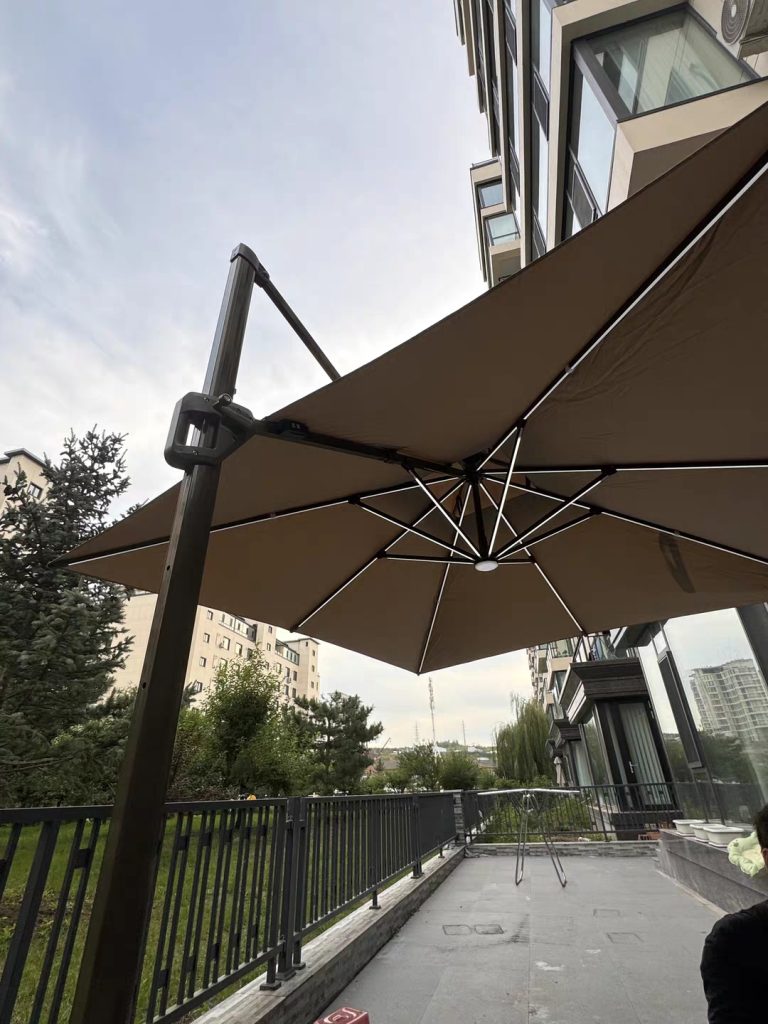
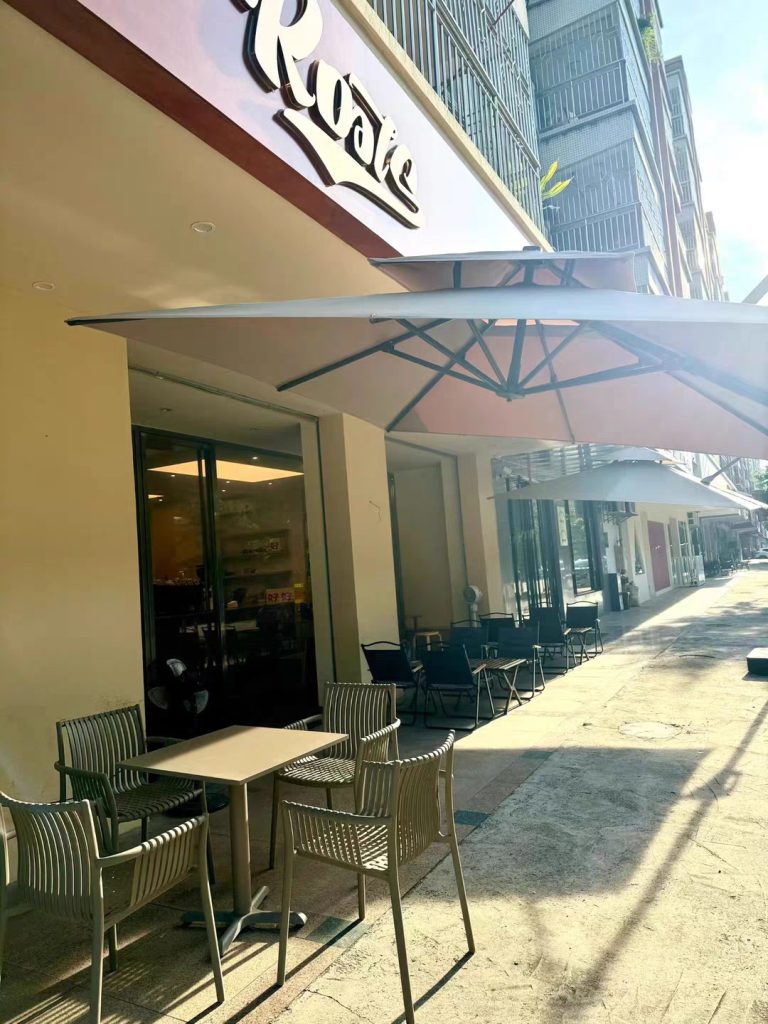
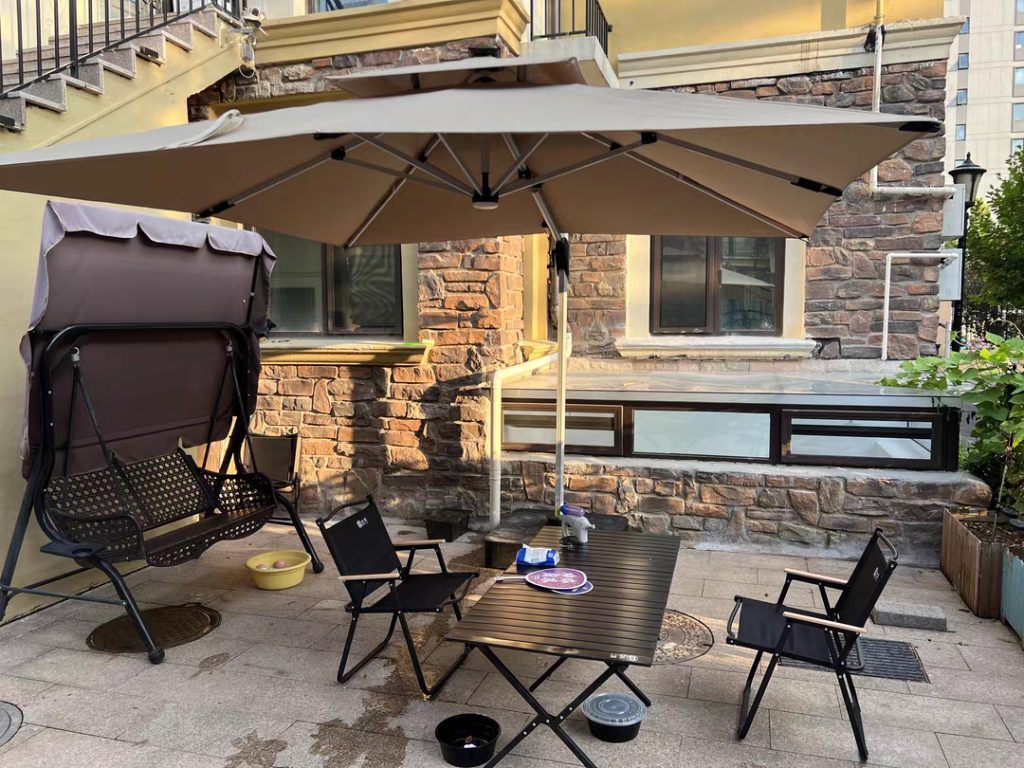
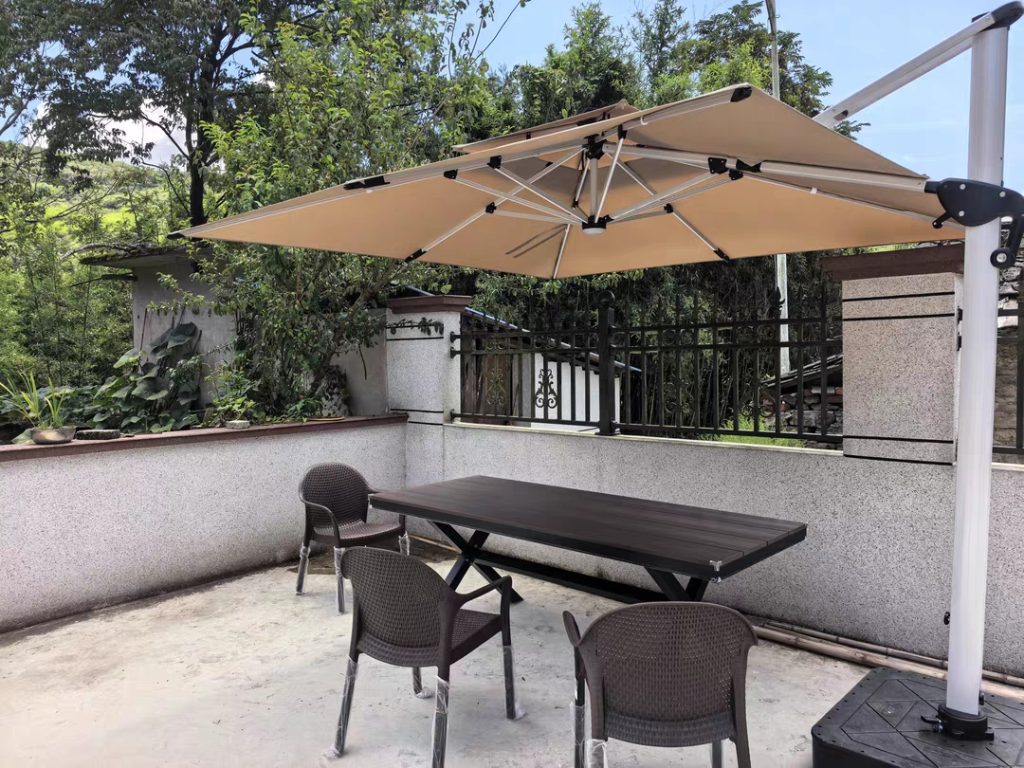
In the global outdoor living industry, outdoor umbrellas have evolved from simple shade providers to essential elements of commercial and residential spaces—think resort patios, urban balconies, beachfront cafes, and backyard gardens. For businesses seeking high-quality, cost-effective solutions, China stands as the undisputed hub for outdoor umbrella manufacturing. With decades of specialization, advanced production capabilities, and a mature supply chain, Chinese suppliers offer unparalleled advantages in customization, scalability, and value. This guide dives deep into the strategic process of sourcing outdoor umbrellas from China, covering everything from market dynamics to supplier partnerships—designed to empower buyers with actionable insights, free from generic online templates.
1. The Strategic Advantage: Why China Leads Outdoor Umbrella Manufacturing
China’s dominance in outdoor umbrella production is no accident. It stems from a unique blend of industrial heritage, geographic clustering, and adaptive innovation—factors that collectively create a manufacturing ecosystem tailored to global buyer needs.
A. Industrial Specialization and Geographic Clusters
Unlike fragmented production in other regions, China’s outdoor umbrella manufacturing is concentrated in specialized industrial zones, each with distinct strengths:
-
Zhejiang Province (e.g., Yiwu, Hangzhou): Known as the “World’s Umbrella Capital,” this region excels in mass production of standard and mid-range models. Factories here prioritize efficiency, with vertically integrated supply chains (fabric mills, frame workshops, and assembly lines within 50km) that minimize lead times.
-
Guangdong Province (e.g., Shenzhen, Dongguan): A tech-driven hub for smart and high-end outdoor umbrellas. Proximity to electronics and advanced material suppliers enables innovations like solar-powered LED-lit canopies, wind sensors, and app-controlled tilt mechanisms.
-
Fujian Province (e.g., Xiamen, Quanzhou): Specializes in luxury and commercial-grade umbrellas, with a focus on durability testing (e.g., wind resistance up to 120 km/h) and premium materials like marine-grade aluminum frames and solution-dyed acrylic fabrics.
These clusters foster collaboration: a Zhejiang factory might source high-tech components from Shenzhen or luxury fabrics from Fujian, creating a network that balances cost, quality, and innovation.
B. Engineering Excellence for Outdoor Performance
Outdoor umbrellas face unique challenges—intense UV exposure, heavy winds, and prolonged moisture—requiring specialized engineering. Chinese manufacturers have mastered these demands:
-
UV Resistance: Fabrics are treated with UV-blocking coatings (e.g., polyurethane or silicone) that maintain effectiveness for 3–5 years, with UPF 50+ ratings (blocking 98% of harmful rays) as standard.
-
Windproof Designs: Frames use reinforced ribs (8–12 ribs for large models) and vented canopies to reduce wind resistance. Some factories even employ wind tunnel testing to validate structural integrity.
-
Material Innovation: Beyond traditional polyester, suppliers offer eco-friendly options like recycled PET (made from ocean plastics), bamboo handles, and aluminum alloys that resist corrosion.
C. Scalability and Customization at Low MOQs
Whether you need 100 units for a boutique hotel or 10,000 for a retail chain, Chinese suppliers adapt seamlessly. Advances in flexible manufacturing allow minimum order quantities (MOQs) as low as 50–100 units for custom designs—a stark contrast to the 1,000+ unit MOQs common in other manufacturing hubs. This agility is powered by modular production lines, where components (frames, canopies, hardware) are pre-fabricated and assembled per order.
2. Pre-Sourcing: Defining Your Needs and Market Position
Successful sourcing begins with clarity. Before contacting suppliers, buyers must align product specifications with target market demands and brand identity.
A. Segmenting by Application and User Needs
Outdoor umbrellas serve diverse use cases, each requiring tailored features:
-
Commercial Spaces (Resorts, Restaurants): Prioritize durability (heavy-duty frames, fade-resistant fabrics) and aesthetics (matching brand colors, custom logos). Size ranges from 8–13 ft diameters for group seating.
-
Residential Use (Backyards, Balconies): Focus on portability (lightweight aluminum frames), ease of operation (auto-tilt, crank lift), and style (patterns, finishes like matte black or wood grain).
-
Specialty Niches (Beaches, Golf Courses): Require ultra-lightweight materials (for beach transport) or oversized coverage (golf umbrellas with 62+ inch diameters).
B. Setting Technical Specifications
Detail-oriented buyers avoid costly revisions by defining clear parameters upfront:
-
Fabric: Specify type (acrylic, polyester, recycled PET), weight (e.g., 250–300 gsm for durability), and finish (PU coating for water resistance).
-
Frame: Choose material (aluminum for lightness, steel for strength, carbon fiber for premium models) and rib count (6–12 ribs depending on size).
-
Mechanism: Opt for manual (crank lift), semi-auto (push-button open), or fully auto (remote-controlled) operation.
-
Additional Features: LED lighting, solar panels, wind vents, or integrated side curtains.
C. Budgeting for Total Landed Cost
Beyond unit price, factor in hidden costs:
-
Tooling Fees: One-time charges for custom molds (e.g., unique frame shapes or logo engravings), typically $200–$1,000.
-
Shipping: Sea freight (most cost-effective for bulk: $1,500–$3,000 per 20ft container) vs. air freight (urgent orders: 3–5x sea cost).
-
Duties and Taxes: Vary by destination (e.g., 5–8% in the U.S., 12–15% in the EU).
-
Inspection: Third-party QC (e.g., SGS, Intertek) costs 1–3% of order value.
3. Finding the Right Supplier: Types, Evaluation, and Red Flags
China’s supplier landscape is vast—ranging from small family workshops to large export-oriented factories. Identifying the right partner requires understanding supplier types and applying rigorous evaluation criteria.
A. Supplier Categories
-
Factory Direct: Large manufacturers (500+ employees) with in-house R&D, production, and QC. Ideal for bulk orders and complex customizations. Examples include Hangzhou-based patio umbrella specialists or Shenzhen smart umbrella startups.
-
Trading Companies: Middlemen aggregating products from multiple factories. Offer convenience (single point of contact) but add 10–20% markup. Best for buyers with limited time or small orders.
-
Boutique Workshops: Small, family-run operations (10–50 employees) focused on niche markets (e.g., luxury handcrafted umbrellas). Excel in customization but may lack scalability.
B. Evaluating Suppliers: Key Metrics
-
Capacity: Check production volume (can they meet your timeline?) and equipment (CNC machines for precision, automated sewing for consistency).
-
Experience: Request case studies of past projects (e.g., “Have you supplied umbrellas to European resorts?”). Look for repeat clients—loyalty indicates reliability.
-
Certifications: Prioritize ISO 9001 (quality management), BSCI (ethical labor), and material-specific certifications (e.g., OEKO-TEX for fabrics).
-
Communication: Assess responsiveness (reply time to emails), language proficiency (English-speaking sales reps), and transparency (willingness to share factory videos or visit arrangements).
C. Avoiding Red Flags
-
Unrealistically Low Prices: If a quote is 30% below market average, expect compromises in material quality or hidden fees.
-
Reluctance to Share Samples: Reputable suppliers provide pre-production samples (paid or free) for approval.
-
No Physical Address or Registration: Verify business licenses via China’s AIC (Administration for Industry and Commerce) database.
4. The Procurement Process: From Inquiry to Delivery
A structured workflow minimizes errors and ensures alignment with supplier capabilities.
A. Initial Inquiry and Quotation
Send a detailed RFQ (Request for Quotation) including:
-
Product specs (size, material, features).
-
Order quantity (with MOQ confirmation).
-
Packaging requirements (individual boxes, bulk pallets).
-
Target delivery date.
Suppliers typically respond within 3–5 business days with a pro forma invoice (PI) outlining unit price, payment terms (e.g., 30% deposit, 70% before shipment), and lead time.
B. Sample Approval and Contract Signing
-
Request Samples: Pay for pre-production samples ($50–$200) to test quality. Evaluate fabric softness, frame sturdiness, and mechanism smoothness.
-
Revise if Needed: Provide feedback (e.g., “Stitching is uneven—please adjust”). Factories usually offer 2–3 revision rounds.
-
Sign a Contract: Include all agreed terms (price, quantity, delivery date, QC standards, penalty clauses for delays). Hire a local lawyer to review if possible.
C. Production Monitoring and Quality Control
-
Pre-Production Inspection: Verify raw materials (fabric roll numbers, frame alloy grades) match approved samples.
-
In-Process Checks: For large orders, hire a QC agent to inspect work-in-progress (e.g., frame welding, canopy stitching).
-
Pre-Shipment Inspection (PSI): Mandatory for most buyers. Inspectors sample 5–10% of the order for defects (broken ribs, faded fabric, faulty mechanisms). Use AQL 2.5 (general) or AQL 1.5 (luxury) standards.
D. Logistics and Customs Clearance
-
Shipping Method: Sea freight for bulk (20–40 day transit), air for urgent orders (3–7 days). Use a freight forwarder to handle documentation (bill of lading, commercial invoice).
-
Customs: Ensure compliance with destination regulations (e.g., CPSIA in the U.S., REACH in the EU). Provide HS codes (e.g., 6601.10 for patio umbrellas) to avoid delays.
5. Overcoming Challenges: Language, Culture, and Risk Mitigation
Sourcing from China presents unique hurdles, but proactive strategies turn them into manageable steps.
A. Bridging Communication Gaps
-
Hire a Sourcing Agent: Bilingual agents (common in Yiwu or Shenzhen) handle negotiations, QC, and logistics for a fee (5–10% of order value).
-
Use Visual Tools: Share CAD drawings, 3D renderings, or reference photos to avoid misinterpretation.
-
Regular Updates: Schedule weekly calls with suppliers to track progress.
B. Protecting Intellectual Property (IP)
-
Sign NDAs: Non-disclosure agreements prevent suppliers from copying your designs.
-
Register Patents: File for design patents in China and your target market.
-
Avoid Over-Sharing: Only provide final designs after signing an NDA.
C. Managing Supply Chain Risks
-
Diversify Suppliers: Work with 2–3 factories to avoid single-point failures.
-
Plan for Delays: Add 2–4 weeks to lead times to account for holidays (e.g., Chinese New Year) or material shortages.
-
Insure Shipments: Cover cargo against loss/damage with marine insurance.
6. Future Trends: Sustainability, Smart Tech, and Hyper-Personalization
The outdoor umbrella market is evolving, and Chinese suppliers are at the forefront of innovation.
A. Sustainable Manufacturing
-
Eco-Friendly Materials: Recycled PET canopies, bamboo handles, and biodegradable packaging.
-
Circular Models: Take-back programs where old umbrellas are refurbished or recycled.
-
Carbon Neutrality: Some factories offset emissions via reforestation or renewable energy.
B. Smart Umbrellas 2.0
-
IoT Integration: Sensors that sync with weather apps to auto-close during storms.
-
Energy Harvesting: Solar panels powering built-in LED lights or phone chargers.
-
Durability Tech: Self-healing fabrics (nanocoatings that repair minor tears) and anti-corrosion frame treatments.
C. Hyper-Personalization
-
On-Demand Customization: 3D printing for unique frame designs, with MOQs as low as 20 units.
-
AI Design Tools: Suppliers use generative AI to create custom patterns based on brand colors or themes.
-
Co-Creation Platforms: Buyers collaborate with designers via cloud-based portals to tweak details in real time.
Conclusion: China as a Strategic Sourcing Partner
Sourcing outdoor umbrellas from China is a journey of strategic alignment—matching your brand’s needs with a manufacturing ecosystem built for innovation, scale, and value. By understanding supplier types, setting clear specs, and prioritizing quality control, buyers can unlock a world of possibilities: from budget-friendly commercial models to luxury smart umbrellas that redefine outdoor living.
The key to success lies in partnership: treat suppliers as collaborators, not just vendors. Regular communication, mutual respect, and a focus on long-term goals will turn a one-time order into a lasting relationship—ensuring your business stays ahead in the competitive outdoor market.
For those ready to take the leap, China’s umbrella factories are waiting—not just to make products, but to bring your vision of shade, style, and comfort to life.


No reply content