
Gannan Navel Orange Orchard China
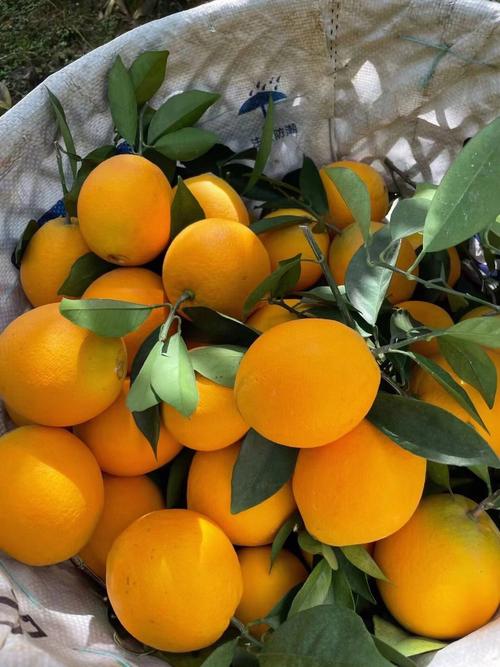
Looking for reliable Chinese navel oranges suppliers? Explore our guide to certifications, cold chain logistics, and sustainable farming practices to streamline your import process.
—
Introduction
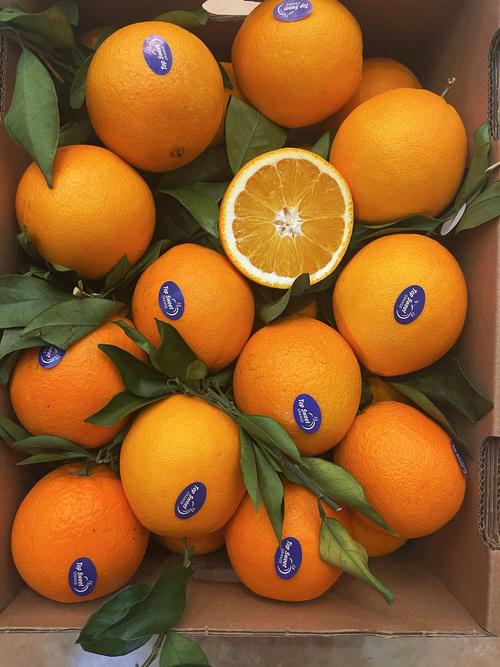
China’s navel orange industry has become a cornerstone of global citrus trade, combining high yields with exceptional quality. As a leading Chinese navel oranges supplier, we provide certified, fresh, and customizable export solutions tailored to meet the demands of retailers, distributors, and food brands worldwide. In this guide, we break down everything you need to know about sourcing Chinese navel oranges, from certifications to logistics.
—
What Makes Chinese Navel Oranges Stand Out?
1. Unmatched Quality Standards
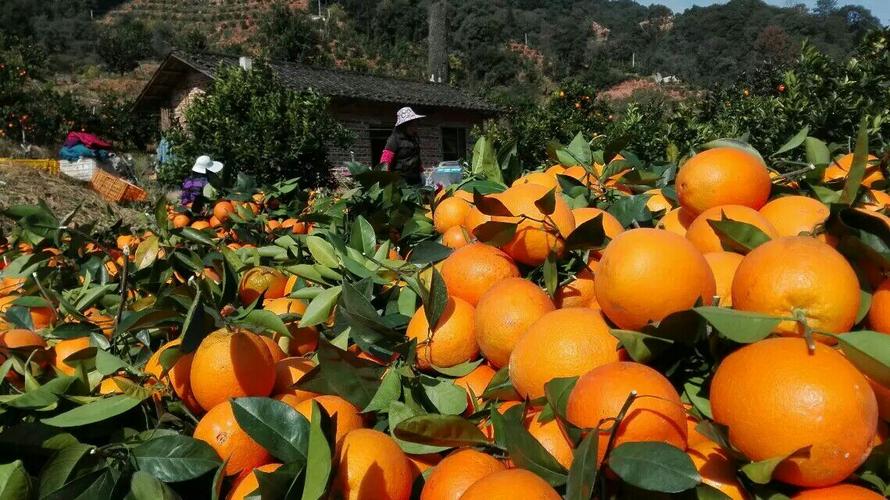
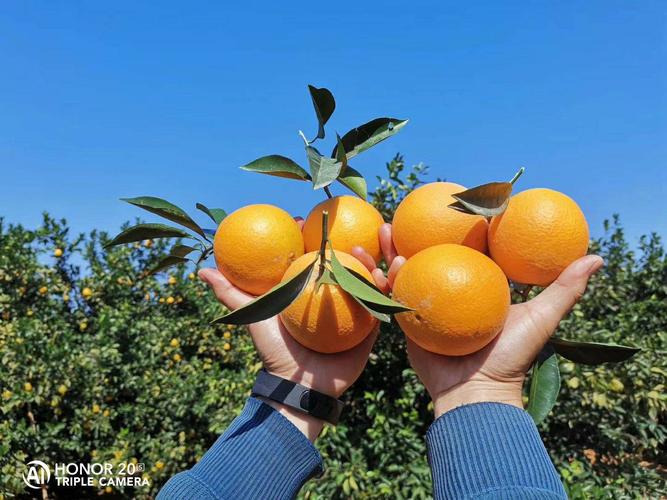
Grown in regions like Jiangxi and Hubei, Chinese navel oranges are prized for their juiciness, seedless flesh, and vibrant color. Our premium navel oranges undergo rigorous quality checks to meet international size, sugar content, and texture benchmarks.
2. Consistent Supply Year-Round
Advanced storage technologies and staggered harvesting schedules ensure steady supply, even during peak global demand periods.
3. Sustainability-Driven Farming
We prioritize eco-friendly practices, including water-efficient irrigation and reduced chemical pesticide use, to align with global sustainability goals.
—
Essential Certifications for International Compliance
To ensure smooth customs clearance and market access, our navel oranges are certified for:
– GlobalG.A.P.: Covers safe farming practices, worker welfare, and traceability.
– HACCP & ISO 22000: Validates food safety protocols from farm to export.
– EU & FDA Compliance: Approved for import to Europe, North America, and other regions.
—
End-to-End Export Solutions
1. Cold Chain Logistics
– Pre-cooling facilities and refrigerated containers maintain freshness during transit.
– Real-time GPS tracking for temperature-sensitive shipments.
2. Custom Packaging Options
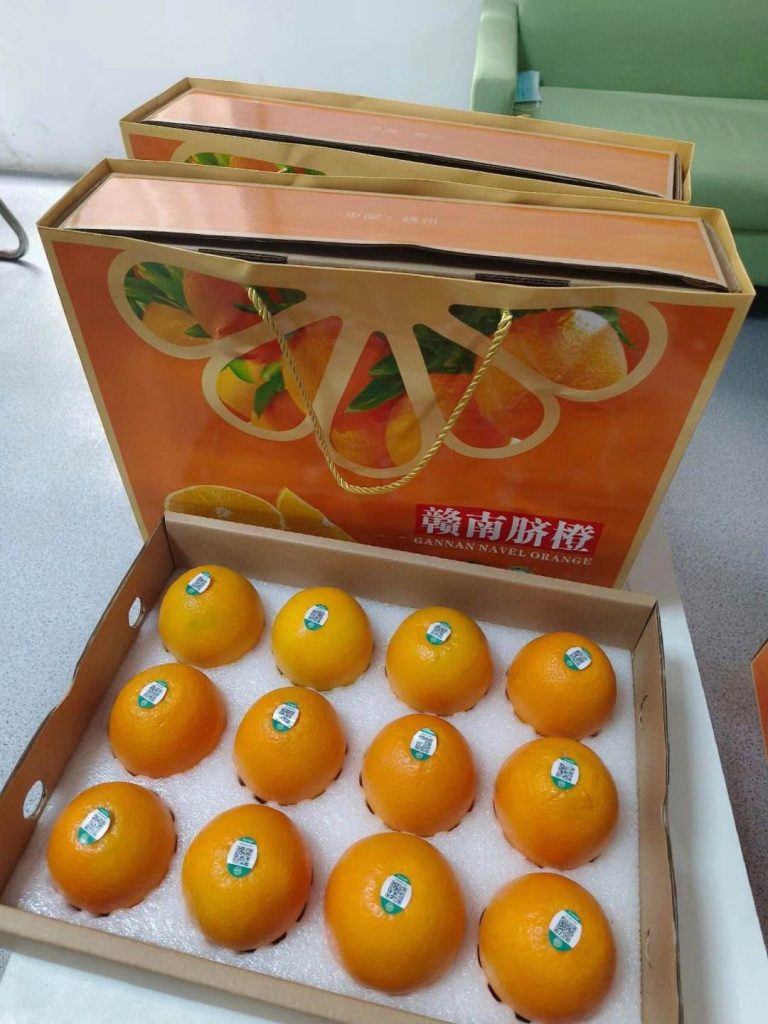
– Neutral or branded packaging (cartons, pallets, bulk).
– Compliance with target market labeling requirements (nutrition labels, barcodes).
3. Trade Compliance Assistance
– Phytosanitary certificates, origin documents, and customs brokerage support.
– Market-specific guidelines for the Middle East, Asia, and the Americas.
—


No reply content