
Garlic is one of the most essential ingredients in global culinary traditions, food manufacturing, and pharmaceutical applications. However, securing a stable supply of high-quality garlic requires understanding the market, quality metrics, and international logistics.
Whether you are a food processor, distributor, or retail buyer, choosing the right garlic supplier is critical to ensuring product freshness, competitive pricing, and uninterrupted supply chains.
What to Consider When Selecting a Garlic Supplier
1. Garlic Variety and Size Specifications
Garlic comes in various species and size grading systems. Understanding these options ensures you get the exact product required for your end-use:
- Varieties: Normal White Garlic (red/purple stripes) vs. Pure White Garlic (snow white), as well as Single Clove Garlic (Solo garlic).
- Size Grading: Ranging typically from 4.5 cm to 6.5 cm+ in diameter. Larger cloves are often preferred for fresh retail markets, while smaller or broken cloves are commonly processed into powder or paste.
2. Processing and Form Availability
A versatile supplier should offer garlic in multiple processed states to match your production needs:
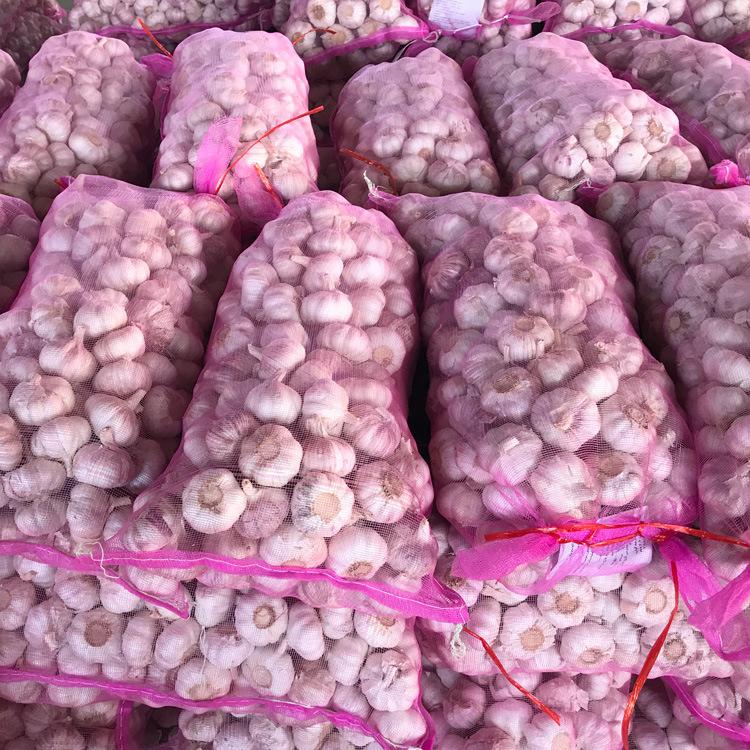
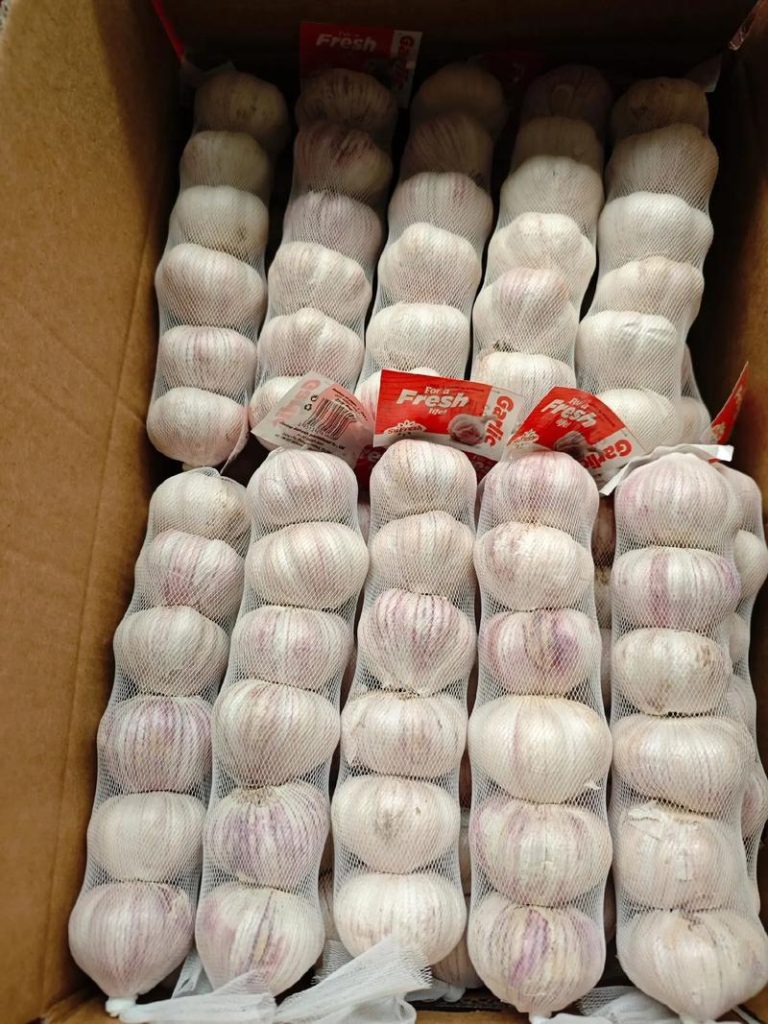
- Fresh Whole Bulbs: Standard mesh bag or carton packaging.
- Peeled Fresh Garlic: Vacuum-packed for restaurants and food services.
- Dehydrated Garlic: Flakes, granules, or fine powder for spice blends and manufacturing.
- Black Garlic: Fermented whole garlic popular in gourmet and health-food sectors.
3. Storage and Cold Chain Infrastructure
Garlic is highly susceptible to sprouting, moisture loss, and mold if stored improperly. Top-tier suppliers maintain advanced cold-storage facilities kept at -3°C to -1°C with controlled humidity to keep garlic dormant and fresh during off-season months.
4. Quality Certifications and Food Safety
Ensure your supplier complies with global food safety standards. Key certifications to look for include:
- GAP (Good Agricultural Practices) for farming standards.
- HACCP, ISO 22000, or BRC for hygienic processing and packaging.
- Phytosanitary Certificates to ensure seamless customs clearance during export.
Frequently Asked Questions (FAQ)
Q1: What is the peak harvest season for garlic?
A: In major growing regions (such as China, Europe, and California), fresh garlic harvest typically begins between late May and July. Purchasing during the harvest season usually yields the freshest product and the most competitive prices.
Q2: How is fresh garlic stored during transit to prevent sprouting?
A: Garlic should be shipped in reefer (refrigerated) containers maintained at -1°C to -3°C with active ventilation. Maintaining an unbroken cold chain prevents the bulbs from breaking dormancy and sprouting during ocean transport.
Q3: What is the typical shelf life of wholesale garlic?
A: Under proper cold-storage conditions (-2°C with controlled humidity), whole unpeeled garlic can remain fresh for 9 to 12 months. Once removed from cold storage, it should be consumed within 3 to 4 weeks.
Q4: Can suppliers customize garlic packaging for retail or commercial use?
A: Yes. Professional suppliers offer a wide range of packaging options, including Small Mesh Bags (3 to 5 bulbs for retail), 10 kg/20 kg Mesh Bags (for wholesale markets), and Cartons (to prevent physical damage during transit).
Would you like to tailor this article to focus on a specific market region or a particular garlic form, such as dehydrated garlic powder vs. fresh garlic?


No reply content