
China lychee supplier
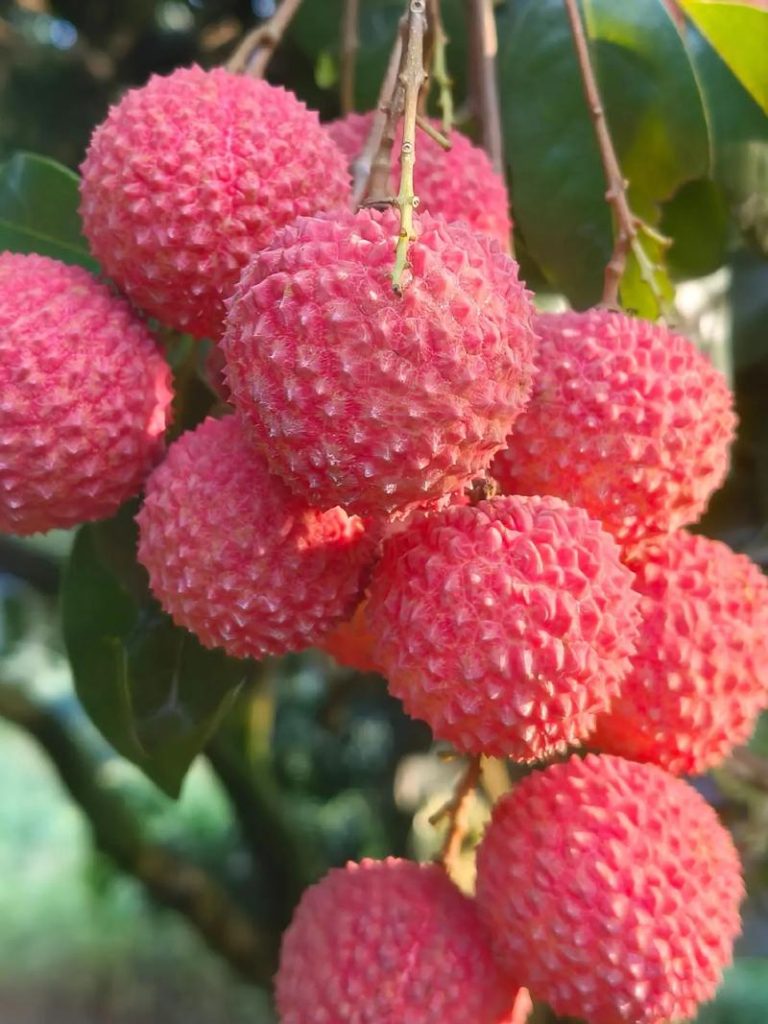
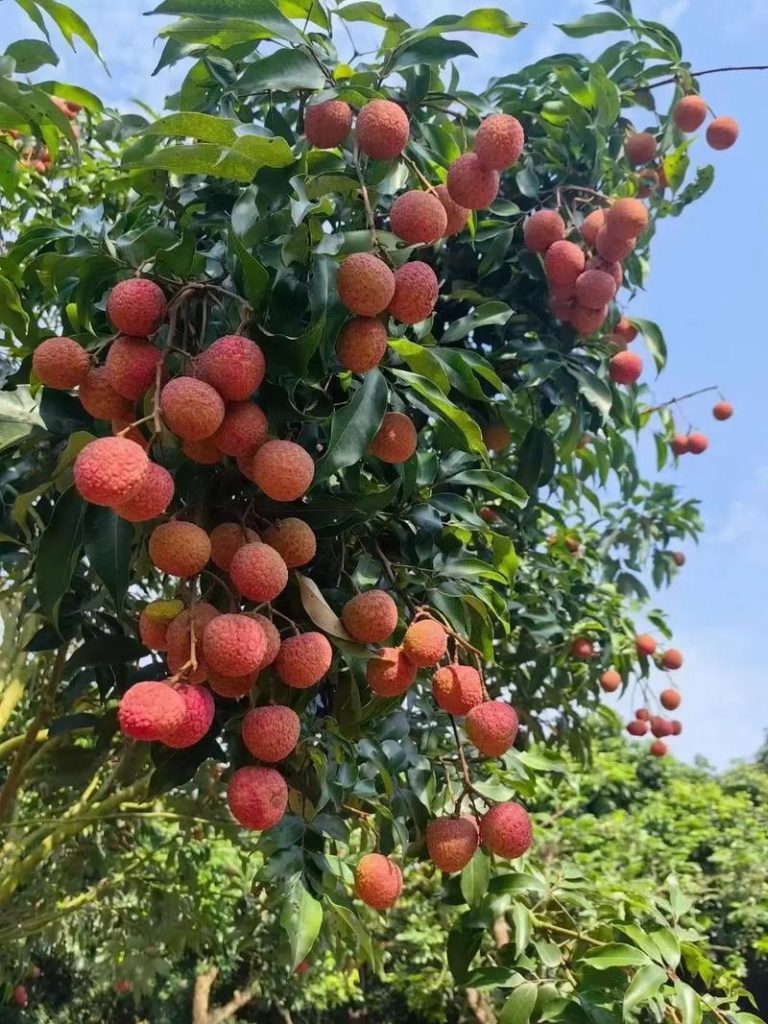
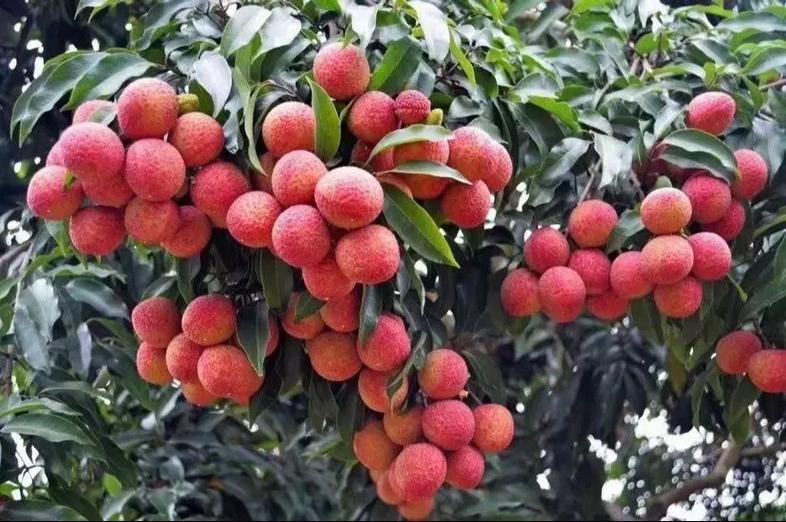
This expert guide provides importers, distributors, and food service professionals with a systematic framework for identifying, evaluating, and establishing partnerships with reliable lychee suppliers in China. It addresses the unique challenges of sourcing a highly perishable, seasonal fruit, covering critical aspects from varietal selection and orchard verification to post-harvest handling and international cold-chain logistics. Developed in line with E-E-A-T principles, this original content delivers actionable, expert insights for building a resilient and quality-focused supply chain. Key strategic points are emphasized with icons, and a practical FAQ addresses core procurement and operational challenges.
Navigating the Specialized Supply Chain for Fresh Lychee
The global demand for fresh lychee, prized for its fragrant aroma and sweet-tart flavor, is met by a sophisticated and time-sensitive agricultural export sector. Sourcing this delicate fruit successfully requires a fundamentally different approach than procuring shelf-stable or processed goods. Success hinges on partnering with suppliers who possess deep integration from orchard to port, mastery of post-harvest physiology, and an unwavering commitment to quality consistency and food safety protocols. This guide provides a strategic, phase-gated methodology for evaluating and collaborating with suppliers, transforming a complex agricultural procurement process into the foundation for a profitable and reputable fresh fruit business.
[Icon: Perishable Clock] Sourcing fresh lychee is a race against time, where quality is defined by hours from harvest to cooling, not just appearance.
Phase 1: Supplier Identification and Agricultural Capability Assessment
The initial evaluation must prioritize direct orchard relationships, post-harvest infrastructure, and a proven command of the fruit’s brief seasonal window.
1. Targeted Discovery and Preliminary Agricultural Screening
-
Advanced Keyword Strategy for Direct Source Matching: Utilize B2B and agricultural platforms with filters for “G.A.P. certified,” “orchard direct,” and “pre-cooling facility.” Employ precise, long-tail phrases that denote handling expertise, such as “fresh Feizixiao lychee supplier with vacuum pre-cooling,” “air-shipped Guiwei lychee exporter,” or “lychee harvest partner in Gaozhou, Guangdong.” This targets suppliers with specific geographical and varietal specialization. [Icon: Orchard Gate] Specific agricultural and handling keywords are essential for finding partners with direct source control and technical expertise.
-
Comprehensive Capability Portfolio Analysis: Scrutinize supplier profiles for evidence of vertical control. Key indicators include: owned or contracted orchards with verifiable location and acreage, on-site or immediately adjacent pre-cooling and packing facilities, documented Standard Operating Procedures (SOPs) for harvest timing (early morning) and field handling, and partnerships with dedicated cold-chain logistics providers. [Icon: Integration] Evidence of control over the critical first 24-hour post-harvest chain is the primary indicator of quality potential.
2. The Foundational Orchard and Packhouse Audit
Verification for fresh produce suppliers must be on-site or via highly detailed virtual means, covering both growing practices and immediate post-harvest handling.
-
The Virtual Orchard and Packhouse Facility Tour: A live, detailed video audit during the harvest season is critical. Request to see: the orchard blocks (observe tree health, fruit load, and harvest crew techniques), the receiving area at the packhouse, the pre-cooling tunnel or vacuum cooler in operation, the sorting/grading/packing line, and the cold storage holding room. Observe hygiene practices, speed of transfer, and temperature control at every step. [Icon: Live Audit] A virtual tour during season provides undeniable proof of operational scale, infrastructure, and process discipline.
-
Certification and Quality Documentation Deep Dive: Valid certifications are fundamental. Essentials include: GlobalG.A.P. (Good Agricultural Practice) certification for the orchard, HACCP or ISO 22000 plans for the packhouse, and Phytosanitary Certificate capability from the local Chinese customs authority (GACC). Crucially, request sample Quality Inspection Reports from previous shipments, showing documented metrics for Brix (sugar) level, size distribution, and defect rates. [Icon: Certificate] Independent certification and internal quality data are the bedrock of trust for a perishable food product.
Phase 2: The End-to-End Seasonal Procurement and Quality Assurance Workflow
Managing a lychee supply agreement is a project with a strict biological timeline, requiring precise coordination, staged sampling, and rigorous condition monitoring.
Step 1: The Co-Planning and Product Specification Phase
The purchase agreement must be a detailed technical and commercial document co-created before the season starts.
-
Precise Varietal and Grade Specification: Define the exact cultivar (e.g., Feizixiao, Guiwei, Nuomici), the harvest maturity standard (based on skin color and Brix minimum), the size grade (count per kilogram or diameter), and the allowed defect tolerance (e.g., sunburn, insect damage, split fruit). Attach approved color charts and physical samples from a previous season as a reference. [Icon: Blueprint] The product specification sheet is the legal and quality blueprint for the entire seasonal order.
-
Packaging and Cold-Chain Protocol: Co-design the packaging. Standard is perforated plastic clamshells inside master cartons, but modified atmosphere packaging (MAP) may be specified. The Cold Chain Protocol must be explicitly agreed upon, stating: maximum field heat before pre-cooling (e.g., 2 hours), core temperature target after pre-cooling (e.g., 4°C), and maximum holding temperature during transport.
-
Harvest and Shipment Scheduling: Based on historical flowering and weather data, agree on a projected harvest window. Establish a clear communication protocol for daily updates during this window and a flexible shipment booking process to capture the optimal harvest date.
Step 2: The In-Season Validation and Pre-Shipment Inspection
For fresh fruit, validation occurs in real-time during the harvest and packing process.
-
Pre-Shipment Sample Approval and Laboratory Testing: Before full harvest begins, the supplier must send air-freighted samples from the intended orchard block. These samples must be evaluated upon arrival for taste (Brix/Acid ratio), texture, and visual quality. For large contracts, independent lab testing for pesticide residues (MRL compliance with the destination market) is conducted on these samples. [Icon: Lab Beaker] Pre-season sample testing validates that growing practices and maturity standards align with expectations.
-
In-Line Quality Control and Pre-Shipment Inspection: For each shipment, a third-party inspector should be present at the packhouse during packing. The inspector monitors the sorting line, checks the pre-cooling temperature logs, verifies the core temperature of packed fruit, and conducts a final random inspection (AQL) on the sealed cartons before they leave the cold room for the airport. [Icon: Inspector] An independent, in-line inspection is the critical financial and quality safeguard for every shipment.
Key Strategic and Commercial Considerations
-
Understanding the Seasonality and Regional Variations: China’s lychee season runs from May to July, moving from south to north. Hainan province starts earliest (May), followed by Guangdong and Guangxi (June-July). Different regions specialize in different cultivars. Building relationships with multiple suppliers across key regions (e.g., one in Gaozhou for Feizixiao, one in Zengcheng for Guiwei) can help mitigate weather-related risks and extend the sourcing window. [Icon: Calendar] Mastery of the regional harvest calendar is a key strategic advantage in fresh lychee sourcing.
-
Relationship as a Seasonal Partnership: Given the annual nature of the crop, frame the relationship as a multi-year agricultural partnership. Post-season reviews on quality performance, collaborative problem-solving on logistics issues, and pre-season planning meetings build transparency and continuous improvement, leading to better fruit and more reliable supply over time. [Icon: Partnership] A collaborative, long-term partnership framework ensures shared learning and supply chain resilience.
FAQ: Essential Questions for Sourcing Fresh Lychee from China
Q1: What are the main lychee varieties from China, and how do their characteristics differ for export?
A: Key commercial export varieties include: Feizixiao (Concubine Smile): Early-season, bright red skin, large seed, bold sweet-tart flavor. Prized for its dramatic appearance and strong flavor, but has a shorter shelf life. Guiwei (Cinnamon Flavor): Mid-season, smaller, pebbly red skin, very small seed (chicken tongue seed). Known for its exquisite, sweet, and aromatic flavor with a firmer texture, making it superior for longer shipping. Nuomici (Glutinous Rice): Late-season, small, pale red skin, very sweet and juicy with a distinctive aroma. Extremely delicate and best for very fast airfreight or local markets. Selection depends on target market taste preference, shipping method, and shelf-life requirements.
Q2: How is shelf life maximized, and what is a realistic shelf life for air-shipped lychee?
A: Shelf life is maximized through a strict protocol: 1) Harvest at dawn to minimize field heat. 2) Immediate field sorting to remove damaged fruit. 3) Rapid Vacuum Pre-cooling within 2-4 hours of harvest to remove field heat and lower the fruit’s core metabolism. 4) Cold-chain maintenance at 2-4°C without interruption. Under ideal conditions, properly handled Feizixiao can have a shelf life of 25-30 days from harvest, while the hardier Guiwei can last 30-35 days. Realistic “sellable” shelf life at destination is often 7-10 days after arrival.
Q3: What are the critical food safety and phytosanitary requirements for importing lychee?
A: Requirements vary by country but generally include: 1) Phytosanitary Certificate: Issued by Chinese Customs (GACC), certifying the fruit is free of quarantine pests (like lychee stink bug). 2) Pesticide Residue Compliance: The fruit must meet the Maximum Residue Limits (MRLs) of the destination country. Your supplier must provide a lab test report for the specific shipment or evidence of an approved orchard management plan. 3) Cold Treatment: Some countries (like the USA) require a specific cold treatment protocol during transit to eliminate potential fruit flies. Your supplier must be fully versed in the destination market’s import protocol.
Q4: How do we ensure consistent sugar level (Brix) and taste profile?
A: Consistency is achieved through orchard management and harvest timing. The supplier must have the ability to test Brix levels in the orchard before harvest commences. The purchase agreement should specify a minimum Brix level (e.g., 18° Brix for Guiwei). Trusted suppliers will harvest from specific blocks that have met this standard and will provide test records. Building a relationship with a supplier who controls their own orchards (rather than just aggregating from small farmers) greatly enhances consistency.
Q5: What are the main risks in lychee sourcing, and how can they be mitigated?
A: Primary risks include: Weather/ Crop Failure: Unseasonal rain during flowering or harvest can devastate yield and quality. Mitigation: Work with suppliers across multiple regions and have flexible volume agreements. Post-Harvest Decay: The fruit is susceptible to stem-end rot and pericarp browning. Mitigation: Strict adherence to the pre-cooling and cold-chain protocol; consider fungicide treatments approved for the target market. Logistics Delay: Any break in the cold chain or airport delays causes rapid quality loss. Mitigation: Use dedicated airfreight consolidators experienced with perishables; track temperature in transit; have a contingency plan for customs clearance delays.
Conclusion: Cultivating a Resilient Fresh Fruit Supply Alliance
Sourcing premium fresh lychee from China is a capital-intensive, time-pressured endeavor that extends far beyond a simple seasonal purchase. It is the initiation of a strategic, agriculture-focused partnership that demands shared expertise in horticulture, logistics, and quality management. By implementing the rigorous, phase-gated framework outlined—from conducting forensic orchard and packhouse audits and co-engineering precise product specifications, to enforcing real-time validation through in-line inspections and cold-chain monitoring—buyers can systematically de-risk their supply. This disciplined approach ensures the selected supplier possesses not only the agricultural resources but also the technical depth, operational discipline, and commitment to partnership necessary to deliver a consistent, high-quality, and profitable fresh lychee program year after year. In doing so, procurement transforms into a core competency for building a successful and sustainable fresh fruit business.
[Icon: Alliance] The ultimate goal is to cultivate a transparent, technically proficient, and operationally synchronized alliance with a supplier whose expertise and reliability become as valuable as the prized fruit they deliver, season after season.


No reply content