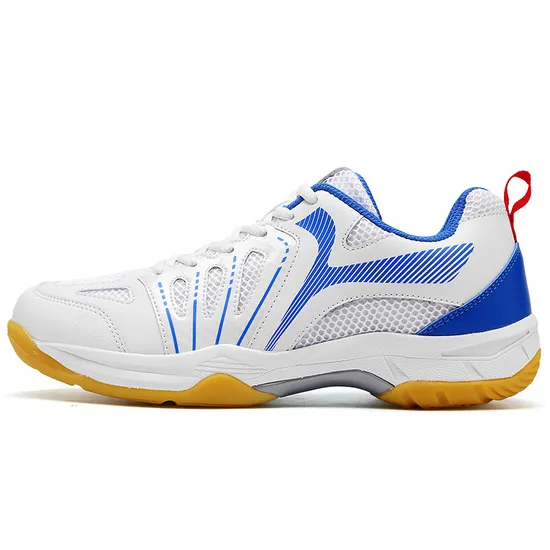
Custom Shoe OEM Manufacturer China | Low MOQ & Fast Sample
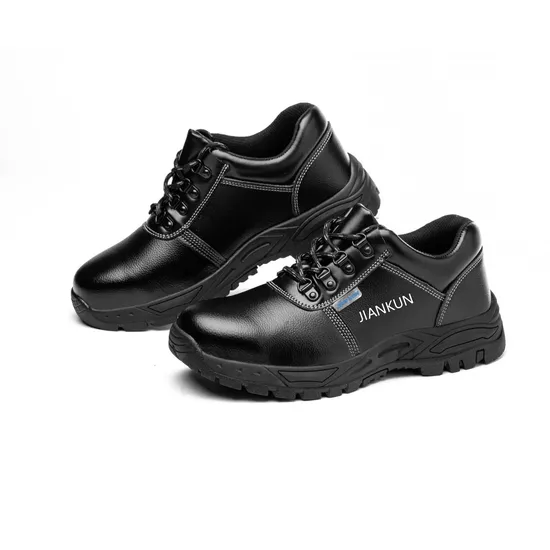
The global footwear market is experiencing rapid growth, with demand in Eastern Europe rising due to evolving consumer preferences and urbanization trends. For Latvian businesses, sourcing shoes directly from China offers unparalleled opportunities to access high-quality products at competitive prices. However, navigating international procurement requires strategic planning, compliance expertise, and an understanding of logistical complexities. This article explores how Latvian companies can efficiently procure footwear from China, addressing key challenges, cost-saving strategies, and actionable steps to ensure seamless transactions.
—
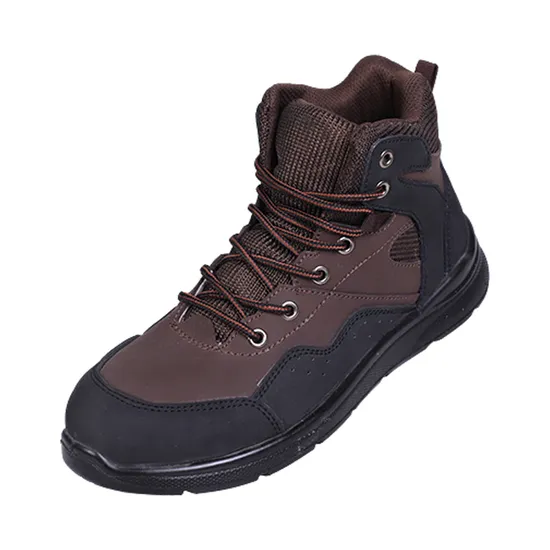
Why Source Shoes from China?
China remains the world’s largest shoe manufacturer, producing over 10 billion pairs annually, accounting for 60% of global footwear exports. Key advantages include:
– Cost Efficiency: Labor and production costs in China are significantly lower than in Europe, enabling competitive pricing.
– Diverse Product Range: From athletic wear to luxury footwear, Chinese factories offer customizable designs and materials.
– Scalability: Manufacturers can handle bulk orders, ideal for retailers or wholesalers targeting Latvian and EU markets.
—
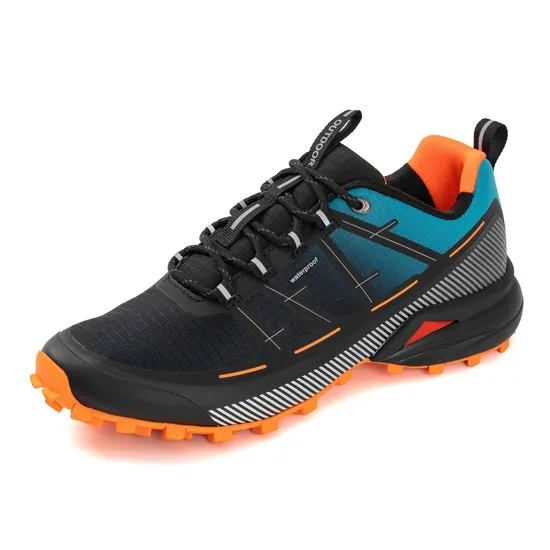
Step-by-Step Procurement Process
1. Market Research and Supplier Selection
– Identify Needs: Define product specifications (e.g., materials, sizes, certifications) and target price range.
– Supplier Vetting: Use platforms like Alibaba or Global Sources to find verified factories. Prioritize suppliers with ISO certifications, trade assurance, and export experience.
– Factory Audits: Conduct virtual or on-site audits to assess quality control, worker conditions, and compliance with EU regulations (e.g., REACH, RoHS).
2. Negotiating Contracts and Payments
– MOQ (Minimum Order Quantity): Negotiate terms based on order size—smaller MOQs suit startups, while bulk orders reduce per-unit costs.
– Payment Terms: Use secure methods like LC (Letter of Credit) or escrow services to mitigate financial risks.
– Lead Times: Factor in production (20–45 days) and shipping durations (30–60 days via sea freight).
3. Logistics and Customs Compliance
– Freight Forwarders: Partner with logistics providers specializing in China-EU routes to optimize shipping routes and avoid delays.
– Customs Documentation: Ensure proper labeling, invoices, and certificates (e.g., FOB/CIF terms, CE marking for EU market access).
– Tariffs and Taxes: Leverage Latvia’s membership in the EU to benefit from reduced tariffs under the EU-China Trade Agreement (if applicable).
4. Quality Assurance and Samples
– Pre-Production Samples: Request prototypes to verify material quality, sizing, and design accuracy.
– Third-Party Inspections: Hire agencies like SGS or Bureau Veritas to inspect goods before shipment, reducing the risk of defects.
—



No reply content