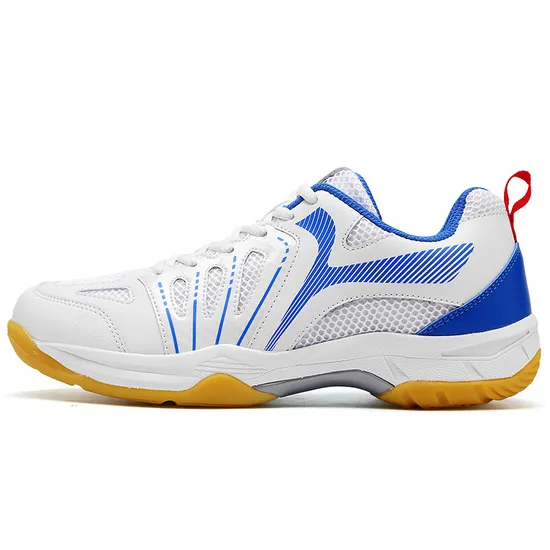
Custom Shoe OEM Manufacturer China | Low MOQ & Fast Sample
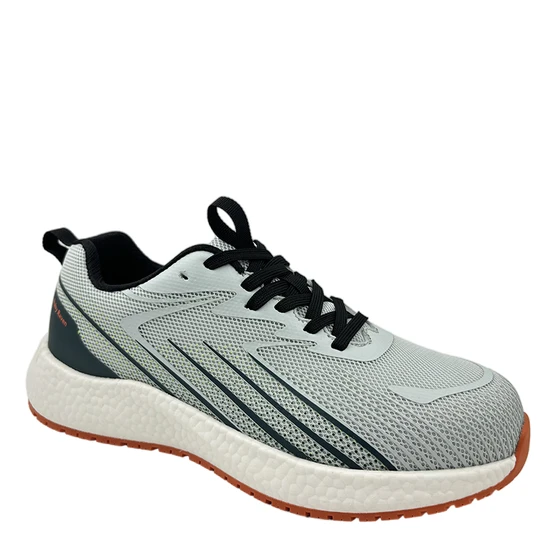
Monaco’s luxury market, with its high-net-worth clientele and emphasis on exclusivity, demands impeccable quality and customization. Sourcing shoes directly from China offers Monaco-based businesses a unique opportunity to access cost-effective manufacturing while maintaining the sophistication expected by local consumers. However, navigating international procurement requires strategic planning, compliance with EU regulations, and an understanding of logistical nuances. This article explores how Monaco retailers and brands can efficiently procure footwear from China, balancing cost, quality, and sustainability.
—
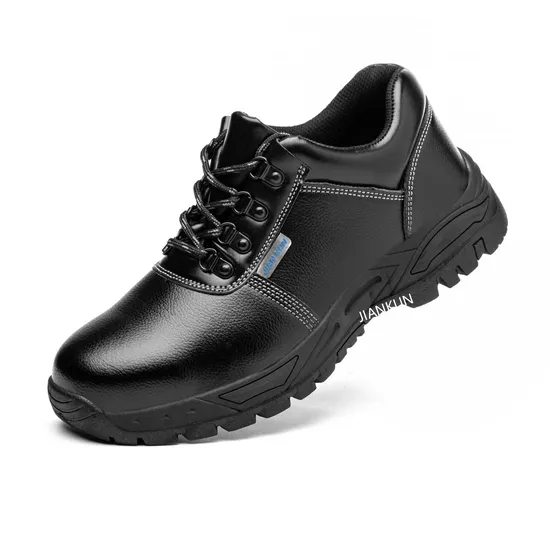
Why Source Shoes from China for Monaco?
China remains the world’s largest shoe manufacturer, producing over 10 billion pairs annually, accounting for 60% of global footwear exports. Key advantages for Monaco include:
– Cost Efficiency: Labor and production costs in China are significantly lower than in Europe, enabling competitive pricing for luxury goods.
– Customization: Factories offer bespoke designs, premium materials (e.g., Italian leather, sustainable textiles), and small-batch production for niche markets.
– Scalability: Manufacturers can handle bulk orders for Monaco’s luxury retailers while accommodating bespoke requests for high-end clients.
—
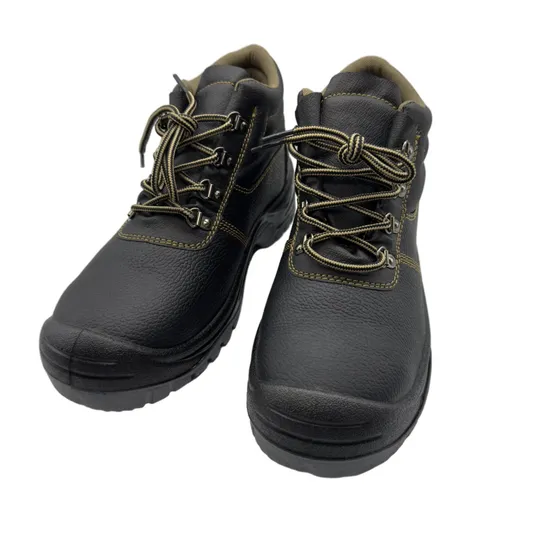
Step-by-Step Procurement Process
1. Define Product Requirements
– Specifications: Outline materials (e.g., full-grain leather, vegan alternatives), sizing (European sizing), and design elements (e.g., custom logos, monogramming).
– Certifications: Ensure compliance with EU regulations, including REACH (chemical safety) and CE marking for footwear.
2. Supplier Vetting and Selection
– Platforms: Use trusted B2B platforms like Alibaba or Global Sources to identify verified factories specializing in luxury footwear.
– Factory Audits: Conduct virtual audits to assess craftsmanship, quality control, and sustainability practices (e.g., water-efficient dyeing processes).
– Samples: Request prototypes to evaluate material durability, stitching, and design accuracy.
3. Negotiate Contracts and Logistics
– MOQ (Minimum Order Quantity): Negotiate terms based on order size—smaller MOQs suit bespoke Monaco retailers, while bulk orders reduce per-unit costs.
– Payment Terms: Secure transactions with Letters of Credit (LC) or escrow services to mitigate risks.
– Shipping Routes: Opt for multimodal transport via France or Italy to leverage EU customs agreements and minimize delays.
4. Compliance and Customs
– EU Tariffs: Monaco benefits from EU membership, but verify duty rates for footwear (typically 10–15% depending on material).
– Documentation: Ensure invoices, packing lists, and certificates of origin are accurately prepared for smooth customs clearance.
5. Quality Assurance
– Third-Party Inspections: Hire agencies like SGS or Bureau Veritas to inspect goods pre-shipment, reducing defect risks.
– Final Approval: Conduct a final review in Monaco to align with local aesthetic preferences (e.g., slim-fit designs, metallic accents).
—


No reply content