
China solar power generation and energy storage manufacturing
This professional guide provides project developers, system integrators, and energy solution buyers with a systematic framework for identifying, evaluating, and partnering with technical solar-plus-storage suppliers. It addresses the critical aspects of technology assessment, manufacturing capability, quality assurance, and lifecycle support. Developed in line with E-E-A-T principles, this original content delivers actionable, expert insights for building a resilient and high-performance supply chain. Key strategic points are emphasized with icons, and a practical FAQ addresses core procurement and technical challenges.
Navigating the Technical Ecosystem of Solar Energy System Suppliers
The global transition towards renewable energy has positioned integrated solar power generation and storage solutions at the forefront of infrastructure development. Sourcing these systems—which combine photovoltaic panels, battery energy storage systems (BESS), power conversion units, and sophisticated energy management software—requires a fundamentally different approach than procuring standard goods. Success hinges on partnering with suppliers who possess deep vertical integration, rigorous R&D capabilities, and a long-term commitment to product performance and safety. This guide provides a strategic, phase-gated methodology for evaluating and collaborating with suppliers, transforming a complex procurement process into the foundation for a reliable, bankable, and high-yield energy asset.
[Icon: Ecosystem] Sourcing integrated solar-plus-storage systems requires evaluating an entire technical ecosystem, not just individual components.
Phase 1: Supplier Identification and Technical Capability Deep Dive
The initial evaluation must prioritize engineering depth, manufacturing control, and a proven track record in delivering complete systems.
1. Targeted Discovery and Preliminary Technical Screening
-
Advanced Keyword Strategy for Technical Matching: Utilize industry-specific platforms and searches that filter for engineering capability. Move beyond generic terms like “solar supplier” to employ precise, long-tail phrases that denote system integration expertise, such as “high-voltage BESS OEM for C&I applications,” “bifacial PV module manufacturer with IBC cell technology,” or “hybrid inverter supplier with virtual power plant (VPP) capability.” This targets suppliers with specific solution architectures. [Icon: Technical Filter] Specific technical keywords are essential for identifying partners with the right system-level engineering DNA.
-
Comprehensive Capability Portfolio Analysis: Scrutinize supplier materials for evidence of vertical integration and R&D investment. Key indicators include: in-house cell production (for tier-1 module makers), proprietary battery management system (BMS) and energy management system (EMS) software development, owned inverter/PCS (Power Conversion System) manufacturing lines, and dedicated R&D centers with published test data on cycle life, degradation, and grid compliance. [Icon: Integration] Evidence of deep vertical integration—from cell to system software—is a primary indicator of quality control and innovation capacity.
2. The Foundational Technical and Manufacturing Audit
Verification for energy suppliers must be exhaustive, covering both “hard” manufacturing and “soft” engineering capabilities.
-
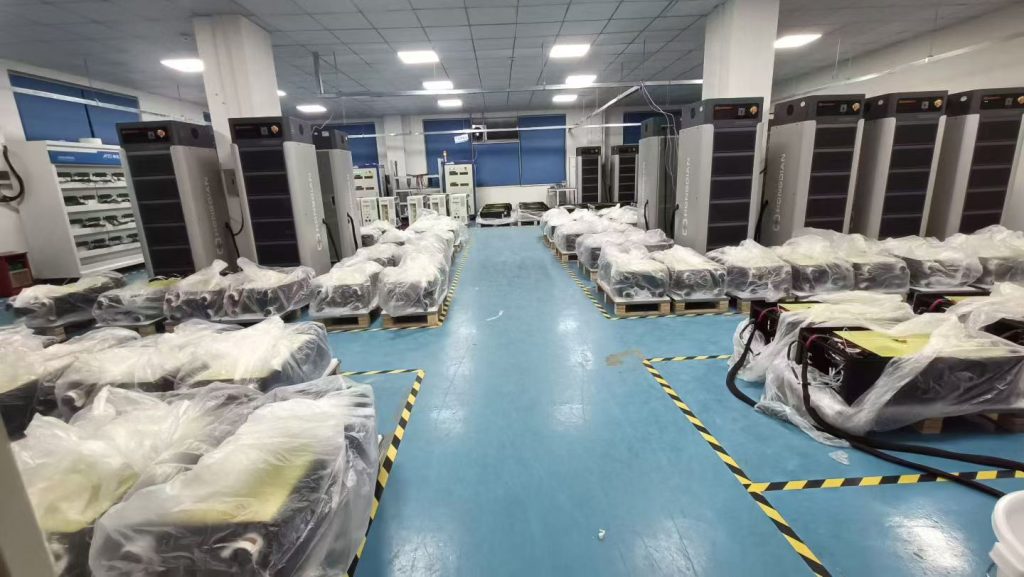
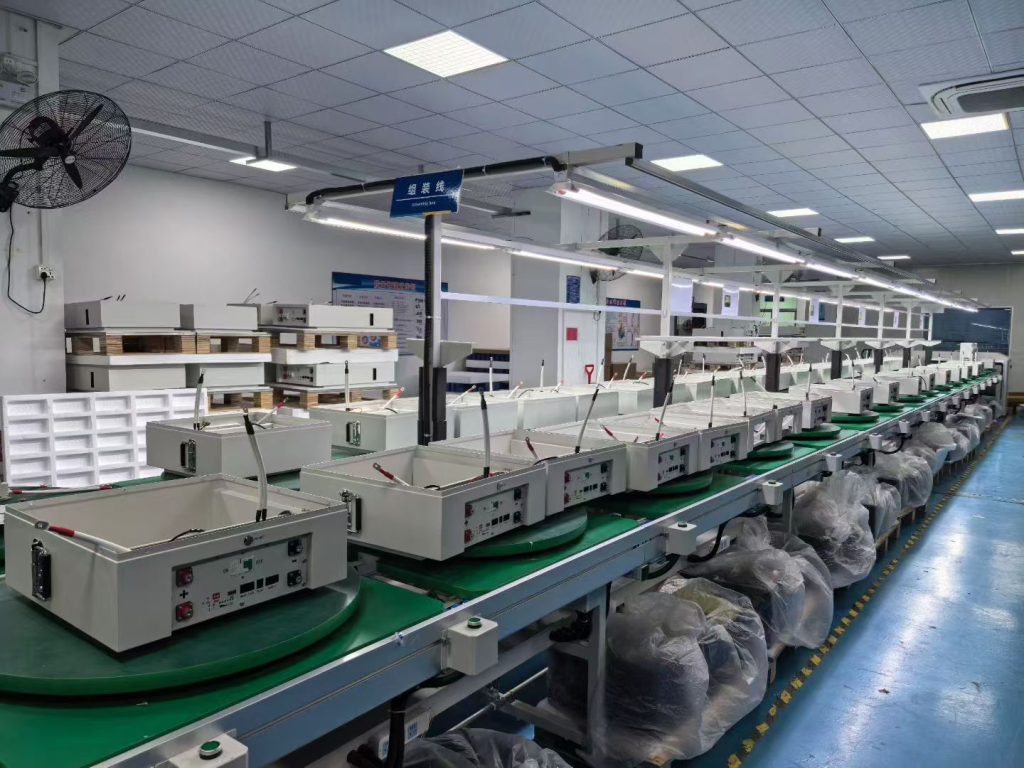
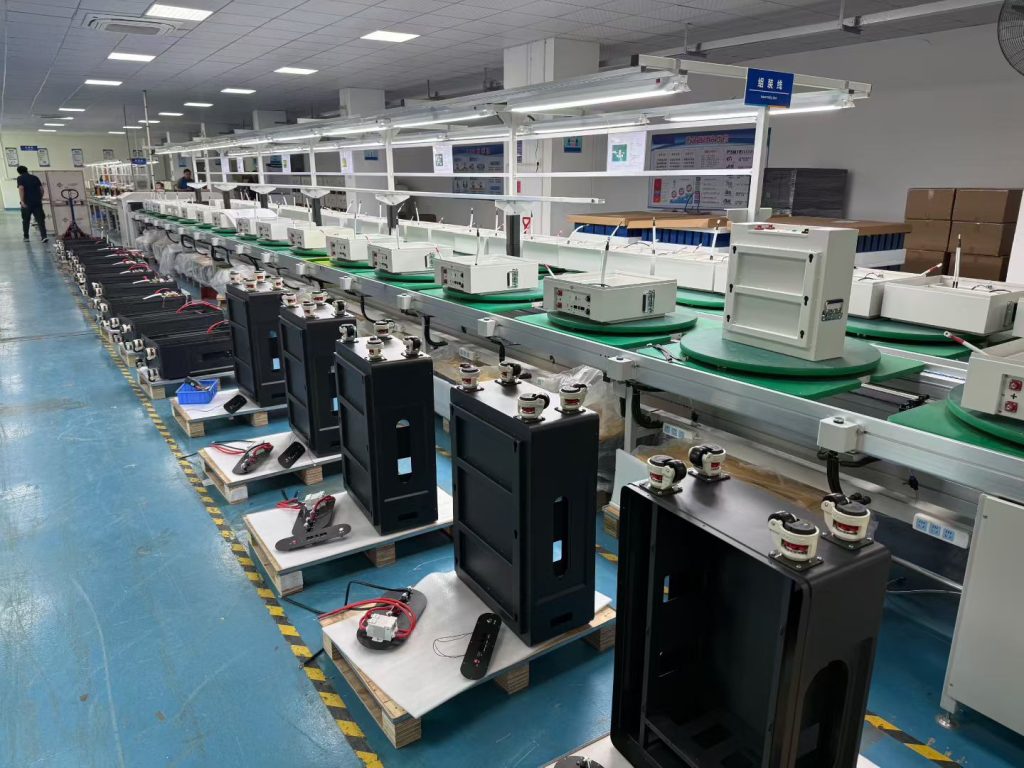
The Virtual Manufacturing and R&D Facility Tour: A live, detailed video audit is critical. Request to see: the automatic module production line (cell stringing, lamination, EL testing), the battery pack assembly workshop (including laser welding and aging/testing stations), the inverter assembly and burn-in testing area, and the environmental simulation lab (for thermal, humidity, and safety testing). Observe automation levels, production traceability systems, and overall operational discipline. [Icon: Live Audit] A virtual tour of production and testing facilities provides undeniable proof of technical scale and process rigor.
-
Certification and Compliance Documentation Deep Dive: Valid, current certifications are non-negotiable. Essentials include: ISO 9001 for quality management, IEC 61215/61730 for PV modules, IEC 62619 or UL 9540 for BESS, and relevant grid compliance certificates for target markets (e.g., VDE-AR-N 4105 for Germany, UL 1741-SA for the US). Crucially, request and verify the Cycling Test Report for batteries from an accredited lab (e.g., TÜV, CPVT), showing actual performance against claimed cycle life. [Icon: Certificate] Independent, product-specific certification reports are the bedrock of technical trust and bankability.
Phase 2: The End-to-End Project Collaboration and Quality Assurance Workflow
Managing a solar-plus-storage supply agreement is a technical project requiring co-engineering, staged validation, and rigorous testing.
Step 1: The Co-Engineering and System Specification Phase
The system design and specification document is the most critical project deliverable.
-
Comprehensive Technical Data Sheets (TDS): Detailed, certified specs for every component: PV module (power tolerance, temperature coefficients, LID), battery (energy rating, C-rate, depth of discharge, round-trip efficiency), inverter (MPPT range, power factor capability, harmonics).
-
System Performance Simulation and Guarantee: The supplier should provide a detailed PVsyst or similar simulation report, predicting first-year and 25-year energy yield. The Performance Ratio (PR) guarantee and the battery throughput/cycle life guarantee must be explicitly stated in the commercial contract with associated liquidated damages. [Icon: Blueprint] The system specification and performance guarantee documents are the legal and technical foundation of the project’s financial model.
-
Balance of System (BOS) and Compatibility Matrix: A full list of all ancillary components (mounting, cables, connectors) with clear compatibility validation. For storage, a detailed single-line diagram (SLD) showing the integration architecture is required.
Step 2: The Pre-Shipment Validation and Factory Acceptance Test (FAT)
For complex systems, validation before shipment is essential.
-
Type Testing and Witnessed Factory Acceptance Test (FAT): For large orders, it is prudent to witness a FAT. This involves the supplier performing a full operational test on a randomly selected unit (e.g., a battery container) from the production batch, demonstrating all communication protocols, safety functions, and performance metrics under load. [Icon: Validation] A witnessed Factory Acceptance Test provides the highest confidence in product functionality before it leaves the factory gate.
-
Pre-Shipment Inspection (PSI) with Performance Spot-Checks: A third-party inspector conducts a rigorous PSI. Beyond checking quantity, packaging, and workmanship, they should verify the serial number on each major component matches the provided factory test report. For modules, an on-site electroluminescence (EL) test on a sample of panels can detect micro-cracks. [Icon: Inspector] An independent PSI, cross-referenced with factory test data, is the key financial and quality safeguard.
Key Strategic and Commercial Considerations
-
Lifecycle Cost Analysis and Bankability: Evaluation must extend beyond upfront capex. Focus on Levelized Cost of Storage (LCOS) and Levelized Cost of Energy (LCOE), which factor in efficiency, degradation, cycle life, and O&M costs. Partnering with a supplier that offers comprehensive, long-term performance insurance and a global service network significantly enhances project bankability. [Icon: Lifespan] The total lifecycle cost and support model are more critical metrics than the initial purchase price for energy assets.
-
Technology Partnership vs. Transaction: Given the 10-20 year asset life, frame the relationship as a technical partnership. Discuss roadmaps for software updates, spare parts availability, and potential technology upgrades. A supplier’s willingness to engage in these discussions is a strong indicator of their long-term stability and customer focus. [Icon: Partnership] A collaborative, long-term partnership framework ensures ongoing system optimization and support.
FAQ: Essential Questions for Sourcing Solar-Plus-Storage Systems
Q1: What are the key certifications to look for in a solar-plus-storage supplier, and why are they critical?
A: Certifications are paramount for safety, performance, and financing. For PV Modules: IEC 61215 (design qualification), IEC 61730 (safety), and UL 61730 (North America). For Batteries: IEC 62619 (safety for industrial batteries), UL 9540 (ESS safety standard), and specific fire safety certifications. For Inverters: relevant grid codes (e.g., G99/G100 in UK, VDE-AR-N 4105 in DE). These certifications, from accredited labs, de-risk the project for insurers and financiers, proving the product has passed rigorous, standardized tests.
Q2: How do we evaluate and compare different battery chemistry claims (LFP, NMC, etc.)?
A: Evaluation must be use-case specific. LFP (Lithium Iron Phosphate) is the dominant choice for stationary storage due to its superior safety, long cycle life (>6,000 cycles), and lower cost, albeit with slightly lower energy density. NMC offers higher energy density. The supplier should provide a detailed, accredited cycle life test report (e.g., to IEC 61427) showing capacity retention over thousands of cycles under specified conditions (DoD, temperature, C-rate). The guarantee should be based on this data.
Q3: What should be included in a comprehensive performance and product warranty?
A: A robust warranty package includes: 1) Product/Workmanship Warranty (e.g., 10 years for BESS, 12-15 years for inverters, 25 years linear for modules). 2) Performance Warranty: For modules, a guarantee of 90-92% output in Year 1 and 80-85% in Year 25. For batteries, a guarantee of retained energy capacity (e.g., 70% after 10 years or 6,000 cycles) and a guaranteed round-trip efficiency. The warranty must clearly state the claim process, service level agreements (SLAs), and remedies.
Q4: How do we ensure system components from a single supplier are optimally integrated?
A: True system-level optimization comes from suppliers with deep vertical control over the core “triangle”: the battery, the BMS, and the PCS/inverter. An integrated supplier develops these three core technologies in-house, ensuring seamless communication, optimal thermal management, and coordinated safety protocols. This avoids the interoperability risks and suboptimal performance of a “best-of-breed” component approach. Request a demonstration of their proprietary EMS software controlling the entire system.
Q5: What are the critical steps for verifying a supplier’s manufacturing capacity and financial stability?
A: Beyond the virtual tour, request audited financial statements to assess stability. Verify their claimed production capacity by asking for annual output figures for key lines (cells, modules, battery packs) and cross-checking with industry reports. For financial stability, assess their backlog of orders and credit history. A site visit or a deep-reference check with a long-term client of theirs in a similar market is highly recommended.
Conclusion: Establishing a Bankable Energy Technology Partnership
Sourcing solar energy storage and generation systems is a capital-intensive, long-term commitment that extends far beyond a simple purchase transaction. It is the initiation of a strategic, technology-focused partnership that will define the operational and financial performance of an energy asset for decades. By implementing the rigorous, phase-gated framework outlined—from conducting forensic technical audits and co-engineering precise performance guarantees, to enforcing staged validation through FATs and independent inspections—buyers can systematically de-risk their projects. This disciplined approach ensures the selected supplier possesses not only the manufacturing scale but also the engineering depth, quality ethos, and long-term vision necessary to deliver a reliable, high-performing, and bankable energy system. In doing so, procurement transforms from a cost center into a foundational activity for building resilient, clean energy infrastructure.
[Icon: Alliance] The ultimate goal is to forge a transparent, technically profound, and financially stable alliance with a supplier whose technology and commitment will power a sustainable and profitable energy future for the lifecycle of the asset.


No reply content