
China Diesel Generator Manufacturer
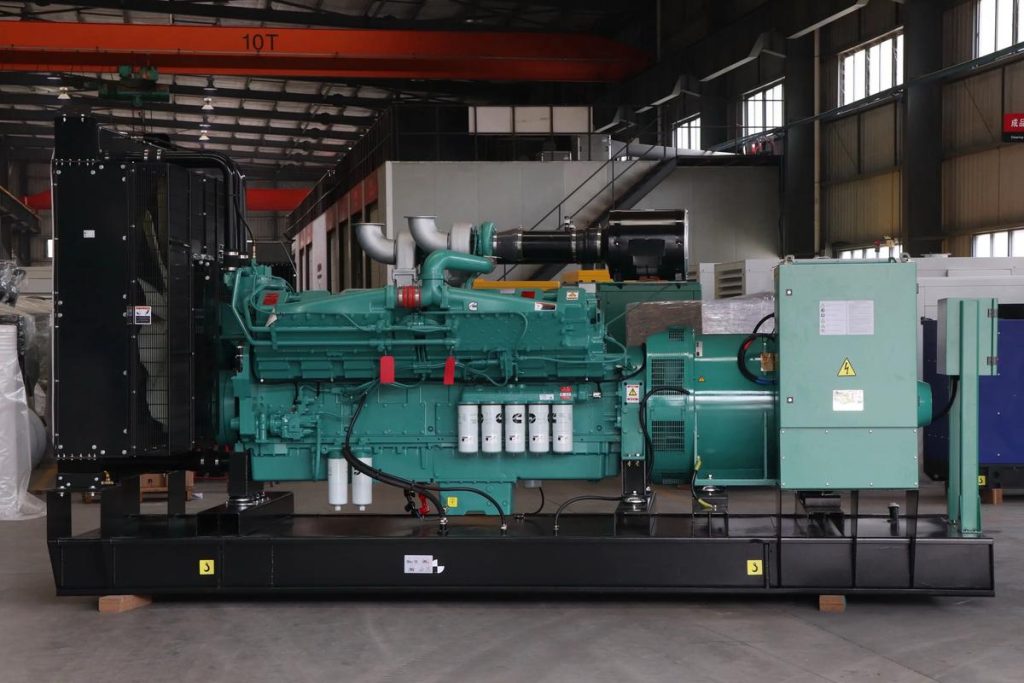

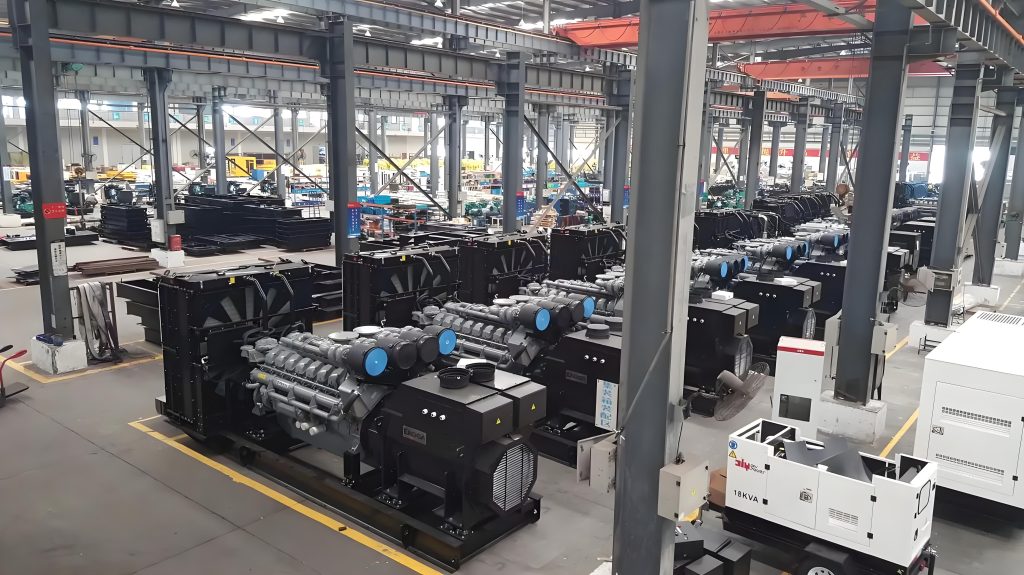
Purchasing the right diesel generator is only half the battle. The installation phase is where many projects succeed or fail. Improper installation can lead to overheating, noise complaints, carbon monoxide poisoning, or even a voided manufacturer’s warranty.
Whether you are placing a unit in a dedicated plant room or an outdoor courtyard, following these design best practices ensures your generator operates safely and efficiently for decades.
1. Mastering Airflow and Ventilation
A diesel engine is essentially a giant air pump; it consumes a massive amount of oxygen to burn fuel. If your generator “suffocates,” it loses power and overheats.
-
The Rule of Thumb: For every 1 kW of power, you need approximately 3-4 cubic meters of air per minute.
-
Air Inlets: Install low-level louvers on the side of the room facing prevailing winds. Use bird mesh to keep wildlife out.
-
Exhaust Outlets: Place high-level exhaust vents directly opposite the radiator. Never restrict the hot air exiting the engine; if it recirculates, the room temperature will rise rapidly.
2. The Exhaust System (Critical Safety)
The exhaust system is the most dangerous part of the installation if done incorrectly.
-
Material Matters: Use only stainless steel or specialized exhaust-grade mild steel piping. Standard plumbing pipes will melt or crack under extreme heat.
-
Flexible Connectors: Always install a flexible bellows section between the engine exhaust manifold and the building’s rigid pipework. This absorbs vibration and prevents stress fractures.
-
Clearance: Keep exhaust pipes away from combustible materials and ensure the final termination point directs fumes away from air intakes and neighboring properties.
3. Structural Base and Anti-Vibration
Diesel generators produce significant rotational forces. Without proper isolation, these vibrations will travel through your building’s foundation, causing structural damage and noise pollution.
-
The Concrete Raft: Build a reinforced concrete base that extends at least 150mm beyond the footprint of the generator on all sides.
-
Anti-Vibration Mounts (AVMs): Install high-quality rubber or spring mounts between the generator feet and the base. This isolates the engine’s movement from the floor.
4. Fuel Storage and Pipework
Your generator is useless without a reliable fuel supply.
-
Tank Location: If using a basement room, the fuel tank should ideally be housed in a separate, fire-rated compartment or bunded (double-walled) to contain leaks.
-
Day Tank vs. Main Tank: Most generators have a small “day tank” mounted on the unit. This should be fed by a transfer pump from a larger bulk storage tank.
-
Spill Containment: Always install drip trays under fuel filters and connection points to catch accidental spills during maintenance.
5. Acoustic Treatment (Beyond the Canopy)
Even if you buy a “Silent” generator, the room itself can act as an echo chamber.
-
Lagging: Wrap the exhaust pipe inside the room with high-temperature acoustic lagging to prevent the pipe itself from vibrating and resonating like a speaker.
-
Door Seals: Use heavy, acoustic-sealed doors similar to those in recording studios to keep the noise contained within the plant room.


No reply content