
China Custom Clothing Manufacturer
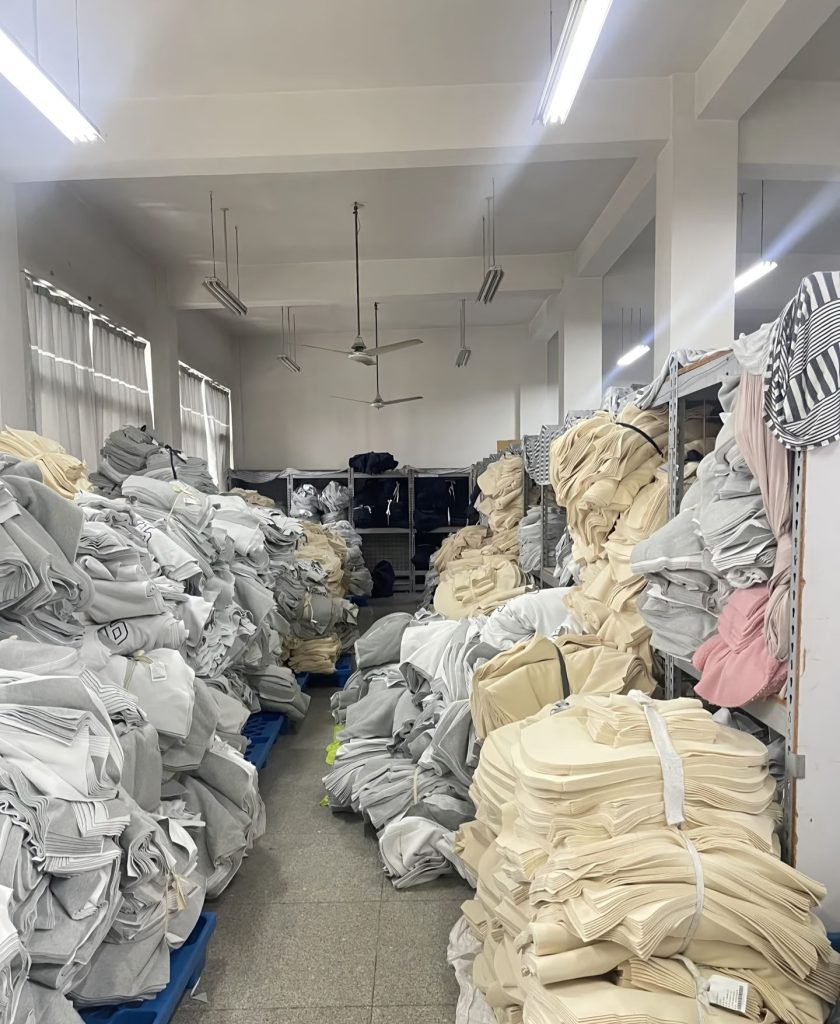
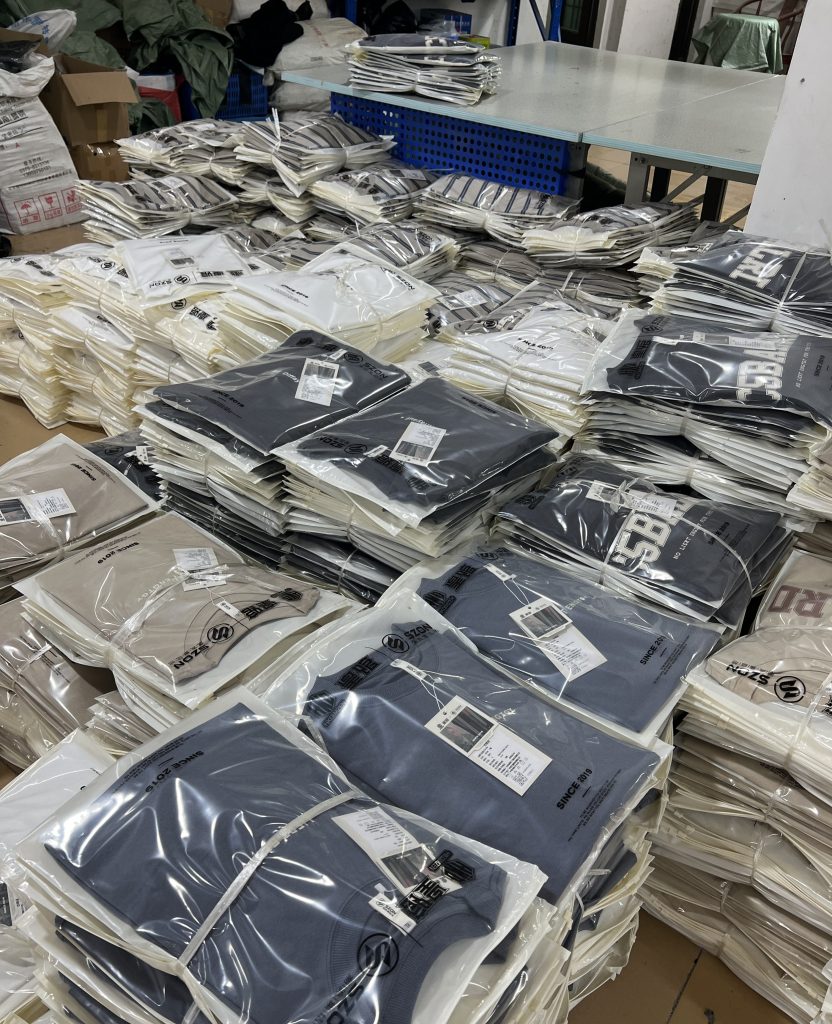
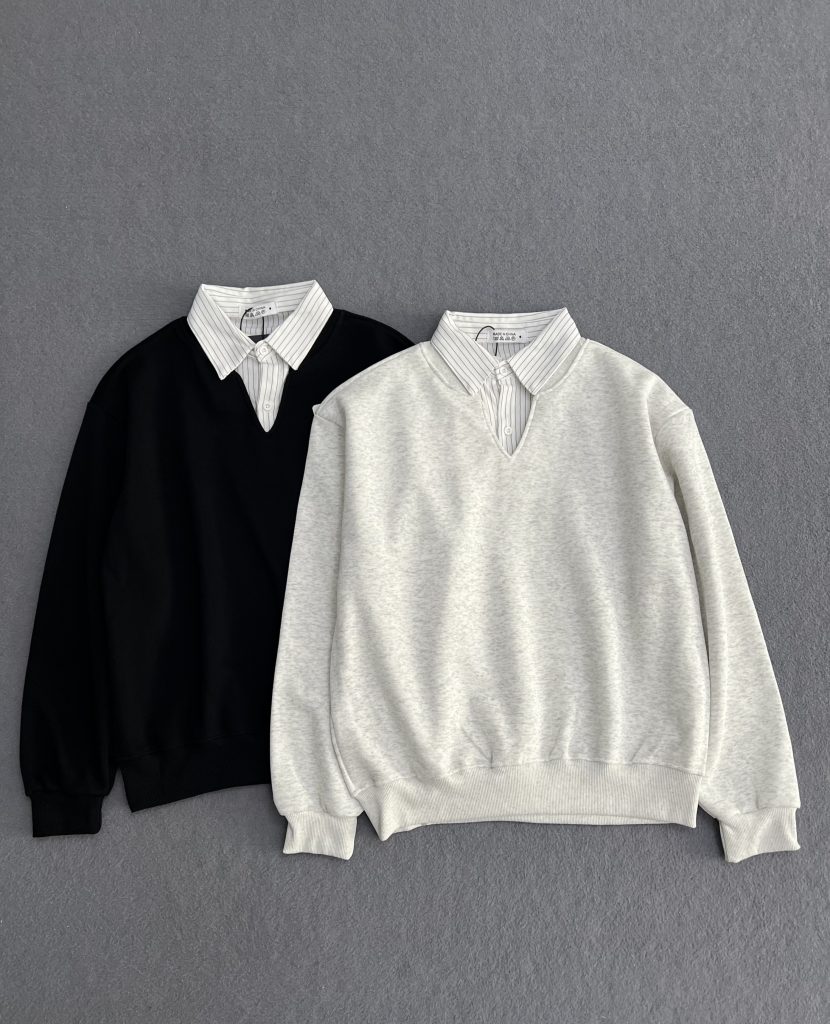
This expert guide provides clothing exporters with a comprehensive framework for succeeding in the global marketplace. It delves into actionable strategies for market selection, compliance, quality assurance, and marketing designed to generate high-value export inquiries. Built on the principles of E-E-A-T (Experience, Expertise, Authoritativeness, Trustworthiness), this original article offers unique insights and practical steps. Icons highlight crucial concepts, and an FAQ addresses common challenges—all presented without external references or promotional content.
The Global Landscape for Clothing Exporters
The role of a clothing exporter is dynamic, connecting manufacturers with international markets and navigating a complex web of trends, regulations, and logistical challenges. Success in this field requires more than just sourcing garments; it demands strategic planning, deep market understanding, and operational excellence. This article serves as a detailed manual for both new and established clothing exporters aiming to refine their processes, build a reputable brand, and systematically increase qualified buyer inquiries. We will explore proven methodologies, from initial market analysis to post-shipment follow-up, all grounded in industry expertise.
[Icon: Global Network] This icon symbolizes the interconnected nature of the modern garment export industry.
Core Strategies to Attract and Convert Export Inquiries
Generating a consistent stream of serious buyer inquiries is the lifeblood of any export business. This requires a proactive, multi-channel approach centered on credibility and clarity.
1. Building an Expert Online Presence
Your digital footprint is often a buyer’s first point of contact. An effective online strategy must demonstrate professionalism and deep industry knowledge.
-
Authority-Driven Website: Your website should function as a comprehensive resource, not just a catalog. Feature detailed sections on your production capabilities, compliance certifications, quality control processes, and ethical sourcing policies. Publishing original articles on topics like “Sustainable Fabric Trends for 2026” or “Navigating Tariff Shifts for EU Clothing Imports” positions you as a thought leader. [Icon: Digital Authority] A knowledge-rich website builds immediate trust with potential buyers.
-
SEO for Long-Tail Inquiries: Optimize your content for specific, high-intent search queries. Target keywords such as “reliable knitwear exporter for boutique brands,” “organic cotton clothing manufacturer for Europe,” or “MOQ for private label sportswear exporter.” These long-tail phrases attract buyers who are further along in their decision-making process and are more likely to convert into genuine inquiries. [Icon: Search Optimization] Precision in keyword targeting yields higher-quality leads.
2. Strategic Market Selection and Entry
Not all markets are equal for every exporter. A targeted approach is more effective than a scattered one.
-
Niche Specialization: Instead of being a general apparel exporter, consider specializing in a niche like technical outerwear, sustainable casual wear, or modest fashion. Specialization allows for deeper expertise, easier marketing, and often, better profit margins. It makes your business more memorable and referable. [Icon: Niche Focus] Specialization creates a competitive advantage in a crowded market.
-
Market-Specific Adaptation: Thoroughly research your target regions. Understand not just sizing and labeling requirements, but also cultural color preferences, seasonal timing, and dominant retail channels (e.g., department stores vs. e-commerce platforms). For instance, packaging that appeals to a Scandinavian minimalist brand will differ from that for a Middle Eastern luxury retailer. [Icon: Cultural Adaptation] Adaptation is key to product acceptance.
The End-to-End Export Process: A Step-by-Step Framework
A disciplined, transparent process is critical for operational success and building a reputation for reliability.
Step 1: Inquiry Analysis and Quotation
Upon receiving an inquiry, conduct a thorough analysis. Request detailed tech packs, fabric swatches, and target price points. Prepare a transparent, itemized proforma invoice (PI) that clearly breaks down costs: FOB price, fabric, trims, labor, profit margin, and any testing or certification fees. Avoid hidden charges to build trust from the outset. [Icon: Quotation] A clear, detailed quotation is the foundation of a professional relationship.
Step 2: Pre-Production Coordination
This stage prevents costly errors. Finalize and counter-sign all sample approvals, including fit, fabric, and production (PP) samples. Ensure all materials are sourced and lab-tested for colorfastness, shrinkage, and composition. Confirm all compliance documentation for fabrics (e.g., Oeko-Tex, GOTS) is in order. [Icon: Preparation] Meticulous pre-production planning prevents 80% of production issues.
Step 3: In-Line and Final Quality Control (QC)
Never rely solely on final inspection. Conduct in-line QC checks after major stages like cutting, sewing, and washing. A rigorous Final Random Inspection (based on AQL standards) should be performed on packed cartons before shipment. Provide buyers with detailed QC reports, including photos and measurement charts. [Icon: Quality Assurance] Consistent, documented QC is non-negotiable for exporter credibility.
Step 4: Logistics and Documentation Mastery
Choose freight forwarders with expertise in garment shipping. Ensure all export documents are accurate: Commercial Invoice, Packing List, Certificate of Origin, and Bill of Lading. For regulated markets, ensure all compliance documents (like the CA for the UK or EUR.1 for the EU) are correctly prepared. [Icon: Logistics] Flawless documentation ensures smooth customs clearance and on-time delivery.
Step 5: Post-Shipment Follow-Up
The relationship does not end at shipment. Follow up with the buyer once the goods arrive, asking for feedback on quality and the overall process. This provides valuable insights for improvement and demonstrates a commitment to partnership, encouraging repeat orders and referrals. [Icon: Partnership] Post-sale service transforms a one-time buyer into a long-term client.
Building Trust Through Compliance and Sustainability
Modern buyers prioritize ethical and sustainable practices. Demonstrating leadership in these areas is a powerful inquiry magnet.
-
Social Compliance: Adherence to standards like BSCI, SMETA, or WRAP is increasingly a prerequisite for major retailers. Conduct regular audits of your manufacturing units and be transparent about the results. [Icon: Ethics] Social compliance is a baseline requirement, not a luxury.
-
Environmental Standards: Offering garments with credible certifications (e.g., GOTS for organic textiles, Bluesign for chemical management, or GRS for recycled materials) meets a growing market demand. Develop a clear sustainability roadmap for your operations. [Icon: Sustainability] Environmental stewardship is a key differentiator.
Effective Costing and Negotiation for Exporters
Accurate costing protects your margins; strategic negotiation builds relationships.
-
Total Cost Analysis: Include every element: direct material and labor, overhead (factory rent, utilities), shipping, insurance, banking charges, and a buffer for unforeseen costs. A common mistake is underestimating overhead, which erodes profitability. [Icon: Cost Management] Comprehensive costing ensures financial health.
-
Value-Based Negotiation: Move the conversation beyond price per piece. Articulate the value of your on-time delivery, rigorous QC, design input, and compliance assurances. Be prepared to explain why your price is justified. [Icon: Negotiation] Negotiate on value, not just on cost.
Leveraging Trade Shows and Digital Marketing
-
Strategic Trade Show Participation: Choose shows aligned with your niche. Preparation is key: have flawless samples, a compelling brand story, knowledgeable staff, and a system for capturing and following up on leads within 48 hours. [Icon: Networking] Trade shows offer unmatched face-to-face relationship building.
-
Targeted Digital Outreach: Use professional platforms like LinkedIn to connect with buyers and brand owners. Share your expertise through posts about supply chain challenges or fabric innovations. A targeted, content-rich approach is more effective than mass email blasts. [Icon: Outreach] Strategic digital engagement fills the pipeline between trade shows.
FAQ: Frequently Asked Questions for Clothing Exporters
Q1: What is a typical Minimum Order Quantity (MOQ) for a clothing exporter?
A: MOQs vary widely based on garment complexity and fabric. For basic styles, MOQs can start at 300-500 pieces per style/color. For smaller runs or complex items, MOQs may be 1000 pieces or higher. Always discuss this transparently with your manufacturing partners and potential buyers upfront.
Q2: How do I ensure my garments comply with the import regulations of my target country?
A: Compliance is multi-faceted. You must understand labeling requirements (care, fiber content, country of origin), safety standards (e.g., CPSIA for USA, REACH for EU), and duty rates. Research the specific regulations of your target market thoroughly, often through their customs or trade authority website, and consider working with a testing and certification agency.
Q3: What are the key elements of a strong Tech Pack for exporting?
A: A professional tech pack leaves no room for ambiguity. It must include detailed flat sketches with all stitching and construction notes, a Bill of Materials (BOM) listing every component, approved fabric and trim swatches with supplier details, precise graded spec sheets with measurement tolerances, and clear artwork/print/embroidery files with placement guides.
Q4: What is the difference between FOB and EXW pricing, and which should I use?
A: Under EXW (Ex-Works), your price covers goods ready at your factory door; the buyer handles and pays for all shipping, insurance, and export formalities. Under FOB (Free On Board), your price includes getting the goods loaded onto the ship at the port of origin. FOB is more common and often preferred by buyers as it gives them control over the main shipping leg. Your quotation must clearly state the chosen Incoterm.
Q5: How can I effectively manage quality control from a distance?
A: Hire a reputable third-party inspection company based in the production region. They act as your eyes on the ground, conducting in-line, during-production, and pre-shipment inspections according to your specified AQL level. Provide them with your detailed tech packs and QC checklist. Regular, clear communication with the factory management is also essential.
Conclusion: Building a Sustainable Export Business
Success as a clothing exporter hinges on a strategic blend of market intelligence, operational rigor, and relationship management. By specializing in a niche, mastering the end-to-end export process, and building a reputation for quality, compliance, and reliability, you create a business that naturally attracts and retains high-value clients. Focus on communicating your unique value proposition clearly, leverage both digital and physical channels for outreach, and never compromise on the systems that ensure consistency. The journey requires patience and expertise, but by implementing the frameworks outlined in this guide, you can build a resilient, inquiry-rich, and profitable clothing export enterprise.
[Icon: Success] Sustainable export growth is built on a foundation of trust, quality, and strategic execution.


No reply content