
China Guangzhou custom curtains OEM
China
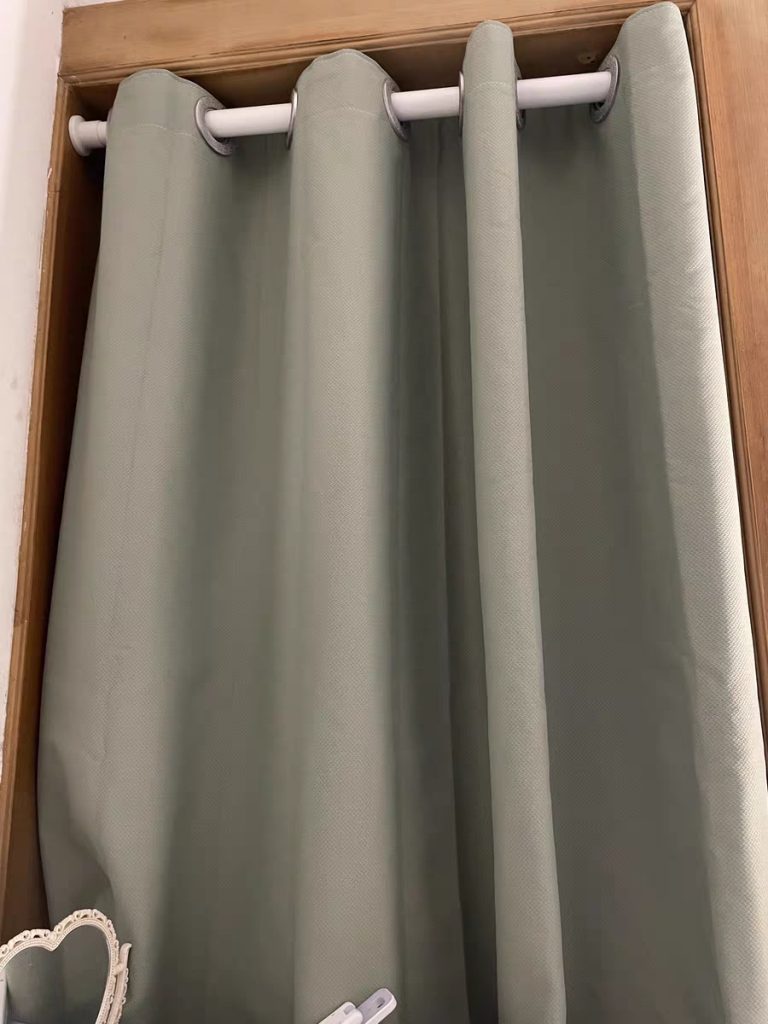
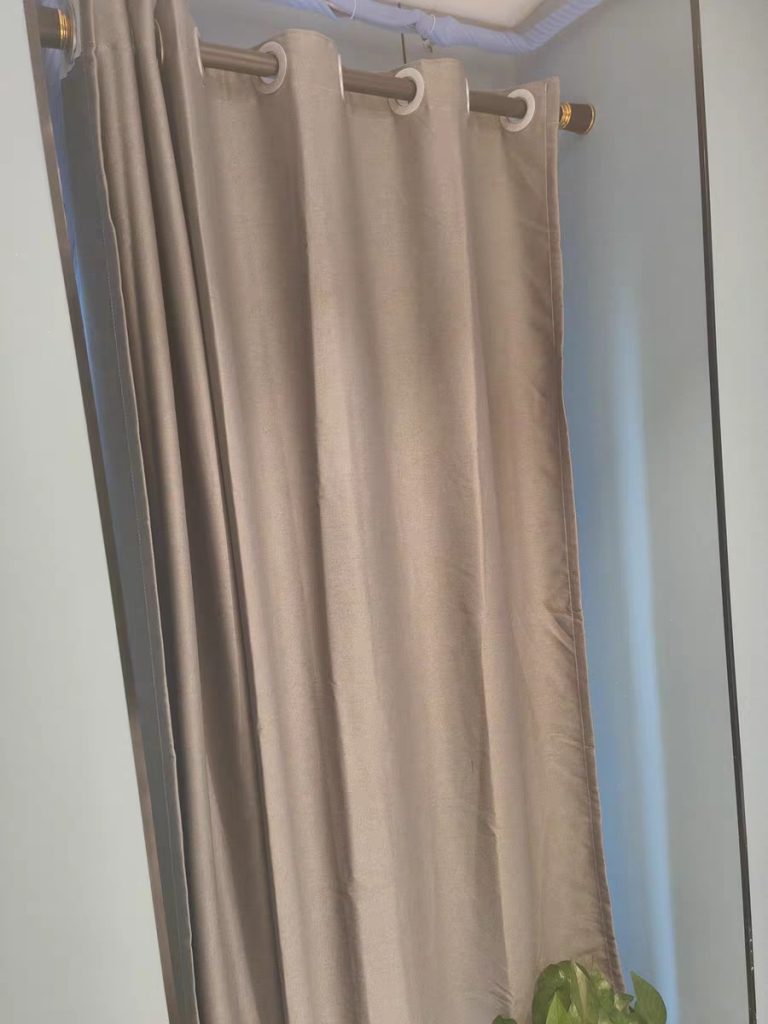
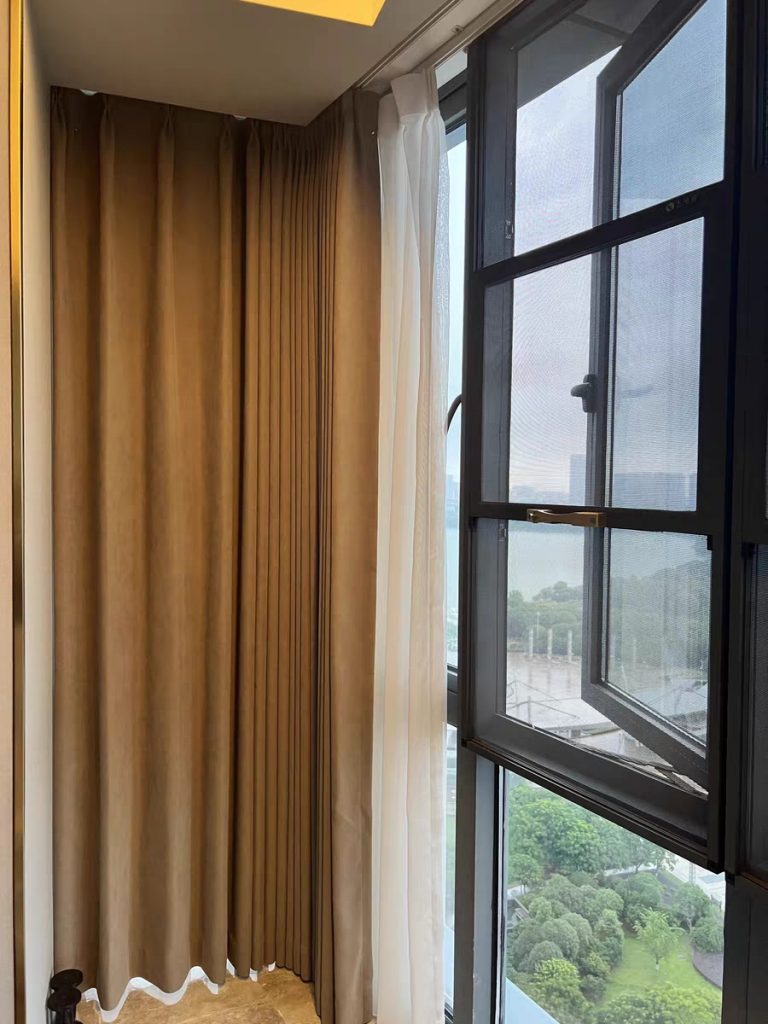
This professional guide provides international buyers, retailers, and wholesalers with a systematic framework for successfully sourcing and collaborating with curtain suppliers in China. It distills essential knowledge on supplier identification, quality assurance, customization, and logistics. Designed to be a self-contained, authoritative resource, it is crafted according to E-E-A-T principles, featuring original insights, actionable steps, and visual icons. The concluding FAQ addresses core procurement concerns, offering a trustworthy reference for your sourcing journey.
Navigating the World of Curtain Manufacturing and Supply
The global demand for window treatments—ranging from sheer curtains to motorized blackout solutions—is consistently met by a sophisticated and diverse manufacturing ecosystem. Sourcing directly from this network offers significant advantages in cost, customization, and scalability. However, success requires moving beyond a simple price comparison to establishing strategic, quality-focused partnerships. This guide provides a comprehensive roadmap, from identifying suppliers with the right capabilities to managing production and ensuring flawless delivery. The objective is to transform the procurement process from a transactional challenge into a reliable pillar of your business’s supply chain, generating valuable, long-term relationships.
[Icon: Compass] A strategic approach is essential for navigating the vast and varied landscape of curtain and drapery manufacturing.
Developing a Systematic Sourcing and Evaluation Methodology
A disciplined, phased approach is critical to differentiate between genuine manufacturers and intermediaries, ensuring you partner with a supplier capable of meeting your specific standards.
Phase 1: Targeted Supplier Discovery and Preliminary Vetting
The initial search must be precise to yield qualified leads.
-
Advanced Platform Search Tactics: Utilize international B2B platforms with advanced filters. Employ specific, long-tail keyword combinations that reflect deep intent. Instead of generic terms like “China curtain supplier,” use precise phrases such as “custom-made blackout drapery manufacturer for hotels,” “sheer curtain OEM with digital printing,” or “motorized curtain track system factory.” This language attracts specialized manufacturers rather than general traders. [Icon: Precision Search] Targeted keyword strategies connect you with partners who have the exact technical capabilities you need.
-
Capability-Based Preliminary Assessment: Scrutinize online profiles for evidence of integrated manufacturing. Key indicators include detailed photographs or videos of in-house processes: fabric weaving or sourcing, cutting rooms, sewing and stitching stations, pleating or heading equipment (for pinch pleat or eyelet curtains), and quality control areas. A supplier’s focus on “OEM” and “ODM” services over simple “product” listings is a positive sign of customization capability. [Icon: Magnifying Glass] Initial digital vetting filters for suppliers with control over their production chain.
Phase 2: The Foundational Verification Process
Verification is a non-negotiable step to confirm legitimacy and capability.
-
Documentary Verification: Request the supplier’s official Chinese Business License. A credible partner will provide this promptly. Analyze the registered business scope; it should explicitly include “manufacturing” and “import & export rights.” Ask for proof of experience with your target market, which can be demonstrated through knowledge of specific certifications (e.g., fire retardancy standards for the UK or US) or familiarity with regional shipping logistics. [Icon: Document Verification] Confirming legal and operational credentials establishes a baseline for trust.
-
The Virtual Factory Audit: An on-site visit is ideal, but a comprehensive live video tour is a powerful alternative. Schedule a video call and request a guided walk-through. Ask to see specific areas: the fabric roll storage, the cutting tables, the sewing lines (note the machines—industrial sergers, blind stitch machines), the quality inspection station, and the packing area. Observe the workflow, housekeeping, and technology. This process reveals transparency, scale, and professionalism. [Icon: Video Audit] A live virtual tour provides undeniable insight into operational reality and capacity.
Managing the End-to-End Customization and Production Workflow
Effective project management after supplier selection ensures the final product matches your design and quality expectations.
Step 1: The Comprehensive Specification Package (Tech Pack)
Clarity in specification prevents errors. Your tech pack must be exhaustive and include:
-
Detailed Technical Drawings: Precise diagrams with all finished dimensions, hem depths, pleat/eyelet specifications, and header tape types.
-
Material Specifications Sheet (Bill of Materials): Exact details for every component: fabric composition (e.g., 100% polyester, linen blend), weight (GSM), weave, color (with Pantone or physical swatch), blackout coating level, thread type, and hardware (hooks, rings).
-
Finishing and Functionality Requirements: Specify stitch types (e.g., single/double needle, lock stitch), seam allowances, and any functional needs like thermal lining, lead tape in hems, or UV protection treatment.
-
Packaging and Labeling Instructions: Detail how each curtain should be folded/packed, polybag requirements, hangtag info, and carton labeling for easy identification.
[Icon: Blueprint] An unambiguous tech pack is the single most effective tool to prevent costly production mistakes and ensure consistency.
Step 2: The Critical Sampling Protocol
Sampling is the phase to confirm all specifications before mass production.
-
Development Sample: The first sample, confirming design, fabric hand-feel, and basic construction. It may not use the final production fabric.
-
Pre-Production (PP) Sample: Manufactured on the production line with all correct final materials and components. This sample must be rigorously tested for dimensions, stitching, color fastness, and function (e.g., blackout efficacy). Your formal, written approval of the PP sample authorizes mass production and serves as the physical quality benchmark for the entire order. [Icon: Sample Seal] The approved PP sample is the contractual quality standard for the full production run.
Step 3: Multi-Stage Production and Quality Monitoring
Quality must be built into the process, not just inspected at the end.
-
In-Line Quality Checks (ILQC): Require the factory’s QC team to provide documented checkpoints at key stages: after fabric spreading and cutting, after main panel sewing, after lining attachment/heading application. Photos or short videos should be provided.
-
Final Random Inspection (FRI) / Pre-Shipment Inspection (PSI): Engage a professional third-party inspection company. The inspector, using AQL sampling standards, will select packed cartons at random, inspect curtains against the approved PP sample and tech pack, check packaging, and issue a detailed report. This is your final safeguard before shipment. [Icon: Inspection Checklist] Independent, statistically valid final inspection protects your financial investment.
Fostering Effective Partnership and Communication
A collaborative relationship with your supplier yields better outcomes than a purely transactional one.
-
Total Cost Analysis and Communication: Negotiate with a full understanding of the “total landed cost” (product, tooling, freight, duties). Frame challenges collaboratively: “To meet our market’s price point, can we explore alternative fabric options that maintain our quality standard for drape and durability?” This invites problem-solving. [Icon: Handshake] Partnership-focused communication builds supplier loyalty and fosters innovation.
-
Compliance and Testing Mandates: Different markets have strict regulations. For the EU, ensure fabrics comply with REACH (chemicals) and fire safety standards. For the US, ensure compliance with CPSC regulations. Always request and verify valid test reports from accredited laboratories (e.g., SGS, Intertek) for key properties: color fastness (to light and washing), dimensional stability, and fire retardancy. [Icon: Compliance Shield] Regulatory compliance is a legal imperative, not an optional extra.
Key Considerations for Successful Curtain Sourcing
-
Fabric Sourcing Strategy: Determine if your supplier sources fabric from mills or produces it in-house. For large orders, consider “fiber-to-finished-product” traceability, especially for claims like “100% organic cotton” or “recycled polyester.” Establish clear fabric approval procedures, including lab dips for color matching. [Icon: Fabric Roll] Control over the fabric supply chain is critical for consistency and certification.
-
Lead Time Realism: Provide realistic timelines. Custom curtain production involves multiple stages: fabric procurement, sample approval, mass production, and QC. For a standard container load of custom drapes, a 45-60 day production time, plus shipping, is typical. Rushed orders compromise quality and increase costs. [Icon: Timeline] Realistic scheduling is the foundation of a stress-free production cycle.
FAQ: Essential Questions for Sourcing Curtains from China
Q1: How do I ensure the color of the fabric matches my sample or design exactly?
A: The industry standard is the “lab dip” process. You provide a physical color swatch (or Pantone number). The supplier’s fabric mill produces small dye lots (lab dips) for your approval. You must approve a lab dip under controlled lighting conditions before bulk fabric production begins. This signed approval is your benchmark for bulk fabric color.
Q2: What are the most important quality tests for curtains?
A: Key tests include: 1) Color Fastness (to light and washing per ISO or AATCC standards), 2) Dimensional Stability (shrinkage after washing), 3) Seam Slippage/Srength, and 4) for functional curtains, Blackout Performance (measured as a percentage of light blocked) and Fire Retardancy (test reports specific to your market, e.g., BS 5867 for UK). Always request recent test reports.
Q3: What is a standard MOQ for custom curtains from China?
A: MOQs vary. For completely custom designs (custom fabric, size, heading), MOQs typically start at 500-1000 meters per fabric/design. For semi-custom options (standard fabric, custom size), MOQs can be lower, around 100-200 pairs per design. For stock designs, MOQs may be even more flexible. Always clarify this upfront.
Q4: How should curtains be packed for export to prevent damage and creasing?
A: Professional export packing involves: 1) Each curtain should be lightly folded, not tightly compressed. 2) Individual polybag wrapping to prevent moisture and dust. 3) Use of tissue paper or foam interleaving for delicate fabrics. 4) Packing in strong, 5-ply export cartons with proper fillers to prevent movement. 5) Hanging systems (hooks, rings) should be bagged separately and included in the package. Avoid vacuum packing for most fabrics, as it creates deep, hard-to-remove creases.
Q5: What are the key differences in working with a factory versus a trading company for curtains?
A: A factory provides direct control over production, quality, and timelines, often at a better price for larger orders. A trading company acts as a middleman, offering convenience, lower MOQs, and product assortment from multiple factories, but with less direct control and a higher price. For buyers with specific technical needs, volume, and quality focus, partnering directly with a verified factory is usually more advantageous. A factory will be eager to show you its production process in detail.
Conclusion: Building a Resilient Supply Chain Partnership
Successfully sourcing curtains from China is a strategic exercise in partnership building and meticulous process management. It extends far beyond finding the lowest price to identifying a supplier whose capabilities, quality ethos, and communication style align with your business goals. By implementing the methodology outlined in this guide—beginning with forensic supplier verification, establishing crystal-clear specifications, enforcing a rigorous sampling and quality control protocol, and fostering collaborative communication—you establish a foundation for reliability and excellence. This disciplined approach transforms your supplier from a distant vendor into a true extension of your operations, capable of delivering consistent quality, supporting your brand reputation, and adapting to your evolving market needs. In the competitive world of retail and contract furnishings, such a partnership is not just a sourcing advantage; it is a core component of sustainable business growth.
[Icon: Partnership Growth] The ultimate goal is to cultivate a transparent, responsive, and quality-driven manufacturing partnership that scales and evolves with your business, ensuring long-term success in the global marketplace.


No reply content