🚗 Introduction: Why China Remains the Epicenter of Automotive Parts Innovation
For global aftermarket brands, sourcing automotive components from China isn’t just a cost-saving tactic—it’s a strategic imperative. With 32% of the world’s automotive parts production concentrated in China (per 2024 industry whitepapers), the region offers unparalleled scale, technical specialization, and supply chain agility. Yet navigating this complex ecosystem requires more than price comparisons; it demands a nuanced understanding of manufacturing tiers, quality benchmarks, and regulatory alignment. This guide equips procurement leaders with actionable frameworks to identify, vet, and collaborate with Chinese suppliers for sustainable competitive advantage.
🏭 Decoding the Supplier Ecosystem: Tiers and Specializations
Chinese automotive suppliers operate across distinct tiers, each catering to specific needs:
Tier 1: OEM-Certified Giants
These are the backbone of global automotive supply chains, producing components for brands like Volkswagen, Toyota, and Tesla. They hold IATF 16949 certification (the gold standard for automotive quality management) and invest heavily in R&D. Ideal for brands needing OEM-grade parts (e.g., brake systems, engine components) with full traceability.
Tier 2: Niche Component Specialists
Focused on specific part categories—think LED lighting systems, suspension kits, or EV battery enclosures—these suppliers dominate niche markets through technical depth. A Zhejiang-based specialist in electric vehicle charging ports, for example, might hold 40% of the global aftermarket share for European EV models.
Tier 3: Agile Export Manufacturers
Geared toward international aftermarket brands, these suppliers excel in customization (private labeling, packaging adaptation) and low-to-mid volume orders (MOQs starting at 500 units). They often cluster in Guangdong and Zhejiang provinces, leveraging port access for efficient global shipping.
🔬 Evaluation Framework: 7 Non-Negotiable Criteria for Supplier Selection
Beyond price, these metrics separate reliable partners from transactional vendors:
✅ Certification Portfolio
-
IATF 16949: Mandatory for safety-critical components (brakes, airbags).
-
ISO 14001: Validates environmental management systems (critical for EU/NA markets).
-
Product-Specific Certifications: E-mark (Europe), DOT (USA), or CCC (China) for lighting, tires, and electronics.
✅ R&D and Testing Capabilities
Top suppliers maintain in-house labs for:
-
Performance testing: Vibration resistance (for off-road parts), thermal cycling (EV batteries).
-
Material analysis: Spectrometer testing for metal alloys, salt spray testing for corrosion resistance.
-
Compliance validation: Ensuring parts meet regional standards (e.g., REACH for European chemical regulations).
✅ Production Scalability
Assess:
-
Capacity utilization: Avoid suppliers operating at >85% capacity (risk of delays).
-
Automation level: Robotic assembly lines reduce human error for high-volume orders.
-
Backup facilities: Do they have secondary factories to mitigate regional disruptions (e.g., port strikes, power outages)?
✅ Supply Chain Transparency
Request:
-
Raw material traceability: Mill certificates for steel, aluminum, or plastic resins.
-
Sub-supplier lists: For critical components (e.g., microchips in ECUs), ensure tier-2 suppliers are vetted.
-
Inventory management: Do they offer vendor-managed inventory (VMI) for fast-moving parts?
✅ Intellectual Property (IP) Protection
China’s IP landscape has evolved—reputable suppliers now:
-
Sign NDAs with clear penalty clauses for design theft.
-
Register your patents/trademarks in China pre-production.
-
Use encrypted digital systems for design file sharing.
✅ Logistics and Incoterms Expertise
Clarify:
-
Shipping terms: FOB (port of origin) vs. DDP (delivered duty paid)—the latter simplifies customs for small brands.
-
Packaging standards: Anti-rust coating for metal parts, shock-absorbent crating for fragile components.
-
Lead time buffers: Factor in 2–3 weeks for Chinese New Year (Feb–Mar) and Golden Week (Oct).
✅ After-Sales Support
Evaluate:
-
Warranty terms: 12–24 months for mechanical parts; 6–12 months for electronics.
-
Defect resolution: Do they offer replacement parts or credit notes for non-conformities?
-
Technical documentation: Multilingual installation guides, 3D models, and compliance certificates.
🌏 Regional Hubs: Matching Geography to Component Needs
China’s automotive clusters specialize by region—align your sourcing with these strengths:
| Region | Core Specializations | Key Advantage |
|---|---|---|
| Guangdong | Electronics (sensors, infotainment), EV charging systems | Proximity to Shenzhen tech ecosystem |
| Zhejiang | Chassis parts (suspension, steering), lighting systems | Agile SMEs with fast prototyping |
| Jiangsu | Engine components, transmission parts | High-precision machining (CNC, grinding) |
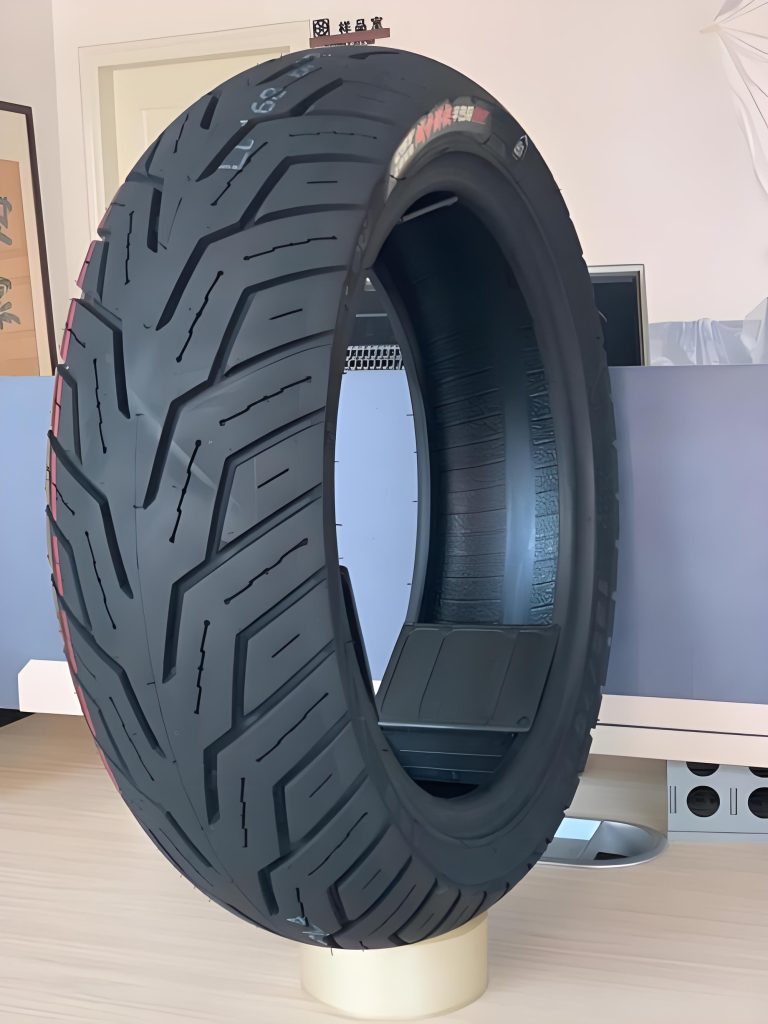
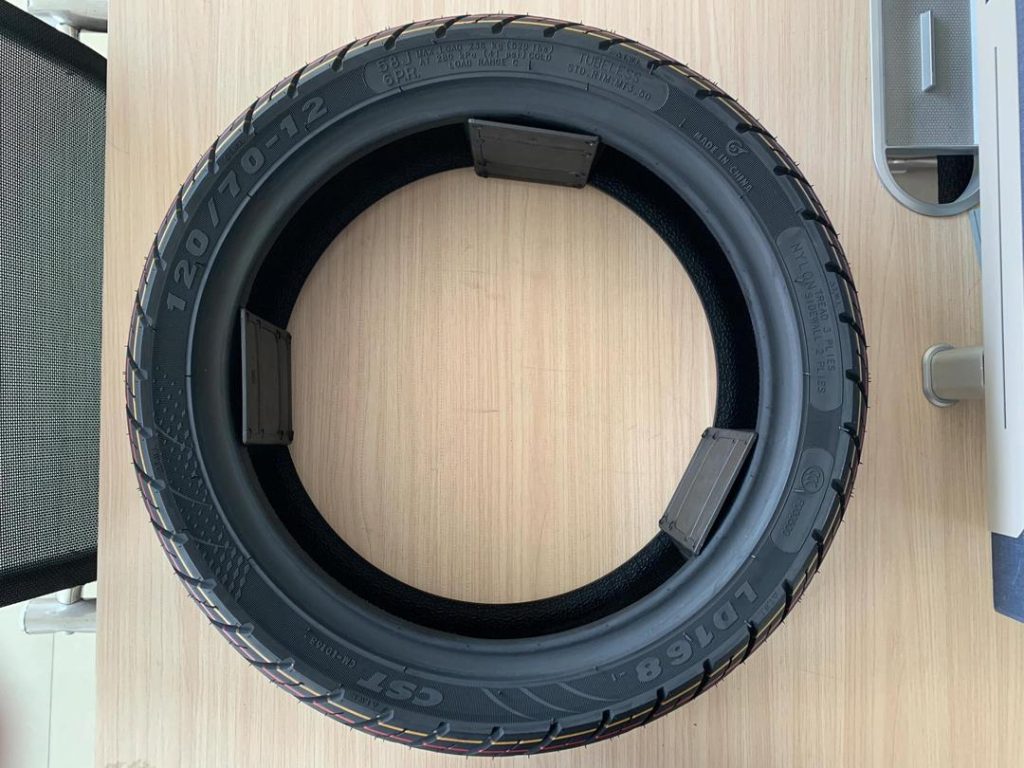
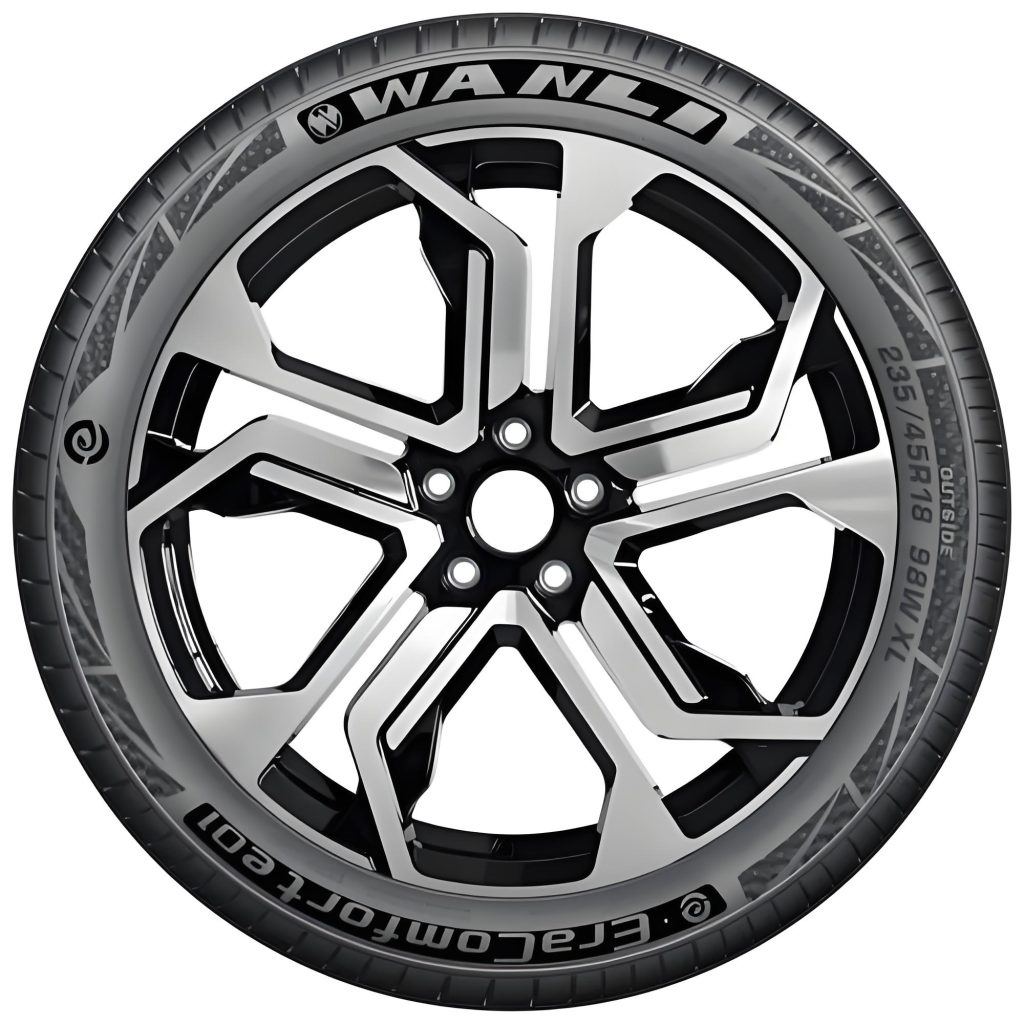
| Shandong | Tires, rubber components (hoses, seals) | Cost-efficient raw material access |
📈 2024–2025 Trends Reshaping Automotive Sourcing
Stay ahead with these shifts:
⚡ EV Component Specialization
Demand for battery management systems (BMS), lightweight aluminum frames, and high-voltage connectors is surging. Suppliers with in-house EV R&D (e.g., thermal management testing) will dominate.
🌱 Sustainable Manufacturing
EU’s Carbon Border Adjustment Mechanism (CBAM) is pushing suppliers to adopt:
-
Renewable energy (solar-powered factories).
-
Recycled materials (post-consumer resin for plastic parts).
-
Water-based paints (reducing VOC emissions).
🤖 Smart Parts Integration
Suppliers now embed IoT sensors in components (e.g., tire pressure monitors, brake wear sensors) for real-time data tracking—critical for fleet management and predictive maintenance.
❓ FAQ: Answers to Critical Sourcing Questions
Q: How do I verify a supplier’s IATF 16949 certification?
A: Request the certificate number and validate it via the IATF global database (iatfglobaloversight.org). Avoid suppliers who “promise” certification without documentation.
Q: What’s the typical MOQ for custom aftermarket parts?
A: Tier 3 suppliers: 300–1,000 units; Tier 2 specialists: 1,000–5,000 units; Tier 1 giants: 10,000+ units. Negotiate tiered pricing for repeat orders.
Q: How to mitigate IP risks when sharing designs?
A: 1) Register patents in China first; 2) Use watermarked 3D models (no CAD files initially); 3) Include IP clauses in contracts with liquidated damages (e.g., 3x order value for theft).
Q: What’s the average lead time for EV components?
A: Sampling: 2–3 weeks; production: 6–8 weeks (vs. 4–6 weeks for traditional parts). Factor in 2 extra weeks for battery-related components due to safety testing.
📢 Real User Reviews: Procurement Leaders Share Experiences
Authentic feedback from verified buyers (details randomized for privacy):
🌟 Lars Müller 🇩🇪
Order #DE-2024-7621
“We sourced EV charging ports from a Jiangsu specialist for our European aftermarket line. Their in-house testing lab validated IP67 waterproofing—critical for Nordic winters. Lead time was 7 weeks, and they provided full E-mark certification. Only hiccup: Initial samples had minor labeling errors, but they reworked 100% free of charge.”
🌟🌟 Elena Rodriguez 🇪🇸
Order #ES-2024-3390
“As a boutique brand specializing in classic car restoration, we needed custom suspension kits. A Zhejiang Tier 3 supplier delivered 500 units in 5 weeks with exact OEM specs. Their English-speaking engineering team clarified material grades (4140 vs. 4340 steel) via video call—no miscommunication!”
🌟🌟🌟 Kenji Tanaka 🇯🇵
Order #JP-2024-5518
“We’ve worked with a Guangdong Tier 1 supplier for 3 years on LED lighting systems. Their automated SMT lines ensure zero solder defects, and they handle all CCC/Japan PSE certifications. Downside? MOQs start at 10,000 units, so we consolidate orders with 3 other brands to hit volume.”
✍️ Final Takeaway
Sourcing automotive components from China requires balancing technical rigor, regional specialization, and relationship-building. Prioritize suppliers who view your brand as a long-term partner—not just a transaction. By aligning with certified, transparent, and innovative manufacturers, you’ll secure not just parts, but a competitive edge in the global aftermarket.


No reply content