
Dongguan PremiumGift BoxPackaging
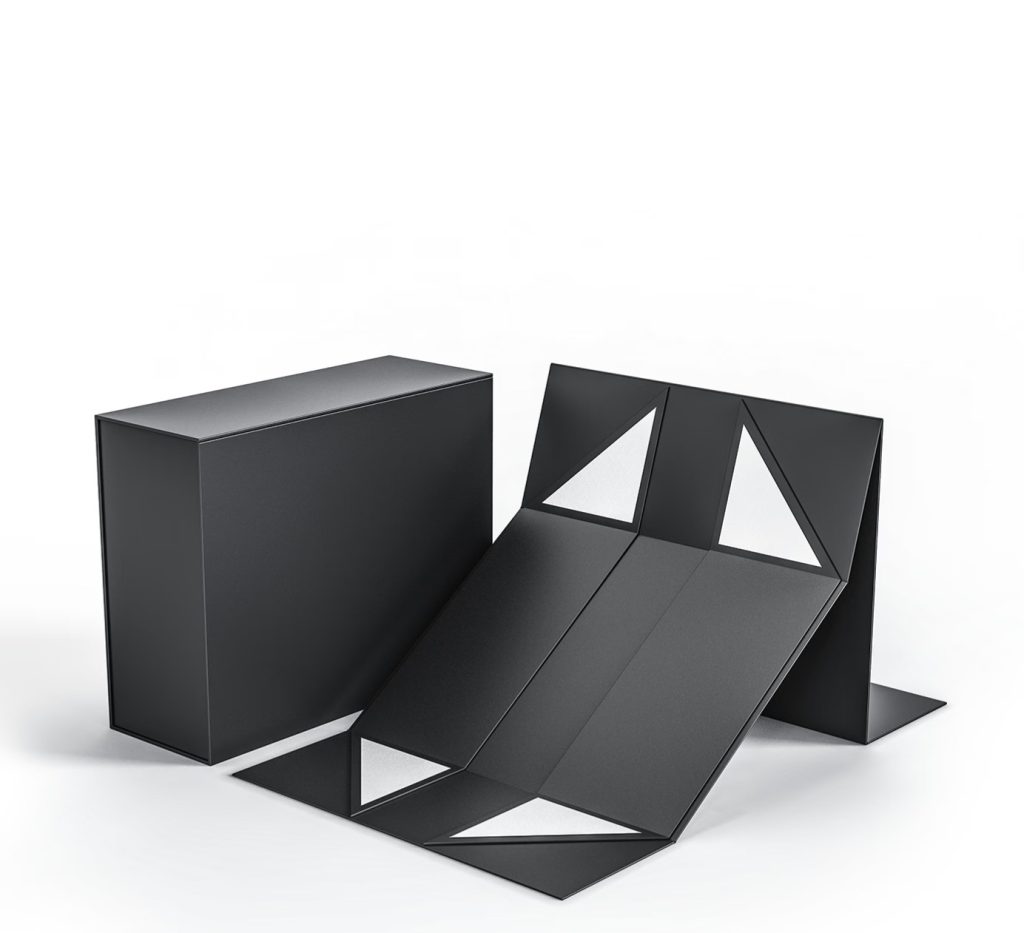
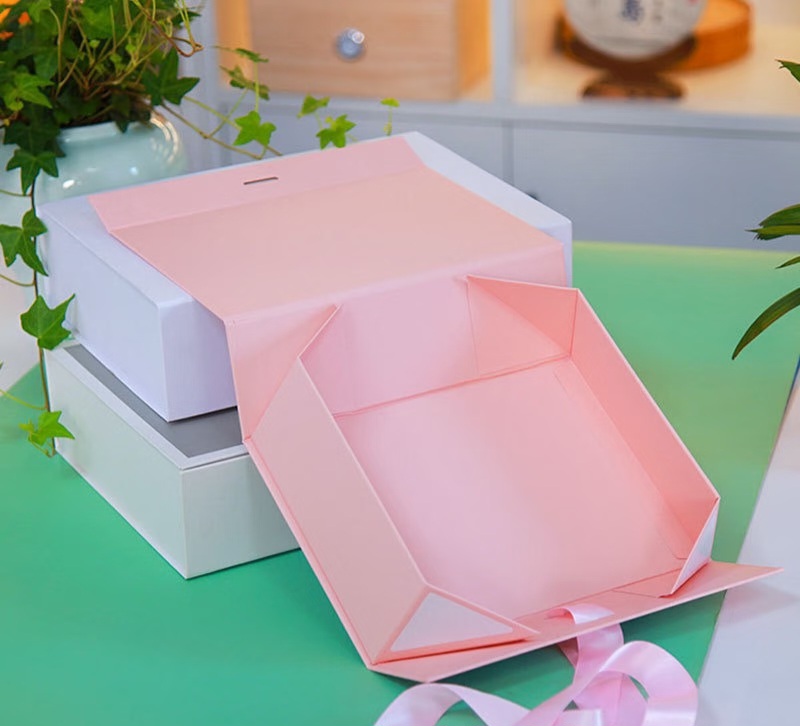
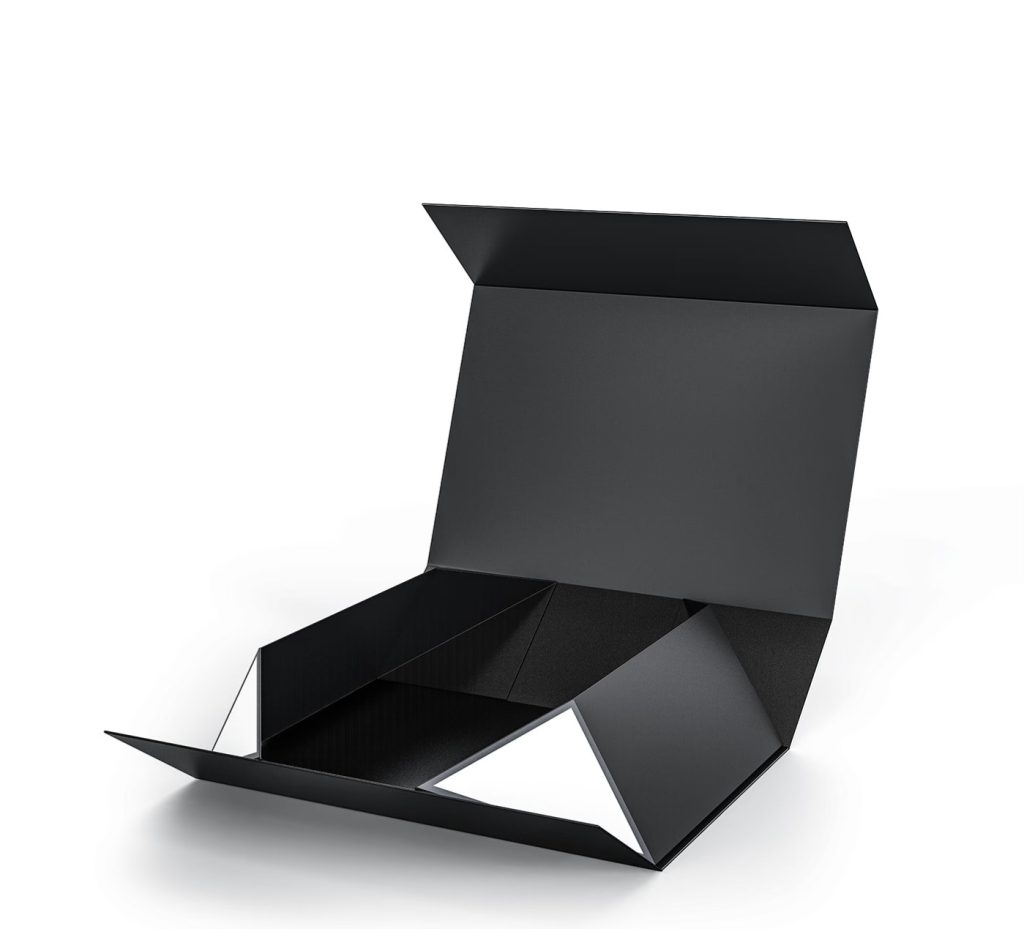
This professional guide provides importers, brand managers, and procurement specialists with a structured framework for identifying, vetting, and collaborating with expert gift box and packaging suppliers in China. It focuses on the nuances of custom packaging, from design and material selection to quality assurance and logistics. Adhering to E-E-A-T principles, this article delivers original, actionable insights to help you build reliable supply chains. Key concepts are highlighted with icons, and a targeted FAQ addresses critical sourcing questions, all presented as an independent, authoritative resource.
Navigating the Custom Gift Box Manufacturing Ecosystem
The global demand for premium, custom packaging is met by a sophisticated and highly specialized manufacturing sector. Sourcing these products—ranging from rigid paper boxes and magnetic closure cases to intricate molded pulp trays and luxury finishes—requires a distinct approach compared to standard commodity sourcing. Success depends on partnering with suppliers who combine manufacturing capability with design sensitivity and consistent quality control. This guide provides a strategic, step-by-step methodology for building a supply partnership that transforms packaging from a simple container into a critical component of your brand experience and unboxing journey, ultimately enhancing product value and customer perception.
[Icon: Precision Tool] Sourcing premium packaging requires a meticulous approach focused on craftsmanship, consistency, and brand alignment.
A Strategic Framework for Identifying and Qualifying Suppliers
The gift box market includes a wide spectrum of players, from basic converters to fully integrated design and manufacturing studios. Discerning the right partner is foundational to success.
Phase 1: Targeted Discovery and Capability Assessment
Your search must move beyond generic terms to identify specialists.
-
Specialized Platform Searches: Utilize industry-specific keywords that signal custom manufacturing capability. Instead of broad terms like “gift box supplier,” use precise long-tail phrases such as “custom rigid box manufacturer with spot UV coating,” “eco-friendly folding carton supplier for cosmetics,” or “luxury gift set packaging OEM factory.” This filters for suppliers with specific technical and finishing expertise. [Icon: Target] Specific search terms connect you with suppliers who have the precise technical capabilities your project demands.
-
Deep Capability Analysis: Scrutinize supplier portfolios for evidence of end-to-end control. A capable manufacturer showcases not just final products, but the process: in-house design samples, material swatch libraries, foil stamping/embossing dies, and automated gluing/finishing lines. Look for a strong emphasis on “OEM/ODM” services, “small MOQ” flexibility, and a portfolio that demonstrates understanding of different industries (e.g., cosmetics, electronics, food). [Icon: Factory Floor] Evidence of integrated manufacturing processes, from design to finishing, is the hallmark of a true factory partner.
Phase 2: The Foundational Due Diligence and Verification
Verification is essential to confirm a supplier’s ability to execute on quality, not just price.
-
Operational Transparency Audit: Request a live virtual tour of the facility. A legitimate manufacturer will readily showcase their production floor. Key areas to request seeing include: the CAD/CAM and sample-making room, the printing department (with digital and offset presses), the foiling and embossing stations, the die-cutting and creasing machines, and the final assembly and quality inspection area. This reveals their technical depth and operational scale. [Icon: Live Feed] A virtual factory tour provides real-time verification of capabilities and professionalism.
-
Material and Compliance Verification: Packaging for consumer goods, especially for cosmetics, food, or electronics, often has strict compliance requirements. Discuss material certifications upfront: FSC-certified paperboards, food-grade inks and coatings, or REACH/Proposition 65-compliant materials. Request to see material safety data sheets (MSDS) or test reports for key components. [Icon: Seal] Verifying material compliance and certifications is non-negotiable for market access and brand safety.
Managing the End-to-End Customization and Production Workflow
Custom packaging projects are complex and require detailed, phase-gated management to ensure the final product matches the creative vision and functional requirements.
Step 1: The Comprehensive Design and Specification Phase
Clarity at this stage prevents costly errors. Your technical package must include:
-
3D Structural Design Files: Provide or co-create precise dieline/structural drawings in AI or CAD format, specifying all dimensions, folds, and glue flaps.
-
Detailed Bill of Materials (BOM): Specify every component: Paperboard grade and thickness (e.g., 2mm greyboard), interior lining material (e.g., 210gsm coated paper, velvet), specific foil colors (PANTONE Metallic), and all accessories (ribbons, magnets, hinges).
-
Signed-Off Graphic Artwork: Provide print-ready, high-resolution artwork files with proper bleed, trim marks, and separated color layers. Clearly indicate all finishing requirements: spot UV areas, emboss/deboss depth, hot stamping locations.
-
Approved Physical Mock-Ups: Never proceed without a signed-off 3D physical mock-up (a “dummy”) and material/color swatches. This is the single source of truth for mass production. [Icon: Prototype] The approved sample mock-up is the contractual and physical benchmark for the entire production run.
Step 2: The Critical Sampling Protocol
A rigorous sampling process bridges design and mass production.
-
Engineering Sample (White Sample): The first sample, made in plain white material, is to verify the structure, fit, and function. Check all folds, closures, and dimensional accuracy.
-
Pre-Production (PP) Sample: This is the gold standard sample. It is produced on the actual production line using all correct final materials, printing, and finishing. It must be rigorously compared to the signed-off mock-up and artwork. Only upon your formal written approval of the PP sample should mass production commence. [Icon: Approved Stamp] The approved PP sample is the definitive quality standard for the entire order.
Step 3: In-Process and Final Quality Control
Quality must be monitored throughout production, not just at the end.
-
In-Process Quality Checks (IPQC): The factory’s QC team should perform and document checks at critical stages: after printing, after foil stamping/embossing, and after die-cutting. Request photographic evidence at these stages. For large orders, consider scheduling a mid-production inspection to check color consistency and material alignment.
-
Final Random Inspection (FRI): Engage a third-party inspection firm to perform an AQL-based check on the finished, packed goods. The inspector will verify quantity, workmanship, dimensions, function, and packaging against the approved PP sample. They will also check for consistency in color, finishing, and any cosmetic defects. [Icon: Inspection] An independent final inspection is the ultimate safeguard for your investment.
Key Commercial and Logistical Considerations
-
Costing Structure Understanding: The unit cost is influenced by: 1) Material cost (paperboard, fabric, accessories), 2) Printing cost (number of colors, special inks), 3) Finishing cost (complexity of foiling, embossing, UV), 4) Labor cost (manual assembly vs. automation), and 5) Tooling cost (dies, molds, foil stamps). A detailed, itemized quotation helps in value analysis. [Icon: Cost Analysis] Understanding the cost drivers enables intelligent value engineering and fair negotiation.
-
Logistics and Packaging for Shipment: Custom boxes are often bulky and can be fragile. Discuss “nested” or “KD” (knocked-down) shipping to save volume and cost. Ensure master cartons are strong (5-ply or double-wall) and that inner packaging includes corner protectors and sufficient void fill to prevent crushing during transit. [Icon: Package] Planning for protective logistics packaging is essential to ensure your custom boxes arrive in perfect condition.
FAQ: Essential Questions for Sourcing Custom Gift Boxes from China
Q1: What is a typical MOQ for custom gift boxes, and what factors influence it?
A: MOQs vary widely based on complexity. For simple 2-piece rigid boxes with standard printing, MOQs can start at 500-1,000 pieces. For complex designs involving custom molds, multi-step foiling/embossing, or intricate assemblies, MOQs may be 3,000-5,000 units or higher. The primary cost and MOQ drivers are the tooling (cutting dies, embossing plates) and machine setup time. Discussing a slightly simplified design can often significantly reduce the MOQ.
Q2: What are the most common materials used for premium gift boxes, and how do I choose?
A: Common materials include: 1) Paperboard: Greyboard wrapped with art paper, textured paper, or fabric. Defines the box’s rigidity. 2) Finishing Materials: The outer wrap (e.g., matte/gloss lamination, soft-touch coating) and interior lining (e.g., suede cloth, velvet, flocking). 3) Specialty Options: Molded pulp for eco-friendly cushioning, acrylic for clear tops, or wood veneer. The choice depends on your brand aesthetic (luxury, eco-friendly, modern), product weight, and budget. Always request physical material swatches.
Q3: How do I ensure color accuracy between my design and the final printed box?
A: Professional color management is key. Provide print-ready artwork in CMYK mode with Pantone (PMS) colors specified for critical brand elements. The supplier should provide physical color proofs (digital or offset) for your approval before the print run. For absolute accuracy, a press check (where you approve the first sheets off the press) is recommended for large or critical orders. Remember, colors on a computer screen (RGB) are not an accurate representation of final printed ink (CMYK).
Q4: What are the main quality defects to watch for during inspection?
A: Key defects include: Structural: Warping of the board, improper glue application (oozing or weak bonds), lids that are too tight/loose. Printing/Finishing: Color variation, misalignment of printing to the die-cut shape, scratches on lamination, inconsistent foil stamping. Cosmetic: Dents, scratches, or dirt on the surface. Your inspection checklist and approved PP sample should clearly define acceptable tolerances for these issues.
Q5: How should I plan for lead times from design to delivery?
A: Lead times are typically longer than for standard products. A realistic timeline is: Design & Sampling: 2-4 weeks (for creating dielines, mock-ups, and PP samples). Production: 4-6 weeks for manufacturing (after sample approval), depending on order size and complexity. Shipping: 3-5 weeks for sea freight. In total, a 10-15 week timeline from order confirmation to receipt of goods is common. Always build in buffer time for sample revisions and Chinese holidays.
Conclusion: Building a Strategic Packaging Partnership
Sourcing custom gift boxes from China successfully is an exercise in precision partnership. It requires aligning with a supplier that possesses not just manufacturing machinery, but also design support, technical problem-solving skills, and an unwavering commitment to quality control. By implementing the strategic framework outlined—beginning with deep supplier verification, moving through a meticulous specification and sampling process, and enforcing rigorous quality assurance—you transform a procurement task into a brand-enhancing collaboration. This disciplined approach ensures your packaging consistently meets the highest standards of aesthetics and durability, protecting your products, delighting your customers, and solidifying your brand’s market position. The right supplier becomes a true extension of your brand’s promise, delivering the unboxing experience that defines modern commerce.
[Icon: Partnership] The ultimate goal is to establish a collaborative, transparent, and quality-driven partnership that consistently translates your brand vision into tangible, exceptional packaging.


No reply content