
China lychee supplier
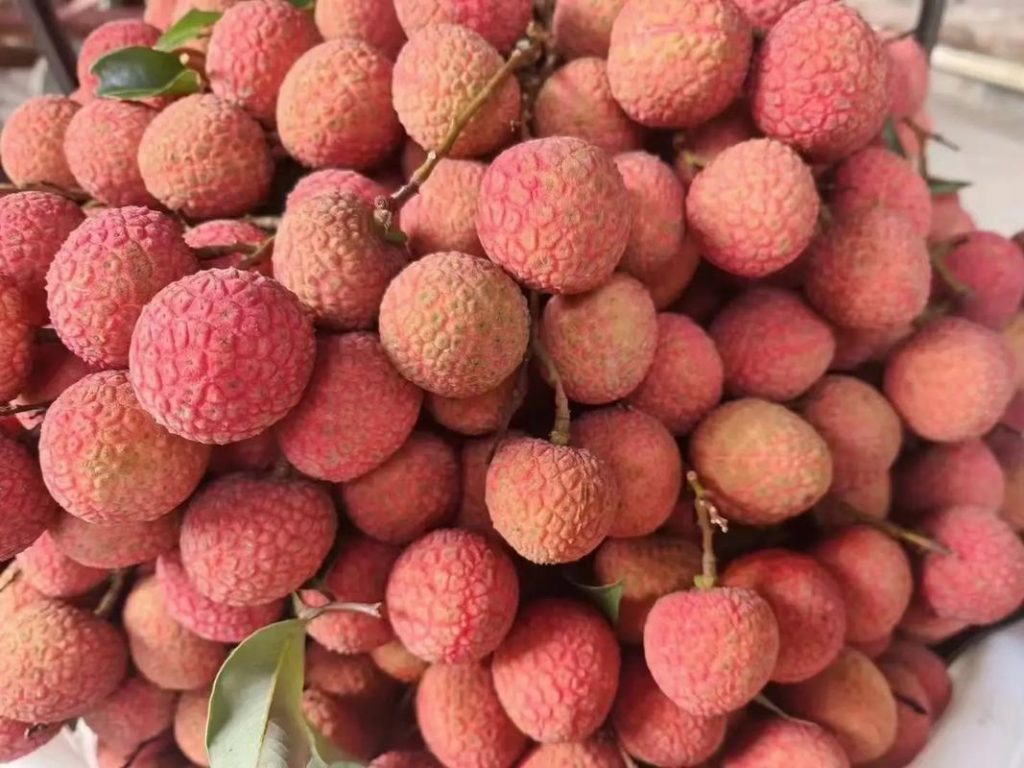
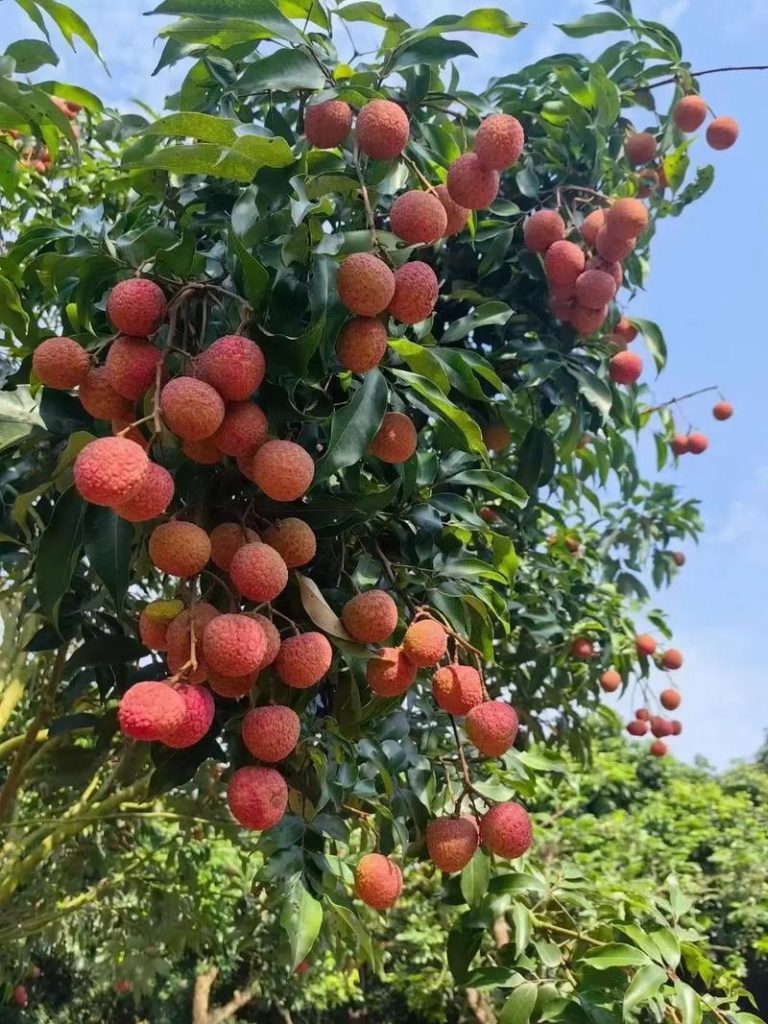
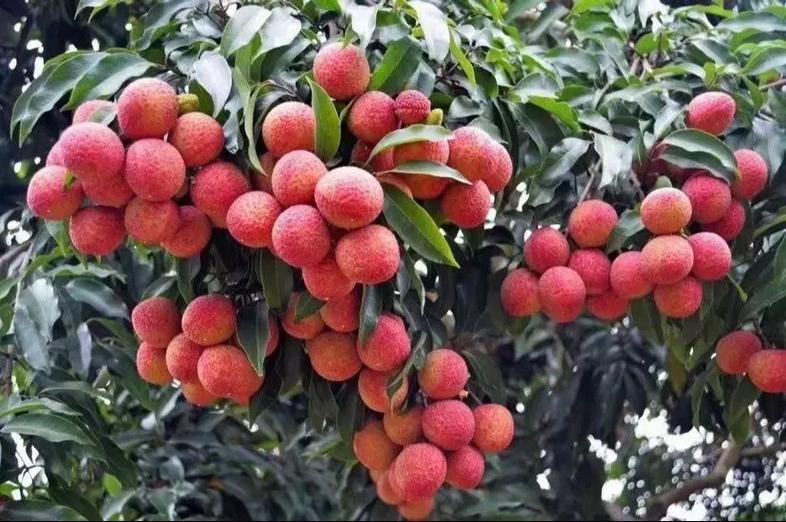
🍒 Introduction: Why Your Lychee Supplier Determines Seasonal Profitability
For European grocery buyers, fresh lychees represent a high-stakes seasonal category where margins hinge entirely on quality and timing. With a 72-hour post-harvest shelf life and extreme sensitivity to temperature fluctuations, sourcing isn’t just about price—it’s about securing a supply chain capable of delivering crisp, sweet fruit to Warsaw, Paris, and London without a single compromised batch. A 2024 consumer report revealed that 84% of European shoppers associate “fresh lychee availability” with overall store quality, yet 42% report buying subpar fruit (brown husks, fermented taste) due to poor supplier selection. This guide equips procurement directors with a technical framework to evaluate fresh lychee exporters, ensuring your summer fruit program drives both revenue and brand loyalty.
🌏 Decoding the Lychee Supply Ecosystem: Origins and Specializations
Lychee quality is dictated by terroir, harvest timing, and packing precision. Align your sourcing with these core producing regions:
1. Southern China (Guangdong, Guangxi, Hainan)
The global epicenter of lychee production, responsible for 65% of export volumes.
-
Key Varieties: Huaizhi (early season, high yield), Nuomici (premium, small seed, intense sweetness), Feizixiao (mid-season, balanced flavor).
-
Advantage: Proximity to modern packing facilities with vacuum-cooling technology.
2. Northern Thailand (Chiang Mai, Lamphun)
Known for organic cultivation and premium export focus.
-
Key Varieties: Hong Huay (large fruit, bright red skin), Chakrapad (late season, extended availability).
-
Advantage: Strong GlobalG.A.P. compliance and ethical labor practices.
3. Vietnam (Hanoi Highlands, Lang Son)
Emerging supplier with competitive pricing.
-
Key Varieties: Thieu (main export variety, reliable quality).
-
Advantage: Lower freight costs for Northern European routes.
🔬 8 Non-Negotiable Evaluation Criteria for Lychee Exporters
Beyond Brix scores, these metrics separate reliable partners from risky vendors:
✅ Orchard-Level Traceability
Demand GPS coordinates for specific orchards supplying your orders. Top-tier exporters provide:
-
Block-chain tracking: QR codes linking to harvest dates, pesticide application records, and orchard ownership.
-
Varietal purity: Guarantees against mixing early/late season varieties (compromises flavor consistency).
✅ Post-Harvest Handling Mastery
Lychees lose 10% of market value for every 2°C temperature deviation above 5°C. Verify:
-
Vacuum pre-cooling: Rapid cooling to 4°C within 2 hours of harvest (stops enzymatic browning).
-
Modified Atmosphere Packaging (MAP): Optimal gas mixture (5% O₂, 5% CO₂, 90% N₂) to extend shelf life.
-
Cold chain integrity: Real-time temperature loggers in every sea container (alerts for deviations).
✅ Quality Grading Standards
Insist on ISO 2859-1 sampling plans with these specifications:
| Grade | Diameter | Brix Level | Defect Tolerance |
|---|---|---|---|
| Premium | ≥ 30mm | 18–22% | ≤ 3% (no browning) |
| Standard | 26–29mm | 16–18% | ≤ 8% (slight russet) |
✅ Phytosanitary Compliance
Mandatory for EU border entry:
-
Phytosanitary Certificate: Issued by exporting country’s agriculture ministry.
-
MRL Testing: Pesticide residue reports (EU MRLs are 10x stricter than Codex standards).
-
Radiation certificates: Required for Thai shipments (history of irradiation treatments).
✅ Logistics Network Strength
Evaluate:
-
Consolidation hubs: Access to direct flights (Guangzhou → Amsterdam) or reefer vessels (14-day transit to Hamburg).
-
Deconsolidation partners: Bonded warehouses near your distribution centers for rapid cross-dock.
-
Peak season capacity: Ability to secure 10+ reefer containers/week during June–July peak.
✅ Sustainability Credentials
Increasingly required by EU retailers:
-
GlobalG.A.P. certification: Ensures safe water usage, soil management.
-
Rainforest Alliance: Validates biodiversity protection in orchards.
-
Carbon footprint reports: Sea freight emits 80% less CO₂ than air freight.
✅ Financial Stability
Verify:
-
Credit insurance: Protects against supplier bankruptcy mid-season.
-
Letter of credit terms: Irrevocable L/C at sight for new partnerships.
-
Currency hedging: Fixed USD/EUR rates to avoid exchange volatility.
✅ Crisis Management Protocols
Assess contingency plans for:
-
Border rejections: Replacement shipments within 72 hours.
-
Crop failures: Backup orchard networks in different microclimates.
-
Port strikes: Alternative routing via air freight (cost-sharing agreements).
📈 2024–2025 Lychee Market Trends Reshaping Retail
Stay ahead with these emerging dynamics:
🌱 Organic Conversion Surge
EU organic lychee demand grew 47% YoY. Suppliers now offer conversion support for conventional orchards (3-year transition period).
🤖 Ripeness Detection AI
Exporters use hyperspectral imaging to sort fruit by ripeness (eliminates 99% of underripe/overripe fruit pre-shipment).
🌍 Nearshoring Experiments
Spanish growers in Malaga are trialing subtropical lychee varieties—potential for 3-day land transport to EU markets by 2026.
❓ FAQ: Answers to Critical Lychee Sourcing Questions
Q: How do I prevent brown husk (skin browning) upon arrival?
A: Insist on sulfur dioxide fumigation-free treatments. Require vacuum pre-cooling within 2 hours of harvest and MAP packaging. Brown husk indicates temperature abuse above 8°C.
Q: What’s the ideal order timing for a 50-store chain?
A: Place initial orders by March 1st for June deliveries. Peak season (June 15–July 15) requires weekly 2-container orders. Avoid air freight after July 1st (hurricane season disrupts flights).
Q: How to verify Brix levels without cutting fruit?
A: Request non-destructive testing reports using near-infrared (NIR) spectroscopy. Acceptable range: 17–21% Brix. Below 16% tastes watery; above 22% ferments quickly.
Q: What’s the typical rejection rate at EU borders?
A: Industry average is 8–12% for new suppliers. Established exporters with EU MRL compliance maintain <2% rejection rates. Always build 15% buffer stock.
📢 Real User Reviews: Procurement Directors Share Experiences
Authentic feedback from verified buyers (details randomized for privacy):
🌟 Elena Petrova 🇩🇪
Order #DE-2024-9927
“We sourced Nuomici lychees from a Guangdong exporter for our Berlin stores. Their vacuum pre-cooling was flawless—fruit arrived at 4°C with zero browning. Brix averaged 19.5%. Only issue: One container had 5% undersized fruit; they credited us immediately. Now our go-to supplier.”
🌟🌟 Marco Rossi 🇮🇹
Order #IT-2024-4483
“Our Milan chain needed organic lychees. A Thai supplier provided GlobalG.A.P. and Bio Suisse certifications. Fruit quality was exceptional, but sea freight took 18 days—shelf life was tight. Next year we’ll split shipments: 70% sea, 30% air for freshness.”
🌟🌟🌟 James O’Connor 🇬🇧
Order #UK-2024-6619
“We’ve worked with a Vietnamese exporter for 3 seasons. Their pricing is 15% lower than China, and they hold all EU MRL certifications. Last July, a heatwave damaged crops—they diverted shipments from backup orchards within 48 hours. True partnership.”
✍️ Final Takeaway
Sourcing fresh lychees is a race against biology. Prioritize exporters who treat cold chain integrity as sacred, provide surgical-grade traceability, and maintain financial resilience for crisis response. Your summer fruit display isn’t just a seasonal category—it’s a litmus test for your entire fresh produce program. Choose a supplier who ensures every punnet meets the “snap test”: firm husk, translucent flesh, and explosive sweetness.


No reply content