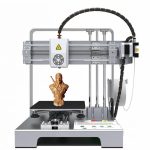
3D Printer Suppliers in Shenzhen China
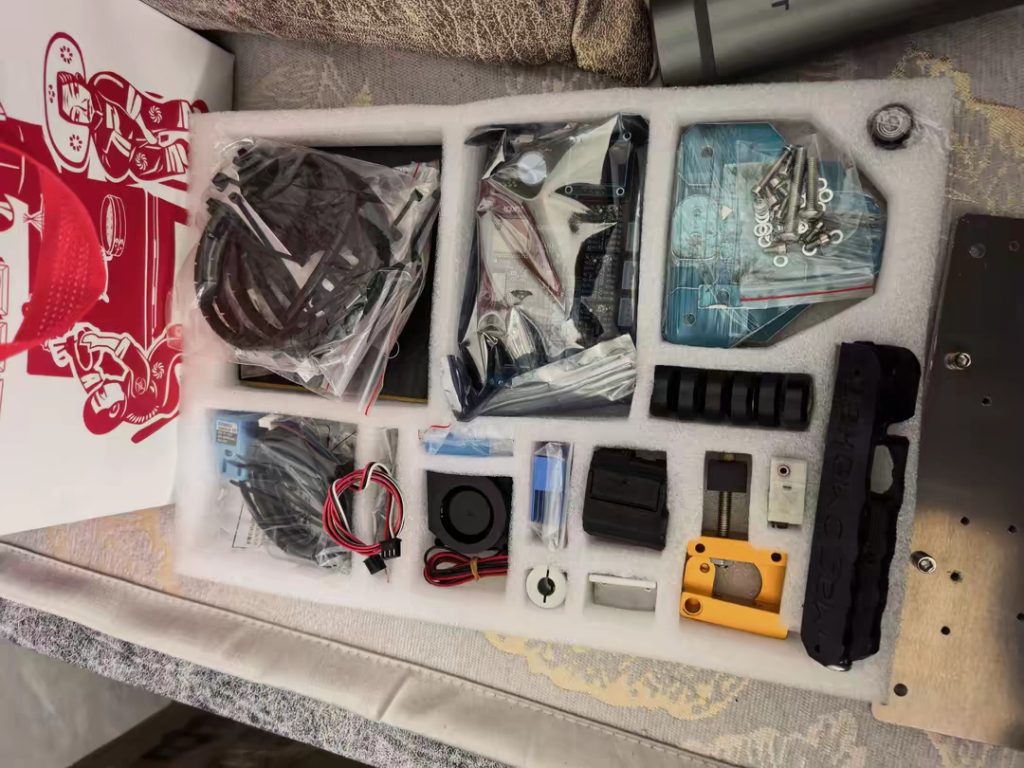
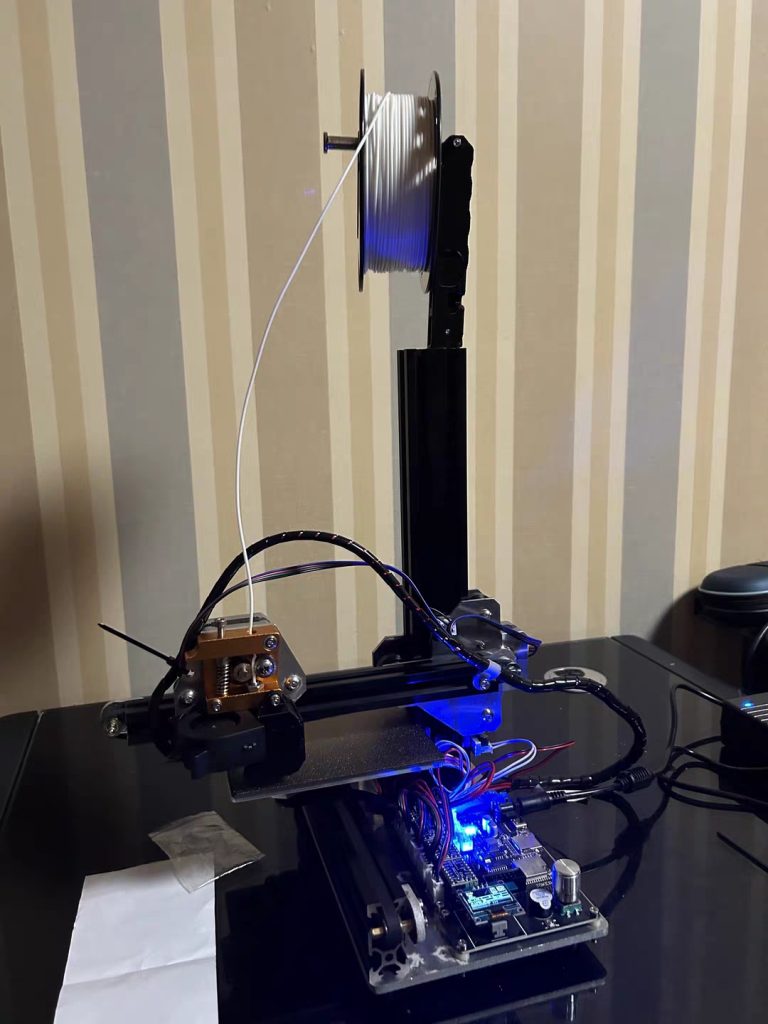
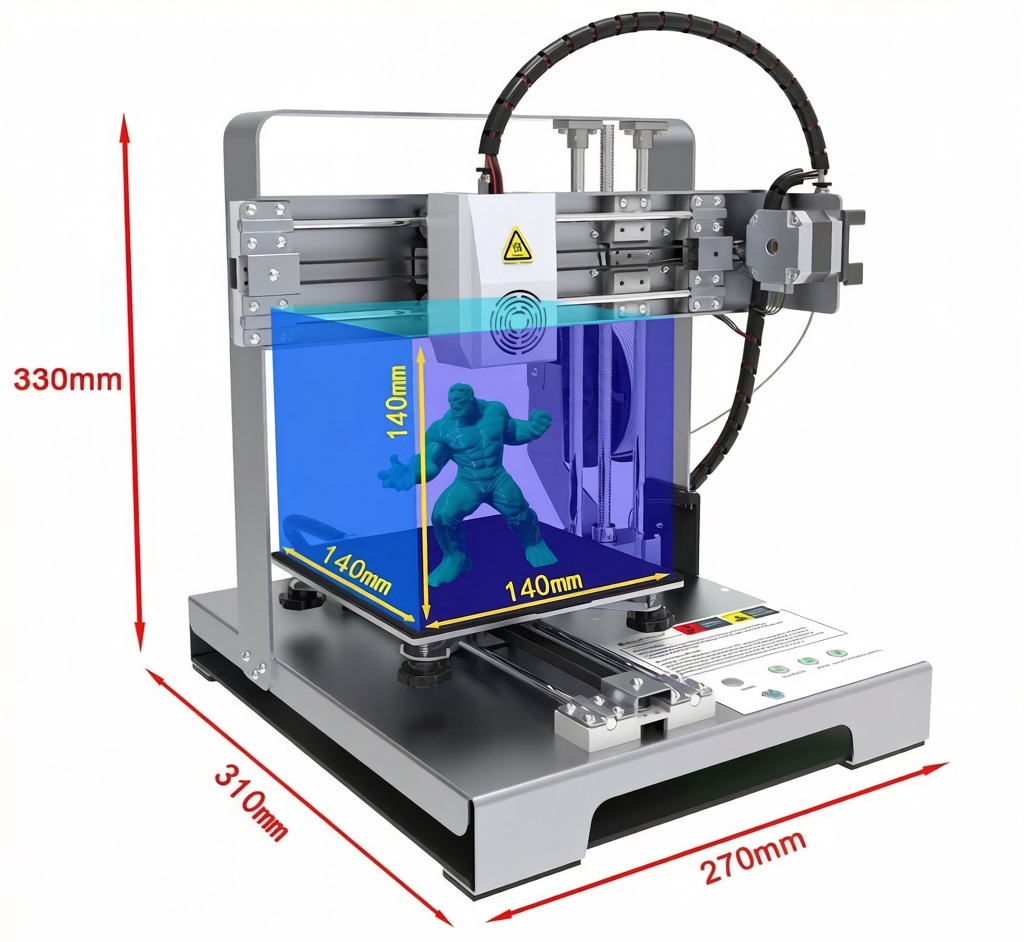
One of the biggest anxieties for international buyers sourcing 3D printers from China isn’t the initial purchase—it’s what happens when something goes wrong. The combination of language barriers, time zone differences, and logistics delays can turn a minor technical glitch into a production-halting crisis.
However, a lack of local support doesn’t have to mean endless frustration. By setting clear expectations and establishing structured communication protocols before you sign the contract, you can ensure timely and effective after-sales help.
The Core Challenges of Cross-Border Tech Support
Before diving into solutions, it’s important to recognize why support often fails:
-
The Time Zone Gap: A 12-hour difference means you might wait a full day for a simple email reply.
-
Technical Translation Errors: Describing a “layer shift” or “Z-banding” can be lost in translation if the support agent lacks hands-on engineering experience.
-
Spare Parts Logistics: Shipping a replacement motherboard internationally can take weeks, during which your machine sits idle.
Proactive Strategies to Ensure Timely Support
1. Define the SLA (Service Level Agreement) Before Paying
Do not assume support hours. Explicitly ask: “What are your technical support working hours in GMT+8?” and “What is the guaranteed response time for email/WhatsApp tickets?”
-
Tip: Request a dedicated technical contact rather than a generic sales email.
2. Leverage Video for Diagnostics
Text descriptions are inefficient. Insist on a process where you can send a short video showing the issue.
-
Actionable Step: Create a shared folder (Google Drive/Dropbox) specifically for support cases, containing videos, G-code files, and slicer settings. This gives the engineer all the context at once.
3. Demand a Remote Diagnostic Session
For complex firmware or calibration issues, ask for a remote desktop session or a live video call with an engineer (not just a salesperson).
-
Preparation: Have TeamViewer or AnyDesk ready if the machine runs on a PC-based system, or ensure you have a stable Wi-Fi connection for a mobile video call.
4. Establish a “Critical Spares” Agreement
To avoid downtime, negotiate a spare parts list based on the printer’s MTBF (Mean Time Between Failures).
-
Strategy: Identify high-wear items (nozzles, thermistors, fans) and ask the supplier to include a “free-of-charge” set in the initial shipment, or quote them at cost for your local stock.


No reply content