
China Diesel Generator Manufacturer
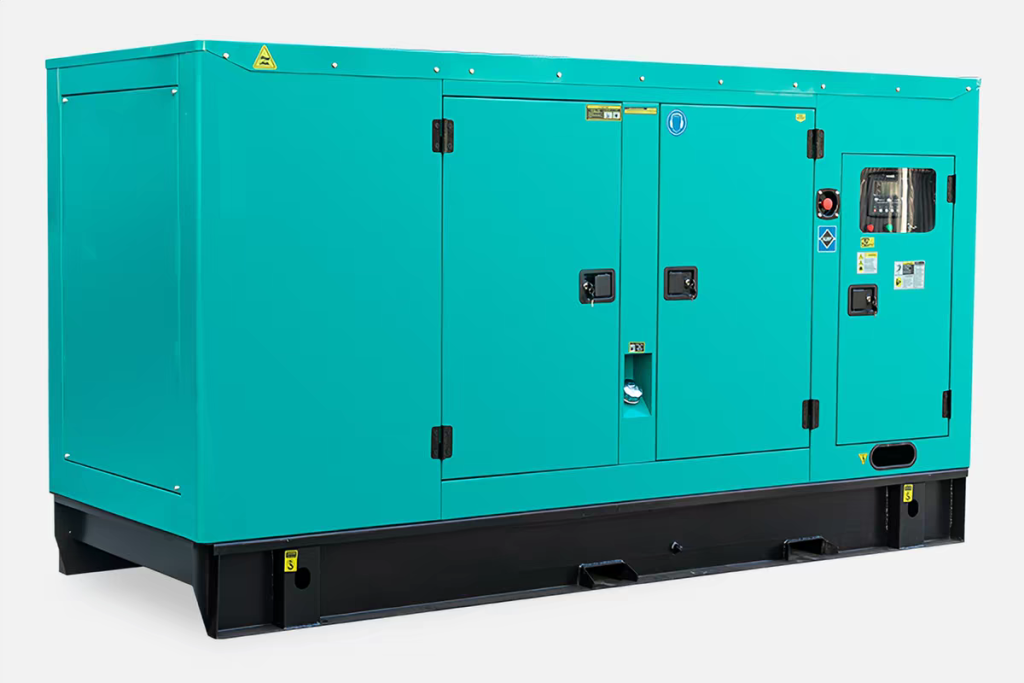
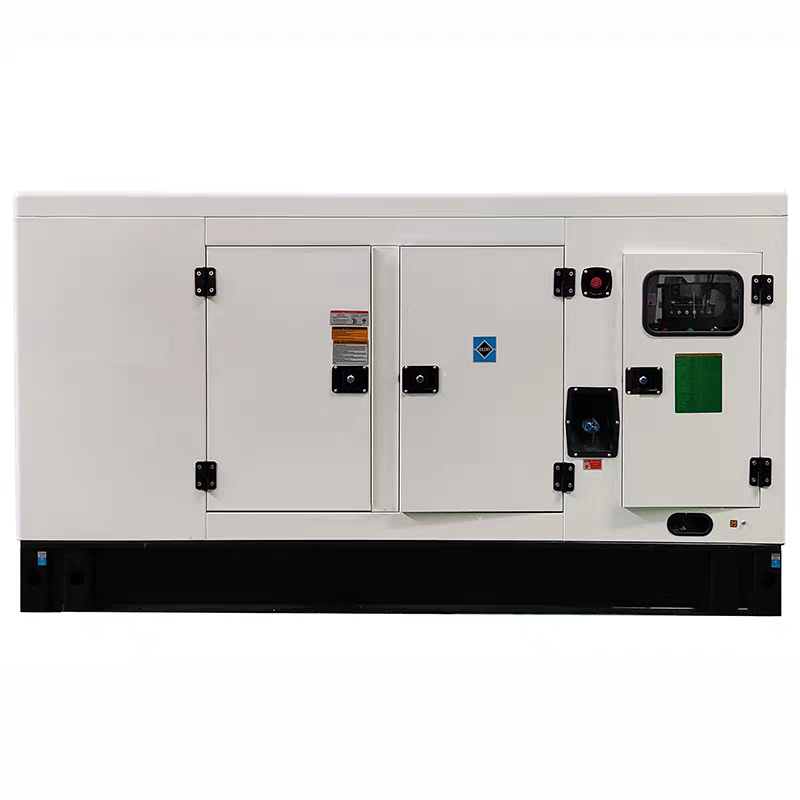

In today’s world, installing a diesel generator is no longer just about having enough power; it is about being a good neighbor and a responsible corporate citizen. Whether you are in a dense urban center, a quiet suburban neighborhood, or a strictly regulated industrial park, noise and emissions are the two hurdles that can stop a project in its tracks.
Municipal fines for noise violations or failing to meet EPA (Environmental Protection Agency) standards can be incredibly costly. Fortunately, modern engineering allows us to provide immense power without the disruptive roar or harmful fumes.
Here is how to navigate the regulations and select a generator that keeps both your business and the environment happy.
1. Decoding Noise Levels: dB(A) Explained
Noise is measured in decibels (dB), but for generators, we look specifically at dB(A) at a distance of 7 meters (23 feet).
-
Standard Industrial Units: Typically range from 85–95 dB(A). At this level, you have to shout to be heard, making them unsuitable for populated areas.
-
Silent/Canopy Units: Usually rated between 70–78 dB(A). This is comparable to a vacuum cleaner or heavy traffic—noticeable, but not disruptive.
-
Super Silent / Residential Units: Rated below 65 dB(A). This is the “library level” whisper that allows operation in hospitals, schools, and residential complexes without complaint.
2. The Anatomy of a “Silent” Generator
Achieving ultra-low noise is not magic; it is a science involving three key layers of defense:
-
Acoustic Foam Lining: Unlike standard insulation, high-density rockwool or melamine foam panels inside the canopy absorb sound waves rather than reflecting them.
-
Integrated Silencers: A standard “residential” silencer helps, but for true silence, we use “Critical Grade” or “Hospital Grade” silencers. These are often integrated directly into the canopy design to maximize exhaust noise reduction.
-
Vibration Isolation: As discussed in our installation guide, anti-vibration mounts are crucial. If the generator vibrates against the floor, the floor becomes a speaker, amplifying the noise.
3. Navigating Emissions: EPA Tier 4 Final & Stage V
If noise is the “nuisance,” emissions are the legal requirement. Depending on your region, you must comply with specific standards:
-
EPA Tier 4 Final (USA): This is the strictest standard in North America. It requires the use of Ultra-Low Sulfur Diesel (ULSD) and mandates the use of a Diesel Oxidation Catalyst (DOC) and a Diesel Particulate Filter (DPF) to trap soot.
-
Stage V (Europe): Similar to Tier 4, but with even stricter limits on particulate matter (PM) and Nitrogen Oxides (NOx).
-
Non-Road Mobile Machinery (NRMM): In cities like London or Singapore, specific NRMM standards apply to construction sites to combat urban smog.
4. Containerized & Custom Enclosures
For extreme environments, a standard box isn’t enough.
-
20ft/40ft ISO Containers: We convert standard shipping containers into power stations. These offer superior soundproofing (often achieving <60 dB(A)) and security.
-
Critical Grade Attenuation: For data centers or film sets, we design “attenuated” enclosures where the air intake and exhaust louvers are lined with labyrinth-style baffles, allowing air to flow freely while trapping 99% of the sound.
5. Alternative Fuels for Zero Emissions
If your project is indoors or in an area with zero-tolerance policies for diesel exhaust (like underground parking or indoor events), consider:
-
Natural Gas Generators: Produce significantly fewer particulates than diesel.
-
Hybrid Systems: Pairing a smaller diesel generator with a large lithium-ion battery bank. The generator runs at a constant, efficient speed to charge the battery, while the battery handles the variable loads, reducing overall runtime and emissions.


No reply content